

Overview of Brave
In "Brave," Margie Warrell offers 50 actionable courage-building strategies that transformed everyday fear into opportunity. What if small daily acts of bravery could completely reshape your career, relationships, and life satisfaction? Malala's story proves they can - and you're next.
- Build "courage muscles" by leaning into fear-driven growth opportunities daily
- Close the "courage gap" through intentional micro-acts of brave decision-making
- Redefine failure as essential training ground for developing resilient leadership
- Ask for help strategically—strength emerges through vulnerability in relationships
- Combat "fearcasting" by separating worst-case scenarios from probable outcomes
- Trade short-term comfort for long-term fulfillment through brave asks
- Align actions with core values despite social approval risks
- Reframe rejection as redirection toward better-fitting opportunities
- Practice "decision momentum" by making imperfect choices with courage
- Lead authentically by modeling self-trust over perfectionism
- Overcome analysis paralysis through decisive action in uncertain conditions
- Cultivate bravery stamina via incremental boundary-pushing challenges
About the Author of Brave
Margie Warrell, PhD, is the bestselling author of Brave and a globally recognized authority on courageous leadership and personal growth. A clinical psychologist turned leadership advisor, Warrell draws on her background in Fortune 500 business, executive coaching, and behavioral science to address themes of risk-taking, resilience, and purpose-driven living.
Her work has been shaped by decades of international experience working with organizations like NASA, Salesforce, and the United Nations Foundation, where she designs programs to foster cultures of courage.
Warrell’s other influential books, including Find Your Courage and Stop Playing Safe, establish her as a leading voice in transformative leadership development. As a Forbes columnist and LinkedIn Top Voice, her insights have been featured in The New York Times, Wall Street Journal, and major media platforms like CNN and CNBC. A senior partner at Korn Ferry and member of APCO’s International Advisory Council, she bridges academic rigor with real-world application—most recently through her PhD research on brave leadership.
Brave builds on Warrell’s signature framework for closing the “courage gap,” distilled from her work with over 500 organizations worldwide. Her books have been translated into 15 languages and endorsed by luminaries like Richard Branson, cementing her status as a trusted guide for professionals seeking to lead with authenticity and impact.
FAQs About Brave
What is Brave by Margie Warrell about?
Brave by Margie Warrell is a practical guide to overcoming fear and self-doubt through 50 everyday acts of courage. It empowers readers to build resilience, advocate for their goals, and embrace vulnerability in work, relationships, and life. Drawing on psychology and real-world examples, Warrell provides actionable strategies to confront fears, communicate authentically, and create a more purposeful life.
Who should read Brave by Margie Warrell?
Professionals seeking career confidence, individuals navigating personal transitions, and anyone struggling with self-doubt will benefit from Brave. It’s ideal for leaders aiming to foster courageous workplace cultures and those wanting to strengthen relationships through honest communication. Warrell’s insights resonate with readers prioritizing growth over comfort.
Is Brave by Margie Warrell worth reading?
Yes—Brave offers actionable tools to reframe fear and take bold steps toward goals. Its blend of personal anecdotes (like Warrell’s son skydiving to build courage) and research-backed frameworks makes it a standout in self-help. Readers praise its focus on incremental bravery, such as voicing opinions or embracing change.
What are the key lessons in Brave?
Key lessons include:
- Strengthen courage muscles: Small brave acts (e.g., difficult conversations) build resilience.
- Embrace vulnerability: Authenticity fuels stronger leadership and relationships.
- Advocate for yourself: Clarify values and communicate them unapologetically.
- Fear regret more than failure: Inaction often costs more than missteps.
How does Brave help with career challenges?
The book teaches readers to negotiate confidently, voice ideas without self-censorship, and navigate workplace changes fearlessly. Warrell’s “courageous advocacy” framework helps professionals overcome impostor syndrome and align careers with their values, making it valuable for promotions, pivots, or leadership roles.
What are notable quotes from Brave?
- “Courage is contagious; walk with giants”: Surround yourself with bold thinkers.
- “Fear regret more than failure”: Prioritize action over perfectionism.
- “Your ‘courage muscles’ grow stronger with use”: Daily bravery compounds.
What is the “courage muscle” concept in Brave?
Warrell compares bravery to a muscle that strengthens through daily use—like tackling uncomfortable tasks or setting boundaries. Just as her son’s skydiving boosted his confidence, small acts (e.g., giving feedback) build resilience for bigger challenges.
How does Brave address vulnerability?
The book reframes vulnerability as a strength, not weakness. Warrell argues that admitting doubts or asking for help fosters trust in teams and intimacy in relationships. Examples include leaders sharing setbacks or couples discussing insecurities openly.
Are there criticisms of Brave?
Some readers may find its advice broad if seeking niche strategies. However, its strength lies in universal principles applicable to diverse scenarios, from career risks to personal growth. Critics praise its balance of inspiration and practicality.
How does Brave compare to other self-help books?
Unlike theoretical guides, Brave focuses on actionable, incremental steps—making it ideal for readers overwhelmed by abstract concepts. It complements Brené Brown’s work on vulnerability by adding tactical frameworks for daily courage.
How can readers apply Brave’s lessons daily?
Warrell suggests:
- Identify one fear-driven avoidance (e.g., delaying a tough conversation).
- Take a small brave action (e.g., schedule the talk).
- Reflect on outcomes to reinforce courage habits.
Does Brave discuss overcoming failure?
Yes—Warrell encourages “failing forward” by viewing setbacks as growth opportunities. She shares personal stories, like overcoming miscarriages and career pivots, to illustrate resilience. The book emphasizes bouncing back faster by reframing failure.
Has Brave won any awards?
While specific awards aren’t listed, Brave is a bestseller endorsed by organizations like NASA and Salesforce. Warrell’s credibility as a Forbes contributor and leadership advisor reinforces its value in professional and personal development.
Feel the book through the author's voice
Turn knowledge into engaging, example-rich insights
Capture key ideas in a flash for fast learning
Enjoy the book in a fun and engaging way
Characters in Brave
- Margie WarrellAuthor, leadership coach, and Forbes columnist
- Tank ManIconic protester at the Tiananmen Square massacre
- Julia GillardFormer Australian Prime Minister
Key Themes in Brave
- overcoming comfort zones
- rewriting self-narratives
- values-based action
- cognitive bias awareness
- courageous leadership
Quotes from Brave
Our capacity for courage grows each time we choose action over avoidance.
I am the author of my life, not just a passive spectator.
We don't see the world as it is; we see it as we are.
Courage isn't the absence of fear but rather the ability to act despite it.
Explore Your Way of Learning
 Quick Summary Mode
Read or listen to Brave Summary in 9 Minutes
Break down key ideas from Brave into bite-sized takeaways to understand how innovative teams create, collaborate, and grow.

 Fun Mode
Brave Lessons Told Through 19-Min Stories
Experience Brave through vivid storytelling that turns innovation lessons into moments you'll remember and apply.
 Personalize Mode
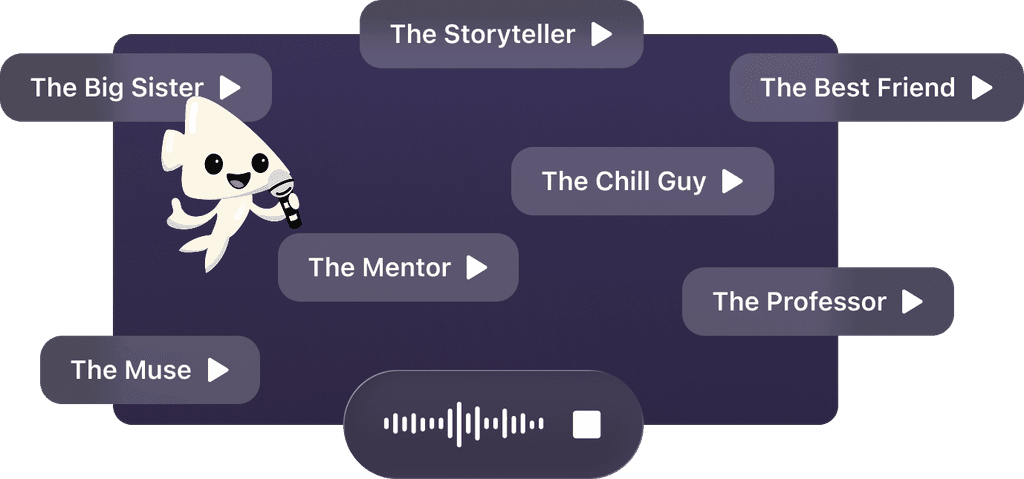
Experience Brave in your own learning style
Ask anything, choose your learning style, and co-create insights that truly resonate with you.
From Columbia University alumni built in San Francisco
"Instead of endless scrolling, I just hit play on BeFreed. It saves me so much time."


"I never knew where to start with nonfiction—BeFreed’s book lists turned into podcasts gave me a clear path."


"Perfect balance between learning and entertainment. Finished ‘Thinking, Fast and Slow’ on my commute this week."
"Crazy how much I learned while walking the dog. BeFreed = small habits → big gains."
"Reading used to feel like a chore. Now it’s just part of my lifestyle."

"Feels effortless compared to reading. I’ve finished 6 books this month already."
"BeFreed turned my guilty doomscrolling into something that feels productive and inspiring."

"BeFreed turned my commute into learning time. 20-min podcasts are perfect for finishing books I never had time for."
"BeFreed replaced my podcast queue. Imagine Spotify for books — that’s it. 🙌"

"It is great for me to learn something from the book without reading it."
"The themed book list podcasts help me connect ideas across authors—like a guided audio journey."
"Makes me feel smarter every time before going to work"
From Columbia University alumni built in San Francisco
"Instead of endless scrolling, I just hit play on BeFreed. It saves me so much time."
"I never knew where to start with nonfiction—BeFreed’s book lists turned into podcasts gave me a clear path."
"Perfect balance between learning and entertainment. Finished ‘Thinking, Fast and Slow’ on my commute this week."
"Crazy how much I learned while walking the dog. BeFreed = small habits → big gains."
"Reading used to feel like a chore. Now it’s just part of my lifestyle."
"Feels effortless compared to reading. I’ve finished 6 books this month already."
"BeFreed turned my guilty doomscrolling into something that feels productive and inspiring."
"BeFreed turned my commute into learning time. 20-min podcasts are perfect for finishing books I never had time for."
"BeFreed replaced my podcast queue. Imagine Spotify for books — that’s it. 🙌"
"It is great for me to learn something from the book without reading it."
"The themed book list podcasts help me connect ideas across authors—like a guided audio journey."
"Makes me feel smarter every time before going to work"
"Instead of endless scrolling, I just hit play on BeFreed. It saves me so much time."
"I never knew where to start with nonfiction—BeFreed’s book lists turned into podcasts gave me a clear path."
"Perfect balance between learning and entertainment. Finished ‘Thinking, Fast and Slow’ on my commute this week."
"Crazy how much I learned while walking the dog. BeFreed = small habits → big gains."
"Reading used to feel like a chore. Now it’s just part of my lifestyle."
"Feels effortless compared to reading. I’ve finished 6 books this month already."
"BeFreed turned my guilty doomscrolling into something that feels productive and inspiring."
"BeFreed turned my commute into learning time. 20-min podcasts are perfect for finishing books I never had time for."
"BeFreed replaced my podcast queue. Imagine Spotify for books — that’s it. 🙌"
"It is great for me to learn something from the book without reading it."
"The themed book list podcasts help me connect ideas across authors—like a guided audio journey."
"Makes me feel smarter every time before going to work"
"Instead of endless scrolling, I just hit play on BeFreed. It saves me so much time."
"I never knew where to start with nonfiction—BeFreed’s book lists turned into podcasts gave me a clear path."
"Perfect balance between learning and entertainment. Finished ‘Thinking, Fast and Slow’ on my commute this week."
"Crazy how much I learned while walking the dog. BeFreed = small habits → big gains."
"Reading used to feel like a chore. Now it’s just part of my lifestyle."
"Feels effortless compared to reading. I’ve finished 6 books this month already."
"BeFreed turned my guilty doomscrolling into something that feels productive and inspiring."
"BeFreed turned my commute into learning time. 20-min podcasts are perfect for finishing books I never had time for."
"BeFreed replaced my podcast queue. Imagine Spotify for books — that’s it. 🙌"
"It is great for me to learn something from the book without reading it."
"The themed book list podcasts help me connect ideas across authors—like a guided audio journey."
"Makes me feel smarter every time before going to work"

Download Summary of Brave
Get the Brave summary as a free PDF or EPUB. Print it or read offline anytime.


