Money Know More Make More Give More: Learn How to Make More Money and Tran

Overview of Money Know More Make More Give More
Trapped in debt at 26, millionaire by 31: Rob Moore's "Money" demolishes financial myths with his wealth formula: Wealth = (Value + Fair Exchange) x Leverage. Praised for practicality where "Rich Dad, Poor Dad" falls short - this UK bestseller transforms financial mindsets forever.
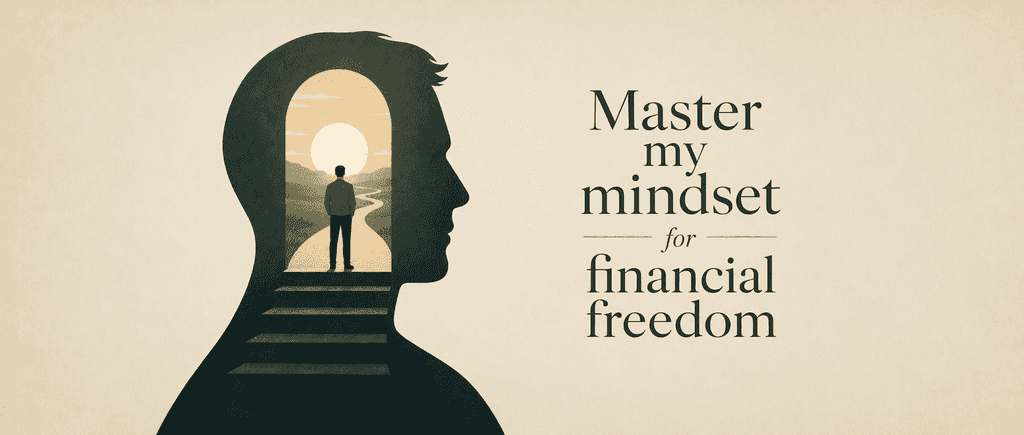
- Shift from scarcity to abundance mindset to unlock wealth creation
- Rob Moore prioritizes money velocity over static savings for compound growth
- True wealth measures value creation capacity, not just bank balances
- Replace "making a living" mindset with "creating value" wealth philosophy
- Build passive income streams before cutting expenses for financial freedom
- Wealthy investors focus on asset leverage, not just hourly wages
- Your money beliefs dictate financial outcomes more than market conditions
- Rob Moore's "save-invest-spend-give" framework sustains balanced wealth growth
- Networking builds reciprocal value exchanges that accelerate financial opportunities
- Wealth building requires proactive risk-taking, not just safe saving
- Financial literacy mastery outweighs luck in long-term wealth preservation
- Align money habits with legacy goals, not short-term comforts
About the Author of Money Know More Make More Give More
Rob Moore, bestselling author of Money: Know More, Make More, Give More, is a leading authority on financial education and wealth creation. A self-made multimillionaire by age 30, Moore transformed his life from £50k in debt to building an 8-figure property portfolio and co-founding Progressive Property, one of the UK’s largest training companies. His expertise in entrepreneurship and money management stems from decades of practical experience, documented through 19 bestselling books translated into over 15 languages.
As host of the globally popular Disruptive Entrepreneur and Money Podcasts (192 countries), Moore blends contrarian thinking with actionable strategies for financial freedom. His work emphasizes overcoming debt, leveraging assets, and creating multiple income streams, reflecting his own journey detailed in Money. Through the Rob Moore Foundation, he channels book profits to advance financial literacy for underserved communities.
Moore’s credentials include two World Records for marathon public speaking and recognition as Business of the Year 2016. With 9,000+ book reviews and a property empire spanning 340 units, his systems have empowered millions to rethink wealth-building paradigms.
FAQs About Money Know More Make More Give More
What is Money: Know More, Make More, Give More about?
Money: Know More, Make More, Give More by Rob Moore is a guide to achieving financial independence through mindset shifts, strategic investing, and leveraging passive income. It debunks common money myths, explains wealth-building frameworks like the VVKIK model, and emphasizes ethical wealth creation. The book combines practical advice with real-world examples to help readers transform their relationship with money.
Who should read Money: Know More, Make More, Give More?
This book is ideal for entrepreneurs, aspiring investors, and anyone seeking financial literacy. It’s particularly valuable for those wanting to escape the "work-for-money" cycle, build passive income streams, or rethink limiting beliefs about wealth. Rob Moore’s strategies cater to readers at all financial stages, from beginners to seasoned earners.
Is Money: Know More, Make More, Give More worth reading?
Yes, for its actionable steps on wealth generation, mindset reframing, and systemic approaches to money management. Moore’s blend of personal experience (like building a £200M property portfolio) and frameworks like the "wealth formula" offers fresh perspectives beyond generic financial advice.
Who is Rob Moore, the author of Money: Know More, Make More, Give More?
Rob Moore is a British entrepreneur, property investor, and host of The Disruptive Entrepreneur podcast. A self-made millionaire by 30, he founded Progressive Property and authored 19 books on finance and productivity. His work focuses on democratizing financial literacy and empowering entrepreneurial success.
What are the main money myths debunked in Money: Know More, Make More, Give More?
Moore challenges myths like "money is evil," "hard work guarantees wealth," and "saving alone ensures security." He argues these beliefs limit financial potential, advocating instead for value creation, leverage, and systems-driven income.
How does Rob Moore define wealth in Money: Know More, Make More, Give More?
Moore’s wealth formula is Wealth = (Value + Fair Exchange) x Leverage. This emphasizes creating value for others, ethical transactions, and scaling through assets, automation, or networks—not just saving or budgeting.
What is the VVKIK model in Money: Know More, Make More, Give More?
The VVKIK framework includes Vision, Values, Key Result Areas (KRAs), Income-Generating Tasks (IGTs), and Key Performance Indicators (KPIs). It helps users align daily actions with long-term financial goals, ensuring productivity aligns with profitability.
What investment strategies does Rob Moore recommend in Money: Know More, Make More, Give More?
Moore prioritizes diversification, long-term compounding, and passive income—particularly through real estate, dividend stocks, and scalable businesses. He warns against high-risk ventures and emphasizes education before investment.
How does Money: Know More, Make More, Give More approach passive income?
The book advocates building systems like rental properties, digital products, or automated businesses to generate income with minimal ongoing effort. Moore stresses that passive income requires upfront work to create "money machines" that outsource labor over time.
What is Rob Moore’s view on pricing in Money: Know More, Make More, Give More?
Moore advises value-based pricing over cost-based models, urging readers to charge based on perceived worth, not hours worked. He suggests tiered pricing, upselling, and leveraging psychological triggers (e.g., scarcity) to maximize revenue.
Does Money: Know More, Make More, Give More address common criticisms of wealth-building books?
Yes, Moore counters critiques by emphasizing ethical wealth creation, adaptability to economic shifts, and avoiding "get-rich-quick" promises. He advocates for sustainable systems, not short-term hacks, and balances profit with philanthropy.
How does Money: Know More, Make More, Give More compare to other financial self-help books?
Unlike frugality-focused guides, Moore’s book stresses mindset shifts, entrepreneurial leverage, and scalable systems. It integrates psychology (e.g., emotional barriers to wealth) with tactical steps, bridging the gap between Rich Dad Poor Dad and modern side-hustle guides.
Feel the book through the author's voice
Turn knowledge into engaging, example-rich insights
Capture key ideas in a flash for fast learning
Enjoy the book in a fun and engaging way
Characters in Money Know More Make More Give More
- Rob MooreAuthor and entrepreneur who built wealth
- Rob Moore's FatherPub owner who taught the author about money
Key Themes in Money Know More Make More Give More
- wealth psychology
- financial literacy
- passive income assets
- digital economy disruption
- money mindset shift
Quotes from Money Know More Make More Give More
Money and happiness are separate concepts-work on happiness for happiness, work on money for money.
Don't fear evolution and disruption-embrace it!
They say money doesn't make you happy? Fuckin' does.
The real question isn't whether there's enough money, but rather: Who's got yours?
Explore Your Way of Learning
 Quick Summary Mode
Read or listen to Money Know More Make More Give More Summary in 8 Minutes
Break down key ideas from Money Know More Make More Give More into bite-sized takeaways to understand how innovative teams create, collaborate, and grow.

 Fun Mode
Money Know More Make More Give More Lessons Told Through 19-Min Stories
Experience Money Know More Make More Give More through vivid storytelling that turns innovation lessons into moments you'll remember and apply.
 Personalize Mode
Experience Money Know More Make More Give More in your own learning style
Ask anything, choose your learning style, and co-create insights that truly resonate with you.

From Columbia University alumni built in San Francisco
"Instead of endless scrolling, I just hit play on BeFreed. It saves me so much time."


"I never knew where to start with nonfiction—BeFreed’s book lists turned into podcasts gave me a clear path."


"Perfect balance between learning and entertainment. Finished ‘Thinking, Fast and Slow’ on my commute this week."
"Crazy how much I learned while walking the dog. BeFreed = small habits → big gains."
"Reading used to feel like a chore. Now it’s just part of my lifestyle."

"Feels effortless compared to reading. I’ve finished 6 books this month already."
"BeFreed turned my guilty doomscrolling into something that feels productive and inspiring."

"BeFreed turned my commute into learning time. 20-min podcasts are perfect for finishing books I never had time for."
"BeFreed replaced my podcast queue. Imagine Spotify for books — that’s it. 🙌"

"It is great for me to learn something from the book without reading it."
"The themed book list podcasts help me connect ideas across authors—like a guided audio journey."
"Makes me feel smarter every time before going to work"
From Columbia University alumni built in San Francisco
"Instead of endless scrolling, I just hit play on BeFreed. It saves me so much time."
"I never knew where to start with nonfiction—BeFreed’s book lists turned into podcasts gave me a clear path."
"Perfect balance between learning and entertainment. Finished ‘Thinking, Fast and Slow’ on my commute this week."
"Crazy how much I learned while walking the dog. BeFreed = small habits → big gains."
"Reading used to feel like a chore. Now it’s just part of my lifestyle."
"Feels effortless compared to reading. I’ve finished 6 books this month already."
"BeFreed turned my guilty doomscrolling into something that feels productive and inspiring."
"BeFreed turned my commute into learning time. 20-min podcasts are perfect for finishing books I never had time for."
"BeFreed replaced my podcast queue. Imagine Spotify for books — that’s it. 🙌"
"It is great for me to learn something from the book without reading it."
"The themed book list podcasts help me connect ideas across authors—like a guided audio journey."
"Makes me feel smarter every time before going to work"
"Instead of endless scrolling, I just hit play on BeFreed. It saves me so much time."
"I never knew where to start with nonfiction—BeFreed’s book lists turned into podcasts gave me a clear path."
"Perfect balance between learning and entertainment. Finished ‘Thinking, Fast and Slow’ on my commute this week."
"Crazy how much I learned while walking the dog. BeFreed = small habits → big gains."
"Reading used to feel like a chore. Now it’s just part of my lifestyle."
"Feels effortless compared to reading. I’ve finished 6 books this month already."
"BeFreed turned my guilty doomscrolling into something that feels productive and inspiring."
"BeFreed turned my commute into learning time. 20-min podcasts are perfect for finishing books I never had time for."
"BeFreed replaced my podcast queue. Imagine Spotify for books — that’s it. 🙌"
"It is great for me to learn something from the book without reading it."
"The themed book list podcasts help me connect ideas across authors—like a guided audio journey."
"Makes me feel smarter every time before going to work"
"Instead of endless scrolling, I just hit play on BeFreed. It saves me so much time."
"I never knew where to start with nonfiction—BeFreed’s book lists turned into podcasts gave me a clear path."
"Perfect balance between learning and entertainment. Finished ‘Thinking, Fast and Slow’ on my commute this week."
"Crazy how much I learned while walking the dog. BeFreed = small habits → big gains."
"Reading used to feel like a chore. Now it’s just part of my lifestyle."
"Feels effortless compared to reading. I’ve finished 6 books this month already."
"BeFreed turned my guilty doomscrolling into something that feels productive and inspiring."
"BeFreed turned my commute into learning time. 20-min podcasts are perfect for finishing books I never had time for."
"BeFreed replaced my podcast queue. Imagine Spotify for books — that’s it. 🙌"
"It is great for me to learn something from the book without reading it."
"The themed book list podcasts help me connect ideas across authors—like a guided audio journey."
"Makes me feel smarter every time before going to work"

Download Summary of Money Know More Make More Give More
Get the Money Know More Make More Give More summary as a free PDF or EPUB. Print it or read offline anytime.