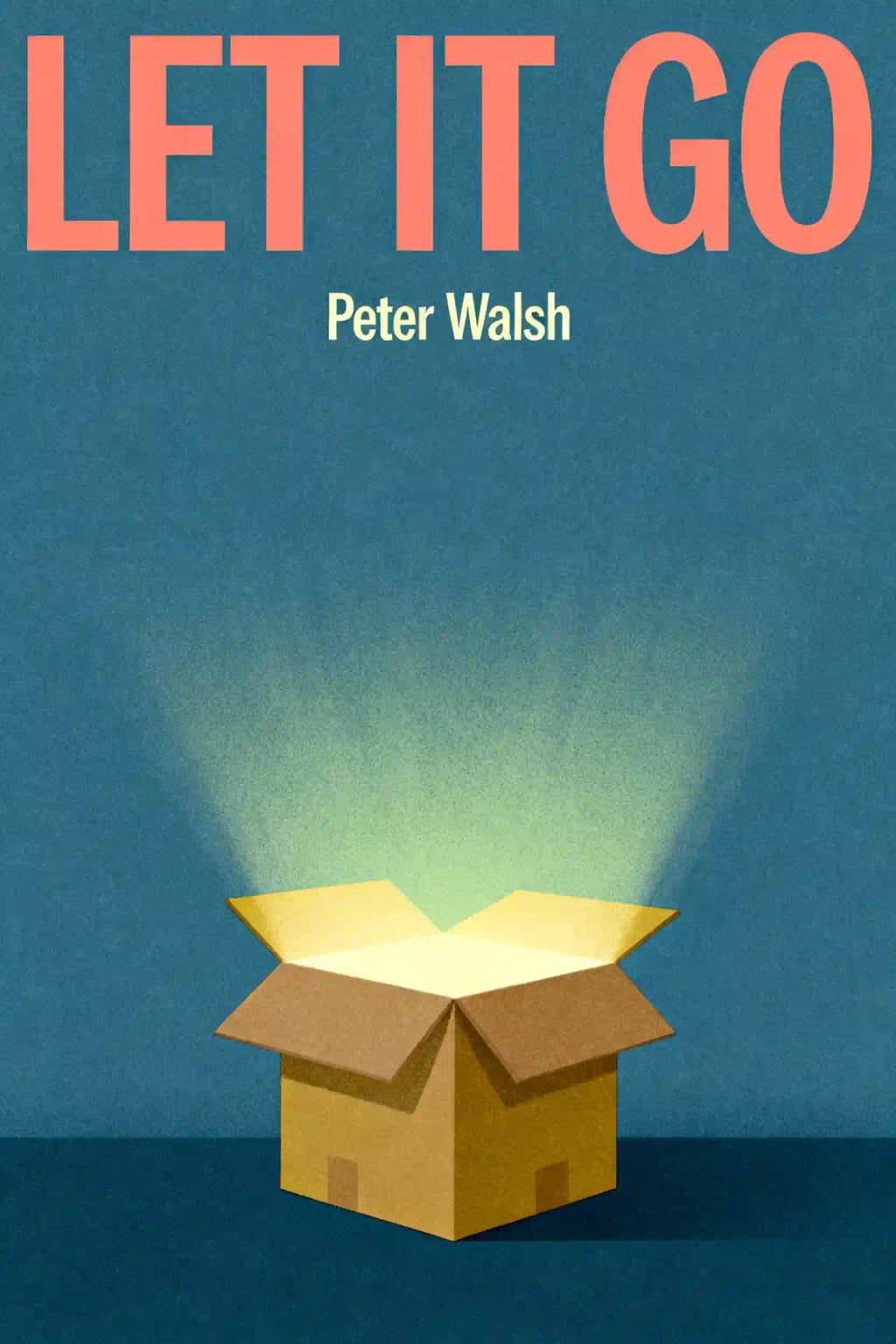
Let It Go
Downsizing Your Way to a Richer, More Rewarding Life
Overview of Let It Go
"Let It Go" transforms downsizing into liberation. Peter Walsh, Oprah's organization guru, reveals why clutter isn't just physical - it's emotional. With an 8/10 rating from psychiatric experts, this bestselling guide promises the paradoxical truth: owning less creates a richer, happier life.

Key Themes in Let It Go
- emotional downsizing
- legacy management
- material attachment
- clutter psychology
- conscious consumption
Quotes from Let It Go
prized family heirlooms have turned into junk.
Downsizing isn't merely about dealing with stuff; it's about addressing the emotions tied to possessions.
When everything is important, nothing is important.
Holding onto all your possessions might leave no room for new memories.
Characters in Let It Go
- Peter WalshAuthor and decluttering expert
- Dr. David EkerdtResearcher who coined the 'material convoy' term
- Sam GoslingPsychologist who explains home-identity links
About the Author
About the Author of Let It Go
Peter Walsh, Australian-American organizing expert and bestselling author of Let It Go: Downsizing Your Way to a Richer, Happier Life, has spent decades guiding individuals toward clutter-free living.
A former educational psychologist and corporate consultant for Fortune 500 companies, Walsh transitioned to prominence through his relatable approach to decluttering on TLC’s Clean Sweep and The Oprah Winfrey Show.
His books, including It’s All Too Much and Lose the Clutter, Lose the Weight, blend practical strategies with psychological insights, reflecting his belief that physical spaces shape emotional well-being.
Walsh’s media empire spans TV programs like OWN’s Enough Already!, regular appearances on The Rachael Ray Show, and partnerships with brands like OfficeMax. Born in rural Victoria and now based in Los Angeles, he merges Australian pragmatism with American self-help traditions.
His works have become essential resources for minimalist living, with Let It Go praised for its compassionate roadmap to downsizing during life transitions.
Download Summary of Let It Go
Get the Let It Go summary as a free PDF or EPUB. Print it or read offline anytime.
FAQs About This Book
Let It Go by Peter Walsh is a guide to downsizing possessions and embracing a clutter-free lifestyle, particularly for those navigating life transitions like retirement, empty nesting, or estate management. Walsh blends practical decluttering strategies with emotional insights, helping readers release sentimental attachments, resolve family conflicts over heirlooms, and create living spaces that align with their current priorities.
This book is ideal for baby boomers downsizing homes, adult children managing parental estates, couples blending households, or anyone feeling overwhelmed by clutter. Walsh’s actionable advice and empathetic tone resonate with those seeking freedom from material burdens to prioritize relationships and personal growth.
Yes—the book offers a unique mix of tactical steps (like calculating how much to keep) and psychological tools to address guilt, legacy fears, or sibling disputes. Real-life stories and self-assessment quizzes make it a relatable resource for transforming downsizing into a rejuvenating experience.
Walsh advises creating a hierarchy of mementos, focusing on items that actively bring joy or represent core memories. He emphasizes preserving legacy through stories rather than physical objects and involving family early to avoid conflicts over heirlooms.
- Define your new lifestyle: Align possessions with current goals, not past identities.
- Set quantifiable limits: Calculate storage space in your next home.
- Collaborate with family: Use “memory sessions” to share stories before dividing items.
- Prioritize ambience: Curate items that enhance your daily environment.
Walsh encourages transparent conversations about emotional attachments and fair distribution of heirlooms. He suggests using third-party mediators for volatile disputes and focusing on shared goals (e.g., honoring a parent’s wishes) to reduce tension.
The term describes possessions accumulated over decades that no longer serve a purpose. Walsh argues this convoy often blocks personal growth, urging readers to reassess items’ emotional weight versus practical value to avoid clinging to outdated identities.
Yes—Walsh advises documenting inherited items’ stories, photographing pieces you can’t keep, and donating unneeded heirlooms to historical societies or charities. He stresses that preserving memories matters more than storing physical objects.
Walsh identifies possessions as symbols of unmet aspirations (e.g., unread books), unresolved grief, or fear of irrelevance. The book provides exercises to separate self-worth from belongings, helping readers release guilt associated with letting go.
Walsh suggests measuring your future space and allocating percentages to categories (e.g., 30% kitchenware, 20% memorabilia). He recommends a “12-month rule”: discard unused items and limit keepsakes to one container per family member.
- Downsizing is a proactive choice for emotional freedom, not a loss.
- Clutter often reflects unresolved life transitions.
- Shared storytelling eases family tension over heirlooms.
- Curating your environment directly impacts mental well-being.
Walsh uniquely focuses on late-life transitions, blending organizational tactics with therapeutic techniques for legacy planning. Unlike minimalist guides, he validates the complexity of parting with generational treasures while offering compassionate, multi-generational solutions.