

Overview of When Markets Collide
Named "Book of the Year" by The Economist, El-Erian's prescient masterpiece predicted global economic shifts, introducing the "New Normal" concept that reshaped investment strategies worldwide. This Financial Times award-winner became Wall Street's essential playbook during economic upheaval - what hidden market collision is next?
- Global growth realignments demand rebalancing portfolios toward emerging market equities
- Structured finance innovation reduces barriers but amplifies systemic risk in interconnected markets
- Wealth transfer from debtor to creditor nations reshapes investment flows and asset prices
- Inflation resurgence requires hedging strategies beyond traditional bond-heavy allocations
- US-centric portfolios face headwinds as emerging economies gain global economic influence
- Frontier market infrastructure investments offer exposure to next-wave growth opportunities
- Corporate risk management must evolve beyond historical models to address new volatility sources
- Sovereign wealth funds and central banks now drive liquidity patterns in global markets
- Differentiated emerging market strategies outperform broad indices due to regional divergence
- Derivative market complexity creates mispricing opportunities for sophisticated institutional investors
- Middle-office operational resilience becomes critical in managing cross-border investment risks
- Portfolio construction must account for non-linear market shocks in decoupled economies
About the Author of When Markets Collide
Mohamed A. El-Erian, an Egyptian-American economist and New York Times bestselling author of When Markets Collide: Investment Strategies for the Age of Global Economic Change, is a leading voice on global finance and macroeconomic trends. Drawing on his tenure as CEO of PIMCO, his 15-year career at the International Monetary Fund, and advisory roles for institutions like the U.S. Treasury and the Obama administration, El-Erian unpacks market instability and systemic risks in this financial strategy classic. The book, which won the Financial Times/Goldman Sachs Business Book of the Year, reflects his expertise in emerging markets and crisis management.
A Cambridge-educated scholar and President of Queens’ College, El-Erian has authored six influential books, including The Only Game in Town: Central Banks, Instability, and Avoiding the Next Collapse and Permacrisis: A Plan to Fix a Fractured World (co-written with Gordon Brown).
His insights resonate through his Bloomberg Opinion column, Financial Times contributions, and frequent appearances on major media platforms. Recognized among Foreign Policy’s “Top 100 Global Thinkers” for four consecutive years, El-Erian’s work has shaped investment strategies for institutions and policymakers worldwide. When Markets Collide remains a cornerstone text for understanding 21st-century financial systems, translated into multiple languages and cited as a critical resource in economic literature.
FAQs About When Markets Collide
What is When Markets Collide about?
When Markets Collide analyzes seismic shifts in global economics, where emerging markets challenge established financial systems. Mohamed El-Erian explains how investors can navigate this "new normal" by recognizing structural changes, managing risks, and capitalizing on opportunities in evolving asset classes. The book won the Financial Times/Goldman Sachs Business Book of the Year and became a New York Times bestseller.
Who should read When Markets Collide?
The book targets institutional investors, policymakers, and finance professionals seeking strategies for global market volatility. It also suits individual investors interested in macroeconomic trends and students studying international economics. El-Erian’s actionable frameworks help readers adapt portfolios to systemic shifts, such as the rise of sovereign wealth funds and commodity-driven economies.
Is When Markets Collide worth reading?
Yes—it’s a seminal work for understanding 21st-century financial markets. Praised for its prescient insights, it offers a blueprint for managing risks during economic transitions. Critics note some examples feel dated, but its core principles on diversification and structural analysis remain relevant for long-term investors.
What are the key concepts in When Markets Collide?
- Market collisions: Clashes between emerging and established economies reshaping capital flows.
- The "new normal": A term El-Erian popularized, describing prolonged low growth and heightened volatility in developed nations.
- Hand-offs: Transitions in global economic influence, such as commodity exporters gaining financial power.
What frameworks does El-Erian propose in When Markets Collide?
- Investor action plans: Diversify into undervalued assets (e.g., infrastructure, emerging-market debt) and avoid overreliance on traditional benchmarks.
- Policy recommendations: Encourage fiscal discipline, improve global financial governance, and address imbalances in trade and capital.
- Risk management: Stress-test portfolios for liquidity shocks and geopolitical disruptions.
How does When Markets Collide apply to modern investing?
El-Erian’s emphasis on emerging markets, commodities, and alternative assets aligns with today’s focus on decarbonization and AI-driven sectors. His warnings about debt sustainability and central bank policies remain critical amid 2025’s inflationary pressures.
What critiques exist about When Markets Collide?
Some argue the book’s institutional focus limits utility for retail investors. Others note its 2008 examples (e.g., subprime crises) lack updates on post-pandemic supply-chain shifts or cryptocurrency markets.
How does When Markets Collide compare to other economics books?
Unlike narrative-driven works (e.g., The Big Short), El-Erian blends academic rigor with practitioner insights, akin to Ray Dalio’s Principles. It’s more technical than general-audience books but less granular than textbooks.
What is Mohamed El-Erian’s background?
El-Erian led PIMCO and Harvard’s endowment, advised Allianz and the Obama administration, and holds a PhD from Oxford. His IMF and Citigroup experience underpins the book’s authority on global macro trends.
Why is When Markets Collide relevant in 2025?
Its lessons on adapting to economic power shifts apply to current trends: deglobalization, AI disruption, and climate investing. El-Erian’s "new normal" concept echoes in today’s permacrisis dialogue.
Are there actionable takeaways for individual investors?
Yes:
- Allocate to emerging markets and real assets.
- Avoid herd behavior in overvalued sectors.
- Monitor policy shifts (e.g., tariffs, interest rates) for portfolio adjustments.
What quotes summarize When Markets Collide’s message?
While direct quotes aren’t cited in sources, key themes include:
- “The world is undergoing a transformational realignment.”
- “Success requires unlearning outdated models.”
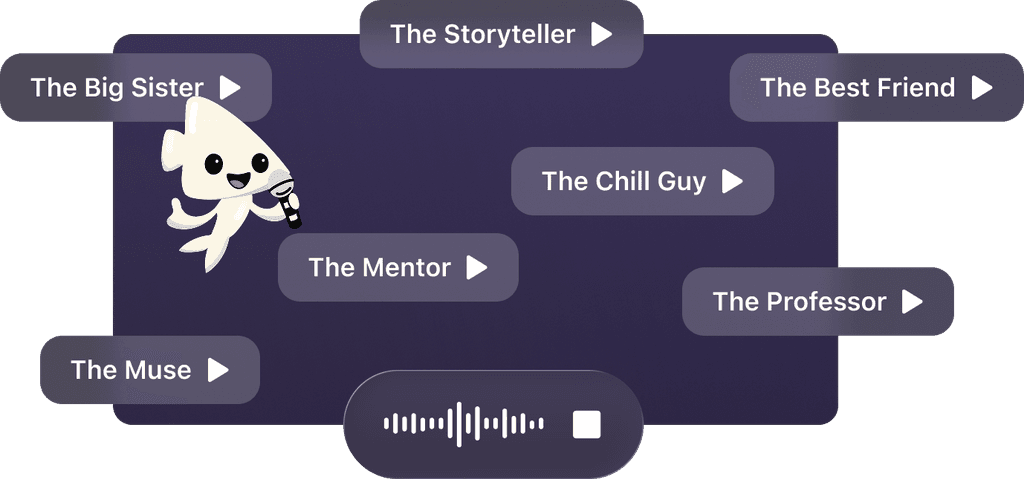
Feel the book through the author's voice
Turn knowledge into engaging, example-rich insights
Capture key ideas in a flash for fast learning
Enjoy the book in a fun and engaging way
Characters in When Markets Collide
- Mohamed El-ErianAuthor and expert in policy and investment
- Alan GreenspanFormer official who identified market conundrums
Key Themes in When Markets Collide
- global economic realignment
- market signal analysis
- secular transformation
- systemic financial vulnerability
- emerging market influence
Quotes from When Markets Collide
Traditional economic models are proving increasingly inadequate.
Emerging economies becoming independent growth engines.
Be open to both cyclical and secular influences.
The collision between yesterday's markets and tomorrow's reality creates a bumpy journey.
Explore Your Way of Learning
 Quick Summary Mode
Read or listen to When Markets Collide Summary in 9 Minutes
Break down key ideas from When Markets Collide into bite-sized takeaways to understand how innovative teams create, collaborate, and grow.

 Fun Mode
When Markets Collide Lessons Told Through 25-Min Stories
Experience When Markets Collide through vivid storytelling that turns innovation lessons into moments you'll remember and apply.
 Personalize Mode
Experience When Markets Collide in your own learning style
Ask anything, choose your learning style, and co-create insights that truly resonate with you.
From Columbia University alumni built in San Francisco
"Instead of endless scrolling, I just hit play on BeFreed. It saves me so much time."


"I never knew where to start with nonfiction—BeFreed’s book lists turned into podcasts gave me a clear path."


"Perfect balance between learning and entertainment. Finished ‘Thinking, Fast and Slow’ on my commute this week."
"Crazy how much I learned while walking the dog. BeFreed = small habits → big gains."
"Reading used to feel like a chore. Now it’s just part of my lifestyle."

"Feels effortless compared to reading. I’ve finished 6 books this month already."
"BeFreed turned my guilty doomscrolling into something that feels productive and inspiring."

"BeFreed turned my commute into learning time. 20-min podcasts are perfect for finishing books I never had time for."
"BeFreed replaced my podcast queue. Imagine Spotify for books — that’s it. 🙌"

"It is great for me to learn something from the book without reading it."
"The themed book list podcasts help me connect ideas across authors—like a guided audio journey."
"Makes me feel smarter every time before going to work"
From Columbia University alumni built in San Francisco
"Instead of endless scrolling, I just hit play on BeFreed. It saves me so much time."
"I never knew where to start with nonfiction—BeFreed’s book lists turned into podcasts gave me a clear path."
"Perfect balance between learning and entertainment. Finished ‘Thinking, Fast and Slow’ on my commute this week."
"Crazy how much I learned while walking the dog. BeFreed = small habits → big gains."
"Reading used to feel like a chore. Now it’s just part of my lifestyle."
"Feels effortless compared to reading. I’ve finished 6 books this month already."
"BeFreed turned my guilty doomscrolling into something that feels productive and inspiring."
"BeFreed turned my commute into learning time. 20-min podcasts are perfect for finishing books I never had time for."
"BeFreed replaced my podcast queue. Imagine Spotify for books — that’s it. 🙌"
"It is great for me to learn something from the book without reading it."
"The themed book list podcasts help me connect ideas across authors—like a guided audio journey."
"Makes me feel smarter every time before going to work"
"Instead of endless scrolling, I just hit play on BeFreed. It saves me so much time."
"I never knew where to start with nonfiction—BeFreed’s book lists turned into podcasts gave me a clear path."
"Perfect balance between learning and entertainment. Finished ‘Thinking, Fast and Slow’ on my commute this week."
"Crazy how much I learned while walking the dog. BeFreed = small habits → big gains."
"Reading used to feel like a chore. Now it’s just part of my lifestyle."
"Feels effortless compared to reading. I’ve finished 6 books this month already."
"BeFreed turned my guilty doomscrolling into something that feels productive and inspiring."
"BeFreed turned my commute into learning time. 20-min podcasts are perfect for finishing books I never had time for."
"BeFreed replaced my podcast queue. Imagine Spotify for books — that’s it. 🙌"
"It is great for me to learn something from the book without reading it."
"The themed book list podcasts help me connect ideas across authors—like a guided audio journey."
"Makes me feel smarter every time before going to work"
"Instead of endless scrolling, I just hit play on BeFreed. It saves me so much time."
"I never knew where to start with nonfiction—BeFreed’s book lists turned into podcasts gave me a clear path."
"Perfect balance between learning and entertainment. Finished ‘Thinking, Fast and Slow’ on my commute this week."
"Crazy how much I learned while walking the dog. BeFreed = small habits → big gains."
"Reading used to feel like a chore. Now it’s just part of my lifestyle."
"Feels effortless compared to reading. I’ve finished 6 books this month already."
"BeFreed turned my guilty doomscrolling into something that feels productive and inspiring."
"BeFreed turned my commute into learning time. 20-min podcasts are perfect for finishing books I never had time for."
"BeFreed replaced my podcast queue. Imagine Spotify for books — that’s it. 🙌"
"It is great for me to learn something from the book without reading it."
"The themed book list podcasts help me connect ideas across authors—like a guided audio journey."
"Makes me feel smarter every time before going to work"

Download Summary of When Markets Collide
Get the When Markets Collide summary as a free PDF or EPUB. Print it or read offline anytime.


