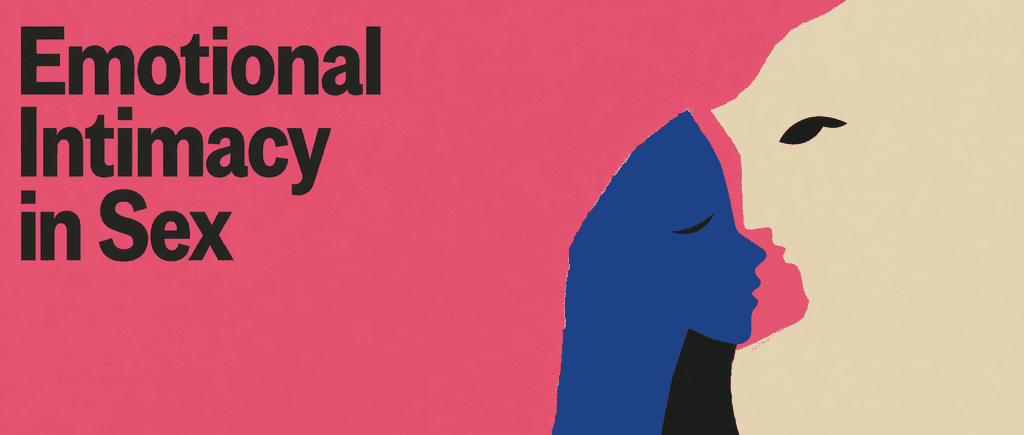
The Vulnerability Blueprint: Mastering Emotional Intimacy
Explore why 'emotional nakedness' is the oxygen of deep connection and learn practical strategies to lower your defenses and build a profound, wholehearted partnership.

Mejor cita de The Vulnerability Blueprint: Mastering Emotional Intimacy
Vulnerability isn't about being fearless; it’s about having the courage to show up when you can't control the outcome. It is the oxygen of intimacy and the only way to turn a superficial bond into something profound.
Generated by Tiba
Vulnerability in intimacy

Preguntas frecuentes
Vulnerability feels dangerous because of a psychological paradox: the "emotional nakedness" required for deep intimacy often conflicts with our survival instincts. Many people carry an "emotional armor" or a "survival blueprint" developed in childhood, especially if they experienced emotional neglect. In those environments, showing raw needs led to pain or rejection rather than comfort, so the brain learned to associate being "seen" with being judged. As adults, this manifests as a "hope and dread" cycle where we want closeness but fear that revealing our true selves will lead to isolation.
The script highlights a "common trap" where people use the phrase "I feel like..." to launch an attack rather than share a feeling. For example, saying "I feel like you don't care" is actually an opinion or a judgment, which causes a partner to "armor up" and defend themselves. A true vulnerable feeling is a "tender emotion" found beneath the judgment, such as sadness, fear, or loneliness. Shifting from an accusation to a statement like "I feel abandoned" serves as an invitation for a partner to see your pain rather than a list of their failures.
The "Vulnerability Dial" is a concept used to manage the pace of opening up, suggesting that vulnerability should be a gradual process rather than an "on-off switch." Instead of oversharing or "emotional dumping" immediately, individuals should start with small disclosures to test the waters of safety. If a partner meets a small vulnerability with empathy and kindness, the dial can be turned up. This approach emphasizes the importance of boundaries, ensuring that you only share your deepest stories with those who have earned the right to hear them through consistent trust and validation.
High-performers often wear a "mask of strength" and a "culture of stoicism" that views emotion as a liability. While this may serve them in business, it creates a "wall of isolation" at home, leading to burnout and professional loneliness. By practicing vulnerability, leaders can transform their homes into a "sanctuary" where they don't have to be the authority figure. Admitting doubts or needs doesn't diminish their respect; instead, it humanizes them and gives their partner a "purpose" to provide support, which ultimately builds the resilience needed to lead effectively.
"Sliding door moments" are the small, seemingly inconsequential daily interactions where partners choose to either "turn toward" or "turn away" from each other. Trust is not built through grand gestures but through these thousands of tiny moments, such as listening to a small worry over breakfast or offering a six-second kiss. When a partner shares a vulnerability and is met with "the power of witnessing"—simple validation and presence—it creates a foundation of safety. Over time, consistently turning toward these moments makes a relationship resilient against the stresses of life.
Creado por exalumnos de la Universidad de Columbia en San Francisco
"Instead of endless scrolling, I just hit play on BeFreed. It saves me so much time."


"I never knew where to start with nonfiction—BeFreed’s book lists turned into podcasts gave me a clear path."


"Perfect balance between learning and entertainment. Finished ‘Thinking, Fast and Slow’ on my commute this week."
"Crazy how much I learned while walking the dog. BeFreed = small habits → big gains."
"Reading used to feel like a chore. Now it’s just part of my lifestyle."

"Feels effortless compared to reading. I’ve finished 6 books this month already."
"BeFreed turned my guilty doomscrolling into something that feels productive and inspiring."

"BeFreed turned my commute into learning time. 20-min podcasts are perfect for finishing books I never had time for."
"BeFreed replaced my podcast queue. Imagine Spotify for books — that’s it. 🙌"

"It is great for me to learn something from the book without reading it."
"The themed book list podcasts help me connect ideas across authors—like a guided audio journey."
"Makes me feel smarter every time before going to work"
Creado por exalumnos de la Universidad de Columbia en San Francisco
"Instead of endless scrolling, I just hit play on BeFreed. It saves me so much time."
"I never knew where to start with nonfiction—BeFreed’s book lists turned into podcasts gave me a clear path."
"Perfect balance between learning and entertainment. Finished ‘Thinking, Fast and Slow’ on my commute this week."
"Crazy how much I learned while walking the dog. BeFreed = small habits → big gains."
"Reading used to feel like a chore. Now it’s just part of my lifestyle."
"Feels effortless compared to reading. I’ve finished 6 books this month already."
"BeFreed turned my guilty doomscrolling into something that feels productive and inspiring."
"BeFreed turned my commute into learning time. 20-min podcasts are perfect for finishing books I never had time for."
"BeFreed replaced my podcast queue. Imagine Spotify for books — that’s it. 🙌"
"It is great for me to learn something from the book without reading it."
"The themed book list podcasts help me connect ideas across authors—like a guided audio journey."
"Makes me feel smarter every time before going to work"
"Instead of endless scrolling, I just hit play on BeFreed. It saves me so much time."
"I never knew where to start with nonfiction—BeFreed’s book lists turned into podcasts gave me a clear path."
"Perfect balance between learning and entertainment. Finished ‘Thinking, Fast and Slow’ on my commute this week."
"Crazy how much I learned while walking the dog. BeFreed = small habits → big gains."
"Reading used to feel like a chore. Now it’s just part of my lifestyle."
"Feels effortless compared to reading. I’ve finished 6 books this month already."
"BeFreed turned my guilty doomscrolling into something that feels productive and inspiring."
"BeFreed turned my commute into learning time. 20-min podcasts are perfect for finishing books I never had time for."
"BeFreed replaced my podcast queue. Imagine Spotify for books — that’s it. 🙌"
"It is great for me to learn something from the book without reading it."
"The themed book list podcasts help me connect ideas across authors—like a guided audio journey."
"Makes me feel smarter every time before going to work"
"Instead of endless scrolling, I just hit play on BeFreed. It saves me so much time."
"I never knew where to start with nonfiction—BeFreed’s book lists turned into podcasts gave me a clear path."
"Perfect balance between learning and entertainment. Finished ‘Thinking, Fast and Slow’ on my commute this week."
"Crazy how much I learned while walking the dog. BeFreed = small habits → big gains."
"Reading used to feel like a chore. Now it’s just part of my lifestyle."
"Feels effortless compared to reading. I’ve finished 6 books this month already."
"BeFreed turned my guilty doomscrolling into something that feels productive and inspiring."
"BeFreed turned my commute into learning time. 20-min podcasts are perfect for finishing books I never had time for."
"BeFreed replaced my podcast queue. Imagine Spotify for books — that’s it. 🙌"
"It is great for me to learn something from the book without reading it."
"The themed book list podcasts help me connect ideas across authors—like a guided audio journey."
"Makes me feel smarter every time before going to work"