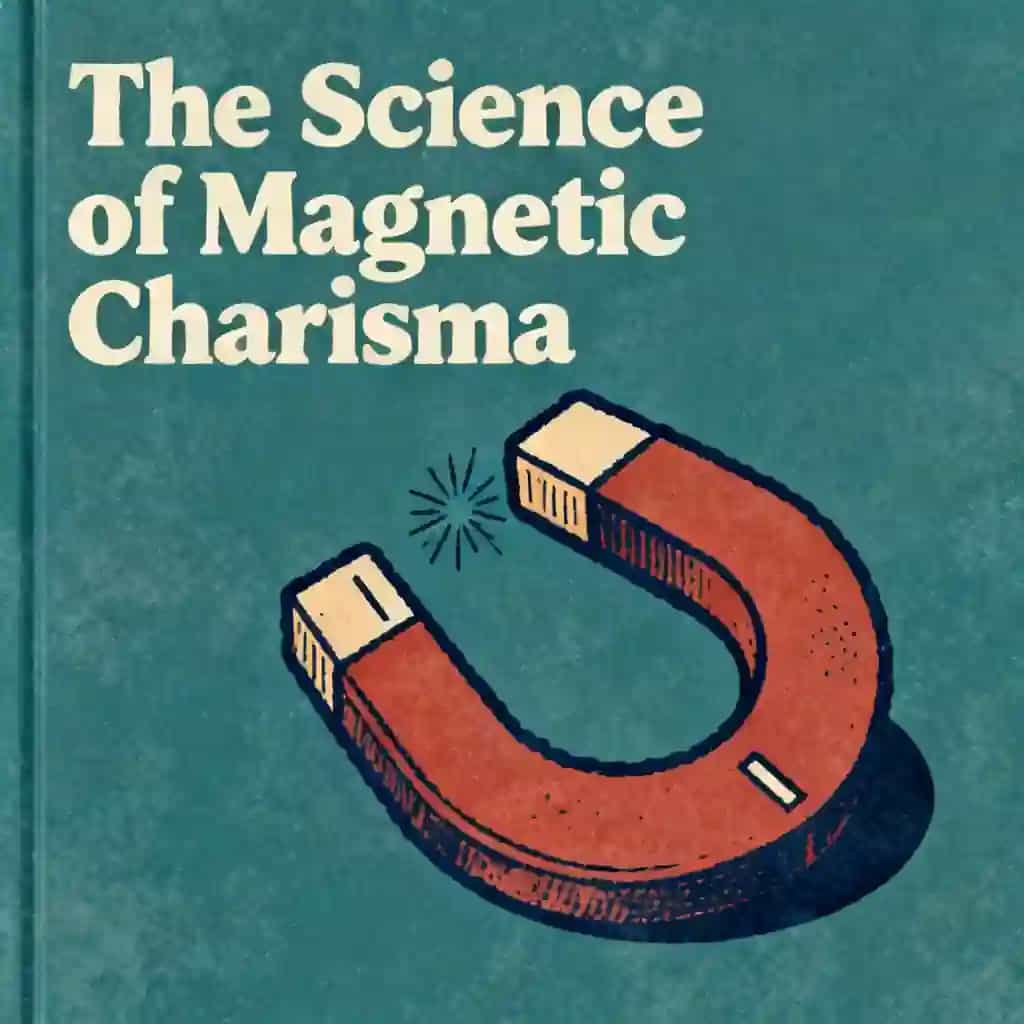
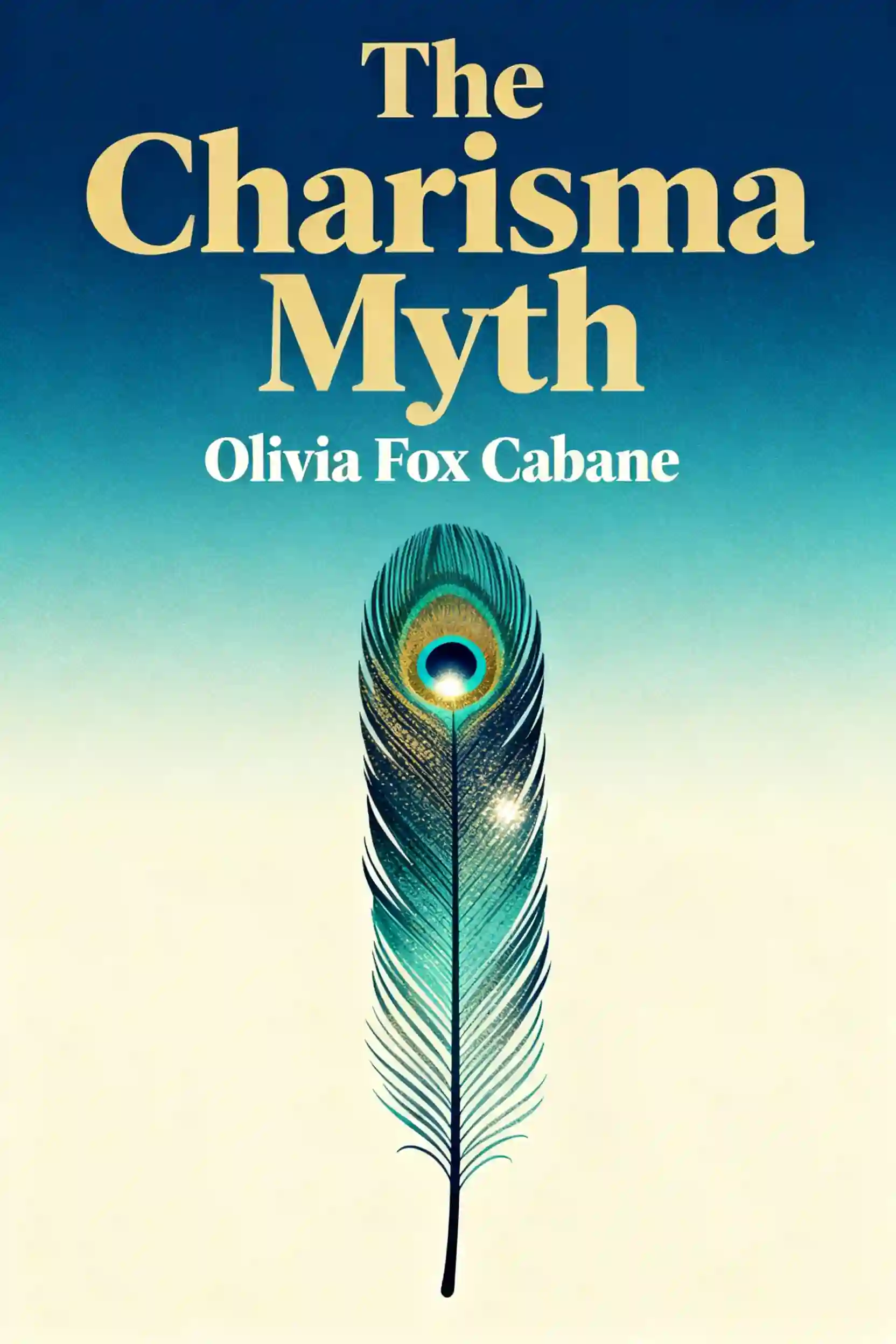
The Science of Magnetic Presence
Discover how to master the art of charisma through a practical blend of presence, warmth, and confidence. Learn to transform your social influence by making others feel valued while building your own inner game.

Mejor cita de The Science of Magnetic Presence
The real secret is that charisma is less about you and more about how you make others feel. It is a balance of three specific psychological signals: Presence, Power, and Warmth.
Generated by Anna
How have charisma?

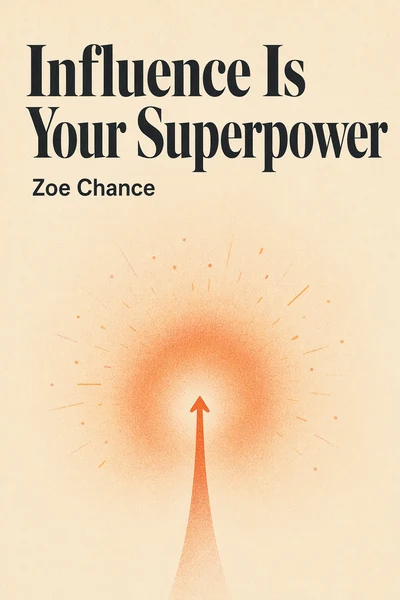
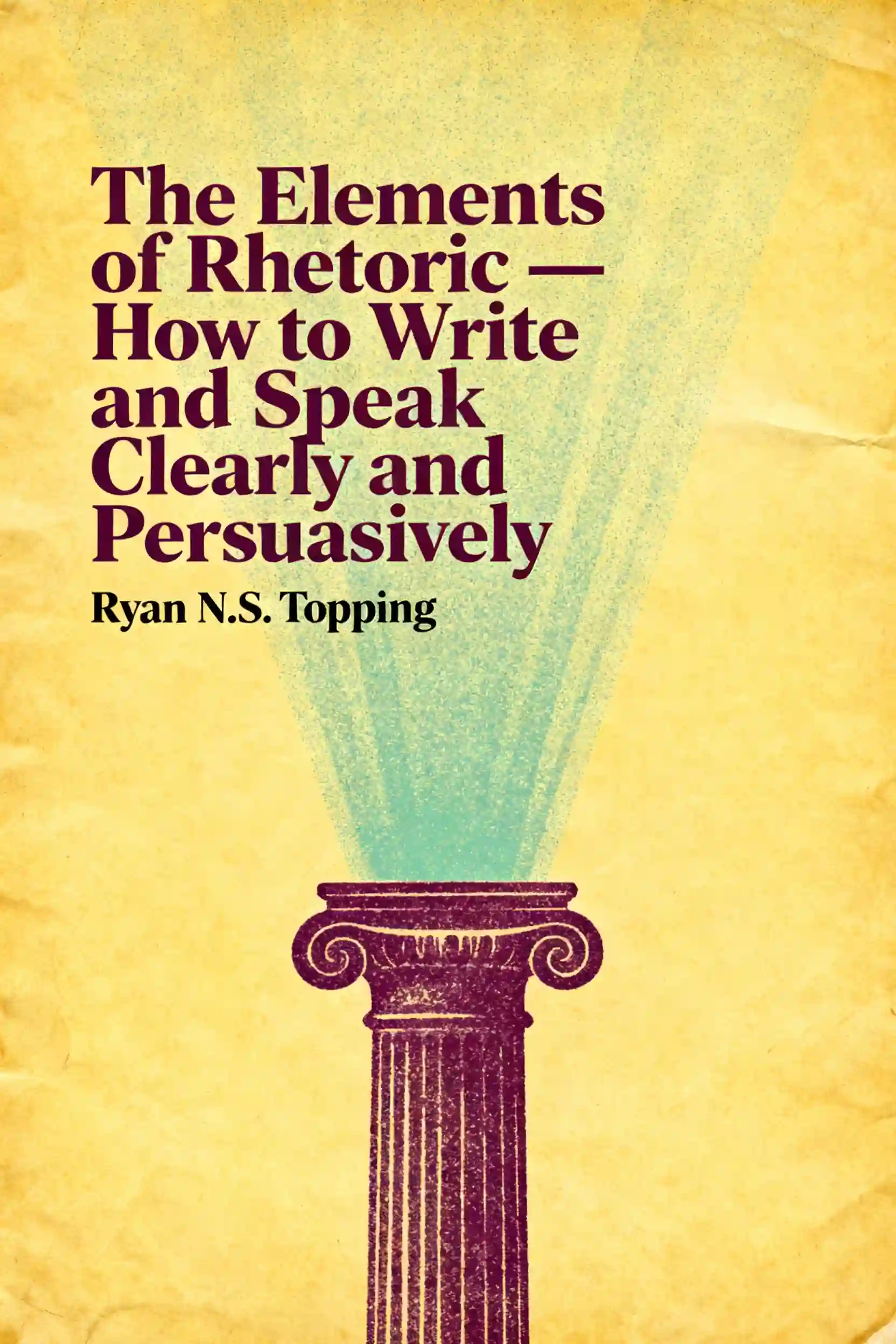
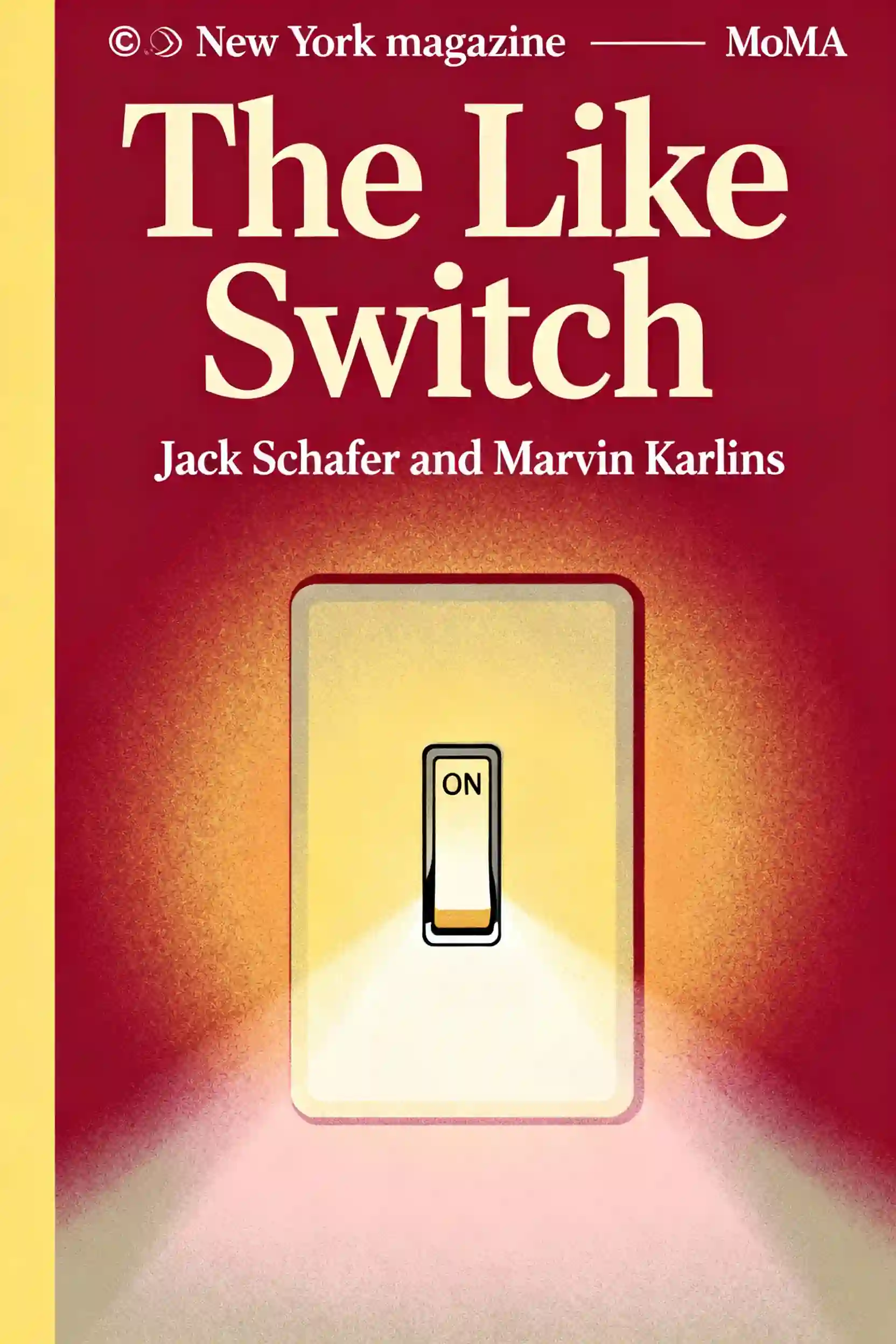
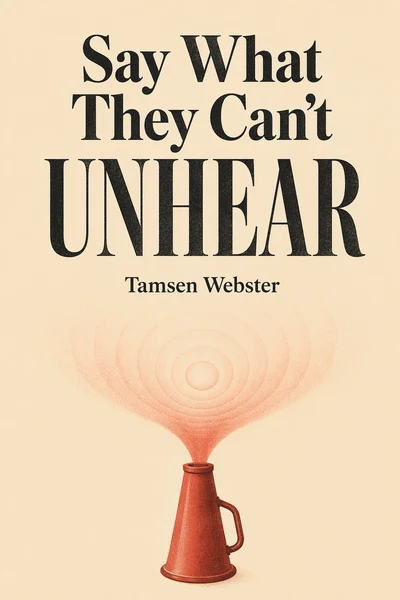
Preguntas frecuentes
Charisma is built upon a triad of Presence, Power, and Warmth. Presence is the foundation, requiring you to be fully engaged and mindful in the moment so that the person you are with feels heard and important. Power is the perception of your ability to affect the world, often signaled through expertise, confidence, and posture. Warmth is the projection of goodwill and empathy, which signals that you will use your power for the benefit of others rather than against them.
To sound more charismatic, you should adopt a measured speaking pace and embrace strategic pauses, which signal that you are comfortable and that your words have weight. It is important to speak from the diaphragm to create resonance and to use a downward inflection at the end of sentences to sound declarative. Avoiding "uptalk"—the tendency to end sentences with a rising pitch—prevents you from sounding like you are constantly seeking approval and helps maintain your "Power" signal.
The Stereotype Content Model suggests that humans judge others based on two universal dimensions: warmth (intentions toward others) and competence (the capability to act on those intentions). True influence lives in the "Admiration" quadrant, where an individual is perceived as being high in both traits. If you lack warmth, you may be seen as a "competent but cold" threat; if you lack competence, you may be viewed as "warm but weak." Balancing these two allows you to be a leader who is both respected and trusted.
Psychologists view charisma as a set of learnable soft skills rather than a supernatural gift. Because charisma is composed of specific behavioral signals—such as body language, vocal dynamics, and active listening techniques—it can be developed through deliberate practice. By using "micro-drills" like power posing, practicing mindfulness to increase presence, and consciously choosing to ask deep questions, anyone can build a more magnetic presence over time.
One of the biggest obstacles to charisma is "trying too hard," which can come across as neediness or a search for validation. Other major detractors include inconsistency—being warm to superiors but cold to service staff—and "status without substance," where a person uses confident body language but lacks the actual expertise to back it up. Additionally, low-status signals like over-apologizing, fidgeting, or "presence-masking" (pretending to listen while thinking of your next point) can quickly undermine your magnetic appeal.
Creado por exalumnos de la Universidad de Columbia en San Francisco
"Instead of endless scrolling, I just hit play on BeFreed. It saves me so much time."


"I never knew where to start with nonfiction—BeFreed’s book lists turned into podcasts gave me a clear path."


"Perfect balance between learning and entertainment. Finished ‘Thinking, Fast and Slow’ on my commute this week."
"Crazy how much I learned while walking the dog. BeFreed = small habits → big gains."
"Reading used to feel like a chore. Now it’s just part of my lifestyle."

"Feels effortless compared to reading. I’ve finished 6 books this month already."
"BeFreed turned my guilty doomscrolling into something that feels productive and inspiring."

"BeFreed turned my commute into learning time. 20-min podcasts are perfect for finishing books I never had time for."
"BeFreed replaced my podcast queue. Imagine Spotify for books — that’s it. 🙌"

"It is great for me to learn something from the book without reading it."
"The themed book list podcasts help me connect ideas across authors—like a guided audio journey."
"Makes me feel smarter every time before going to work"
Creado por exalumnos de la Universidad de Columbia en San Francisco
"Instead of endless scrolling, I just hit play on BeFreed. It saves me so much time."
"I never knew where to start with nonfiction—BeFreed’s book lists turned into podcasts gave me a clear path."
"Perfect balance between learning and entertainment. Finished ‘Thinking, Fast and Slow’ on my commute this week."
"Crazy how much I learned while walking the dog. BeFreed = small habits → big gains."
"Reading used to feel like a chore. Now it’s just part of my lifestyle."
"Feels effortless compared to reading. I’ve finished 6 books this month already."
"BeFreed turned my guilty doomscrolling into something that feels productive and inspiring."
"BeFreed turned my commute into learning time. 20-min podcasts are perfect for finishing books I never had time for."
"BeFreed replaced my podcast queue. Imagine Spotify for books — that’s it. 🙌"
"It is great for me to learn something from the book without reading it."
"The themed book list podcasts help me connect ideas across authors—like a guided audio journey."
"Makes me feel smarter every time before going to work"
"Instead of endless scrolling, I just hit play on BeFreed. It saves me so much time."
"I never knew where to start with nonfiction—BeFreed’s book lists turned into podcasts gave me a clear path."
"Perfect balance between learning and entertainment. Finished ‘Thinking, Fast and Slow’ on my commute this week."
"Crazy how much I learned while walking the dog. BeFreed = small habits → big gains."
"Reading used to feel like a chore. Now it’s just part of my lifestyle."
"Feels effortless compared to reading. I’ve finished 6 books this month already."
"BeFreed turned my guilty doomscrolling into something that feels productive and inspiring."
"BeFreed turned my commute into learning time. 20-min podcasts are perfect for finishing books I never had time for."
"BeFreed replaced my podcast queue. Imagine Spotify for books — that’s it. 🙌"
"It is great for me to learn something from the book without reading it."
"The themed book list podcasts help me connect ideas across authors—like a guided audio journey."
"Makes me feel smarter every time before going to work"
"Instead of endless scrolling, I just hit play on BeFreed. It saves me so much time."
"I never knew where to start with nonfiction—BeFreed’s book lists turned into podcasts gave me a clear path."
"Perfect balance between learning and entertainment. Finished ‘Thinking, Fast and Slow’ on my commute this week."
"Crazy how much I learned while walking the dog. BeFreed = small habits → big gains."
"Reading used to feel like a chore. Now it’s just part of my lifestyle."
"Feels effortless compared to reading. I’ve finished 6 books this month already."
"BeFreed turned my guilty doomscrolling into something that feels productive and inspiring."
"BeFreed turned my commute into learning time. 20-min podcasts are perfect for finishing books I never had time for."
"BeFreed replaced my podcast queue. Imagine Spotify for books — that’s it. 🙌"
"It is great for me to learn something from the book without reading it."
"The themed book list podcasts help me connect ideas across authors—like a guided audio journey."
"Makes me feel smarter every time before going to work"