The Science of Letting Go
Discover why heartbreak feels like physical withdrawal and learn evidence-based strategies to rewire your brain, break the chemical bond, and reclaim your future.

Mejor cita de The Science of Letting Go
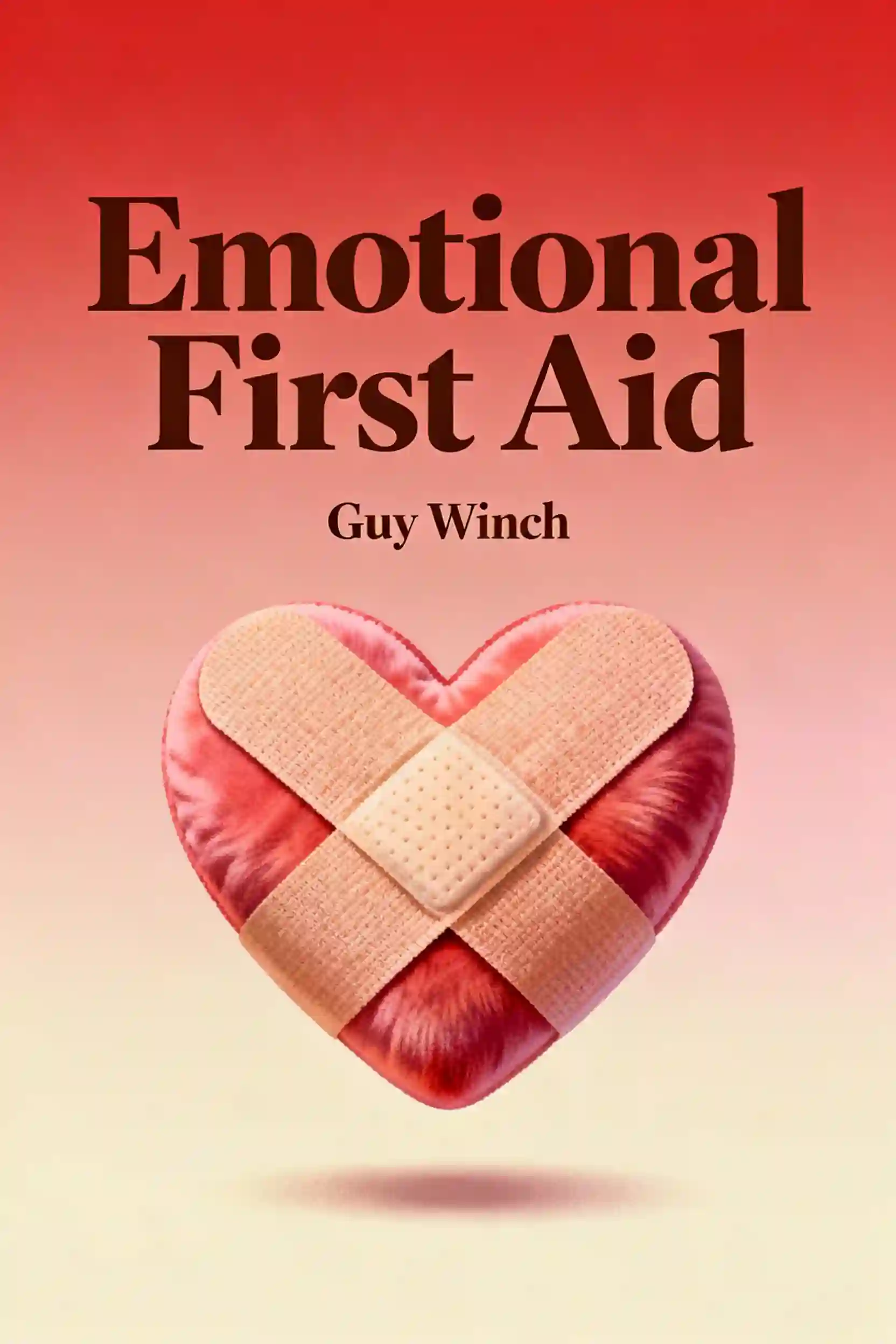
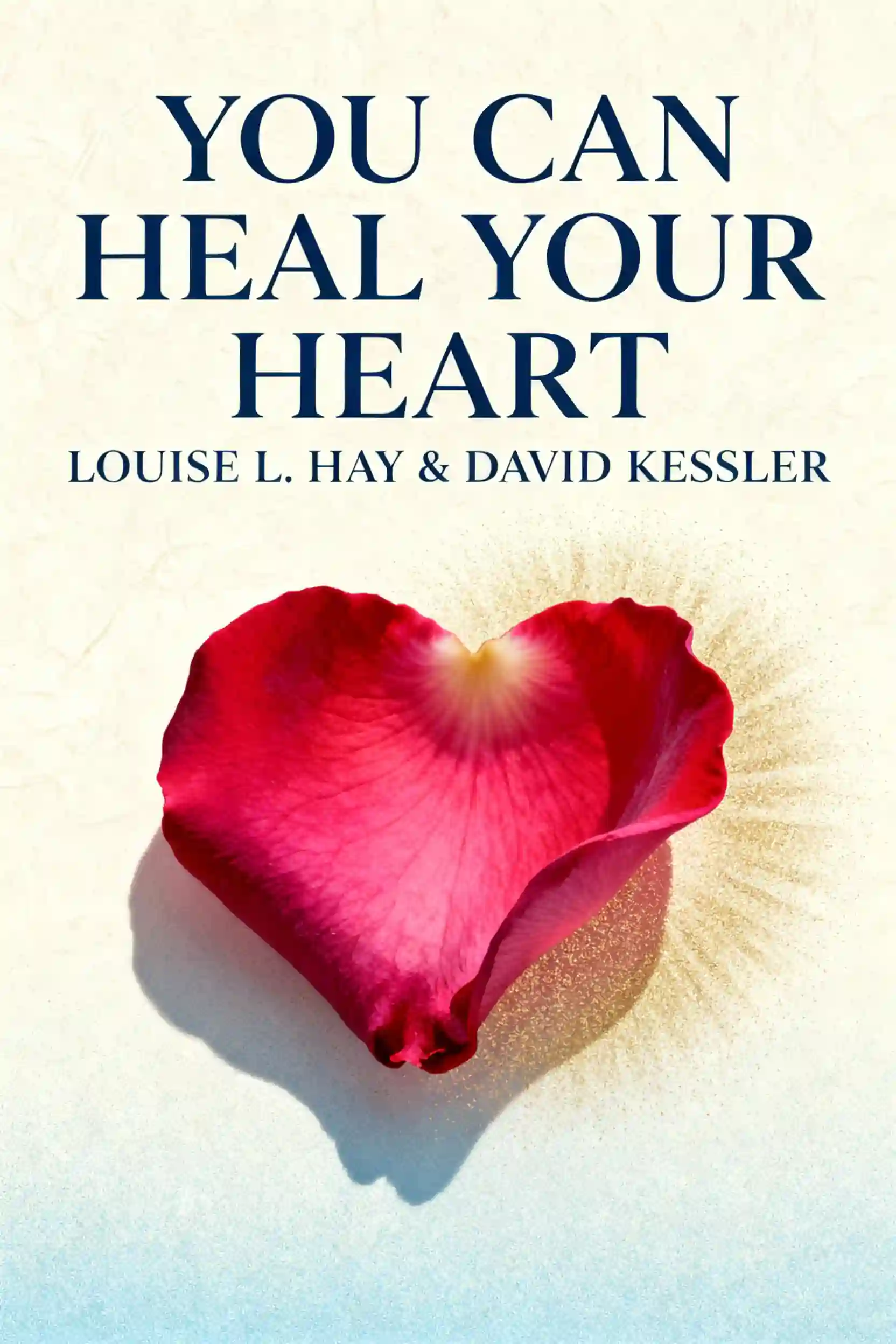
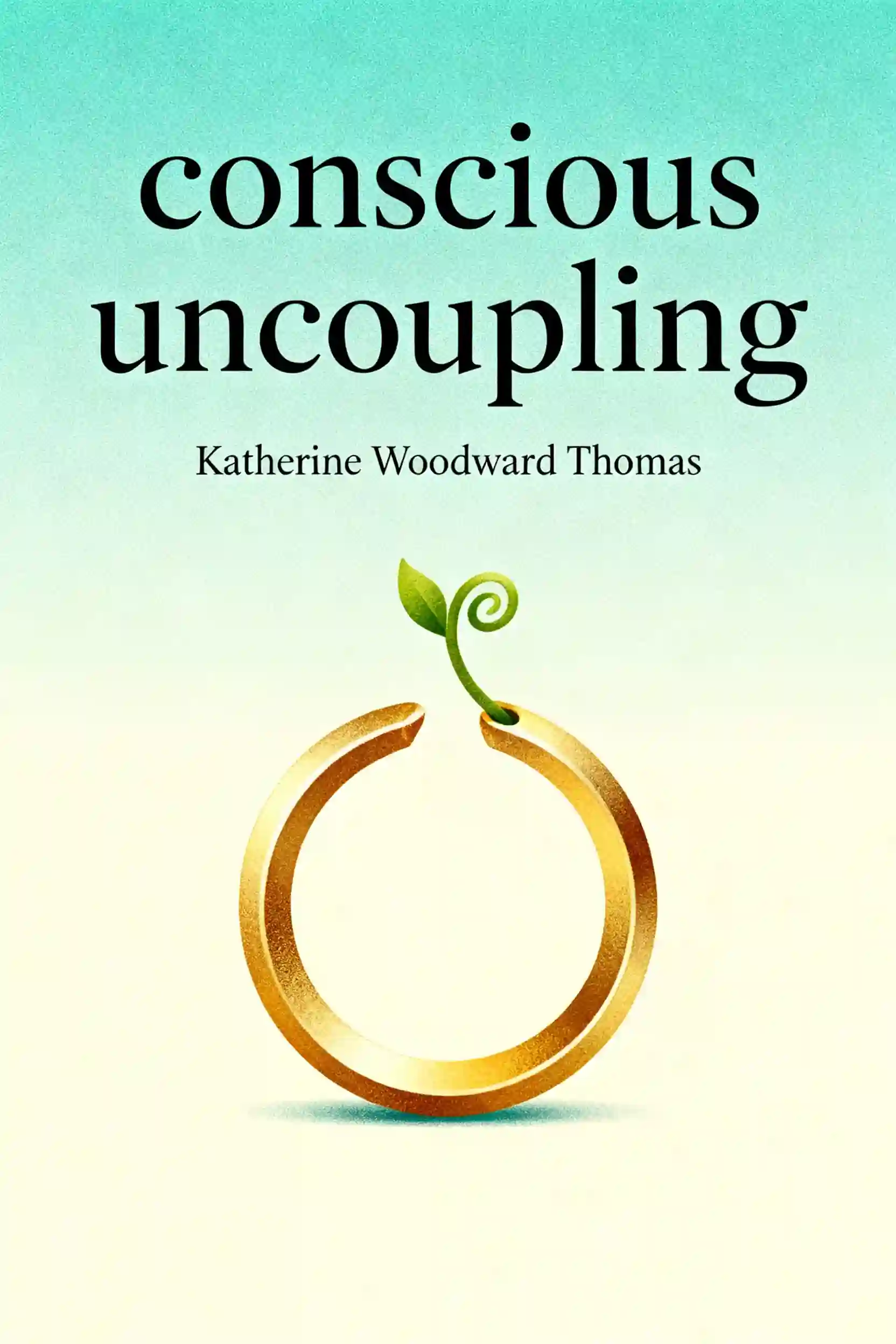
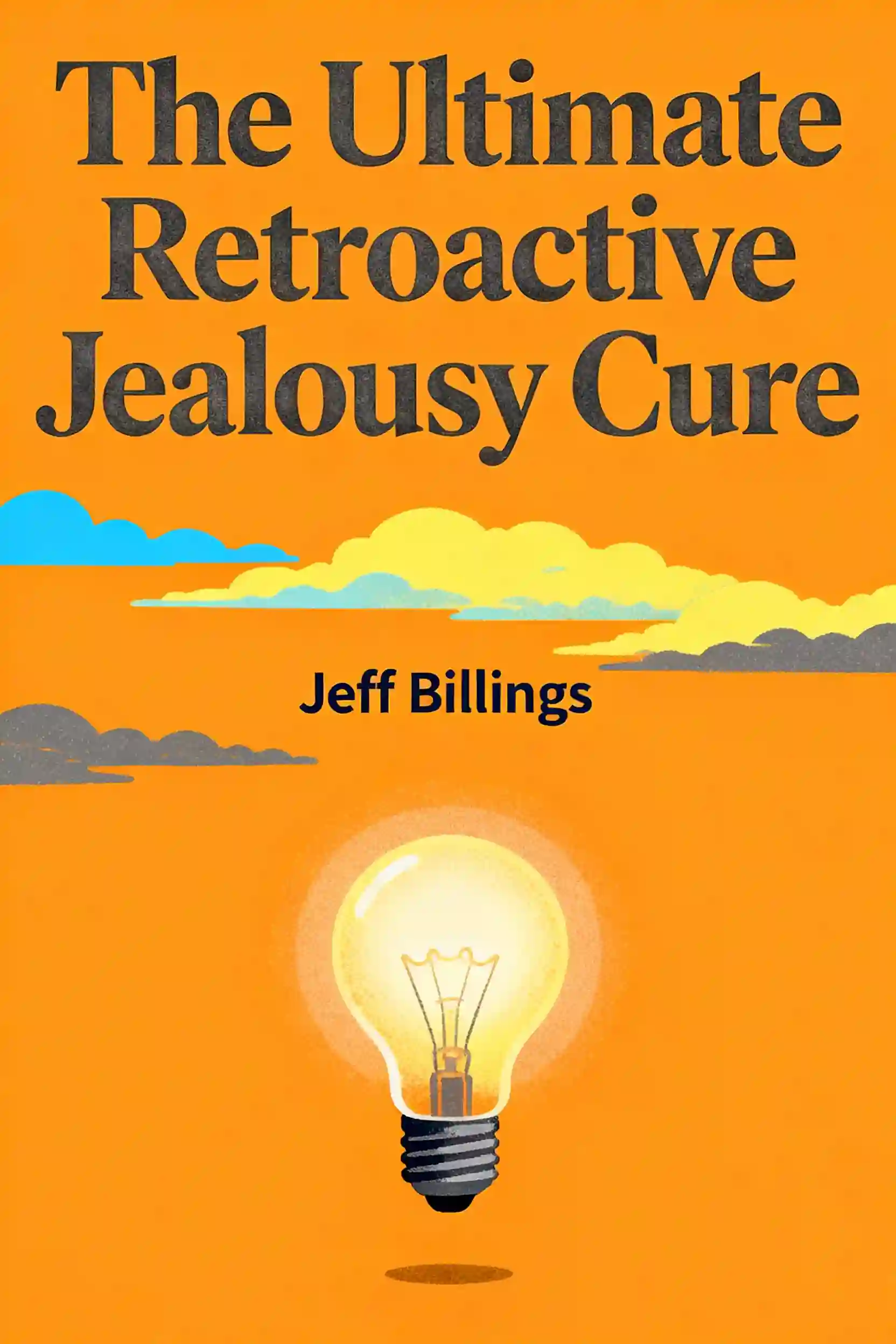
When we say it hurts, we aren’t being dramatic; functional MRI studies show that romantic rejection activates the exact same region of the brain that processes physical pain. Understanding this neurobiology is the first step toward healing because it removes the shame and treats the heartbreak as a real injury rather than a character flaw.
Generated by Freedee_95EEA0B0
How to forget someone

Preguntas frecuentes
This sensation is a biological reality rather than a metaphor. Functional MRI studies show that romantic rejection activates the anterior cingulate cortex, which is the same region of the brain that processes physical injuries like broken bones or burns. Additionally, a breakup triggers a massive stress response where cortisol levels spike, leading to physical symptoms such as a "knot" in the stomach, loss of appetite, and trembling.
Opposite Action is a technique from Dialectical Behavior Therapy (DBT) that involves consciously doing the reverse of what a misguided emotion urges you to do. When you feel a dopamine-driven "craving" to check an ex's social media or send a text, you intentionally move away by putting your phone in another room or going to a new location. This interrupts the "wood on the fire" cycle, preventing you from reinforcing the neural pathways that keep you tethered to the past.
Maintaining no contact allows the brain to recover up to seventy percent faster because it treats the attachment like a chemical addiction. Every time you "check in" or see a photo of an ex, you receive a micro-dose of dopamine that resets the clock on your withdrawal process. By removing these environmental triggers, you give your nervous system the necessary quiet to recalibrate and weaken the old "longing" circuits.
The brain often suffers from "Selective Memory," where it only recalls the "highlight reel" of a relationship while ignoring the friction. By intentionally creating a list of the relationship's negative aspects—such as times a partner was emotionally unavailable—you use "Cognitive Reappraisal" to see the breakup as a necessary step for your well-being. Research shows that the more you focus on reframing the breakup as a positive step for growth, the less likely you are to attempt a reconciliation that isn't right for you.
Self-Reclamation is the process of rebuilding an identity that was previously merged with a partner through "self-expansion." While simply staying busy can be a distraction, true reclamation involves starting new activities, hobbies, or professional goals that are entirely independent of the ex-partner. This creates new, healthy sources of dopamine and signals to the brain through neuroplasticity that you can find reward and identity outside of the previous bond.
Creado por exalumnos de la Universidad de Columbia en San Francisco
"Instead of endless scrolling, I just hit play on BeFreed. It saves me so much time."


"I never knew where to start with nonfiction—BeFreed’s book lists turned into podcasts gave me a clear path."


"Perfect balance between learning and entertainment. Finished ‘Thinking, Fast and Slow’ on my commute this week."
"Crazy how much I learned while walking the dog. BeFreed = small habits → big gains."
"Reading used to feel like a chore. Now it’s just part of my lifestyle."

"Feels effortless compared to reading. I’ve finished 6 books this month already."
"BeFreed turned my guilty doomscrolling into something that feels productive and inspiring."

"BeFreed turned my commute into learning time. 20-min podcasts are perfect for finishing books I never had time for."
"BeFreed replaced my podcast queue. Imagine Spotify for books — that’s it. 🙌"

"It is great for me to learn something from the book without reading it."
"The themed book list podcasts help me connect ideas across authors—like a guided audio journey."
"Makes me feel smarter every time before going to work"
Creado por exalumnos de la Universidad de Columbia en San Francisco
"Instead of endless scrolling, I just hit play on BeFreed. It saves me so much time."
"I never knew where to start with nonfiction—BeFreed’s book lists turned into podcasts gave me a clear path."
"Perfect balance between learning and entertainment. Finished ‘Thinking, Fast and Slow’ on my commute this week."
"Crazy how much I learned while walking the dog. BeFreed = small habits → big gains."
"Reading used to feel like a chore. Now it’s just part of my lifestyle."
"Feels effortless compared to reading. I’ve finished 6 books this month already."
"BeFreed turned my guilty doomscrolling into something that feels productive and inspiring."
"BeFreed turned my commute into learning time. 20-min podcasts are perfect for finishing books I never had time for."
"BeFreed replaced my podcast queue. Imagine Spotify for books — that’s it. 🙌"
"It is great for me to learn something from the book without reading it."
"The themed book list podcasts help me connect ideas across authors—like a guided audio journey."
"Makes me feel smarter every time before going to work"
"Instead of endless scrolling, I just hit play on BeFreed. It saves me so much time."
"I never knew where to start with nonfiction—BeFreed’s book lists turned into podcasts gave me a clear path."
"Perfect balance between learning and entertainment. Finished ‘Thinking, Fast and Slow’ on my commute this week."
"Crazy how much I learned while walking the dog. BeFreed = small habits → big gains."
"Reading used to feel like a chore. Now it’s just part of my lifestyle."
"Feels effortless compared to reading. I’ve finished 6 books this month already."
"BeFreed turned my guilty doomscrolling into something that feels productive and inspiring."
"BeFreed turned my commute into learning time. 20-min podcasts are perfect for finishing books I never had time for."
"BeFreed replaced my podcast queue. Imagine Spotify for books — that’s it. 🙌"
"It is great for me to learn something from the book without reading it."
"The themed book list podcasts help me connect ideas across authors—like a guided audio journey."
"Makes me feel smarter every time before going to work"
"Instead of endless scrolling, I just hit play on BeFreed. It saves me so much time."
"I never knew where to start with nonfiction—BeFreed’s book lists turned into podcasts gave me a clear path."
"Perfect balance between learning and entertainment. Finished ‘Thinking, Fast and Slow’ on my commute this week."
"Crazy how much I learned while walking the dog. BeFreed = small habits → big gains."
"Reading used to feel like a chore. Now it’s just part of my lifestyle."
"Feels effortless compared to reading. I’ve finished 6 books this month already."
"BeFreed turned my guilty doomscrolling into something that feels productive and inspiring."
"BeFreed turned my commute into learning time. 20-min podcasts are perfect for finishing books I never had time for."
"BeFreed replaced my podcast queue. Imagine Spotify for books — that’s it. 🙌"
"It is great for me to learn something from the book without reading it."
"The themed book list podcasts help me connect ideas across authors—like a guided audio journey."
"Makes me feel smarter every time before going to work"