Stop wasting time by fixing your focus
Procrastination isn't laziness; it's an emotional response to stress. Learn to manage resistance and use deep work blocks to get your hours back.

Mejor cita de Stop wasting time by fixing your focus
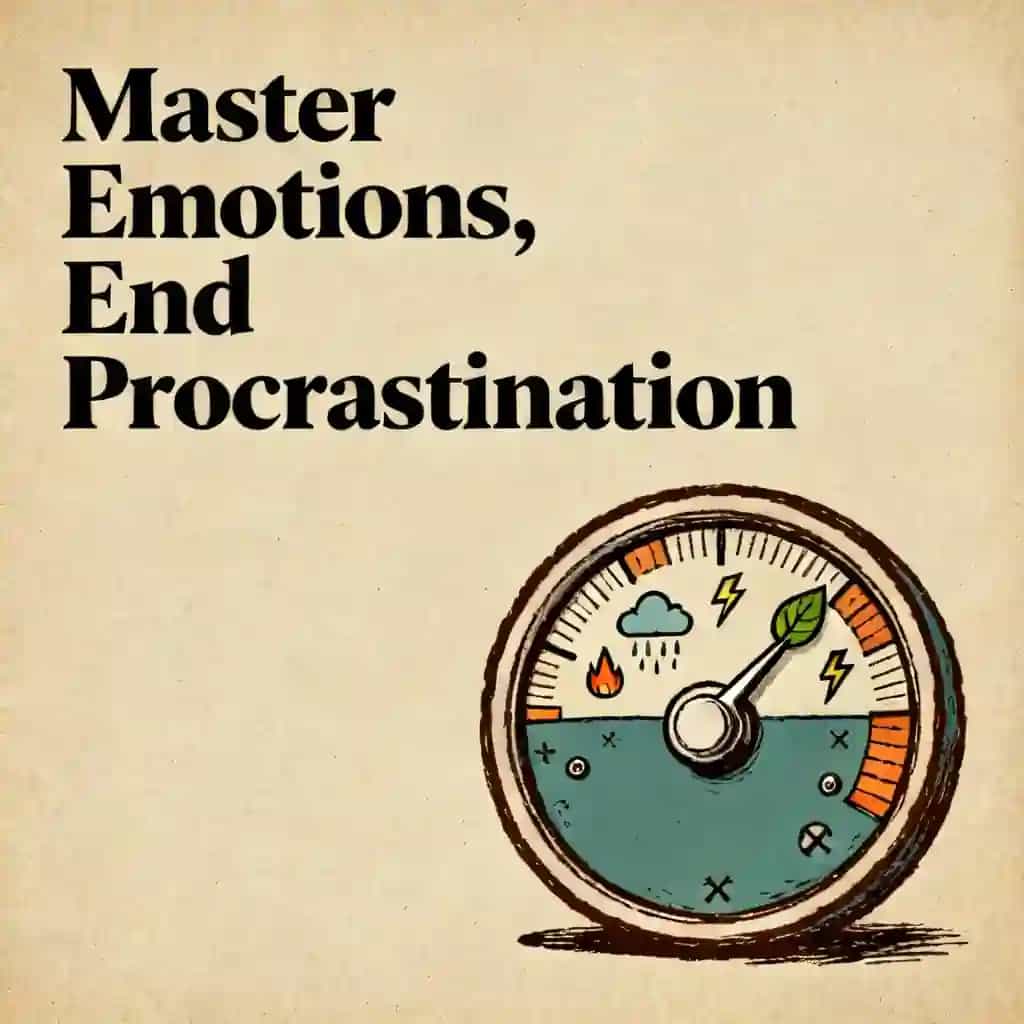
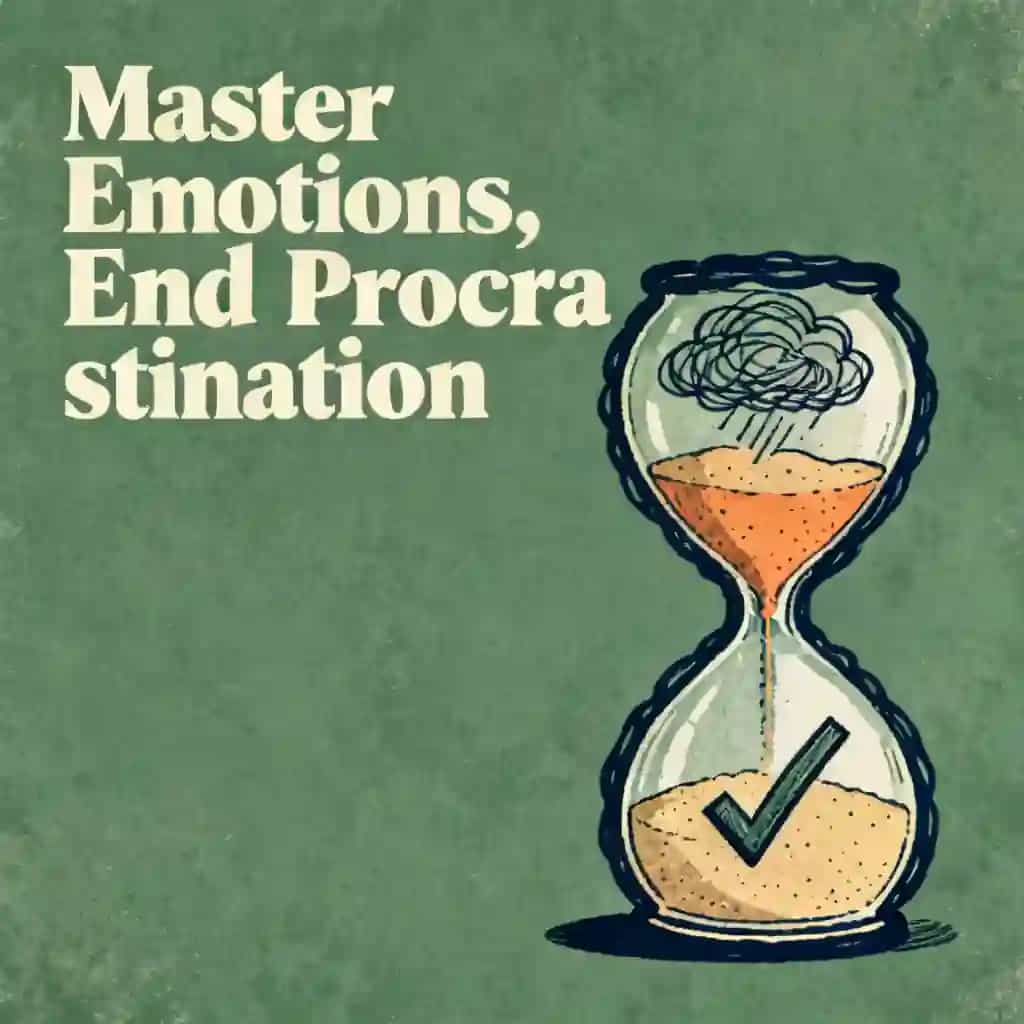
Procrastination is actually an emotion regulation problem, not a time management one. We delay tasks to escape the immediate negative feelings they trigger—things like anxiety, boredom, or self-doubt.
Generated by Jignasa
I want to focus on studying and improving my productivety to stop wasting time everyday

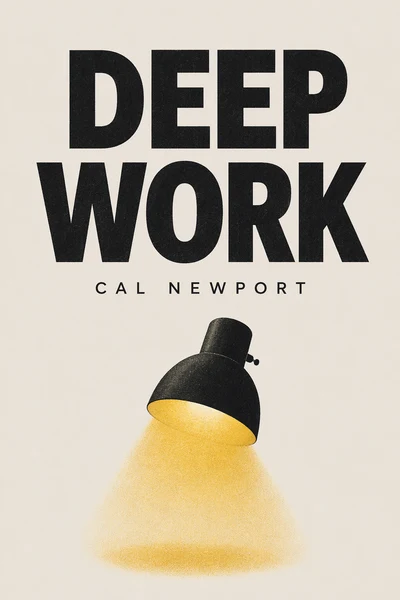
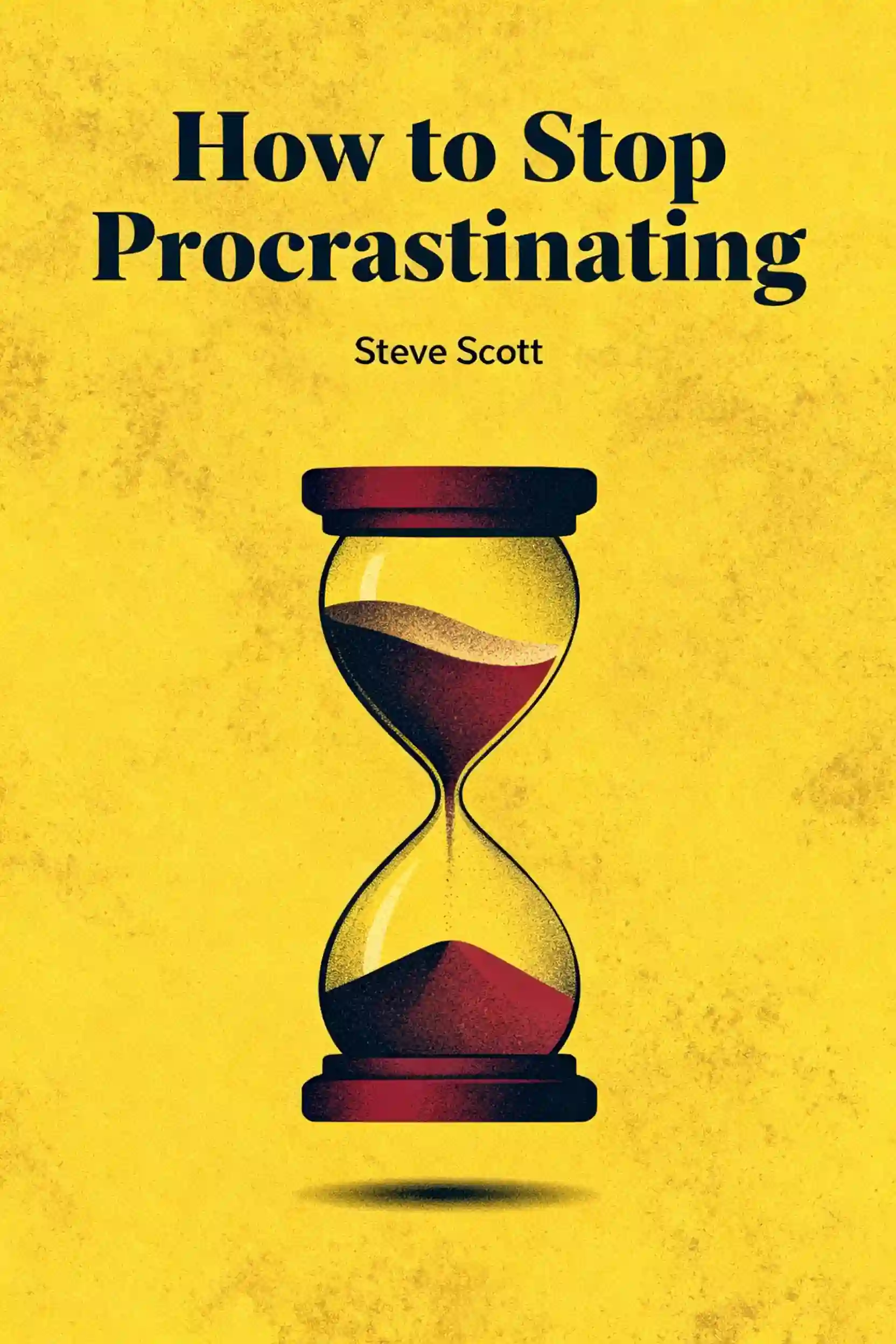
Preguntas frecuentes
Procrastination is primarily an emotional regulation problem rather than a lack of time management skills. When you face a task that feels boring, stressful, or overwhelming, your brain's limbic system—the part responsible for immediate rewards—hijacks the prefrontal cortex to seek "short-term mood repair." By avoiding the task and switching to something like social media, you get an immediate hit of relief. This creates a cycle where your brain learns that avoidance equals safety, making the task feel even more daunting the next time you approach it.
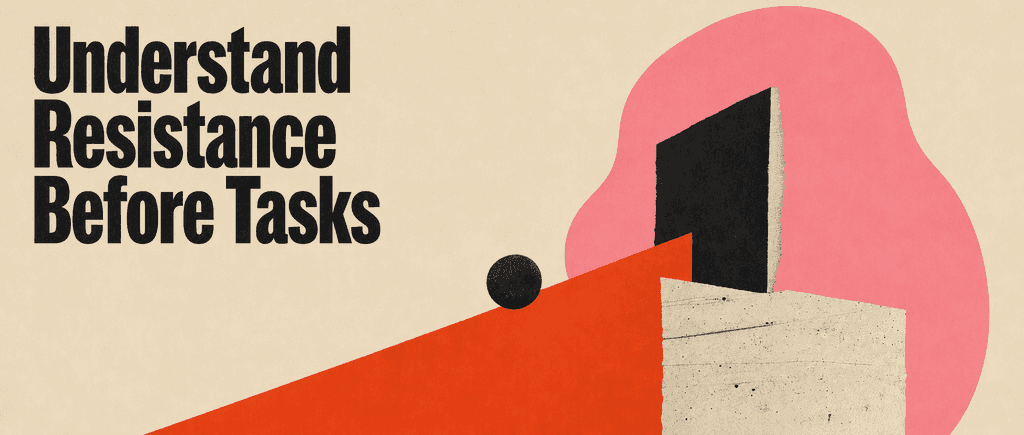
Research identifies seven specific "Pychyl Triggers" that make a task resistant to focus: if it is boring, frustrating, difficult, ambiguous, unstructured, not intrinsically rewarding, or lacking personal meaning. Instead of using willpower to force your way through, you should "engineer" the task to remove these friction points. For example, if a task is ambiguous, spend five minutes defining the specific deliverable; if it is difficult, break it down until the first step is "trivially easy," such as simply opening a blank document.
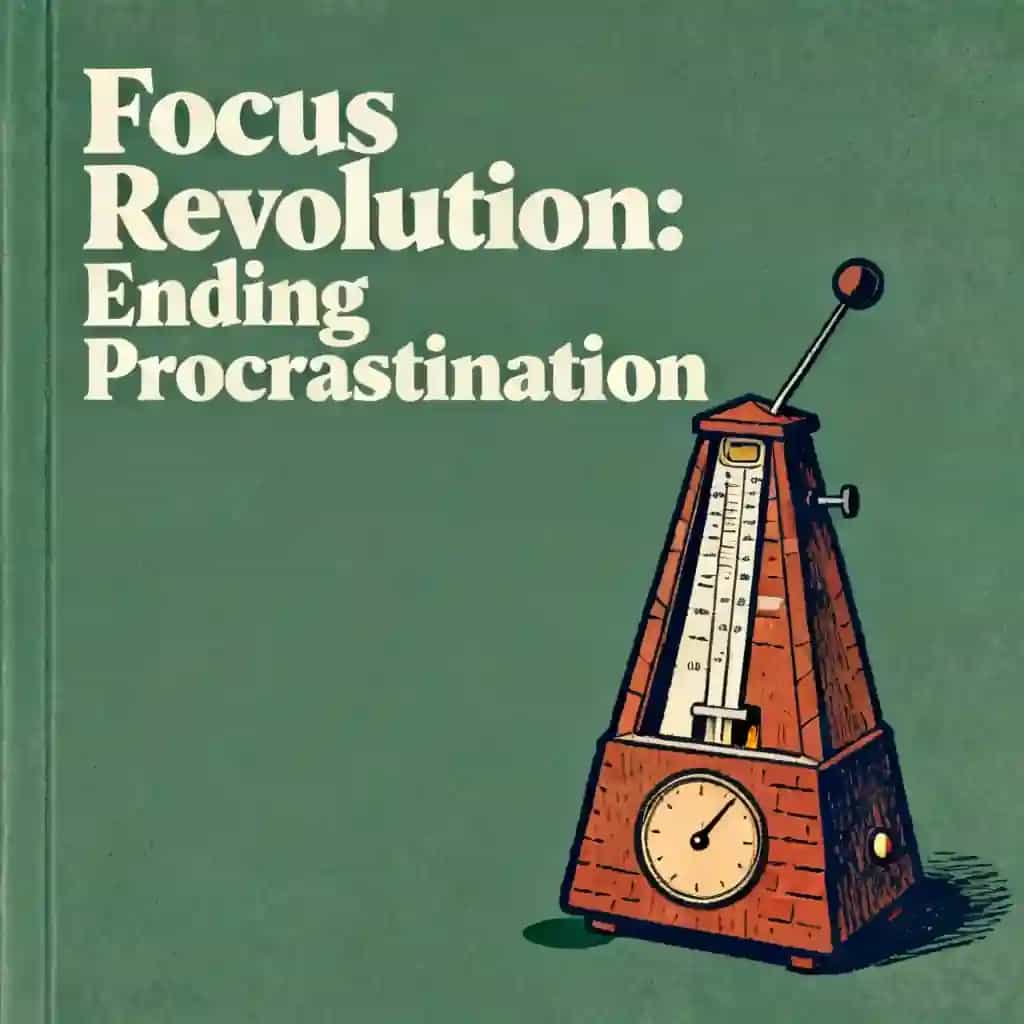
The ninety-minute block aligns with "ultradian rhythms," which are natural cycles where the brain experiences high alertness followed by a dip in cognitive resources like glucose and oxygen. By working in these concentrated "monk mode" containers, you respect your biology and avoid the point of diminishing returns. Protecting these blocks from interruptions is vital because it can take up to 23 minutes to regain deep flow after a single distraction, such as checking a notification or an email.
While general procrastination is often an emotional avoidance response, ADHD task initiation failure is a neurological activation issue where the brain fails to send the "go" signal. The ADHD brain typically only "turns on" for tasks involving the "PINCH" triggers: Passion, Interest, Novelty, Challenge, or Urgency. To overcome this, you can use "temptation bundling"—pairing a boring task with something enjoyable—or "body doubling," which involves working in the presence of another person to provide an external accountability signal.
The key to long-term success is treating your calendar as a "living map" rather than a rigid contract. You should build "buffer blocks"—leaving about 20 percent of your day unblocked—to account for tasks that run over or unexpected emergencies. If your plan is disrupted, perform a "two-minute replan" to draw a new map for the remaining hours. Research shows that practicing self-forgiveness after a setback actually reduces future procrastination by lowering the emotional weight and guilt associated with the next work session.
Creado por exalumnos de la Universidad de Columbia en San Francisco
"Instead of endless scrolling, I just hit play on BeFreed. It saves me so much time."


"I never knew where to start with nonfiction—BeFreed’s book lists turned into podcasts gave me a clear path."


"Perfect balance between learning and entertainment. Finished ‘Thinking, Fast and Slow’ on my commute this week."
"Crazy how much I learned while walking the dog. BeFreed = small habits → big gains."
"Reading used to feel like a chore. Now it’s just part of my lifestyle."

"Feels effortless compared to reading. I’ve finished 6 books this month already."
"BeFreed turned my guilty doomscrolling into something that feels productive and inspiring."

"BeFreed turned my commute into learning time. 20-min podcasts are perfect for finishing books I never had time for."
"BeFreed replaced my podcast queue. Imagine Spotify for books — that’s it. 🙌"

"It is great for me to learn something from the book without reading it."
"The themed book list podcasts help me connect ideas across authors—like a guided audio journey."
"Makes me feel smarter every time before going to work"
Creado por exalumnos de la Universidad de Columbia en San Francisco
"Instead of endless scrolling, I just hit play on BeFreed. It saves me so much time."
"I never knew where to start with nonfiction—BeFreed’s book lists turned into podcasts gave me a clear path."
"Perfect balance between learning and entertainment. Finished ‘Thinking, Fast and Slow’ on my commute this week."
"Crazy how much I learned while walking the dog. BeFreed = small habits → big gains."
"Reading used to feel like a chore. Now it’s just part of my lifestyle."
"Feels effortless compared to reading. I’ve finished 6 books this month already."
"BeFreed turned my guilty doomscrolling into something that feels productive and inspiring."
"BeFreed turned my commute into learning time. 20-min podcasts are perfect for finishing books I never had time for."
"BeFreed replaced my podcast queue. Imagine Spotify for books — that’s it. 🙌"
"It is great for me to learn something from the book without reading it."
"The themed book list podcasts help me connect ideas across authors—like a guided audio journey."
"Makes me feel smarter every time before going to work"
"Instead of endless scrolling, I just hit play on BeFreed. It saves me so much time."
"I never knew where to start with nonfiction—BeFreed’s book lists turned into podcasts gave me a clear path."
"Perfect balance between learning and entertainment. Finished ‘Thinking, Fast and Slow’ on my commute this week."
"Crazy how much I learned while walking the dog. BeFreed = small habits → big gains."
"Reading used to feel like a chore. Now it’s just part of my lifestyle."
"Feels effortless compared to reading. I’ve finished 6 books this month already."
"BeFreed turned my guilty doomscrolling into something that feels productive and inspiring."
"BeFreed turned my commute into learning time. 20-min podcasts are perfect for finishing books I never had time for."
"BeFreed replaced my podcast queue. Imagine Spotify for books — that’s it. 🙌"
"It is great for me to learn something from the book without reading it."
"The themed book list podcasts help me connect ideas across authors—like a guided audio journey."
"Makes me feel smarter every time before going to work"
"Instead of endless scrolling, I just hit play on BeFreed. It saves me so much time."
"I never knew where to start with nonfiction—BeFreed’s book lists turned into podcasts gave me a clear path."
"Perfect balance between learning and entertainment. Finished ‘Thinking, Fast and Slow’ on my commute this week."
"Crazy how much I learned while walking the dog. BeFreed = small habits → big gains."
"Reading used to feel like a chore. Now it’s just part of my lifestyle."
"Feels effortless compared to reading. I’ve finished 6 books this month already."
"BeFreed turned my guilty doomscrolling into something that feels productive and inspiring."
"BeFreed turned my commute into learning time. 20-min podcasts are perfect for finishing books I never had time for."
"BeFreed replaced my podcast queue. Imagine Spotify for books — that’s it. 🙌"
"It is great for me to learn something from the book without reading it."
"The themed book list podcasts help me connect ideas across authors—like a guided audio journey."
"Makes me feel smarter every time before going to work"