Quiet Quitting and the New Ambition
Media headlines warn of a workforce checking out, but data shows a different reality. Discover how to redefine success and thrive without burnout.

Mejor cita de Quiet Quitting and the New Ambition
What we’re seeing isn’t a decline in effort, but a recalibration where people are rejecting the 'visibility-and-volume' version of a career in favor of something much more strategic. It’s a shift from making work your entire identity to 'quiet ambition,' where the goal is to build a life that actually has room for family, health, and mastery.
Generated with BeFreed
Quiet Quitting and Quiet Climbing






Preguntas frecuentes
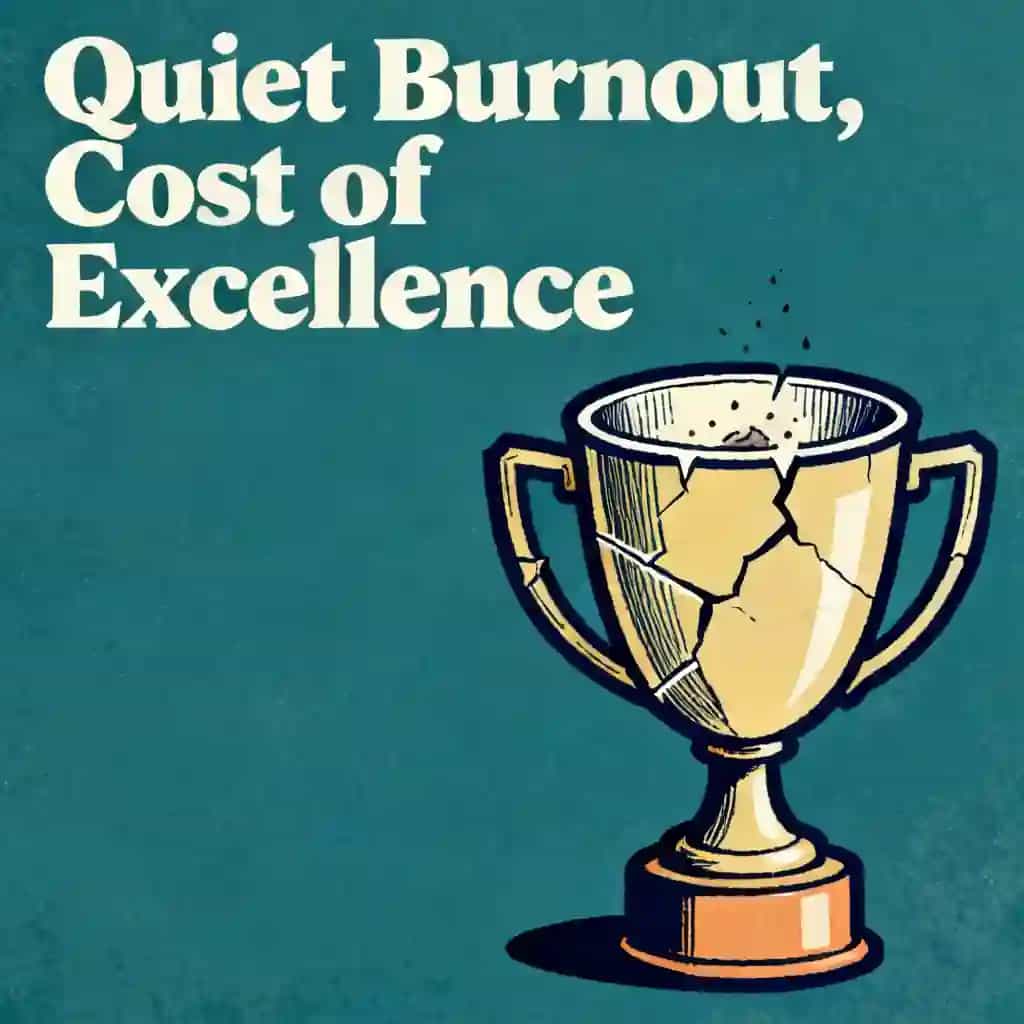
The data suggests that the narrative of a widespread "quiet quitting" epidemic is largely a myth. Hard data indicates that only about 2% of employees actually fit the description of doing the absolute bare minimum or being truly checked out. While the media often portrays a workforce in decline, the reality is that most employees remain committed but are radically changing how they define ambition and success.
Quiet ambition is a shift away from the "visibility-and-volume" model of a career, where success is measured by long hours and climbing the corporate ladder. Instead, it prioritizes mastery of a craft and personal fulfillment over titles. For example, 62% of people would rather remain individual specialists than move into management, and 67% of people report that spending time with family is their top ambition. It is a strategic recalibration to build a life that has room for health, travel, and family rather than making work one's entire identity.
Workers can be categorized into four groups based on their motivations and behaviors. Protesters are those who deliberately withhold effort as a reaction to perceived unfairness. Faders are employees who are unintentionally losing steam due to burnout and depleted resources. Boundary Setters are the "quietly ambitious" group who philosophically choose to regulate their effort to maintain a balanced life. Finally, Indifferent Drifters are those with a low baseline of intrinsic motivation who reliably perform tasks but do not engage with the broader "how" or "why" of the company.
Quiet thriving is the "offensive" version of protecting one's peace, where an employee actively redesigns their role to reclaim agency. This involves "micro-crafting," which means making small, low-risk adjustments like volunteering for enjoyable tasks or automating draining ones. It also includes "relational crafting," where you intentionally spend more time with inspiring colleagues. By performing a time and energy audit and making contributions "legible" to management through results rather than hours, an employee can move from a survival mindset to a growth mindset.
Companies are often panicked because traditional corporate structures and retention models are built on the assumption that every employee wants to reach the C-suite. When data shows that only 4% of employees actually desire executive roles, the old model of using promotions as the primary incentive breaks down. Organizations that fail to adapt to the desire for specialist paths or flexible "hybrid" work risks losing top talent to "culture rot" or total disengagement.
Creado por exalumnos de la Universidad de Columbia en San Francisco
"Instead of endless scrolling, I just hit play on BeFreed. It saves me so much time."


"I never knew where to start with nonfiction—BeFreed’s book lists turned into podcasts gave me a clear path."


"Perfect balance between learning and entertainment. Finished ‘Thinking, Fast and Slow’ on my commute this week."
"Crazy how much I learned while walking the dog. BeFreed = small habits → big gains."
"Reading used to feel like a chore. Now it’s just part of my lifestyle."

"Feels effortless compared to reading. I’ve finished 6 books this month already."
"BeFreed turned my guilty doomscrolling into something that feels productive and inspiring."

"BeFreed turned my commute into learning time. 20-min podcasts are perfect for finishing books I never had time for."
"BeFreed replaced my podcast queue. Imagine Spotify for books — that’s it. 🙌"

"It is great for me to learn something from the book without reading it."
"The themed book list podcasts help me connect ideas across authors—like a guided audio journey."
"Makes me feel smarter every time before going to work"
Creado por exalumnos de la Universidad de Columbia en San Francisco
"Instead of endless scrolling, I just hit play on BeFreed. It saves me so much time."
"I never knew where to start with nonfiction—BeFreed’s book lists turned into podcasts gave me a clear path."
"Perfect balance between learning and entertainment. Finished ‘Thinking, Fast and Slow’ on my commute this week."
"Crazy how much I learned while walking the dog. BeFreed = small habits → big gains."
"Reading used to feel like a chore. Now it’s just part of my lifestyle."
"Feels effortless compared to reading. I’ve finished 6 books this month already."
"BeFreed turned my guilty doomscrolling into something that feels productive and inspiring."
"BeFreed turned my commute into learning time. 20-min podcasts are perfect for finishing books I never had time for."
"BeFreed replaced my podcast queue. Imagine Spotify for books — that’s it. 🙌"
"It is great for me to learn something from the book without reading it."
"The themed book list podcasts help me connect ideas across authors—like a guided audio journey."
"Makes me feel smarter every time before going to work"
"Instead of endless scrolling, I just hit play on BeFreed. It saves me so much time."
"I never knew where to start with nonfiction—BeFreed’s book lists turned into podcasts gave me a clear path."
"Perfect balance between learning and entertainment. Finished ‘Thinking, Fast and Slow’ on my commute this week."
"Crazy how much I learned while walking the dog. BeFreed = small habits → big gains."
"Reading used to feel like a chore. Now it’s just part of my lifestyle."
"Feels effortless compared to reading. I’ve finished 6 books this month already."
"BeFreed turned my guilty doomscrolling into something that feels productive and inspiring."
"BeFreed turned my commute into learning time. 20-min podcasts are perfect for finishing books I never had time for."
"BeFreed replaced my podcast queue. Imagine Spotify for books — that’s it. 🙌"
"It is great for me to learn something from the book without reading it."
"The themed book list podcasts help me connect ideas across authors—like a guided audio journey."
"Makes me feel smarter every time before going to work"
"Instead of endless scrolling, I just hit play on BeFreed. It saves me so much time."
"I never knew where to start with nonfiction—BeFreed’s book lists turned into podcasts gave me a clear path."
"Perfect balance between learning and entertainment. Finished ‘Thinking, Fast and Slow’ on my commute this week."
"Crazy how much I learned while walking the dog. BeFreed = small habits → big gains."
"Reading used to feel like a chore. Now it’s just part of my lifestyle."
"Feels effortless compared to reading. I’ve finished 6 books this month already."
"BeFreed turned my guilty doomscrolling into something that feels productive and inspiring."
"BeFreed turned my commute into learning time. 20-min podcasts are perfect for finishing books I never had time for."
"BeFreed replaced my podcast queue. Imagine Spotify for books — that’s it. 🙌"
"It is great for me to learn something from the book without reading it."
"The themed book list podcasts help me connect ideas across authors—like a guided audio journey."
"Makes me feel smarter every time before going to work"