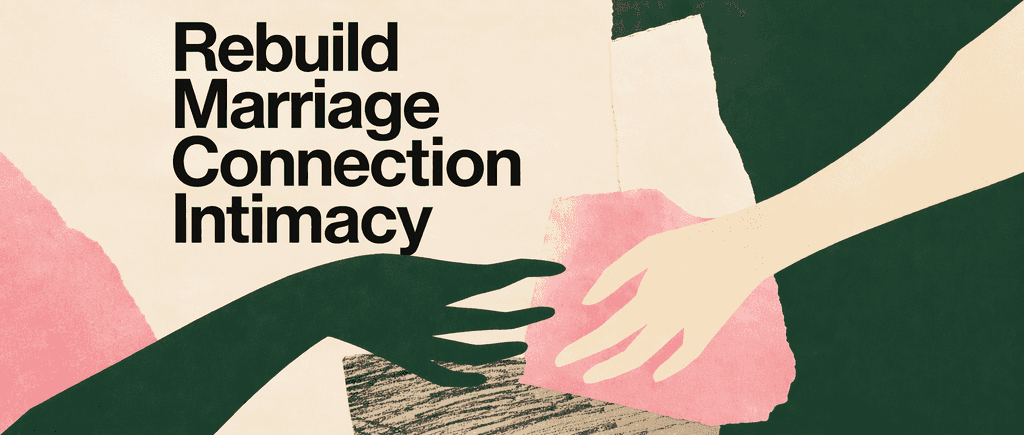
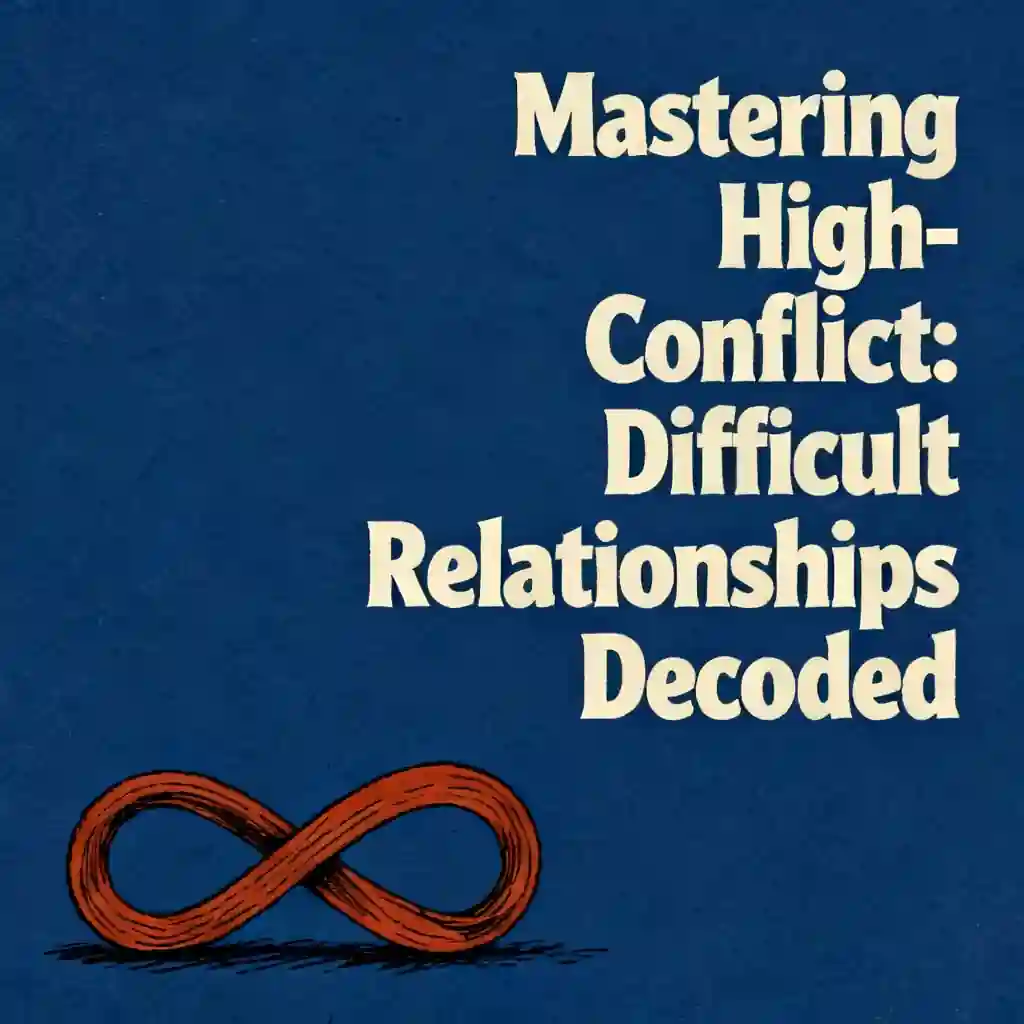
Mastering the Repair Protocol: Stop Fighting, Start Connecting
Learn to break the destructive conflict loop and replace defensive arguments with strategic pauses and curiosity to save your relationships and your sanity.

Mejor cita de Mastering the Repair Protocol: Stop Fighting, Start Connecting
The goal isn't to never have a disagreement—it's to move from 'I need to win' to 'I need us to understand each other.' When we drop the competitive mindset, we stop treating minor irritations like life-threatening confrontations and start solving the problem instead of losing the relationship.
Generated by DeeDee
Make my communication skills better. Stop trying to start arguments. That caused me to get upset or mad.

Preguntas frecuentes
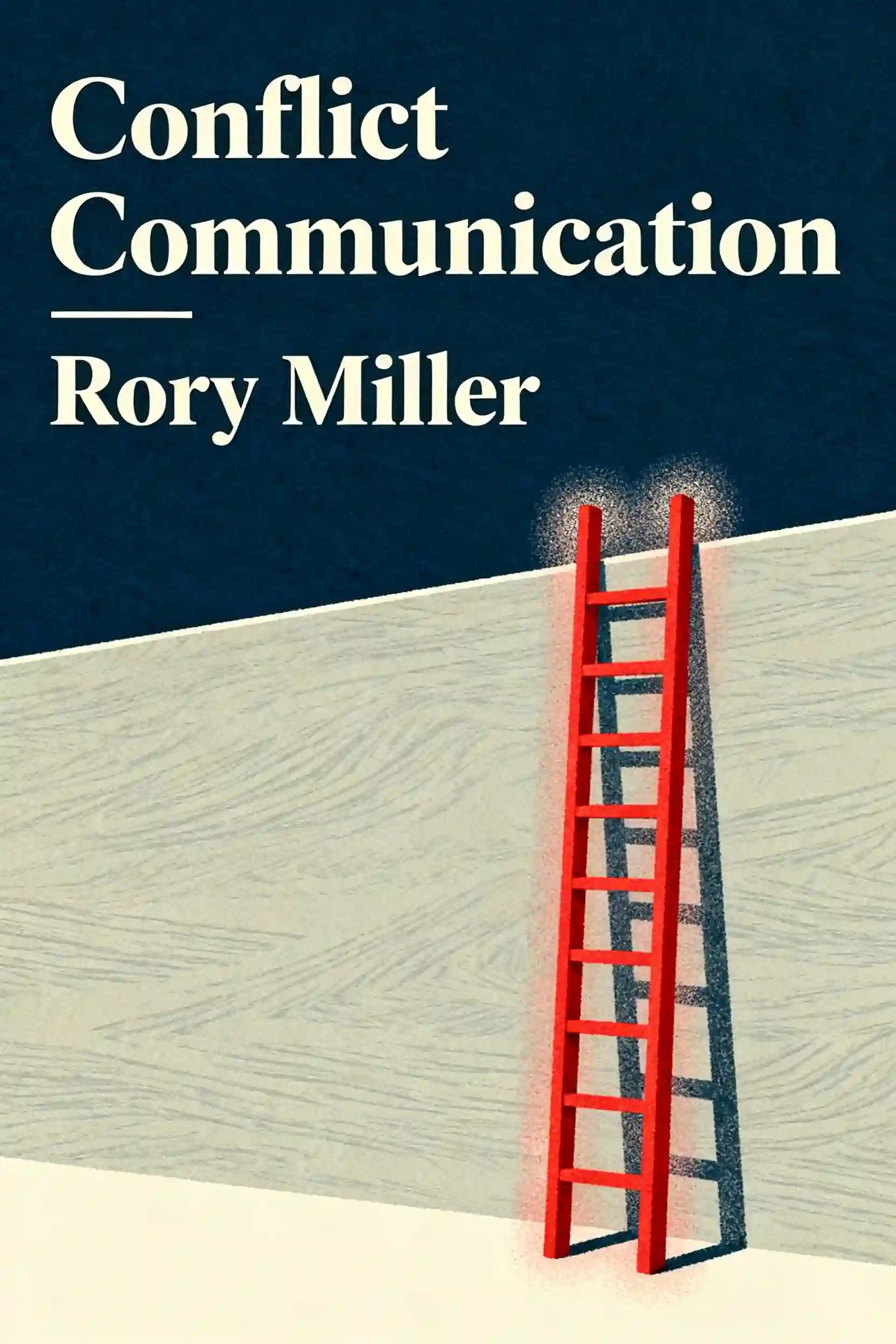
The conflict loop is a self-reinforcing cycle where one person’s criticism triggers the other person to feel attacked and retaliate. This retaliation justifies the first person’s initial anger, causing the argument to escalate rather than resolve. To break this chain, the script suggests using a "Stoic Pause"—a deliberate ten-second delay between a provocative event and your reaction. This pause allows your logical brain to re-engage, giving you the opportunity to choose a constructive response rather than an impulsive emotional one.
A request is a specific, positive, and actionable appeal that leaves room for the other person to say "no" or offer a counter-proposal, which fosters collaboration. In contrast, a demand is an ultimatum—"do this or else"—which often triggers defensiveness and power struggles. Effective communication relies on making clear requests, such as asking a partner to check a calendar by a specific time, rather than using vague critiques or demands that make the other person feel controlled.
Validation involves acknowledging the other person’s internal experience and emotions without necessarily agreeing with their perspective or facts. Using phrases like "I can see why that would be frustrating for you" provides emotional safety, which can instantly lower the tension in a room. When a person feels seen and heard, they no longer feel the biological need to maintain "porcupine quills" or defensive walls, making them more open to a logical discussion.
"I" statements focus on the speaker's own feelings and unmet needs rather than blaming the other person's character. For example, saying "I feel overwhelmed when the dishes are left out" is an observation of a personal state, whereas "You are so lazy" is an evaluation that triggers defensiveness. By owning your feelings and linking them to specific needs—like a need for support or order—you move the conversation from an attack on the other person to a collaborative search for a solution.
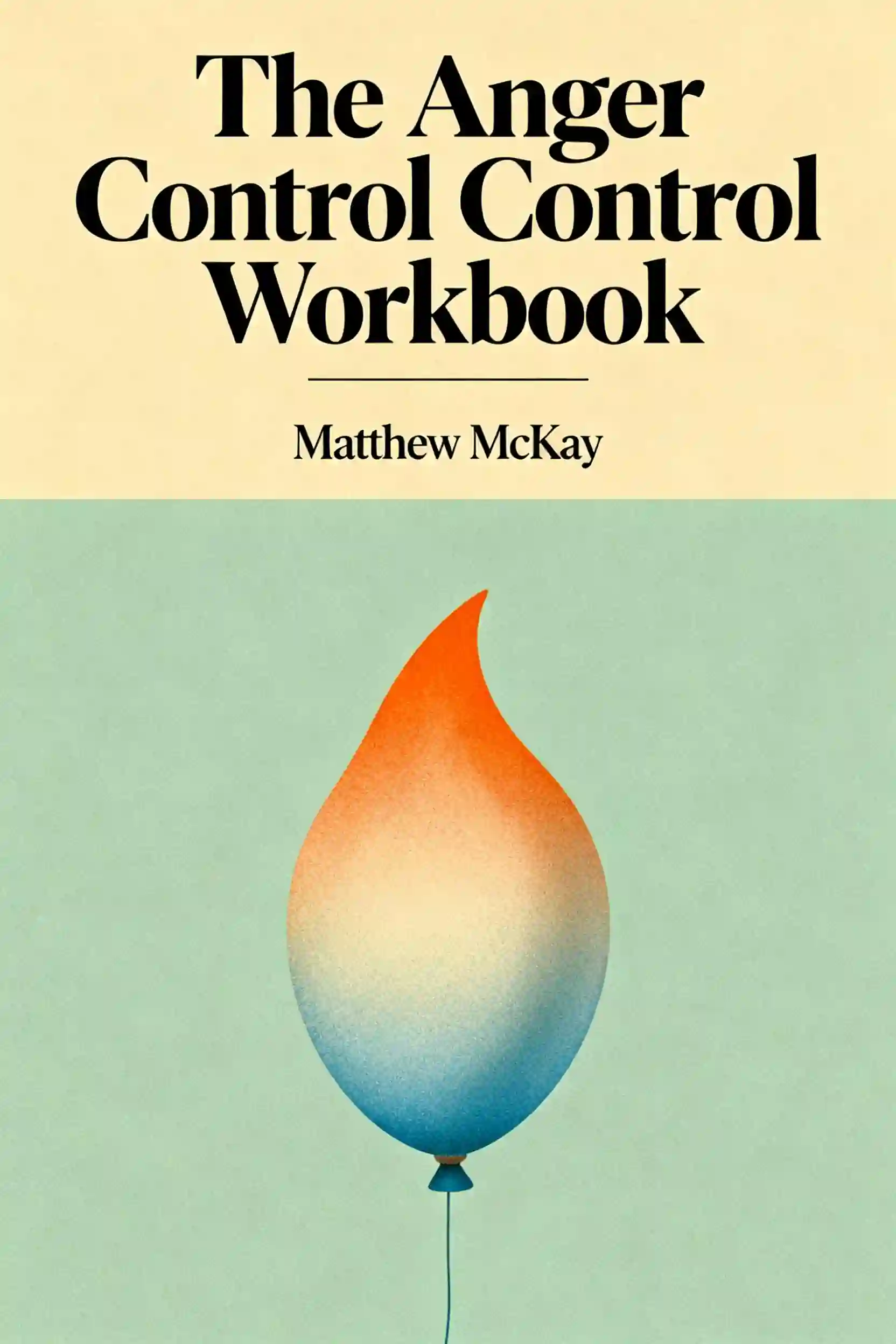
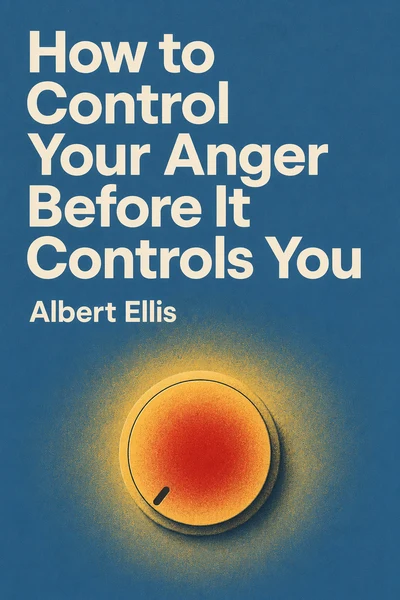
If you experience "biological flooding," where your heart rate is up and you can no longer think logically, you should use a constructive "Exit Strategy." This involves explicitly stating that you want to have the conversation but need a short break to cool off so you can respond helpfully. During this time-out, it is crucial to distract yourself with activities like deep breathing or listening to music rather than ruminating on the argument, which ensures your "frontal lobes" are back online before you return to the discussion.
Creado por exalumnos de la Universidad de Columbia en San Francisco
"Instead of endless scrolling, I just hit play on BeFreed. It saves me so much time."


"I never knew where to start with nonfiction—BeFreed’s book lists turned into podcasts gave me a clear path."


"Perfect balance between learning and entertainment. Finished ‘Thinking, Fast and Slow’ on my commute this week."
"Crazy how much I learned while walking the dog. BeFreed = small habits → big gains."
"Reading used to feel like a chore. Now it’s just part of my lifestyle."

"Feels effortless compared to reading. I’ve finished 6 books this month already."
"BeFreed turned my guilty doomscrolling into something that feels productive and inspiring."

"BeFreed turned my commute into learning time. 20-min podcasts are perfect for finishing books I never had time for."
"BeFreed replaced my podcast queue. Imagine Spotify for books — that’s it. 🙌"

"It is great for me to learn something from the book without reading it."
"The themed book list podcasts help me connect ideas across authors—like a guided audio journey."
"Makes me feel smarter every time before going to work"
Creado por exalumnos de la Universidad de Columbia en San Francisco
"Instead of endless scrolling, I just hit play on BeFreed. It saves me so much time."
"I never knew where to start with nonfiction—BeFreed’s book lists turned into podcasts gave me a clear path."
"Perfect balance between learning and entertainment. Finished ‘Thinking, Fast and Slow’ on my commute this week."
"Crazy how much I learned while walking the dog. BeFreed = small habits → big gains."
"Reading used to feel like a chore. Now it’s just part of my lifestyle."
"Feels effortless compared to reading. I’ve finished 6 books this month already."
"BeFreed turned my guilty doomscrolling into something that feels productive and inspiring."
"BeFreed turned my commute into learning time. 20-min podcasts are perfect for finishing books I never had time for."
"BeFreed replaced my podcast queue. Imagine Spotify for books — that’s it. 🙌"
"It is great for me to learn something from the book without reading it."
"The themed book list podcasts help me connect ideas across authors—like a guided audio journey."
"Makes me feel smarter every time before going to work"
"Instead of endless scrolling, I just hit play on BeFreed. It saves me so much time."
"I never knew where to start with nonfiction—BeFreed’s book lists turned into podcasts gave me a clear path."
"Perfect balance between learning and entertainment. Finished ‘Thinking, Fast and Slow’ on my commute this week."
"Crazy how much I learned while walking the dog. BeFreed = small habits → big gains."
"Reading used to feel like a chore. Now it’s just part of my lifestyle."
"Feels effortless compared to reading. I’ve finished 6 books this month already."
"BeFreed turned my guilty doomscrolling into something that feels productive and inspiring."
"BeFreed turned my commute into learning time. 20-min podcasts are perfect for finishing books I never had time for."
"BeFreed replaced my podcast queue. Imagine Spotify for books — that’s it. 🙌"
"It is great for me to learn something from the book without reading it."
"The themed book list podcasts help me connect ideas across authors—like a guided audio journey."
"Makes me feel smarter every time before going to work"
"Instead of endless scrolling, I just hit play on BeFreed. It saves me so much time."
"I never knew where to start with nonfiction—BeFreed’s book lists turned into podcasts gave me a clear path."
"Perfect balance between learning and entertainment. Finished ‘Thinking, Fast and Slow’ on my commute this week."
"Crazy how much I learned while walking the dog. BeFreed = small habits → big gains."
"Reading used to feel like a chore. Now it’s just part of my lifestyle."
"Feels effortless compared to reading. I’ve finished 6 books this month already."
"BeFreed turned my guilty doomscrolling into something that feels productive and inspiring."
"BeFreed turned my commute into learning time. 20-min podcasts are perfect for finishing books I never had time for."
"BeFreed replaced my podcast queue. Imagine Spotify for books — that’s it. 🙌"
"It is great for me to learn something from the book without reading it."
"The themed book list podcasts help me connect ideas across authors—like a guided audio journey."
"Makes me feel smarter every time before going to work"