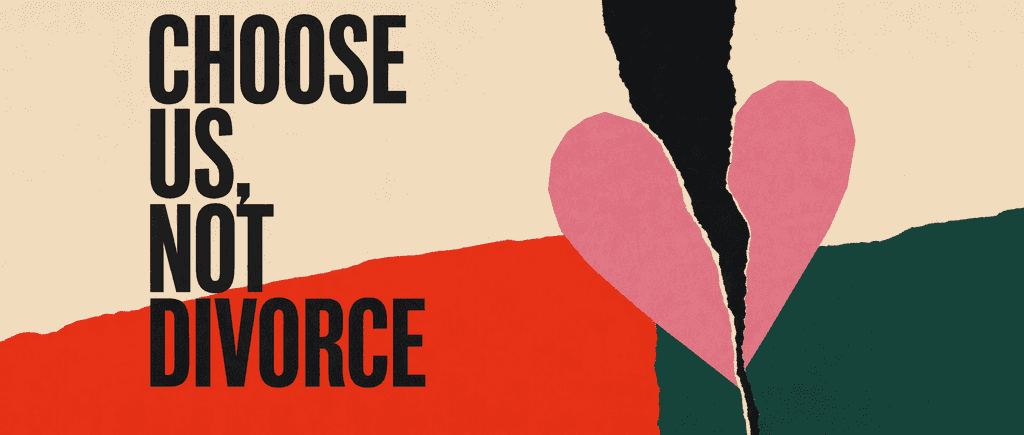
From Blow-ups to Breakthroughs: The Repair Protocol
Discover how to shift from 'me-versus-you' battles to collaborative problem-solving. This episode provides a practical playbook for de-escalating tension, mastering reflective pauses, and ditching blame culture for healthier connections.

Mejor cita de From Blow-ups to Breakthroughs: The Repair Protocol
Conflict isn't actually the enemy; it’s more like a dashboard warning light signaling that something needs to change or grow. It’s about moving from a 'me-versus-you' battle to an 'us-versus-the-problem' game plan.
Generated by Martyna
How to start healthy communication durnd conflict and avoid escalation and blame culture

Preguntas frecuentes
The conflict loop is a self-reinforcing feedback pattern where one person feels slighted and criticizes, causing the other to feel attacked and retaliate or shut down. This cycle continues because blame acts as the fuel for the interaction. To break this loop, you should "map the pattern" by identifying objective facts—things a video camera could actually see—rather than using evaluations or labels like "lazy" or "rude," which trigger the brain's defense system.
While both involve stopping a conversation, stonewalling is a way to punish or escape the other person, whereas a reflective pause is a strategic move to preserve the relationship. A proper reflective pause requires the person calling it to set a specific time to return to the discussion within 24 hours. This break allows the nervous system to calm down, as logic becomes inaccessible once the heart rate passes a certain threshold of emotional flooding.
Pseudo-feelings are words like "ignored," "rejected," or "misunderstood" that sound like emotions but are actually hidden accusations. They imply that the other person is doing something to you, which triggers defensiveness. Instead, you should use raw, primary emotions such as "sad," "scared," or "overwhelmed." Expressing internal states rather than evaluative judgments makes it easier for the other person to connect with your needs without feeling attacked.
A request is specific, doable, and positive, often starting with phrases like "Would you be willing to?" which acknowledges the other person's autonomy and right to say no. A demand, such as "You need to do this," ignores the other person's needs and creates a "power over" dynamic. In a partnership paradigm, if someone says no to a request, it is treated as an invitation to explore the underlying needs preventing them from saying yes, leading to a collaborative "win-win" solution.
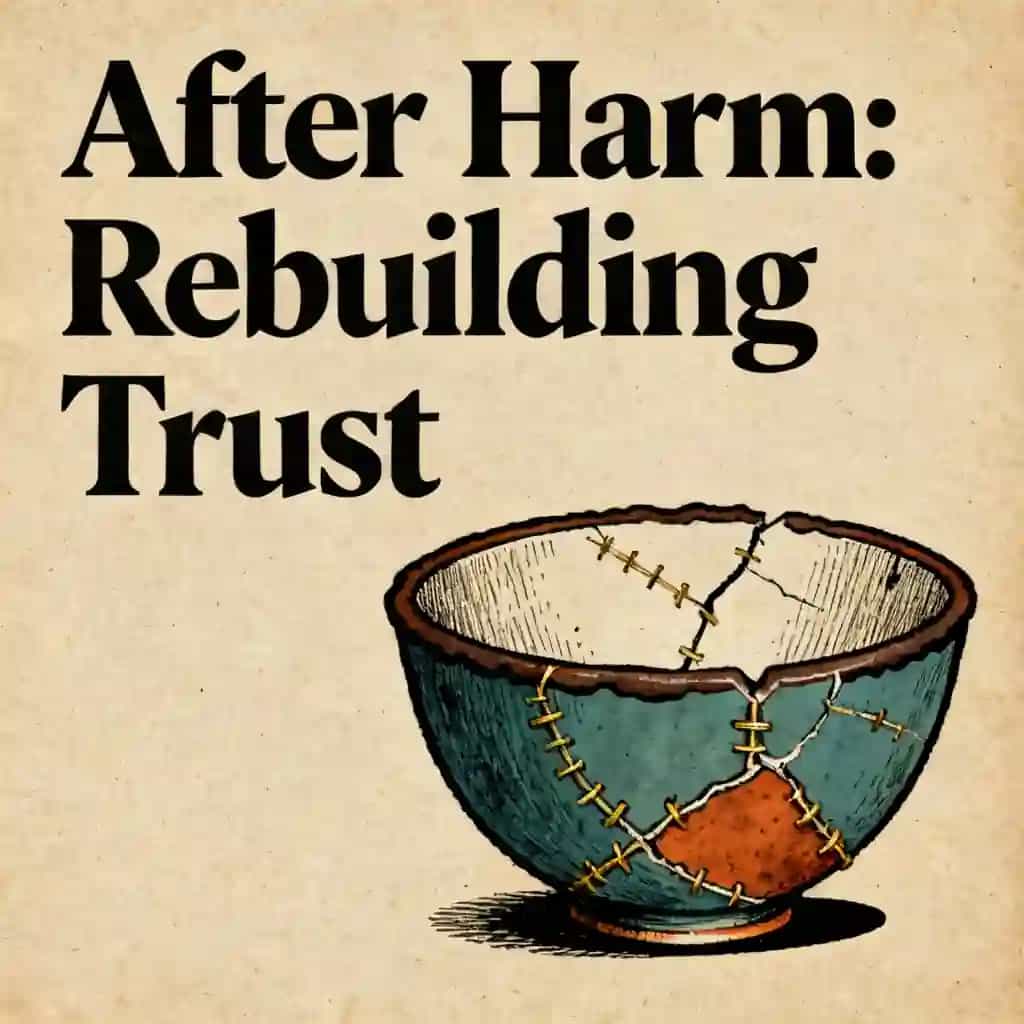
Repair involves taking responsibility for your part in the conflict, regardless of your intentions. By acknowledging the impact of your words—for example, saying "I see that my sharp tone hurt you"—you lower the emotional threat level. Following this with a "connection ritual," such as a shared walk or expressing appreciation for the partner’s willingness to listen, helps restore trust and signals that the relationship is a safe harbor.
Creado por exalumnos de la Universidad de Columbia en San Francisco
"Instead of endless scrolling, I just hit play on BeFreed. It saves me so much time."


"I never knew where to start with nonfiction—BeFreed’s book lists turned into podcasts gave me a clear path."


"Perfect balance between learning and entertainment. Finished ‘Thinking, Fast and Slow’ on my commute this week."
"Crazy how much I learned while walking the dog. BeFreed = small habits → big gains."
"Reading used to feel like a chore. Now it’s just part of my lifestyle."

"Feels effortless compared to reading. I’ve finished 6 books this month already."
"BeFreed turned my guilty doomscrolling into something that feels productive and inspiring."

"BeFreed turned my commute into learning time. 20-min podcasts are perfect for finishing books I never had time for."
"BeFreed replaced my podcast queue. Imagine Spotify for books — that’s it. 🙌"

"It is great for me to learn something from the book without reading it."
"The themed book list podcasts help me connect ideas across authors—like a guided audio journey."
"Makes me feel smarter every time before going to work"
Creado por exalumnos de la Universidad de Columbia en San Francisco
"Instead of endless scrolling, I just hit play on BeFreed. It saves me so much time."
"I never knew where to start with nonfiction—BeFreed’s book lists turned into podcasts gave me a clear path."
"Perfect balance between learning and entertainment. Finished ‘Thinking, Fast and Slow’ on my commute this week."
"Crazy how much I learned while walking the dog. BeFreed = small habits → big gains."
"Reading used to feel like a chore. Now it’s just part of my lifestyle."
"Feels effortless compared to reading. I’ve finished 6 books this month already."
"BeFreed turned my guilty doomscrolling into something that feels productive and inspiring."
"BeFreed turned my commute into learning time. 20-min podcasts are perfect for finishing books I never had time for."
"BeFreed replaced my podcast queue. Imagine Spotify for books — that’s it. 🙌"
"It is great for me to learn something from the book without reading it."
"The themed book list podcasts help me connect ideas across authors—like a guided audio journey."
"Makes me feel smarter every time before going to work"
"Instead of endless scrolling, I just hit play on BeFreed. It saves me so much time."
"I never knew where to start with nonfiction—BeFreed’s book lists turned into podcasts gave me a clear path."
"Perfect balance between learning and entertainment. Finished ‘Thinking, Fast and Slow’ on my commute this week."
"Crazy how much I learned while walking the dog. BeFreed = small habits → big gains."
"Reading used to feel like a chore. Now it’s just part of my lifestyle."
"Feels effortless compared to reading. I’ve finished 6 books this month already."
"BeFreed turned my guilty doomscrolling into something that feels productive and inspiring."
"BeFreed turned my commute into learning time. 20-min podcasts are perfect for finishing books I never had time for."
"BeFreed replaced my podcast queue. Imagine Spotify for books — that’s it. 🙌"
"It is great for me to learn something from the book without reading it."
"The themed book list podcasts help me connect ideas across authors—like a guided audio journey."
"Makes me feel smarter every time before going to work"
"Instead of endless scrolling, I just hit play on BeFreed. It saves me so much time."
"I never knew where to start with nonfiction—BeFreed’s book lists turned into podcasts gave me a clear path."
"Perfect balance between learning and entertainment. Finished ‘Thinking, Fast and Slow’ on my commute this week."
"Crazy how much I learned while walking the dog. BeFreed = small habits → big gains."
"Reading used to feel like a chore. Now it’s just part of my lifestyle."
"Feels effortless compared to reading. I’ve finished 6 books this month already."
"BeFreed turned my guilty doomscrolling into something that feels productive and inspiring."
"BeFreed turned my commute into learning time. 20-min podcasts are perfect for finishing books I never had time for."
"BeFreed replaced my podcast queue. Imagine Spotify for books — that’s it. 🙌"
"It is great for me to learn something from the book without reading it."
"The themed book list podcasts help me connect ideas across authors—like a guided audio journey."
"Makes me feel smarter every time before going to work"