Loyalties by Delphine de Vigan: The Weight of Silence
When childhood promises become prisons, how do we break free? Explore the hidden burdens and invisible contracts that shape our most painful connections.

Mejor cita de Loyalties by Delphine de Vigan: The Weight of Silence
Loyalties are silent fidelities or contracts we make with ourselves, often without even realizing it; they are both our wings and our yokes, the things that give us strength to resist but also the trenches where we bury our dreams.

Esta lección de audio fue creada por un miembro de la comunidad BeFreed
Les loyauté de Delphine de vigan

Preguntas frecuentes
In the script, loyalties are described as invisible threads or silent contracts we make with ourselves, often unconsciously. They are "silent fidelities" that can act as both wings and yokes—providing the strength to resist difficult circumstances but also acting as a burden that imprisons an individual. These loyalties often manifest as a "pact of silence," particularly in children who feel a primitive need to protect their parents even at the cost of their own well-being.
Twelve-year-old Théo uses alcohol as an "exit strategy" to achieve a state of unconsciousness. He is caught in the middle of a bitter divorce, acting as a "vault" for his mother’s hatred and a caretaker for his father’s depression. This emotional pressure creates what the script calls a "Larsen effect"—a high-pitched internal noise or psychological feedback. He drinks specifically to turn off this noise and find a moment of peace from the "ultrasound" of his family's dysfunction.
Hélène is driven by a loyalty to her own childhood self, having been a victim of paternal abuse. Because of her history, she is hyper-attuned to the "signs" of trauma in her students. However, this becomes an obsession that causes her to lose her professional common sense. She projects her own past onto Théo, searching for physical bruises like the ones she had, while failing to realize that Théo is suffering from a different, invisible form of psychological maltreatment.
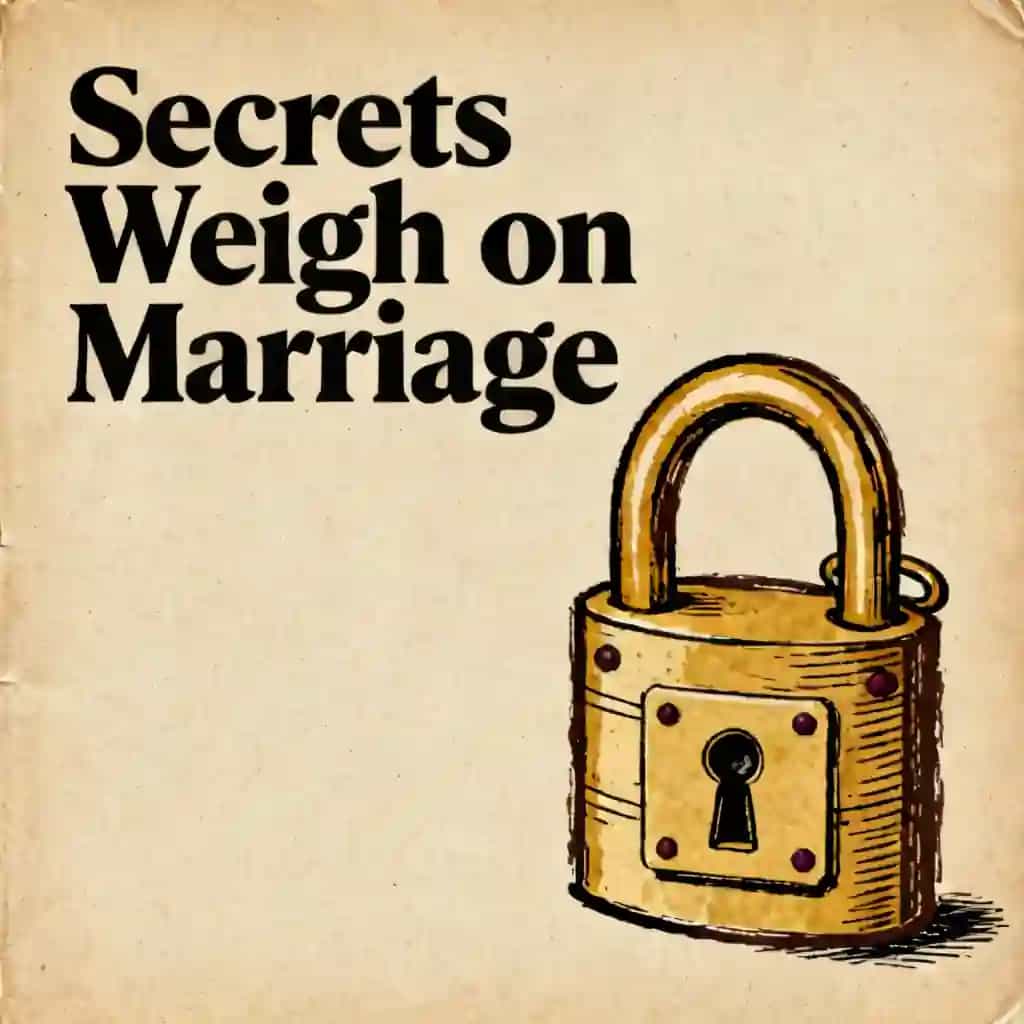
The "pact of silence" is a central theme where characters choose to hide painful truths to maintain the integrity of a relationship or a family image. For Théo, it means hiding his father’s collapse from his mother to prevent further conflict. For Mathis, it means staying silent about Théo’s dangerous drinking to remain a loyal friend. The script suggests that while these pacts are intended to protect, they often lead to "toxic loyalty" that prevents necessary intervention and can lead to catastrophe.
The script highlights how patterns of behavior and emotional debts are transmitted from parents to children, often despite their best intentions. For example, Théo’s mother reproduces the very schemas of damage she thinks she is rejecting by using her son as a shield in her divorce. Similarly, Mathis learns how to deceive and keep secrets by observing the "defective gears" of his own parents' marriage. This suggests that becoming an adult is a continuous process of trying to repair the "losses and damages of the beginning."
Descubre más

The Silent Narrative: Reading Minds and Rooms
In high-stakes professional environments, what remains unsaid is often more important than the verbal exchange. This plan is essential for leaders, negotiators, and communicators who need to master non-verbal intelligence and emotional decoding to influence outcomes.

The Burden of Choice
This plan is essential for those navigating the complexities of modern ethics and the weight of individual responsibility. It is ideal for students of philosophy, psychology, or literature seeking to understand the intersection of inherited legacy and personal autonomy.

Proust : décoder Sodome et Gomorrhe
Ce parcours est essentiel pour quiconque souhaite percer les mystères de l'un des volumes les plus denses de la Recherche. Il s'adresse aux passionnés de littérature et aux étudiants désireux de comprendre comment Proust transmute sa biographie en une exploration universelle de la jalousie.

The Language of the Waves
This plan is essential for writers looking to deepen character psychology through environmental symbolism and authentic dialogue. It is ideal for novelists and screenwriters who want to master the delicate balance between a character's past trauma and their eventual emotional evolution.

Reading Dark Romance
Dark romance has emerged as a powerful literary genre that explores the shadows of human desire and complex relationship dynamics. This learning plan helps readers understand the psychological appeal of taboo themes, power imbalances, and morally ambiguous characters while developing critical analysis skills for this controversial but increasingly popular genre.

Break free from limerent obsession patterns
This plan is designed for individuals who feel trapped in cycles of obsessive longing or emotionally draining relationships. It provides a science-backed roadmap to healing attachment wounds and reclaiming emotional autonomy from codependent patterns.

The Architecture of Defiance
This curriculum is essential for those seeking to understand how high-stakes philosophy translates into lived resistance and psychological resilience. It is ideal for students of literature, political activists, and anyone grappling with the burden of personal freedom in a post-truth world.

Learn the Law of Detachment
This learning plan is essential for anyone feeling overwhelmed by expectations or the pressure to control every outcome. It is designed for individuals seeking emotional resilience and a deeper sense of peace by bridging ancient wisdom with modern psychological practices.
Creado por exalumnos de la Universidad de Columbia en San Francisco
"Instead of endless scrolling, I just hit play on BeFreed. It saves me so much time."


"I never knew where to start with nonfiction—BeFreed’s book lists turned into podcasts gave me a clear path."


"Perfect balance between learning and entertainment. Finished ‘Thinking, Fast and Slow’ on my commute this week."
"Crazy how much I learned while walking the dog. BeFreed = small habits → big gains."
"Reading used to feel like a chore. Now it’s just part of my lifestyle."

"Feels effortless compared to reading. I’ve finished 6 books this month already."
"BeFreed turned my guilty doomscrolling into something that feels productive and inspiring."

"BeFreed turned my commute into learning time. 20-min podcasts are perfect for finishing books I never had time for."
"BeFreed replaced my podcast queue. Imagine Spotify for books — that’s it. 🙌"

"It is great for me to learn something from the book without reading it."
"The themed book list podcasts help me connect ideas across authors—like a guided audio journey."
"Makes me feel smarter every time before going to work"
Creado por exalumnos de la Universidad de Columbia en San Francisco
"Instead of endless scrolling, I just hit play on BeFreed. It saves me so much time."
"I never knew where to start with nonfiction—BeFreed’s book lists turned into podcasts gave me a clear path."
"Perfect balance between learning and entertainment. Finished ‘Thinking, Fast and Slow’ on my commute this week."
"Crazy how much I learned while walking the dog. BeFreed = small habits → big gains."
"Reading used to feel like a chore. Now it’s just part of my lifestyle."
"Feels effortless compared to reading. I’ve finished 6 books this month already."
"BeFreed turned my guilty doomscrolling into something that feels productive and inspiring."
"BeFreed turned my commute into learning time. 20-min podcasts are perfect for finishing books I never had time for."
"BeFreed replaced my podcast queue. Imagine Spotify for books — that’s it. 🙌"
"It is great for me to learn something from the book without reading it."
"The themed book list podcasts help me connect ideas across authors—like a guided audio journey."
"Makes me feel smarter every time before going to work"
"Instead of endless scrolling, I just hit play on BeFreed. It saves me so much time."
"I never knew where to start with nonfiction—BeFreed’s book lists turned into podcasts gave me a clear path."
"Perfect balance between learning and entertainment. Finished ‘Thinking, Fast and Slow’ on my commute this week."
"Crazy how much I learned while walking the dog. BeFreed = small habits → big gains."
"Reading used to feel like a chore. Now it’s just part of my lifestyle."
"Feels effortless compared to reading. I’ve finished 6 books this month already."
"BeFreed turned my guilty doomscrolling into something that feels productive and inspiring."
"BeFreed turned my commute into learning time. 20-min podcasts are perfect for finishing books I never had time for."
"BeFreed replaced my podcast queue. Imagine Spotify for books — that’s it. 🙌"
"It is great for me to learn something from the book without reading it."
"The themed book list podcasts help me connect ideas across authors—like a guided audio journey."
"Makes me feel smarter every time before going to work"
"Instead of endless scrolling, I just hit play on BeFreed. It saves me so much time."
"I never knew where to start with nonfiction—BeFreed’s book lists turned into podcasts gave me a clear path."
"Perfect balance between learning and entertainment. Finished ‘Thinking, Fast and Slow’ on my commute this week."
"Crazy how much I learned while walking the dog. BeFreed = small habits → big gains."
"Reading used to feel like a chore. Now it’s just part of my lifestyle."
"Feels effortless compared to reading. I’ve finished 6 books this month already."
"BeFreed turned my guilty doomscrolling into something that feels productive and inspiring."
"BeFreed turned my commute into learning time. 20-min podcasts are perfect for finishing books I never had time for."
"BeFreed replaced my podcast queue. Imagine Spotify for books — that’s it. 🙌"
"It is great for me to learn something from the book without reading it."
"The themed book list podcasts help me connect ideas across authors—like a guided audio journey."
"Makes me feel smarter every time before going to work"