Love or Entrapment? Navigating the Jekyll and Hyde Cycle
Explore the psychological trap of intermittent reinforcement and why we cling to toxic partners. Learn to distinguish between genuine connection and the biological highs of a high-conflict relationship.

Mejor cita de Love or Entrapment? Navigating the Jekyll and Hyde Cycle
You’re seeking medicine from the same person who’s giving you the poison. That intermittent kindness is the 'glue' of the trauma bond; it’s what makes you ask, 'Do they love me?' instead of 'Am I safe?'
Generated by Martyna
How can you have a connection and good time with someone who can call you names or threatens you mostly drunk but sometimes sober. Do they love you?

Preguntas frecuentes
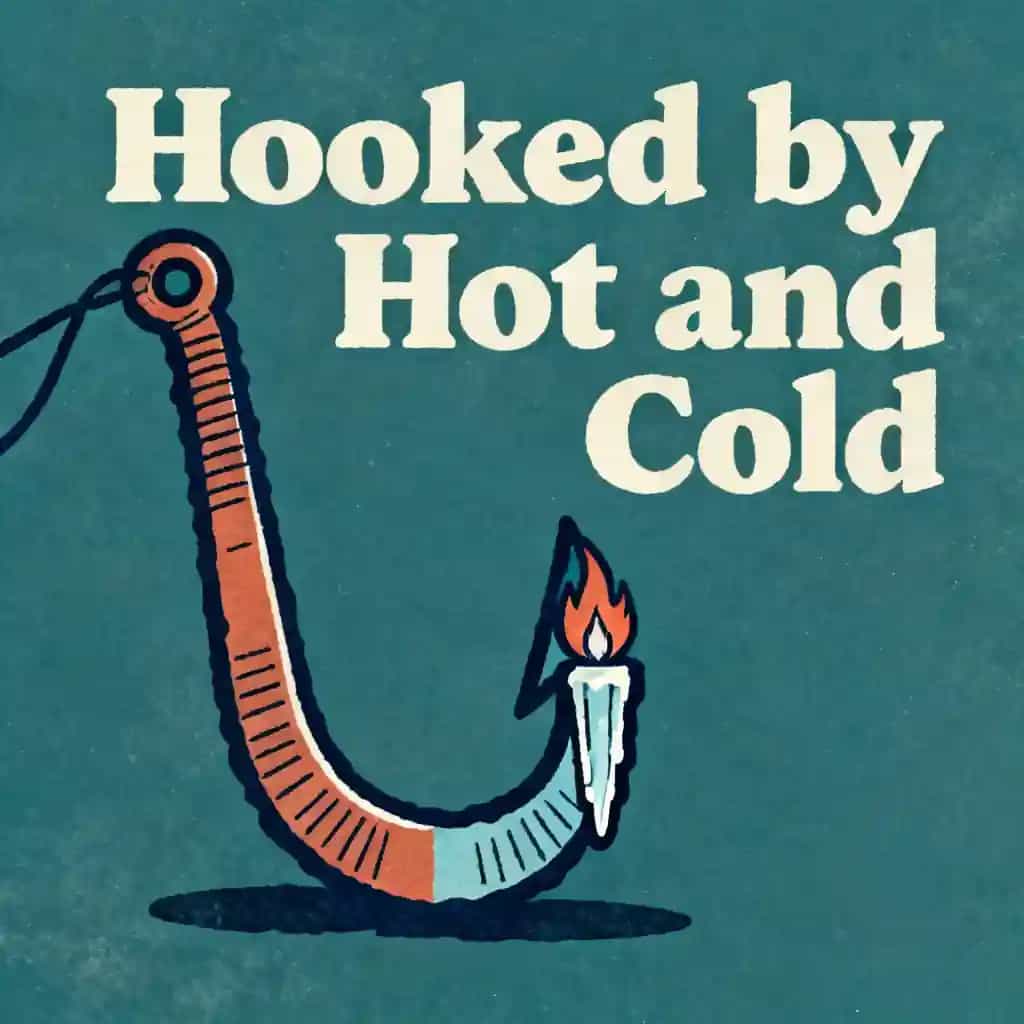
This phenomenon is known as intermittent reinforcement, a psychological manipulation tactic similar to a gambler at a slot machine. When a partner is mostly cruel but occasionally doting, the unpredictability causes the brain to release higher levels of dopamine during the "good" moments. This creates a powerful physiological addiction to the relationship, where the victim stays and keeps trying in hopes of winning that next unpredictable reward of affection or sobriety.
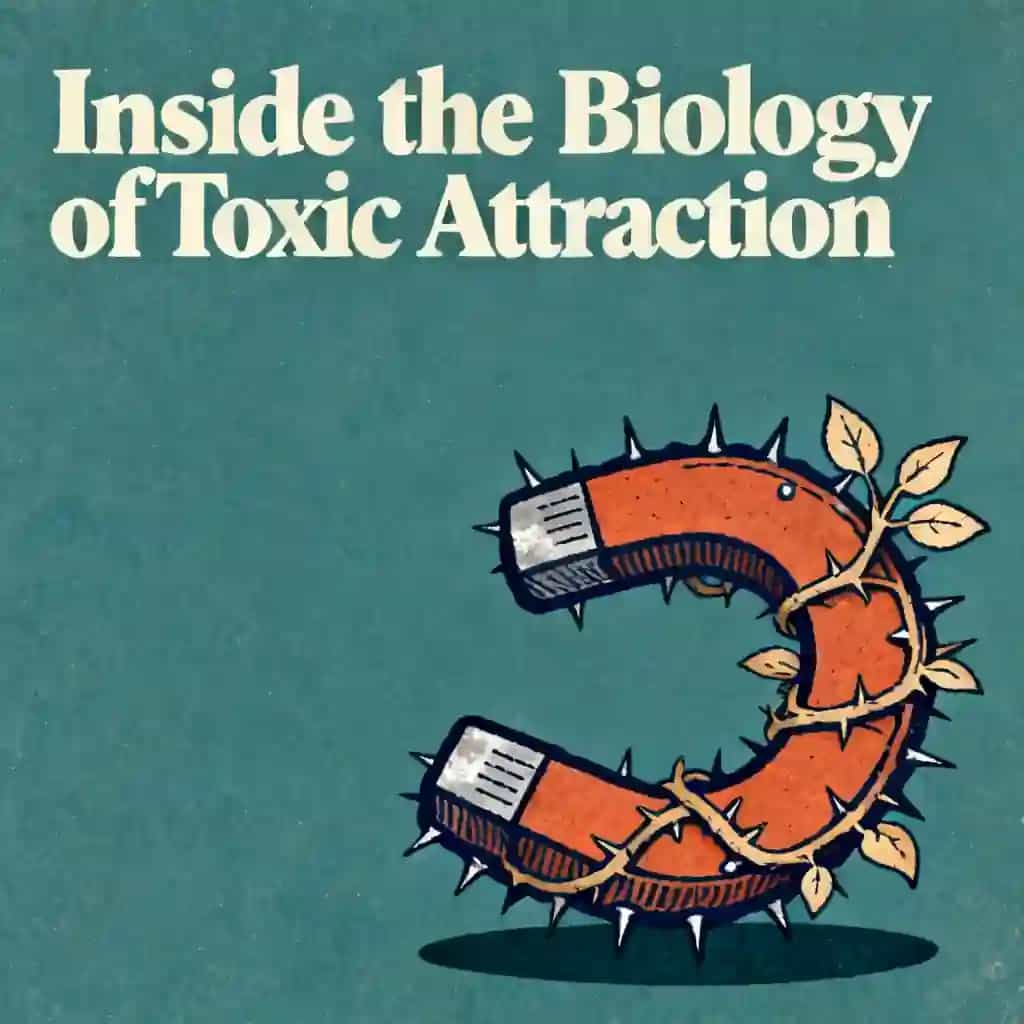
A betrayal bond, or trauma bond, occurs when a person’s survival instinct begins to link the individual causing them harm with the individual providing them comfort. During periods of abuse, the body is flooded with stress hormones like cortisol and adrenaline; when the abuser later apologizes or acts sweet, the brain releases oxytocin and dopamine. This roller coaster creates a chemical dependency where the victim seeks "medicine" from the same person who is providing the "poison," making the bond feel incredibly intense and deep.
Gaslighting is a systematic distortion of reality designed to make a person doubt their own perceptions and memories. For example, if a victim brings up threats made while a partner was drunk, the abuser may claim the victim is "remembering it wrong" or being "too sensitive." This leads to cognitive dissonance, a state of mental fog where the victim tries to hold two opposing truths—that the partner loves them and that the partner hurts them—eventually resulting in the victim minimizing the harm to resolve the internal stress.
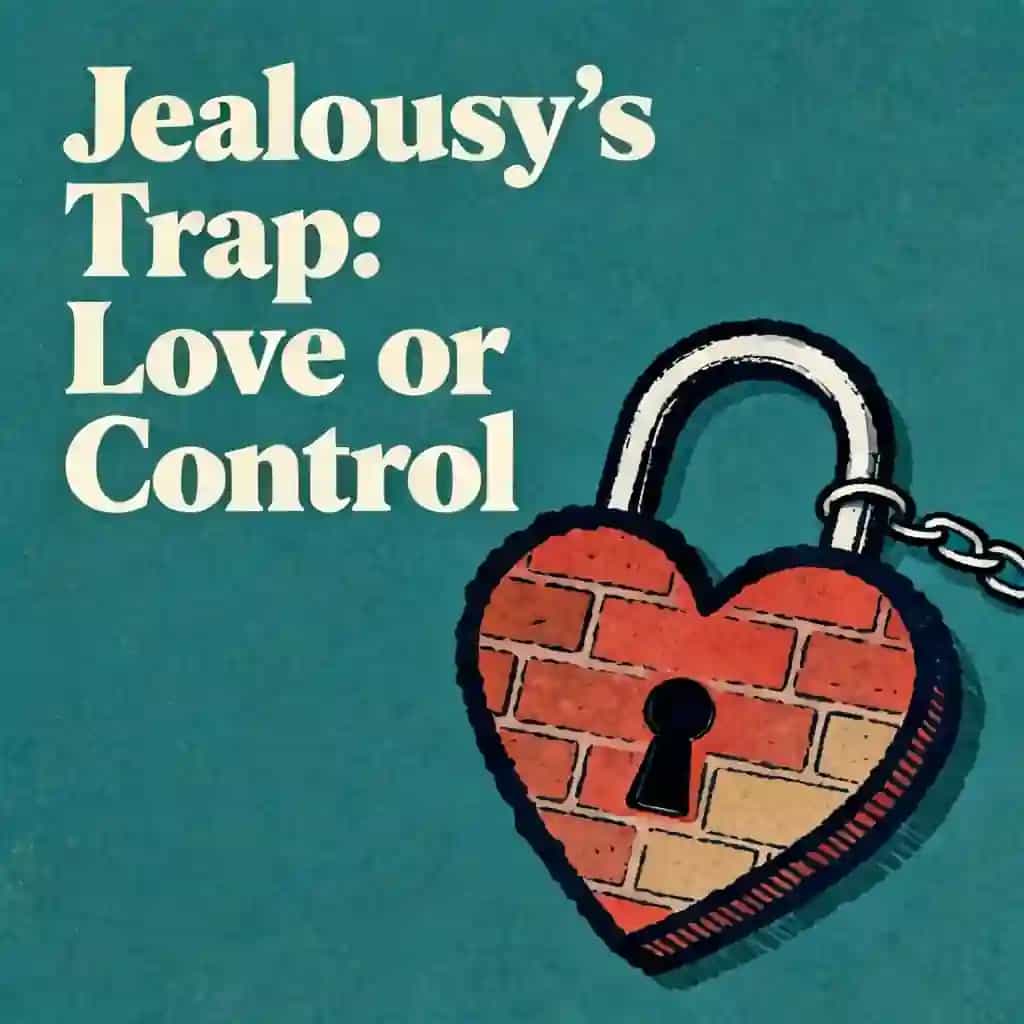
Coercive control is a strategic pattern of domination that goes beyond physical violence. It includes behaviors such as isolating the partner from friends and family, monitoring their whereabouts, name-calling, and exploiting their emotional needs. It often involves a "Jekyll and Hyde" dynamic where the abuser acts perfectly in public but is cruel behind closed doors. The goal of this behavior is to collapse the victim's autonomy until their entire world revolves around scanning the abuser’s mood to keep them calm.
The first step is acknowledging the abuse without making excuses, such as separating the behavior from the influence of alcohol. Experts suggest keeping a secret journal to record dates and specific words used during threats to combat gaslighting and ground oneself in reality. Additionally, reaching out to an outside "reality check"—such as a therapist, friend, or advocate—is essential for breaking isolation. Finally, focusing on small acts of self-preservation and reclaiming autonomy through personal hobbies can help rebuild a sense of self independent of the abuser.
Creado por exalumnos de la Universidad de Columbia en San Francisco
"Instead of endless scrolling, I just hit play on BeFreed. It saves me so much time."


"I never knew where to start with nonfiction—BeFreed’s book lists turned into podcasts gave me a clear path."


"Perfect balance between learning and entertainment. Finished ‘Thinking, Fast and Slow’ on my commute this week."
"Crazy how much I learned while walking the dog. BeFreed = small habits → big gains."
"Reading used to feel like a chore. Now it’s just part of my lifestyle."

"Feels effortless compared to reading. I’ve finished 6 books this month already."
"BeFreed turned my guilty doomscrolling into something that feels productive and inspiring."

"BeFreed turned my commute into learning time. 20-min podcasts are perfect for finishing books I never had time for."
"BeFreed replaced my podcast queue. Imagine Spotify for books — that’s it. 🙌"

"It is great for me to learn something from the book without reading it."
"The themed book list podcasts help me connect ideas across authors—like a guided audio journey."
"Makes me feel smarter every time before going to work"
Creado por exalumnos de la Universidad de Columbia en San Francisco
"Instead of endless scrolling, I just hit play on BeFreed. It saves me so much time."
"I never knew where to start with nonfiction—BeFreed’s book lists turned into podcasts gave me a clear path."
"Perfect balance between learning and entertainment. Finished ‘Thinking, Fast and Slow’ on my commute this week."
"Crazy how much I learned while walking the dog. BeFreed = small habits → big gains."
"Reading used to feel like a chore. Now it’s just part of my lifestyle."
"Feels effortless compared to reading. I’ve finished 6 books this month already."
"BeFreed turned my guilty doomscrolling into something that feels productive and inspiring."
"BeFreed turned my commute into learning time. 20-min podcasts are perfect for finishing books I never had time for."
"BeFreed replaced my podcast queue. Imagine Spotify for books — that’s it. 🙌"
"It is great for me to learn something from the book without reading it."
"The themed book list podcasts help me connect ideas across authors—like a guided audio journey."
"Makes me feel smarter every time before going to work"
"Instead of endless scrolling, I just hit play on BeFreed. It saves me so much time."
"I never knew where to start with nonfiction—BeFreed’s book lists turned into podcasts gave me a clear path."
"Perfect balance between learning and entertainment. Finished ‘Thinking, Fast and Slow’ on my commute this week."
"Crazy how much I learned while walking the dog. BeFreed = small habits → big gains."
"Reading used to feel like a chore. Now it’s just part of my lifestyle."
"Feels effortless compared to reading. I’ve finished 6 books this month already."
"BeFreed turned my guilty doomscrolling into something that feels productive and inspiring."
"BeFreed turned my commute into learning time. 20-min podcasts are perfect for finishing books I never had time for."
"BeFreed replaced my podcast queue. Imagine Spotify for books — that’s it. 🙌"
"It is great for me to learn something from the book without reading it."
"The themed book list podcasts help me connect ideas across authors—like a guided audio journey."
"Makes me feel smarter every time before going to work"
"Instead of endless scrolling, I just hit play on BeFreed. It saves me so much time."
"I never knew where to start with nonfiction—BeFreed’s book lists turned into podcasts gave me a clear path."
"Perfect balance between learning and entertainment. Finished ‘Thinking, Fast and Slow’ on my commute this week."
"Crazy how much I learned while walking the dog. BeFreed = small habits → big gains."
"Reading used to feel like a chore. Now it’s just part of my lifestyle."
"Feels effortless compared to reading. I’ve finished 6 books this month already."
"BeFreed turned my guilty doomscrolling into something that feels productive and inspiring."
"BeFreed turned my commute into learning time. 20-min podcasts are perfect for finishing books I never had time for."
"BeFreed replaced my podcast queue. Imagine Spotify for books — that’s it. 🙌"
"It is great for me to learn something from the book without reading it."
"The themed book list podcasts help me connect ideas across authors—like a guided audio journey."
"Makes me feel smarter every time before going to work"