Love or Manipulation? Spotting Red Flags and Setting Boundaries
Distinguish between genuine affection and calculated control. Learn to identify love bombing, resist gaslighting, and reclaim your reality with expert strategies for emotional protection.

Mejor cita de Love or Manipulation? Spotting Red Flags and Setting Boundaries
Setting a boundary is about self-awareness—knowing your triggers and limits and communicating them with kindness. If a 'boundary' involves punishment or an impossible ask, it’s not a boundary—it’s a control tactic.
Generated by Chuck
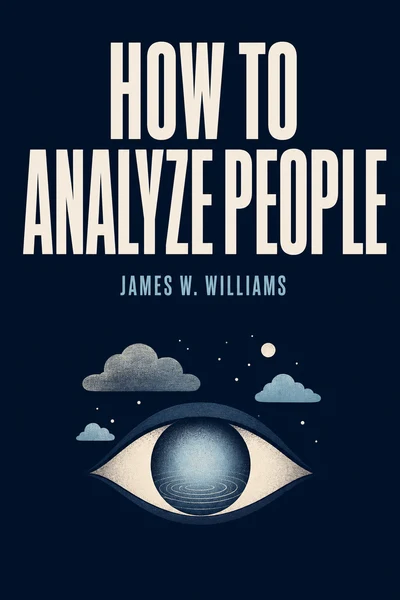
Signs that a person or persons like you. Signs that a person is manipulating you. How to protect yourself

Preguntas frecuentes
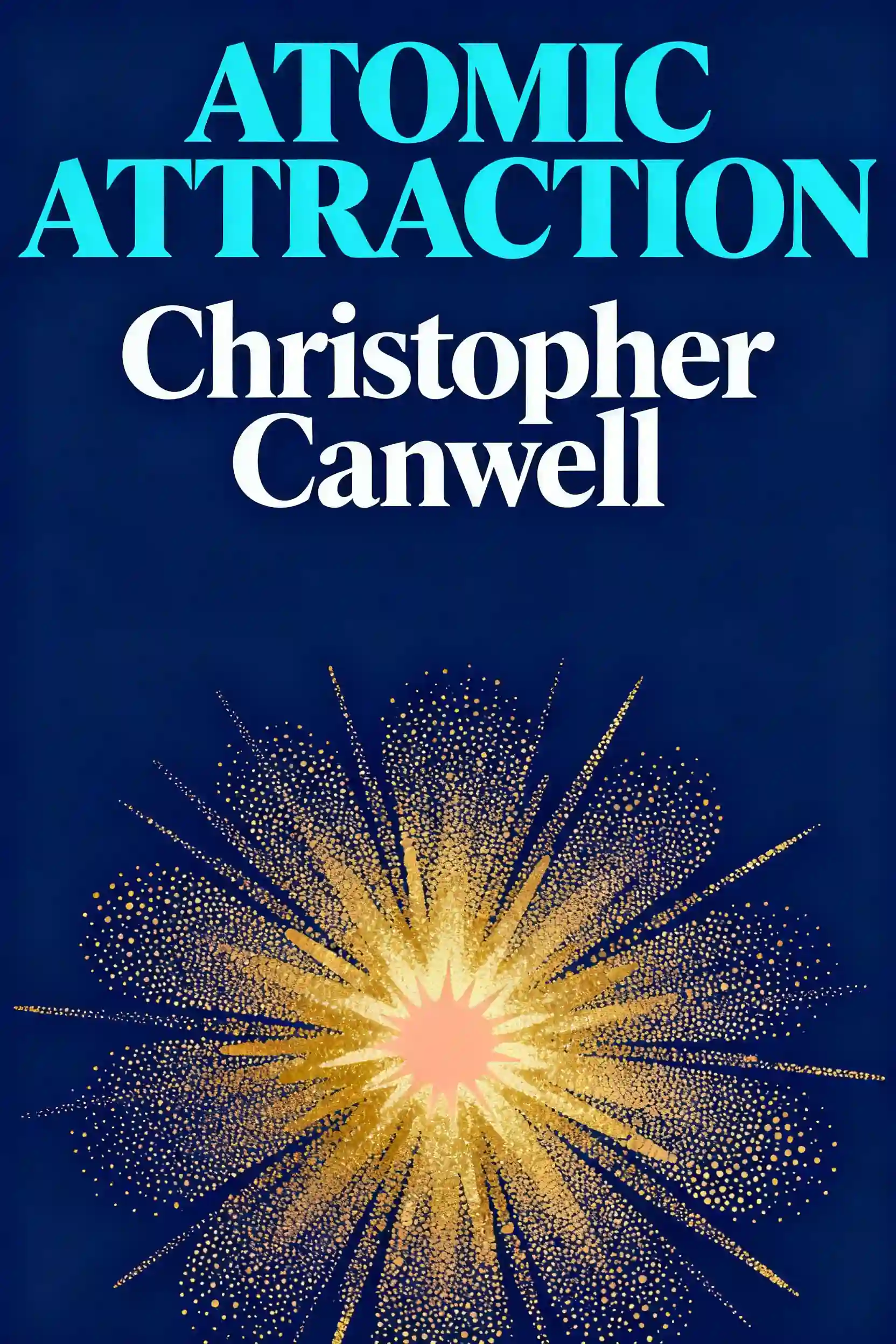
Love bombing is an overwhelming flood of affection, praise, and intensity used at the start of a relationship to create rapid emotional dependency. While it feels like a fairytale, it is often a strategic grooming tactic used by manipulators to pull someone into their orbit before the victim can clearly evaluate them. The key difference lies in the "why" behind the affection: a healthy connection is built on mutual respect and autonomy, whereas love bombing is one-sided and designed to gain power and control.
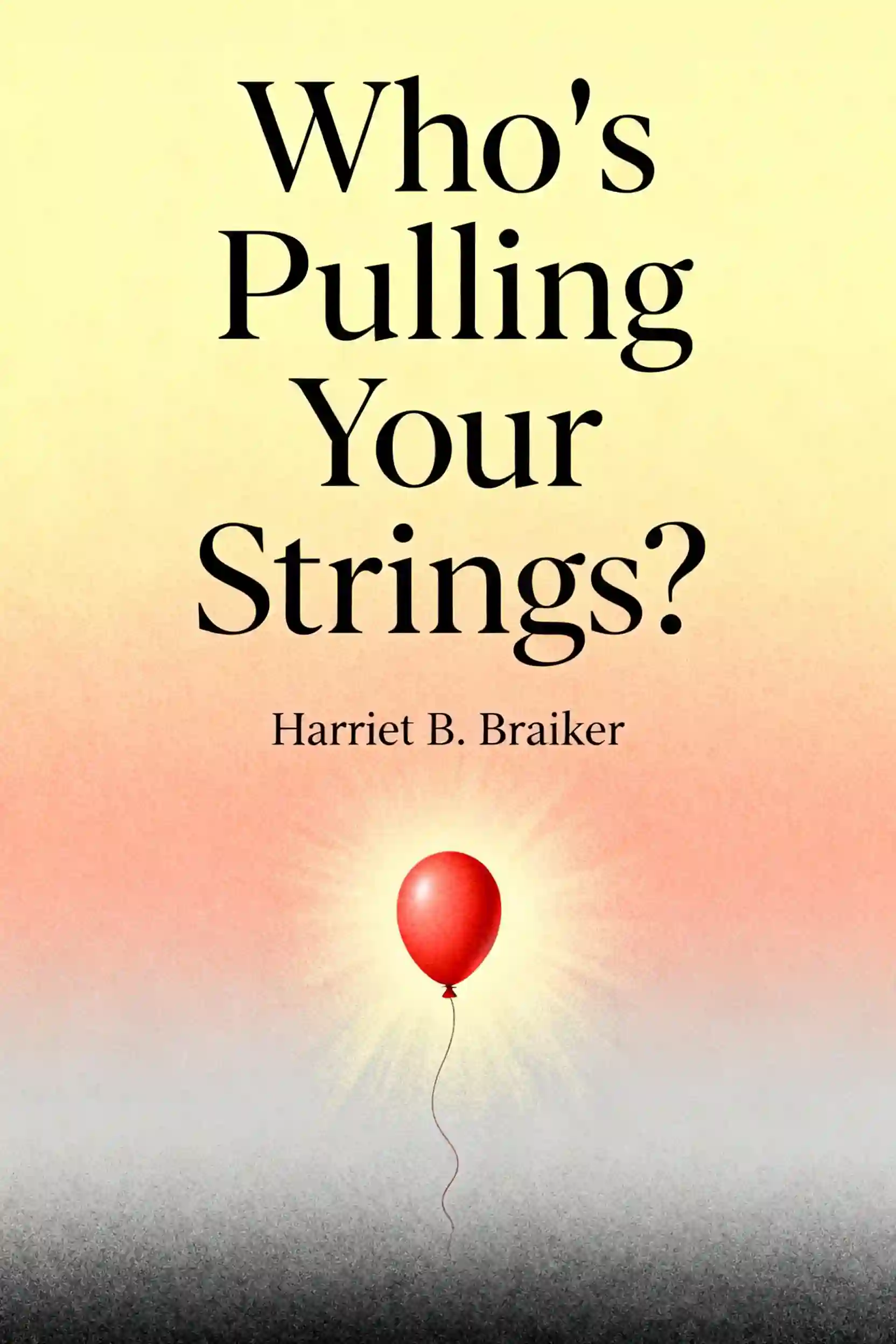
DARVO stands for Deny, Attack, and Reverse Victim and Offender. It is a manipulation tactic where, upon being confronted with their harmful behavior, the manipulator first denies the event occurred, then attacks the credibility of the person confronting them (often calling them "crazy" or "too sensitive"). Finally, they flip the script to claim they are the actual victim. This is highly effective because it makes the true victim look less believable to outsiders and forces them to defend themselves rather than addressing the original issue.
Intermittent reinforcement is a psychological mechanism where rewards—such as affection or warmth—are given unpredictably. This mirrors the logic of gambling addiction; once a person is hooked on the "good phase" of a relationship, the manipulator begins rationing affection. The victim becomes hyper-focused on earning back that warmth, investing more energy into the relationship to stop the pain of withdrawal. This creates a "trauma bond" where the relief of a temporary "good" period masks the underlying psychological harm.
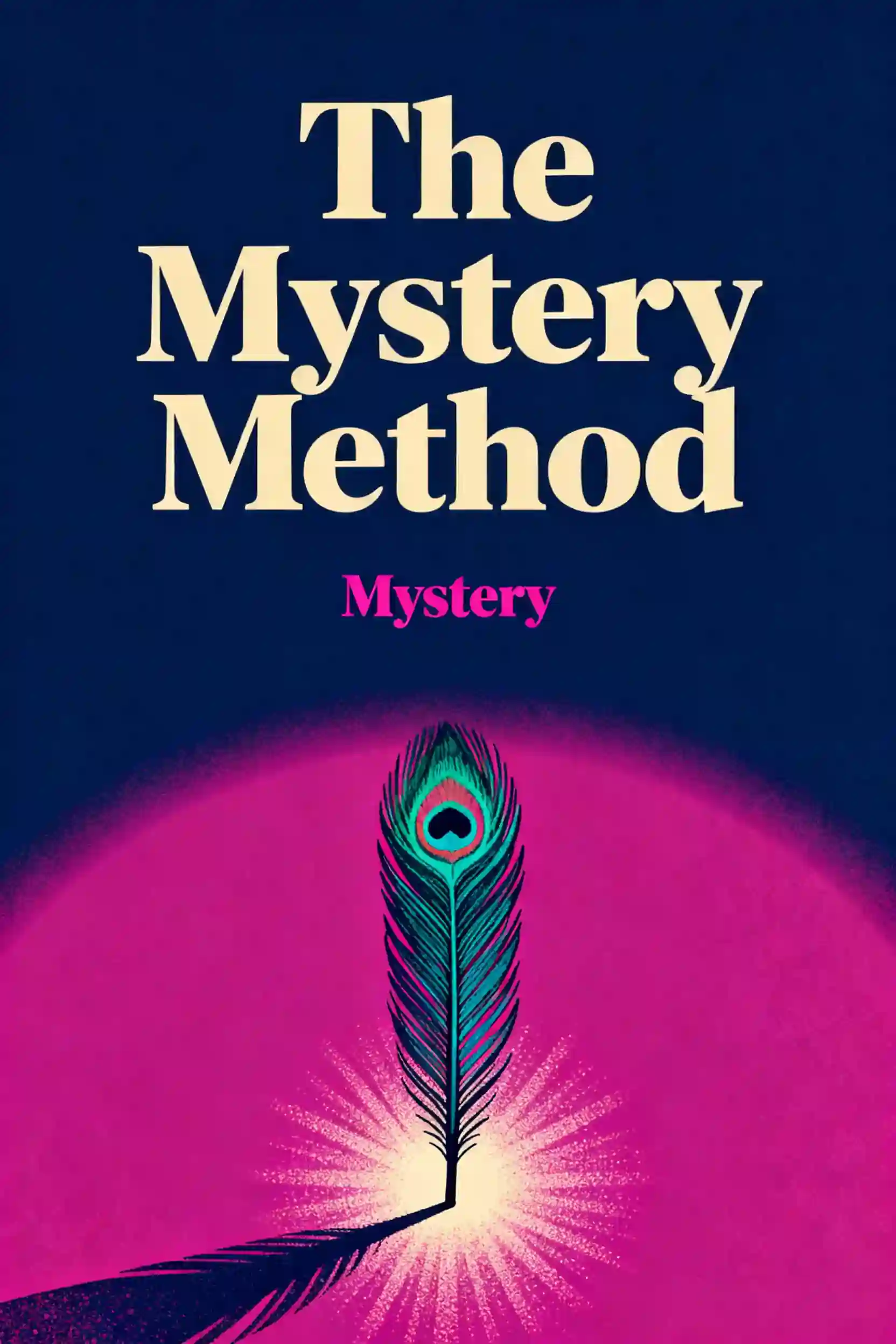
The Gray Rock Method is a short-term strategy used to deal with a manipulator by becoming as uninteresting and unresponsive as possible. By giving short, non-committal answers and refusing to share personal information or emotional triggers, you "starve" the manipulator of the emotional fuel they need to exert control. This is particularly useful as a protective measure while a person is planning a safe exit from a manipulative or high-conflict environment.
A real boundary is about the actions you will take to protect your own peace and well-being, such as leaving a room if you are being insulted. It is an invitation to a healthier dynamic based on self-awareness. In contrast, a control tactic—often disguised as "therapy speak"—is used to dictate someone else's behavior or involves punishment and impossible demands. If a "boundary" is meant to erode your autonomy or coerce you into compliance, it is actually a tool for manipulation.
Creado por exalumnos de la Universidad de Columbia en San Francisco
"Instead of endless scrolling, I just hit play on BeFreed. It saves me so much time."


"I never knew where to start with nonfiction—BeFreed’s book lists turned into podcasts gave me a clear path."


"Perfect balance between learning and entertainment. Finished ‘Thinking, Fast and Slow’ on my commute this week."
"Crazy how much I learned while walking the dog. BeFreed = small habits → big gains."
"Reading used to feel like a chore. Now it’s just part of my lifestyle."

"Feels effortless compared to reading. I’ve finished 6 books this month already."
"BeFreed turned my guilty doomscrolling into something that feels productive and inspiring."

"BeFreed turned my commute into learning time. 20-min podcasts are perfect for finishing books I never had time for."
"BeFreed replaced my podcast queue. Imagine Spotify for books — that’s it. 🙌"

"It is great for me to learn something from the book without reading it."
"The themed book list podcasts help me connect ideas across authors—like a guided audio journey."
"Makes me feel smarter every time before going to work"
Creado por exalumnos de la Universidad de Columbia en San Francisco
"Instead of endless scrolling, I just hit play on BeFreed. It saves me so much time."
"I never knew where to start with nonfiction—BeFreed’s book lists turned into podcasts gave me a clear path."
"Perfect balance between learning and entertainment. Finished ‘Thinking, Fast and Slow’ on my commute this week."
"Crazy how much I learned while walking the dog. BeFreed = small habits → big gains."
"Reading used to feel like a chore. Now it’s just part of my lifestyle."
"Feels effortless compared to reading. I’ve finished 6 books this month already."
"BeFreed turned my guilty doomscrolling into something that feels productive and inspiring."
"BeFreed turned my commute into learning time. 20-min podcasts are perfect for finishing books I never had time for."
"BeFreed replaced my podcast queue. Imagine Spotify for books — that’s it. 🙌"
"It is great for me to learn something from the book without reading it."
"The themed book list podcasts help me connect ideas across authors—like a guided audio journey."
"Makes me feel smarter every time before going to work"
"Instead of endless scrolling, I just hit play on BeFreed. It saves me so much time."
"I never knew where to start with nonfiction—BeFreed’s book lists turned into podcasts gave me a clear path."
"Perfect balance between learning and entertainment. Finished ‘Thinking, Fast and Slow’ on my commute this week."
"Crazy how much I learned while walking the dog. BeFreed = small habits → big gains."
"Reading used to feel like a chore. Now it’s just part of my lifestyle."
"Feels effortless compared to reading. I’ve finished 6 books this month already."
"BeFreed turned my guilty doomscrolling into something that feels productive and inspiring."
"BeFreed turned my commute into learning time. 20-min podcasts are perfect for finishing books I never had time for."
"BeFreed replaced my podcast queue. Imagine Spotify for books — that’s it. 🙌"
"It is great for me to learn something from the book without reading it."
"The themed book list podcasts help me connect ideas across authors—like a guided audio journey."
"Makes me feel smarter every time before going to work"
"Instead of endless scrolling, I just hit play on BeFreed. It saves me so much time."
"I never knew where to start with nonfiction—BeFreed’s book lists turned into podcasts gave me a clear path."
"Perfect balance between learning and entertainment. Finished ‘Thinking, Fast and Slow’ on my commute this week."
"Crazy how much I learned while walking the dog. BeFreed = small habits → big gains."
"Reading used to feel like a chore. Now it’s just part of my lifestyle."
"Feels effortless compared to reading. I’ve finished 6 books this month already."
"BeFreed turned my guilty doomscrolling into something that feels productive and inspiring."
"BeFreed turned my commute into learning time. 20-min podcasts are perfect for finishing books I never had time for."
"BeFreed replaced my podcast queue. Imagine Spotify for books — that’s it. 🙌"
"It is great for me to learn something from the book without reading it."
"The themed book list podcasts help me connect ideas across authors—like a guided audio journey."
"Makes me feel smarter every time before going to work"