How Neural Networks Change Everything
Traditional coding relied on rigid rules, but neural networks learn from patterns. Discover how this shift from logic to data unlocks massive scale.

Mejor cita de How Neural Networks Change Everything
We’re moving toward systems that try to combine the raw pattern-recognition power of neural networks with the logical guardrails of symbolic AI. It’s about getting the best of both worlds—the adaptability of learning and the reliability of rules.

Esta lección de audio fue creada por un miembro de la comunidad BeFreed
Understand the cutting edge with machine learning and neural networks. Start with core capabilities and how this is fundamentally different from prior technologies.

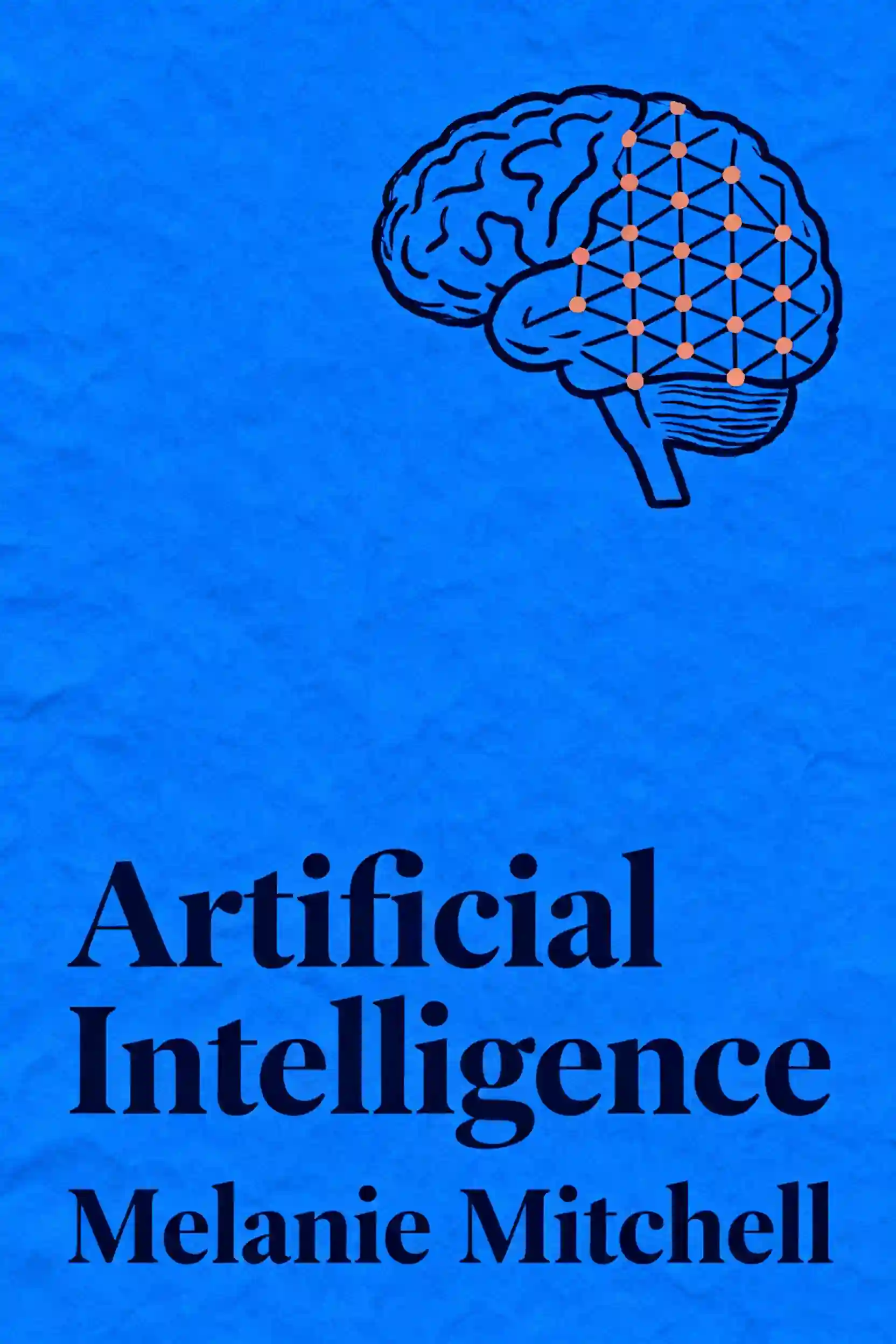
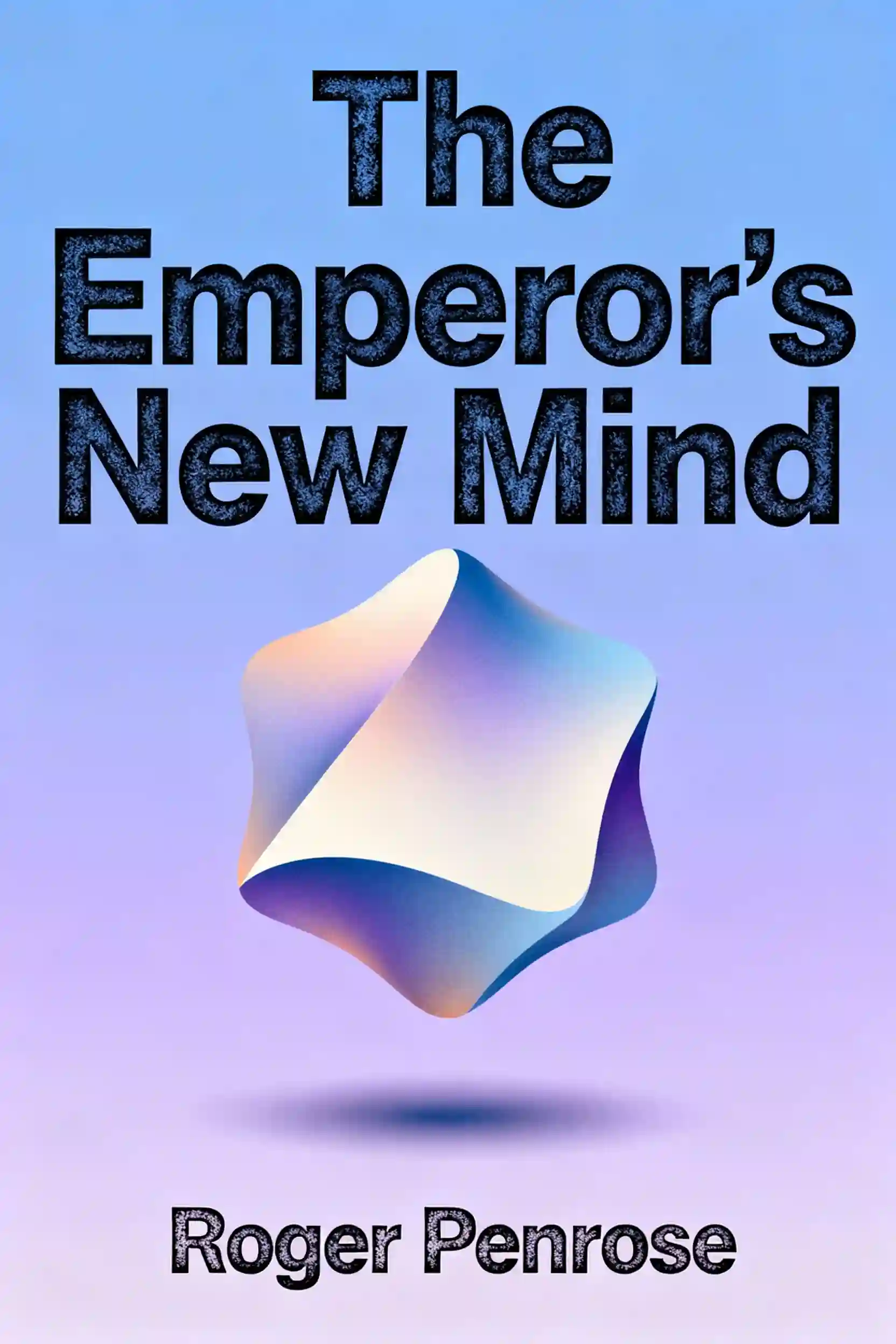
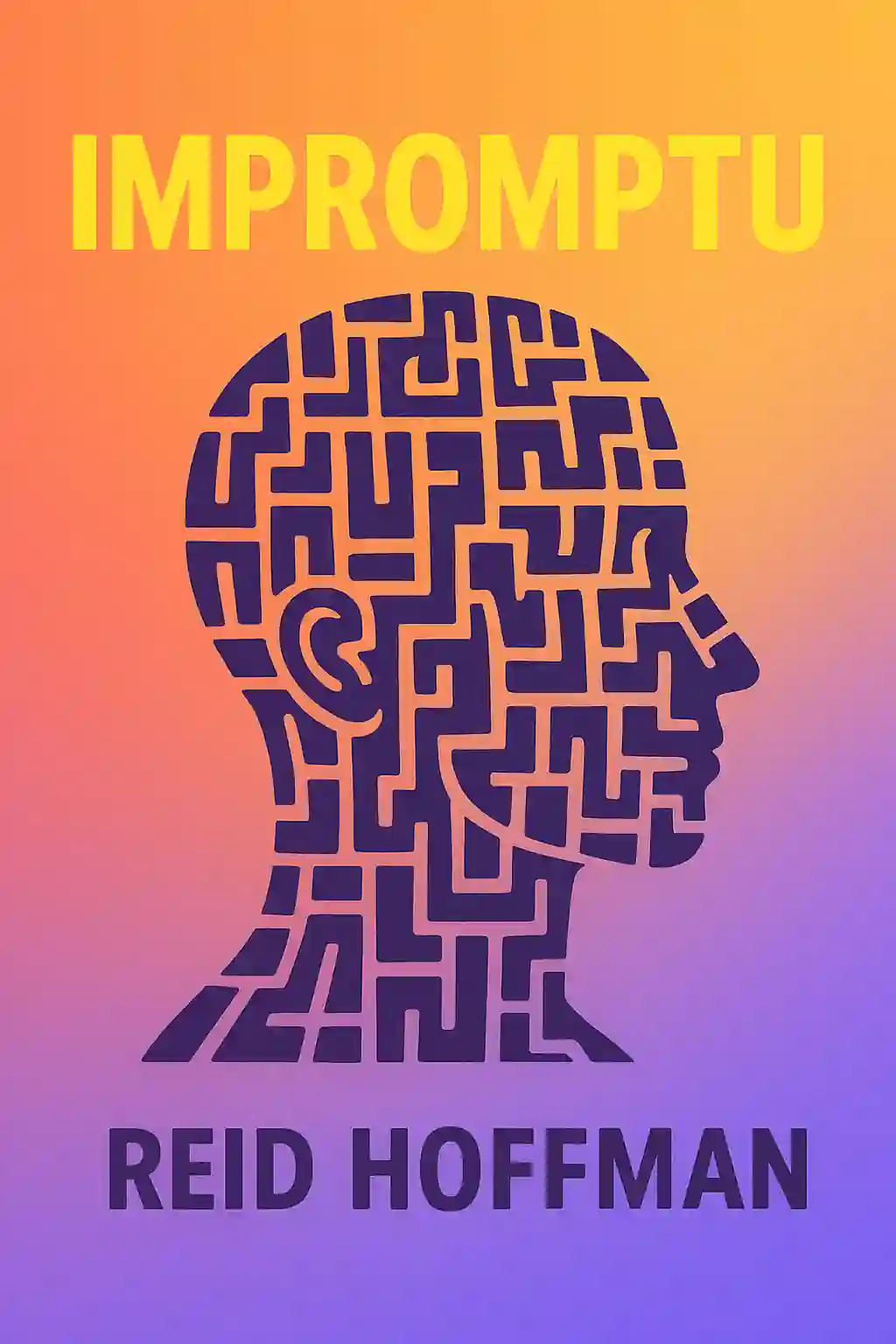
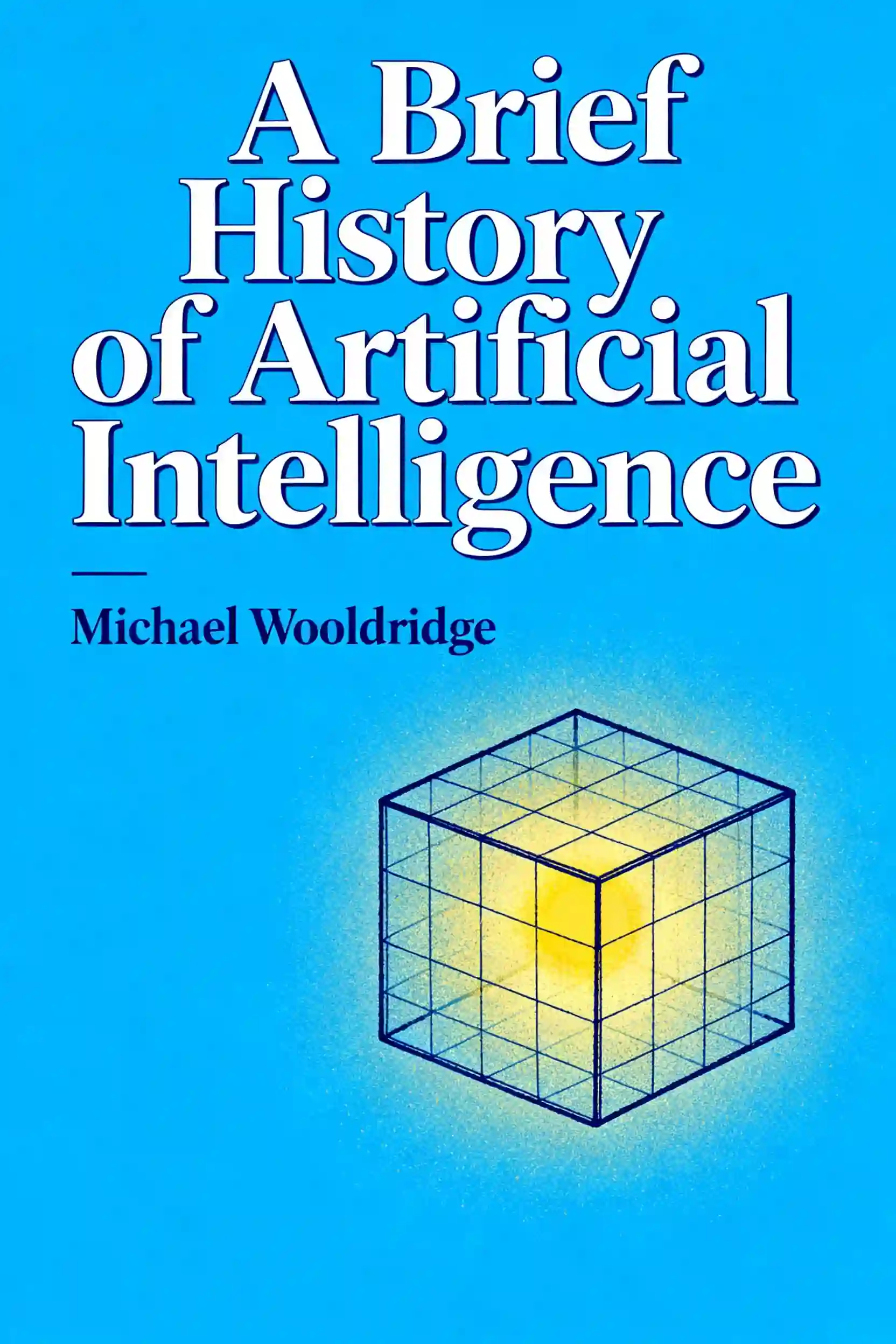
Preguntas frecuentes
Symbolic AI represents the older era of computing where programmers wrote rigid "if-then" rules for every scenario. These systems were transparent and logical but brittle because they broke if data didn't fit the predefined rules. In contrast, neural networks are inspired by biological neurons and learn from examples through data-driven pattern recognition. While neural networks are more adaptable and can handle messy, unstructured data, they often function as a "black box," making it difficult to explain the specific logic behind their decisions.
Information enters a neural network through an input layer and passes through multiple hidden layers before reaching an output layer. Each connection between neurons has a "weight," which acts like a volume knob determining how much influence one neuron has on the next. During training, the network adjusts millions of these weights to recognize patterns. Earlier layers identify simple features like edges or lines, while deeper layers build up complexity to recognize abstract concepts like textures, shapes, and eventually complex objects like faces or cars.
Emergence refers to the phenomenon where a model suddenly gains a new ability, such as multi-digit addition, once it reaches a certain size or parameter threshold. While it looks like a sudden "phase transition" similar to water boiling, some researchers argue it may be a "mirage" caused by how we measure success. If success is measured by "exact matches," progress looks like a sudden jump; however, using continuous metrics often reveals that the model was actually improving its internal representations steadily and incrementally over time.
In reinforcement learning, an Outcome Reward only evaluates the final answer, similar to a teacher who only grades the final result of a math problem. A Process Reward Model, however, evaluates every individual step of the reasoning process. It rewards the model for clear, logical transitions and penalizes it for "wrong turns," even if the model eventually stumbles onto the correct answer. This approach is used to create "Large Reasoning Models" that are more reliable and less prone to hallucinations.
Hybrid AI combines the intuitive pattern-recognition power of neural networks with the rigid, logical guardrails of symbolic AI. In this setup, the neural network handles "perception"—such as identifying a tumor in a medical scan—while the symbolic system applies "reasoning" and "rules," such as checking the finding against medical protocols and dosage limits. This integration allows for systems that are both highly capable and strictly governed by human-defined laws, ethics, and safety standards.
Descubre más

I want to learn about NLP.
This comprehensive path bridges the gap between basic programming and state-of-the-art AI, focusing on the revolutionary transformer architectures that define modern technology. It is ideal for aspiring data scientists and software engineers looking to build sophisticated, language-aware applications.

OpenAI Codex: The Non-Coder's Masterclass
As AI transforms software development, the ability to command code through natural language is becoming a vital superpower for non-technical professionals. This masterclass is designed for entrepreneurs and creators who want to build functional web applications without the traditional learning curve of programming languages.

Transformers
This learning plan is essential for developers and tech enthusiasts looking to master the technology driving the current AI boom. It bridges the gap between theoretical neural networks and practical implementation of state-of-the-art Large Language Models.

Master Learning: Dark Triad & Neural Models
This interdisciplinary plan bridges the gap between behavioral psychology and computational neuroscience to provide a unique edge in the modern digital landscape. It is ideal for professionals and tech enthusiasts who want to master both human influence and machine learning logic to navigate complex social and technical environments.

NLP (Neuro-Linguistics Programing)
This comprehensive plan bridges the gap between cognitive psychology and practical application, making it essential for anyone seeking personal or professional transformation. It is ideal for leaders, therapists, and communicators looking to master the art of influence and subconscious change.

claude code
This curriculum bridges the gap between foundational programming and advanced AI implementation using Claude. It is ideal for developers and tech enthusiasts looking to master the full stack of intelligent application development, from Python basics to neural networks.

Ai learning
As AI reshapes every industry, understanding its technical core and ethical boundaries is no longer optional. This plan is ideal for professionals and tech enthusiasts who want to transition from passive users to active creators of intelligent systems.

Codex Masterclass: From Scripts to Agents
As software engineering shifts toward AI-driven automation, mastering agentic workflows is becoming a critical skill for modern developers. This masterclass is ideal for engineers looking to move beyond basic code completion and build sophisticated, context-aware autonomous systems.
Creado por exalumnos de la Universidad de Columbia en San Francisco
"Instead of endless scrolling, I just hit play on BeFreed. It saves me so much time."


"I never knew where to start with nonfiction—BeFreed’s book lists turned into podcasts gave me a clear path."


"Perfect balance between learning and entertainment. Finished ‘Thinking, Fast and Slow’ on my commute this week."
"Crazy how much I learned while walking the dog. BeFreed = small habits → big gains."
"Reading used to feel like a chore. Now it’s just part of my lifestyle."

"Feels effortless compared to reading. I’ve finished 6 books this month already."
"BeFreed turned my guilty doomscrolling into something that feels productive and inspiring."

"BeFreed turned my commute into learning time. 20-min podcasts are perfect for finishing books I never had time for."
"BeFreed replaced my podcast queue. Imagine Spotify for books — that’s it. 🙌"

"It is great for me to learn something from the book without reading it."
"The themed book list podcasts help me connect ideas across authors—like a guided audio journey."
"Makes me feel smarter every time before going to work"
Creado por exalumnos de la Universidad de Columbia en San Francisco
"Instead of endless scrolling, I just hit play on BeFreed. It saves me so much time."
"I never knew where to start with nonfiction—BeFreed’s book lists turned into podcasts gave me a clear path."
"Perfect balance between learning and entertainment. Finished ‘Thinking, Fast and Slow’ on my commute this week."
"Crazy how much I learned while walking the dog. BeFreed = small habits → big gains."
"Reading used to feel like a chore. Now it’s just part of my lifestyle."
"Feels effortless compared to reading. I’ve finished 6 books this month already."
"BeFreed turned my guilty doomscrolling into something that feels productive and inspiring."
"BeFreed turned my commute into learning time. 20-min podcasts are perfect for finishing books I never had time for."
"BeFreed replaced my podcast queue. Imagine Spotify for books — that’s it. 🙌"
"It is great for me to learn something from the book without reading it."
"The themed book list podcasts help me connect ideas across authors—like a guided audio journey."
"Makes me feel smarter every time before going to work"
"Instead of endless scrolling, I just hit play on BeFreed. It saves me so much time."
"I never knew where to start with nonfiction—BeFreed’s book lists turned into podcasts gave me a clear path."
"Perfect balance between learning and entertainment. Finished ‘Thinking, Fast and Slow’ on my commute this week."
"Crazy how much I learned while walking the dog. BeFreed = small habits → big gains."
"Reading used to feel like a chore. Now it’s just part of my lifestyle."
"Feels effortless compared to reading. I’ve finished 6 books this month already."
"BeFreed turned my guilty doomscrolling into something that feels productive and inspiring."
"BeFreed turned my commute into learning time. 20-min podcasts are perfect for finishing books I never had time for."
"BeFreed replaced my podcast queue. Imagine Spotify for books — that’s it. 🙌"
"It is great for me to learn something from the book without reading it."
"The themed book list podcasts help me connect ideas across authors—like a guided audio journey."
"Makes me feel smarter every time before going to work"
"Instead of endless scrolling, I just hit play on BeFreed. It saves me so much time."
"I never knew where to start with nonfiction—BeFreed’s book lists turned into podcasts gave me a clear path."
"Perfect balance between learning and entertainment. Finished ‘Thinking, Fast and Slow’ on my commute this week."
"Crazy how much I learned while walking the dog. BeFreed = small habits → big gains."
"Reading used to feel like a chore. Now it’s just part of my lifestyle."
"Feels effortless compared to reading. I’ve finished 6 books this month already."
"BeFreed turned my guilty doomscrolling into something that feels productive and inspiring."
"BeFreed turned my commute into learning time. 20-min podcasts are perfect for finishing books I never had time for."
"BeFreed replaced my podcast queue. Imagine Spotify for books — that’s it. 🙌"
"It is great for me to learn something from the book without reading it."
"The themed book list podcasts help me connect ideas across authors—like a guided audio journey."
"Makes me feel smarter every time before going to work"







![[ML 1.a] ML Foundations – Linear Combinations to Logistic Regression - Building AI Intuition](/_next/image?url=https%3A%2F%2Fd1y2du6z1jfm9e.cloudfront.net%2Fassets%2Fpodcast%2Fpurple.png&w=1024&q=50)