How We Learn: The New Science of Education and the Brain book cover

How We Learn

The New Science of Education and the Brain

Stanislas Dehaene
4.33 (2588 Reviews)

Resumen de How We Learn

Discover how your brain outsmarts AI in "How We Learn," where neuroscientist Dehaene reveals four pillars revolutionizing education: attention, engagement, feedback, and sleep. Debunking the "blank slate" myth, this science-backed guide has educators rethinking how we cultivate genius.

Temas clave en How We Learn

  • neural plasticity
  • cognitive architecture
  • probabilistic learning
  • educational neuroscience
  • innate knowledge

Citas de How We Learn

  • The brain is a prediction machine.

  • Learning evolved because it allows rapid adaptation to unpredictable environments.

  • Effective teaching must respect fundamental principles that work for all learners.

  • Pure learning without innate constraints doesn't exist.

Personajes en How We Learn

  • Stanislas DehaeneAuthor and neuroscientist studying learning
  • FelipeSeven-year-old boy used as a case study
  • Yann LeCunAI researcher mentioned for neural network models

Sobre el Autor

Sobre el autor de How We Learn

Stanislas Dehaene, author of How We Learn, is a world-renowned French cognitive neuroscientist and leading expert on the brain mechanisms underlying reading, numerical cognition, and consciousness.

A professor at the Collège de France and director of NeuroSpin, Europe’s advanced neuroimaging center, Dehaene combines decades of research on neural plasticity and cognitive development to explore how education shapes the brain. His work, including bestsellers like Reading in the Brain: The New Science of How We Read and Consciousness and the Brain: Deciphering How the Brain Codes Our Thoughts, bridges neuroscience and pedagogy, offering actionable insights into learning processes.

As president of France’s Scientific Council for Education, he advises national policies on evidence-based teaching methods. Dehaene’s research has earned international recognition, including the Brain Prize, the Louis D. Award, and fellowships in the U.S. National Academy of Sciences and the Royal Society. His books, translated into over 20 languages, are widely cited in academic and educational circles for revolutionizing our understanding of the mind.

Descargar resumen de How We Learn

Obtén el resumen de How We Learn como PDF o EPUB gratis. Imprímelo o léelo sin conexión en cualquier momento.

Preguntas Frecuentes Sobre Este Libro

How We Learn explores the neuroscience behind learning, revealing how the brain absorbs and retains information. Dehaene outlines four pillars of effective learning: attention, active engagement, error feedback, and consolidation. The book bridges scientific research with practical strategies, offering insights into optimizing study habits, teaching methods, and lifelong skill development.

Educators, parents, students, and professionals seeking evidence-based learning techniques will benefit from this book. It’s also valuable for AI researchers interested in how biological learning processes inspire machine learning. Dehaene’s blend of neuroscience and actionable advice makes it accessible to anyone curious about enhancing cognitive growth.

Yes—readers praise its research-backed insights and practicality. Reviewers highlight its clear explanations of complex concepts like neuroplasticity and memory consolidation. Educators appreciate its classroom applications, while self-learners gain strategies for efficient studying. The book is rated 8/10 for its balance of depth and readability.

Dehaene identifies:

  • Attention: Focusing mental resources on relevant information.
  • Active Engagement: Participating deeply rather than passively absorbing material.
  • Error Feedback: Using mistakes to refine understanding.
  • Consolidation: Strengthening memory through repetition and sleep.

The book recommends spacing out study sessions, interleaving topics, and prioritizing active recall (e.g., self-testing). Dehaene emphasizes dedicating 60% of study time to applying knowledge through practice questions or real-world tasks, rather than passive reading.

This concept describes how humans accumulate and transmit knowledge across generations. Dehaene argues that trusting authoritative insights accelerates learning, but stresses balancing this with critical thinking to avoid misinformation.

While both explore learning science, Dehaene focuses more on neuroscience and foundational cognitive processes, whereas Carey emphasizes practical hacks like strategic breaks and environmental cues. Dehaene’s work is ideal for understanding why strategies work; Carey’s for how to implement them.

Absolutely. The book provides frameworks for designing lessons that boost attention, encourage problem-solving, and leverage feedback. For example, it advocates using “desirable difficulties”—challenges that engage students without overwhelming them—to enhance long-term retention.

Some readers find parts overly technical, and others note it spends less time on socioemotional learning factors. A few reviewers wanted more direct classroom templates, though the principles are adaptable across contexts.

As AI and adaptive learning tools evolve, understanding the brain’s innate mechanisms remains critical. Dehaene’s insights help readers navigate digital distractions, optimize online education, and foster creativity in an automation-driven world.

  • “Learning is reorganizing the brain.”
    Highlights neuroplasticity and the brain’s adaptability.
  • “Sleep is the brain’s secret consolidation tool.”
    Underscores sleep’s role in solidifying memories.

Yes. Dehaene suggests techniques like:

  • Interleaving: Mixing topics during study sessions.
  • Spaced Repetition: Revisiting material at increasing intervals.
  • Metacognition: Reflecting on what you’ve learned and adjusting strategies.

The book cautions against overreliance on digital tools, advocating for balanced use. It notes that while apps can aid practice, human interaction and deliberate reflection remain irreplaceable for deep learning.

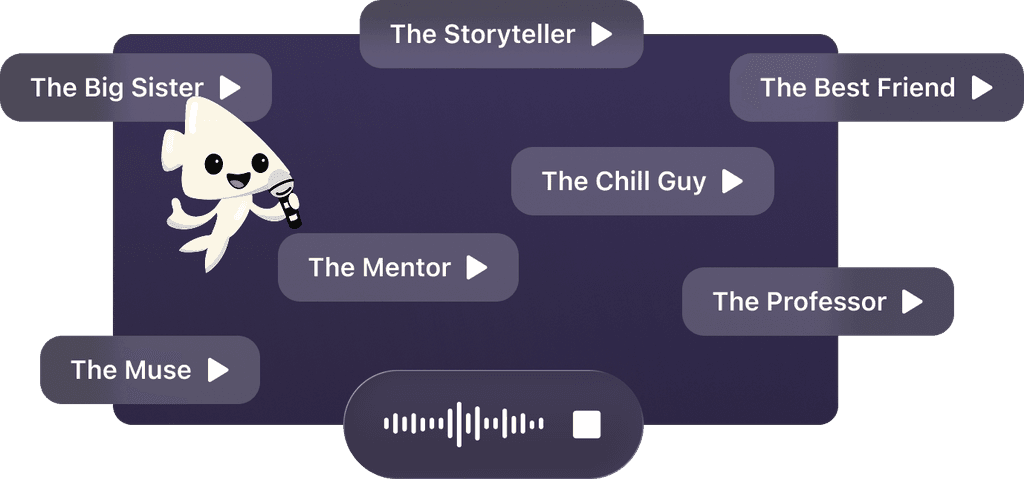
Explora Tu Forma de Aprender

How We Learn no es solo un libro — es una clase magistral en Psychology. Para ayudarte a absorber sus lecciones de la manera que mejor te funcione, ofrecemos cinco modos de aprendizaje únicos. Ya seas un pensador profundo, un aprendiz rápido o un amante de las historias, hay un modo diseñado para tu estilo.

Modo Personalizar

Experimenta How We Learn con tu propio estilo de aprendizaje

Pregunta cualquier cosa, elige tu estilo de aprendizaje y co-crea ideas que realmente resuenen contigo.

Personalize Mode

Creado por exalumnos de la Universidad de Columbia en San Francisco

BeFreed Reúne a una Comunidad Global de 1,000,000 Mentes Curiosas

"Instead of endless scrolling, I just hit play on BeFreed. It saves me so much time."

@Moemenn
platform
star
star
star
star
star

"I never knew where to start with nonfiction—BeFreed’s book lists turned into podcasts gave me a clear path."

@Chloe, Solo founder, LA
platform
comments
12
likes
117

"Perfect balance between learning and entertainment. Finished ‘Thinking, Fast and Slow’ on my commute this week."

@Raaaaaachelw
platform
star
star
star
star
star

"Crazy how much I learned while walking the dog. BeFreed = small habits → big gains."

@Matt, YC alum
platform
comments
12
likes
108

"Reading used to feel like a chore. Now it’s just part of my lifestyle."

@Erin, Investment Banking Associate , NYC
platform
comments
254
likes
17

"Feels effortless compared to reading. I’ve finished 6 books this month already."

@djmikemoore
platform
star
star
star
star
star

"BeFreed turned my guilty doomscrolling into something that feels productive and inspiring."

@Pitiful
platform
comments
96
likes
4.5K

"BeFreed turned my commute into learning time. 20-min podcasts are perfect for finishing books I never had time for."

@SofiaP
platform
star
star
star
star
star

"BeFreed replaced my podcast queue. Imagine Spotify for books — that’s it. 🙌"

@Jaded_Falcon
platform
comments
201
thumbsUp
16

"It is great for me to learn something from the book without reading it."

@OojasSalunke
platform
star
star
star
star
star

"The themed book list podcasts help me connect ideas across authors—like a guided audio journey."

@Leo, Law Student, UPenn
platform
comments
37
likes
483

"Makes me feel smarter every time before going to work"

@Cashflowbubu
platform
star
star
star
star
star

"Instead of endless scrolling, I just hit play on BeFreed. It saves me so much time."

@Moemenn
platform
star
star
star
star
star

"I never knew where to start with nonfiction—BeFreed’s book lists turned into podcasts gave me a clear path."

@Chloe, Solo founder, LA
platform
comments
12
likes
117

"Perfect balance between learning and entertainment. Finished ‘Thinking, Fast and Slow’ on my commute this week."

@Raaaaaachelw
platform
star
star
star
star
star

"Crazy how much I learned while walking the dog. BeFreed = small habits → big gains."

@Matt, YC alum
platform
comments
12
likes
108

"Reading used to feel like a chore. Now it’s just part of my lifestyle."

@Erin, Investment Banking Associate , NYC
platform
comments
254
likes
17

"Feels effortless compared to reading. I’ve finished 6 books this month already."

@djmikemoore
platform
star
star
star
star
star

"BeFreed turned my guilty doomscrolling into something that feels productive and inspiring."

@Pitiful
platform
comments
96
likes
4.5K

"BeFreed turned my commute into learning time. 20-min podcasts are perfect for finishing books I never had time for."

@SofiaP
platform
star
star
star
star
star

"BeFreed replaced my podcast queue. Imagine Spotify for books — that’s it. 🙌"

@Jaded_Falcon
platform
comments
201
thumbsUp
16

"It is great for me to learn something from the book without reading it."

@OojasSalunke
platform
star
star
star
star
star

"The themed book list podcasts help me connect ideas across authors—like a guided audio journey."

@Leo, Law Student, UPenn
platform
comments
37
likes
483

"Makes me feel smarter every time before going to work"

@Cashflowbubu
platform
star
star
star
star
star

"Instead of endless scrolling, I just hit play on BeFreed. It saves me so much time."

@Moemenn
platform
star
star
star
star
star

"I never knew where to start with nonfiction—BeFreed’s book lists turned into podcasts gave me a clear path."

@Chloe, Solo founder, LA
platform
comments
12
likes
117

"Perfect balance between learning and entertainment. Finished ‘Thinking, Fast and Slow’ on my commute this week."

@Raaaaaachelw
platform
star
star
star
star
star

"Crazy how much I learned while walking the dog. BeFreed = small habits → big gains."

@Matt, YC alum
platform
comments
12
likes
108

"Reading used to feel like a chore. Now it’s just part of my lifestyle."

@Erin, Investment Banking Associate , NYC
platform
comments
254
likes
17

"Feels effortless compared to reading. I’ve finished 6 books this month already."

@djmikemoore
platform
star
star
star
star
star

"BeFreed turned my guilty doomscrolling into something that feels productive and inspiring."

@Pitiful
platform
comments
96
likes
4.5K

"BeFreed turned my commute into learning time. 20-min podcasts are perfect for finishing books I never had time for."

@SofiaP
platform
star
star
star
star
star

"BeFreed replaced my podcast queue. Imagine Spotify for books — that’s it. 🙌"

@Jaded_Falcon
platform
comments
201
thumbsUp
16

"It is great for me to learn something from the book without reading it."

@OojasSalunke
platform
star
star
star
star
star

"The themed book list podcasts help me connect ideas across authors—like a guided audio journey."

@Leo, Law Student, UPenn
platform
comments
37
likes
483

"Makes me feel smarter every time before going to work"

@Cashflowbubu
platform
star
star
star
star
star

¿Ver Más Historias?

Cómo la gente habla de BeFreed en la web
1.5K Ratings4.7
Comienza tu viaje de aprendizaje, ahora