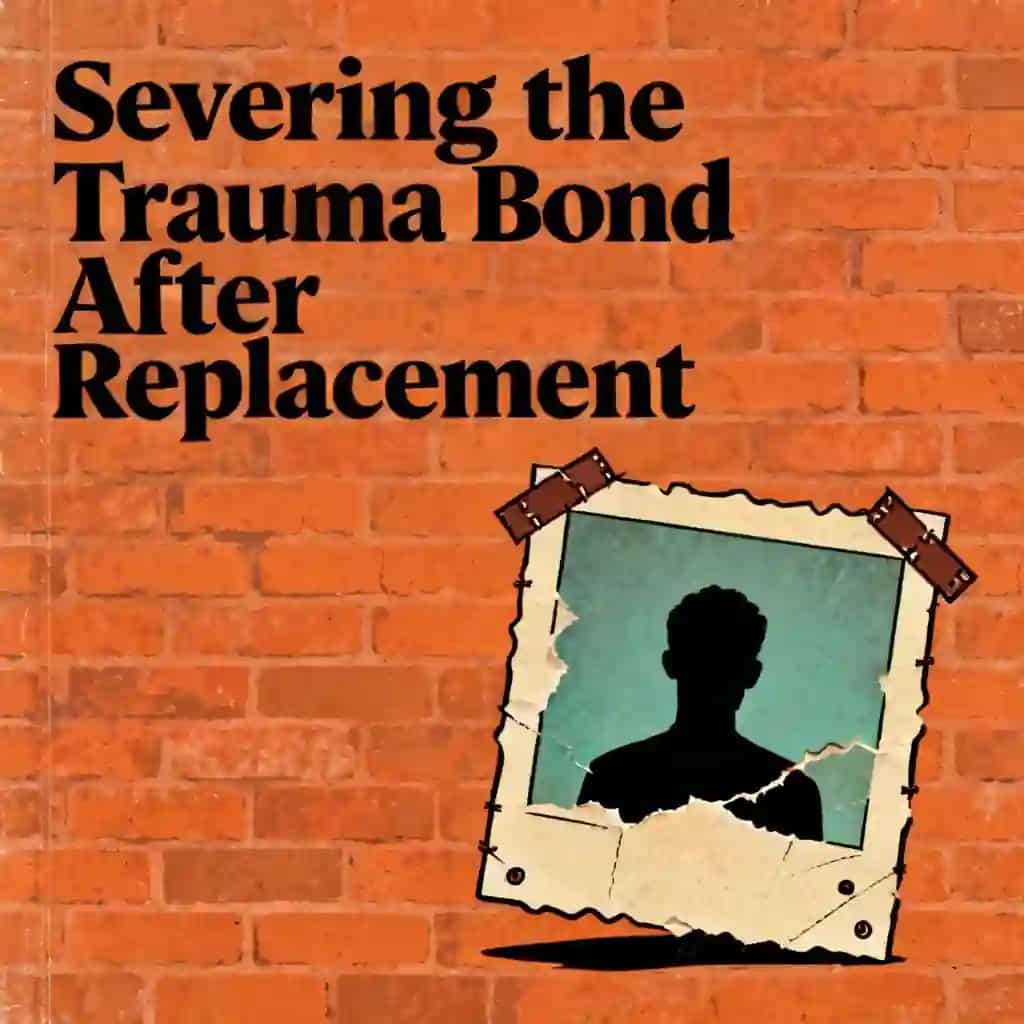




Explore how to heal the betrayal wound when left for someone else. Understand double grief, attachment rupture, and the neurological impact of relationship trauma.

You aren't weak for feeling shattered—you are responding exactly how a human brain is wired to respond when its primary source of safety becomes the source of danger. Your worth is not a negotiation with someone who left; it is a foundation you build for yourself, brick by brick.
Healing and rebuilding self-worth and future after being left for another woman, focusing on moving forward and self-recovery.


The betrayal wound occurs when a partner leaves for someone else, creating a psychological event that differs from a standard breakup. It triggers a survival-level threat in the brain because your primary source of safety becomes the source of danger. This attachment rupture causes intense pain because you are forced to grieve the relationship you thought you had while simultaneously facing an involuntary comparison to a stranger, leading to a state of high neurological alert.
Double grief refers to the complex emotional process of mourning two things simultaneously after being left for another person. First, you grieve the loss of the partner and the future of the relationship. Second, you experience the loss of trust in your own perception of reality. This neurological disruption makes the healing process more difficult than a typical split because it shatters your sense of safety and forces you to re-evaluate your past experiences.
Yes, research indicates that approximately forty-five percent of people who experience this specific kind of betrayal report PTSD-equivalent symptoms. These can include hypervigilance, intrusive memories, and a nervous system stuck in a state of high alert. Because the brain's amygdala perceives the attachment rupture as a threat to survival, it is common to feel shattered. These reactions are predictable neurological outputs rather than a sign of personal weakness or simple sadness.
Betrayal causes significant neurological disruption, specifically within the brain's threat-detection system centered in the amygdala. When you are left for someone else, your nervous system treats the event as a survival-level threat, effectively signaling that your world is no longer safe. This response is a wired human reaction to an attachment rupture. Understanding that your brain is responding to a specific psychological injury is a vital step in healing the betrayal wound and managing relationship trauma.
Creado por exalumnos de la Universidad de Columbia en San Francisco
"Instead of endless scrolling, I just hit play on BeFreed. It saves me so much time."
"I never knew where to start with nonfiction—BeFreed’s book lists turned into podcasts gave me a clear path."
"Perfect balance between learning and entertainment. Finished ‘Thinking, Fast and Slow’ on my commute this week."
"Crazy how much I learned while walking the dog. BeFreed = small habits → big gains."
"Reading used to feel like a chore. Now it’s just part of my lifestyle."
"Feels effortless compared to reading. I’ve finished 6 books this month already."
"BeFreed turned my guilty doomscrolling into something that feels productive and inspiring."
"BeFreed turned my commute into learning time. 20-min podcasts are perfect for finishing books I never had time for."
"BeFreed replaced my podcast queue. Imagine Spotify for books — that’s it. 🙌"
"It is great for me to learn something from the book without reading it."
"The themed book list podcasts help me connect ideas across authors—like a guided audio journey."
"Makes me feel smarter every time before going to work"
Creado por exalumnos de la Universidad de Columbia en San Francisco