BeFreed
    Categories>Psychology>First date attraction and the 42-minute window

    First date attraction and the 42-minute window

    26 min
    |
    |
    26 mar 2026
    • Psychology
    • Relationships
    • Self-Growth

    Struggling to make a connection? Learn how to balance warmth and competence during the first 42 minutes to build attraction and secure a second date.

    First date attraction and the 42-minute window
    0:00 / 0:00
    Elige cómo se cuenta

    Un episodio. Muchas formas de escucharlo.

    Las mismas ideas de First date attraction and the 42-minute window. Elige la voz, profundidad y ritmo que más te convengan. Cambia cuando quieras.

    Transcripción y capítulos

    Capítulo 1

    The 42-Minute First Impression Window

    Lena: You know, Miles, I was reading something wild the other day. Apparently, when you’re on a first date, you have an average of just 42 minutes to make an impression that leads to a second one.

    Miles: Only 42 minutes? That’s barely enough time to order a drink and get through the "where are you from" phase.

    Lena: It gets even more intense—for nearly one in five people, that decision window narrows down to just the first 10 minutes. It’s like this high-stakes balancing act between warmth and competence before the appetizers even arrive.

    Miles: Exactly, and that’s why "just be yourself" is actually pretty incomplete advice. You want to be your best self. It’s about understanding the psychology of the "Halo Effect"—how your grooming, your posture, and even how you treat the server can double your chances of a "yes" for round two.

    Lena: So let’s dive into the practical protocol for acing those first few minutes and securing that interest.

    Capítulo 2

    Beyond the Surface—The Real Architecture of Attraction

    Lena: So, we’ve talked about that initial 42 minute window, but what’s actually happening under the hood? It’s not just about picking a cool bar and making eye contact, right?

    Miles: Not even close. If we want to really get into how to be more attractive and actually secure a girl’s interest, we have to look at the three distinct psychological systems that women use—mostly subconsciously—to evaluate a guy. I was reading some research from relationship experts who’ve spent over twenty years looking at this, and they call it the Attraction Assessment.

    Lena: Three systems? That sounds like a full scale security clearance. What are we looking at?

    Miles: Think of it as a three-tier filter. System one is Biological Compatibility. This is the ancient, evolutionary stuff. Her brain is basically asking, "Does he have high vitality? Is he healthy? Could he protect and provide?" It’s why things like posture and the way you move through a room matter so much.

    Lena: Right, like that "Confidence Signal" we hear about. It’s not just about talking big—it’s about moving like you belong there.

    Miles: Exactly. It’s about being comfortable in your own body. If you’re fidgeting or taking up as little space as possible, you’re signaling low biological value. But then you have system two: Emotional Safety. This is where most "bad boys" fail. This system asks, "Is he stable? Can I be vulnerable with him? Is he going to disappear when things get tough?"

    Lena: That makes sense. You can be the most "genetically fit" guy in the world, but if you feel dangerous or completely unreliable, that attraction is going to hit a wall fast.

    Miles: Precisely. And the third tier is Social Value. This is all about status and how others perceive you. Does being with you raise her status? Are you respected by your peers? When all three of these systems—Biological, Emotional, and Social—signal "green," that’s when deep, lasting attraction happens.

    Lena: It’s interesting because you often see guys who are great at one but ignore the others. Like the "Nice Guy" who is 10/10 on emotional safety but doesn't show any biological competence or social leadership.

    Miles: You hit the nail on the head. He’s safe, but he’s not exciting. On the flip side, the "Status Guy" might have the job and the respect, but if he lacks emotional intelligence, there’s no connection. To really secure interest, you have to integrate all three. You have to show you’re a man of purpose who is also empathetic and physically present.

    Lena: And that integration starts the moment you walk in. It’s not a performance you switch on; it’s a foundation you build. I love how this moves away from those "pick up" clichés and into actual human behavior.

    Miles: It really does. It’s about becoming a high-value man in your actual life, not just pretending to be one for an hour. Because, let’s be real, women are experts at spotting "fake confidence"—the loud talking, the bragging—it actually signals insecurity. Real confidence is quiet. It’s making a decision about where to eat without asking "where do you want to go?" five times. It’s handled with calm competence.

    Lena: So, if we’re looking at this as a roadmap, we’ve got the biological signals, the emotional bond, and the social proof. That’s a lot to manage on a first date!

    Miles: It is, but it gets easier when you realize they all feed into each other. For example, being kind to the service staff—something we mentioned earlier—is actually a massive signal for all three. It shows social value because you’re comfortable in the environment, emotional safety because you’re kind, and competence because you’re navigating the social situation with ease.

    Lena: It’s all connected. It’s like a "social signature" that you’re leaving behind.

    Aprende más con este episodio

    Lleva las ideas de este episodio a una experiencia de aprendizaje guiada en BeFreed.

    Capítulo 3

    The Warmth vs Competence Matrix—Auditing Your Vibe

    Miles: You know, Lena, if we’re going to give the listeners a real framework for their "vibe," we have to talk about the work of Nicholas Epley at Harvard. He found that we judge everyone we meet on two primary dimensions: Warmth and Competence.

    Lena: I’ve heard of this. It’s basically like a four quadrant grid, right?

    Miles: Exactly. And where you land on that grid determines exactly how someone reacts to you. Think about it—if you have high warmth but low competence, people might like you, but they’ll pity you. You’re the "nice guy" who can’t get his life together.

    Lena: Ouch. And I’m guessing the opposite—high competence but low warmth—is even worse?

    Miles: That’s the "envy or fear" zone. You’re the guy who’s super successful, maybe even intimidatingly smart, but you’re cold. People don't want to be around that. They might respect your bank account, but they won't feel an attraction to you.

    Lena: So the goal is that top-right quadrant. High warmth and high competence.

    Miles: That’s the "Sweet Spot" for attraction. Warmth signals that you have good intentions—you’re kind, you’re empathetic, you actually listen. Competence signals that you have the ability to act on those intentions. You’re skilled, you’re confident, you’re effective.

    Lena: It’s such a powerful way to audit yourself. I mean, for everyone listening, think about your last few dates. Did you spend the whole time trying to prove how smart you are? That’s pushing the competence slider but ignoring warmth. Or were you so focused on being agreeable that you didn't show any backbone or skill? That’s all warmth, no competence.

    Miles: And here’s the kicker—warmth usually has to come first. Evolutionarily, we had to figure out if someone was a friend or an enemy before we cared if they were good at building a fire. So on a first date, if you don't establish warmth through active listening and genuine smiles, your competence might actually come off as arrogance.

    Lena: That’s a great point. It’s why "The Art of Charm" guys always talk about making the other person feel seen. That’s the ultimate warmth move. But how do you show competence without looking like you’re interviewing for a job?

    Miles: It’s in the details. It’s the "Halo Effect" in action. If you’re physically fit, people generalize that competence to your self-discipline and mental toughness. If you’re a great communicator, they assume you’re intelligent and emotionally stable. You don’t have to brag about your promotion; the way you handle a complicated menu or tell a concise, engaging story demonstrates competence for you.

    Lena: So it’s less about telling and more about signaling. If you excel in one visible area, the "Halo Effect" does the heavy lifting for the rest of your traits.

    Miles: Precisely. But the "Halo Effect" works in reverse, too. One negative trait—like being chronically late or complaining about the traffic—can create a "negative halo." Suddenly, she’s thinking, "If he can't manage his time or his mood on a first date, what else is he bad at?"

    Lena: It’s a lot of pressure, but it’s also empowering because these are skills. You can practice being warmer. You can work on your competence in a specific field. It’s not just a "born with it" thing.

    Miles: Exactly. It’s about balance. If you’re a naturally high-octane, successful guy, you might need to dial up the empathy and the "active listening" to soften that edge. If you’re a naturally sweet, empathetic guy, you might need to work on your decision-making and your physical presence to show you’ve got that "competence" factor.

    Lena: It’s like tuning an instrument. You’re adjusting the strings to get the perfect harmony.

    Capítulo 4

    The Proximity Principle—Why Showing Up is Half the Battle

    Miles: Lena, there’s this psychological concept called the "Mere Exposure Effect" that I think is totally underrated when it comes to securing interest. Basically, the more we encounter something or someone, the more we tend to like them.

    Lena: Familiarity breeds liking, not contempt? That goes against the whole "playing hard to get" thing, doesn't it?

    Miles: It really does. Research shows that physical proximity and repeated positive interactions are actually way more powerful than single dramatic gestures. People are much more likely to develop a relationship with someone they see regularly at a coffee shop, a gym, or a hobby group than some random person they met once at a loud club.

    Lena: So, the "secret" to being more attractive might just be... hanging out in the same places consistently?

    Miles: In a way, yes! It’s about creating "repeated positive contact." When you’re a "regular" somewhere, you’re signaling that you’re part of a community. That’s a social value move. Plus, it gives her a chance to see you in different moods and situations, which builds that emotional safety we talked about.
    Lena: I can see how that works. If you’ve seen a guy be friendly to the barista three times before you even talk to him, your guard is already down when he finally says hello.

    Miles: Exactly! You’ve already established a baseline of warmth and competence. But there’s a catch—it has to be positive exposure. If you’re the guy at the gym who’s always hogging the equipment and looking annoyed, repeated exposure is just going to make people like you less.

    Lena: Right, quality of exposure matters as much as quantity. So, for the guys listening who feel like they’re struggling to meet people, the move might not be "more apps," but rather "pick three places and become a fixture there."

    Miles: Spot on. Join a run club, go to the same wine bar on Tuesday nights, attend that regular networking event. Consistent presence builds trust and comfort. It’s the "Proximity Principle." It takes the pressure off "the approach" because you’re not a stranger anymore—you’re a familiar face.

    Lena: And it ties into the "Similarity-Attraction Principle" too, right? Because if you’re at the same bouldering gym every week, you already have a massive shared interest and likely shared values.

    Miles: Precisely. Similarity creates comfort. It validates our worldview. And research shows that shared values—like a commitment to growth or honesty—matter way more than just sharing a hobby. When you meet someone in a shared space, those values are often already baked into the environment.

    Lena: It’s interesting how we try to make attraction this mysterious, lightning-bolt moment, when so much of it is just the slow build of familiarity and shared context.

    Miles: It’s less like a movie and more like a garden. You have to plant the seeds through proximity, water them with warmth, and then let the similarity do its thing. And when you finally do go on that first date, you’re not starting from zero. You have this foundation of "mere exposure" working for you.

    Lena: I love that. It makes the whole process feel so much more natural and less like a high-stakes performance.

    Aprende más con este episodio

    Lleva las ideas de este episodio a una experiencia de aprendizaje guiada en BeFreed.

    Capítulo 5

    The Power of Reciprocity—Ask for a Small Favor

    Miles: Okay, here’s a "brain hack" that sounds totally counterintuitive but is backed by some really cool social psychology. It’s called the Benjamin Franklin Effect.

    Lena: Oh, I know this one! It’s the idea that we like people more after we do them a favor, right?

    Miles: Exactly. Franklin famously won over a rival by asking to borrow a rare book from his library. The act of doing that small favor forced the rival’s brain to rationalize, "I must like this guy, otherwise why would I be doing him a favor?"

    Lena: So, on a date, instead of trying to do everything for her, you should actually ask for a small bit of help?

    Miles: Yes! Not a huge favor—don't ask her to help you move your couch—but something small. "Could you hold my jacket for a second?" or "What do you think of this gift I’m picking out for my sister?" It creates what psychologists call "Mutual Investment."

    Lena: That’s fascinating. It triggers that "reciprocity" loop. By letting her invest a tiny bit of energy into you, you’re actually making her more attracted to you.

    Miles: It builds connection because it shows you trust her opinion or her help. It moves the dynamic from "I’m trying to impress you" to "We’re interacting as equals." And that’s a big competence signal, too—it shows you’re secure enough to ask for what you need.

    Lena: It’s a great way to break that "pedestal" dynamic where the guy is just constantly performing and the girl is just judging. By asking for a small favor, you’re bringing her into the experience with you.

    Miles: And it leads right into "Emotional Contagion." Humans subconsciously mirror the emotions of the people they’re with. If you’re relaxed and having a good time—even if that involves asking for a little help—she’s going to catch that vibe.

    Lena: Right, if you’re anxious and trying too hard, she’s going to feel anxious too. But if you’re playful and inclusive, she’ll feel that shift.

    Miles: Exactly. Your emotional state sets the tone for the entire interaction. Positive emotions are contagious. If you’re genuinely enthusiastic about the conversation, she’ll feel that enthusiasm. But if you’re "trauma dumping" or complaining about your ex—which is a huge first-date mistake—you’re spreading negative contagion.

    Lena: I’ve definitely been on dates where the guy was just a "black hole" of negative energy. Even if he was smart or good looking, I just wanted to leave because I started feeling heavy myself.

    Miles: It’s a survival mechanism. Our brains are wired to avoid negative emotional states in others because they’re draining. So, being attractive means being a "source" of positive emotion. That doesn't mean you have to be a clown; it just means being a person who can regulate their own emotions and find the "observational humor" in a situation.

    Lena: So, the "Reciprocity" and "Contagion" play is: lead with positive energy, and then invite her into that energy by asking for a small bit of engagement.

    Miles: You got it. It turns a date into a collaborative experience instead of a one-man show.

    Capítulo 6

    The Vulnerability Paradox—Strength Through Openness

    Miles: Lena, we have to talk about the "Vulnerability Test," because this is where a lot of guys get really confused. They think being "attractive" means being this stoic, invulnerable rock.

    Lena: Right, the "nothing bothers me" vibe. But that can feel really cold and distant, can't it?

    Miles: It’s actually a massive turn-off for long-term interest. Research shows that "Controlled Vulnerability" is one of the most powerful ways to build intimacy and trust. But—and this is a big "but"—it has to be the right kind of vulnerability.

    Lena: Okay, lay it out for us. What’s the difference between "attractive" vulnerability and "unattractive" vulnerability?

    Miles: Attractive vulnerability comes from a place of strength and choice. It’s admitting you don't know something, talking about a lesson you learned from a mistake, or sharing a meaningful life experience that actually shaped you. It says, "I am secure enough in who I am that I can show you my rough edges."

    Lena: That makes sense. It’s authentic. What about the unattractive kind?

    Miles: That’s "vulnerability as a demand." It’s complaining about your problems to get sympathy, oversharing trauma too early, or being needy for her approval. It’s basically using your emotions to put a burden on her.

    Lena: So, attractive vulnerability is "I’m sharing this because I trust you," while unattractive vulnerability is "I’m sharing this because I need you to fix it or feel sorry for me."

    Miles: Exactly. One signals emotional intelligence and security—the "Emotional Safety" system we talked about—while the other signals instability. Dr. John Gottman’s research found that "emotional attunement"—being able to share and respond to emotions—is the number one predictor of relationship success.

    Lena: It’s about that "Hudsons’ Presence Principle" we were looking at. Being "fully present" means being unguarded yet intentional. Showing up as your true self, not a curated version.

    Miles: I love that term, "unguarded yet intentional." It means you’re not hiding behind a mask, but you’re also not just dumping your "inner monologue" on her. It’s about "appropriate self-disclosure." You share personal thoughts at a pace that matches how the relationship is developing.

    Lena: And it builds so much trust. People are naturally drawn to those who can admit imperfections without being defensive. It makes you feel "real."

    Miles: It does! And it triggers that "mirror neuron" system in her brain. When you’re authentic and vulnerable, her brain actually starts to resonate with your emotions. It creates a subconscious bond that no "cool guy" act can ever replicate.

    Lena: It’s the "H" in that Hatzimihail framework—Highlighting Authenticity. It turns a surface-level exchange into a meaningful dialogue.

    Miles: And that’s how you move from "just another date" to "someone I actually want to see again." You’ve shown her the real you, and by doing so, you’ve given her permission to show the real her. That’s where the magic happens.

    Aprende más con este episodio

    Lleva las ideas de este episodio a una experiencia de aprendizaje guiada en BeFreed.

    Capítulo 7

    The Art of the Date—Planning for Connection

    Miles: So, once you’ve got the psychology down, we have to talk about the actual logistics of the date. Because a bad environment can kill even the best "vibe."

    Lena: Right, you can be the warmest, most competent guy in the world, but if you’re in a loud, chaotic club where you have to scream to be heard, you’re not making a connection.

    Miles: Exactly. The goal of a first date is to make the other person feel comfortable, seen, and curious. I’m a huge fan of the "Coffee Date 101" approach for a first meeting. It’s low-pressure, it has a natural "end point," and it’s usually in a neutral, relaxed setting.

    Lena: Low stakes are key. I’ve heard that suggesting a "soft time limit"—like saying you’re free for an hour or two—actually lowers the pressure for everyone.

    Miles: It’s a total pro move. It makes the date feel contained rather than this open-ended, exhausting marathon. And ironically, that boundary creates more comfort, which often leads to better chemistry. If things are going great, you can always extend it.

    Lena: And what about the activity? I saw some advice about choosing places that "encourage conversation."

    Miles: Definitely. Avoid movies or loud concerts for a first date—you can't talk! A café, a wine bar, or even a walk in a local art gallery are great because they give you "situational openers." You can talk about the environment if the conversation hits a lull.

    Lena: I love the art gallery idea. It gives you something to look at, which takes the "interrogation" feel out of it.

    Miles: Precisely. It allows for "Parallel Play"—you’re doing something together while you’re getting to know each other. And it’s a competence signal! It shows you have interests and a "zest for life."

    Lena: And let’s not forget the "Follow-Up Etiquette." This is where so many guys drop the ball.

    Miles: Oh, the "waiting three days" rule is dead. If you had a good time, send a text within 24 hours. A simple message saying you enjoyed meeting them and referencing something specific you talked about—that shows you were actually listening.

    Lena: It shows decisiveness and emotional maturity. "I had a great time, and I’d love to take you to that street market we talked about next Saturday." It’s clear, it’s confident, and it shows interest without being desperate.

    Miles: And if she says no? You handle it with grace. "I understand, it was great meeting you anyway." That’s the ultimate "Emotional Safety" move. It shows you’re a secure guy who doesn't take rejection personally.

    Lena: It’s about being a "class act." Whether the date leads to a second one or not, you want to leave her feeling better than you found her.

    Capítulo 8

    Decoding the Signals—Is She Actually Interested?

    Miles: Okay, so you’re on the date, you’re doing the "warmth and competence" thing, but how do you know if it’s actually working? How do you decode her signals?

    Lena: This is the million-dollar question. Sometimes "polite" looks a lot like "interested."

    Miles: It really does. But there are these "involuntary physical cues" that the nervous system triggers before the conscious brain can even catch up. One of the biggest is "Limbic Synchrony"—or mirroring. If she’s subtly matching your posture or your gestures, her brain is trying to build a deep rapport with you.

    Lena: I’ve noticed that! If I lean in, and the other person leans in a few seconds later, it just feels like we’re on the same page.

    Miles: It’s a massive sign. Also, look for "The Neck Exposure." Subconsciously tilting her head to expose her neck while talking to you is a biological sign of extreme comfort and trust. It’s a very vulnerable part of the body.

    Lena: That’s a fascinating one. And what about eye contact?

    Miles: "Prolonged Eye Contact" is the classic. If she holds your gaze for just a fraction of a second longer than normal before smiling and looking away, she’s intentionally building tension. And then there’s the "Accidental Touch"—breaking the touch barrier in small, safe ways. A touch on the forearm when you tell a joke is a clear green light.

    Lena: It’s about watching for a "cluster" of signs, right? Not just one thing.

    Miles: Exactly. You want to see "The Baseline Shift." If she’s normally very outgoing but becomes slightly shy and attentive around you—or vice versa—that nervous shift is a dead giveaway that she’s emotionally invested in the interaction.

    Lena: And in the digital world, it’s things like the "Double Text" or initiating contact first. If she’s reaching out to share a meme or an update about her day, she’s thinking about you when you’re not there.

    Miles: And she’s "Future Faking"—the good kind! If she says, "Oh, you haven’t seen that movie? We totally have to watch it next weekend!" she’s already mentally placing you in her future.

    Lena: But what if she’s doing all that and still takes forever to text back?

    Miles: Always trust in-person behavior over digital habits. Some people are just bad at their phones or have high-stress jobs. If she’s warm and engaged when you’re together, that’s what matters.

    Lena: So, the playbook is: watch the body language, listen for the conversational shifts, and look for that emotional investment. If you see ten or more of these signs, it’s time to stop overthinking and make your move.

    Miles: Precisely. The window of opportunity doesn't stay open forever. If she’s giving you the signals and you don't escalate, she’ll eventually assume you’re not interested and move you into the "friend zone."

    Aprende más con este episodio

    Lleva las ideas de este episodio a una experiencia de aprendizaje guiada en BeFreed.

    Capítulo 9

    The Alpha Male Myth—Redefining Strength and Charisma

    Miles: We’ve covered a lot of ground, Lena, and I think it’s important to address one of the biggest misconceptions in dating—the idea of the "Alpha Male."

    Lena: Oh, boy. That term usually brings up images of guys being aggressive, dominating conversations, and basically being a bit of a jerk, right?

    Miles: Exactly. But if we look at the actual psychology we’ve discussed—warmth, competence, emotional safety—that "aggressive" version of an alpha is actually a low-value strategy. It might trigger some initial "System 1" biological interest because of the dominance signals, but it fails miserably at System 2 and 3.

    Lena: It doesn't build trust or social value. It just builds intimidation.

    Miles: Right! Real "Alpha" behavior—if we have to use that term—is about leadership through contribution. It’s about taking initiative, making decisions that benefit the group, and helping others feel comfortable. It’s "Quiet Confidence."

    Lena: I love that. Charisma isn't about being the loudest person in the room; it’s about making everyone else in the room feel like they're the most fascinating person.

    Miles: That is the ultimate secret of "People Magnets." They focus outward. Instead of worrying, "Do they like me?" they focus on, "Do I like them? How can I make them feel seen?" That shift in focus actually makes you appear more confident and attractive because you’re not projecting neediness.

    Lena: It’s that "Emotional Contagion" again. If you’re genuinely curious and inclusive, people are going to be drawn to that energy.

    Miles: And it ties back to the "Hatzimihail Framework" of Presence. Being fully present in the moment is a rare and highly attractive quality. In a world where everyone is staring at their phones, giving someone your undivided, mindful attention is a superpower.

    Lena: It’s about being a "Class Act." Treating everyone with respect—the server, your date, the person you accidentally bumped into. That consistency of character is what creates long-term interest.

    Miles: It shows you’re a man of high "Relational Intelligence." You’re not just performing a role; you’re a person of value. And that value is what secures a girl’s interest for the long haul.

    Lena: So, being "Alpha" isn't about being "The Boss." It’s about being the guy who leads with warmth, backs it up with competence, and creates a safe, exciting space for a connection to grow.

    Miles: You nailed it. It’s about becoming the best version of yourself, not copying some scripted version of "masculinity." Authentic attraction comes from your natural strengths, refined by these psychological principles.

    Capítulo 10

    Putting the Playbook into Action

    Lena: Miles, this has been a deep dive. If our listeners take away just one thing from today, what should it be?

    Miles: I think it’s the realization that attraction isn't some mysterious "spark" that either happens or it doesn't. It’s a psychological process that you can influence through your actions and your mindset.

    Lena: It’s a skill you can master.

    Miles: Absolutely. So, as we wrap things up, I want everyone listening to think about one "Warmth" move and one "Competence" move they can try this week. Maybe it’s practicing active listening with a coworker, or finally making a firm decision on a weekend plan without over-consulting.

    Lena: I love that. Small, consistent shifts are what build that "Halo Effect" over time. And remember the "Proximity Principle"—pick a place you like and just show up. Consistently.

    Miles: And when you do get that date, focus on "Presence." Put the phone away, ask the open-ended questions, and let yourself be "unguarded yet intentional."

    Lena: It’s about connection, not perfection. If you make a mistake or things get awkward, just laugh it off. That humanity is what actually makes you irresistible.

    Miles: Exactly. People don't fall in love with "perfect"; they fall in love with "real." So, trust the science, trust the signals, and most importantly, trust yourself.

    Lena: Thank you all for diving into the psychology of attraction with us today. It’s been a fascinating journey through warmth, competence, and the true meaning of charisma.

    Miles: It really has. We hope you take these tools and start building those genuine, high-quality connections.

    Lena: Take some time to reflect on which of these principles resonated most with you. Is it the warmth/competence balance? The power of vulnerability? Or maybe just the simple act of being more present?

    Miles: Whatever it is, put it into practice. Attraction is a dance, and you just learned a whole new set of moves. Happy dating, everyone.

    Lena: Thanks for listening!

    ★★★★★

    Has llegado al final de First date attraction and the 42-minute window

    “Llevo 23 días y lo he usado todos los días. Ya forma parte de mi rutina diaria.”

    jayallen

    Mejor cita de First date attraction and the 42-minute window

    “

    Real confidence is quiet; it’s about being a man of purpose who leads with warmth, backs it up with competence, and creates a safe, exciting space for a connection to grow.

    ”
    D

    Generated by Dima

    Pregunta de entrada

    How to be a more attractive and better on first dates and in securing a girls interest

    Voces del presentador
    Lenaplay
    Milesplay
    Fuentes de conocimiento
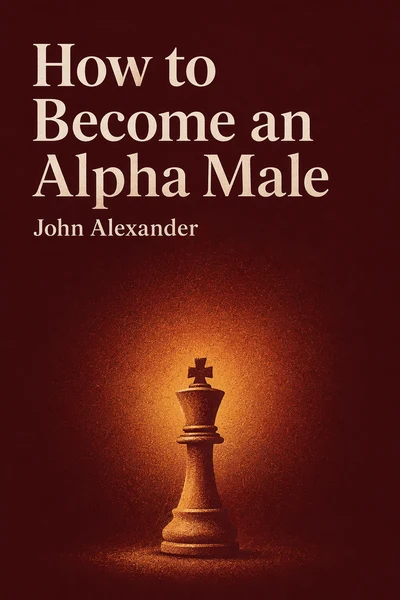
    How to Become an Alpha Male
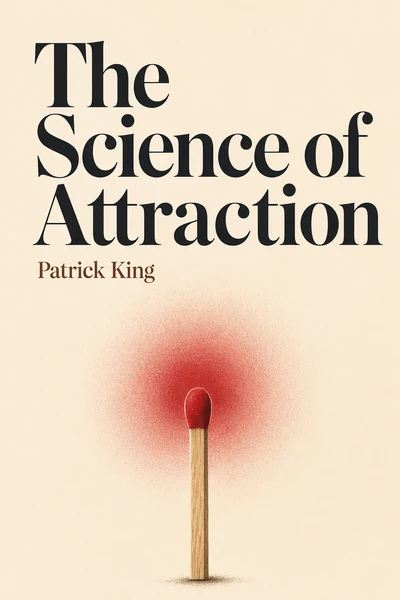
    The Science of Attraction
    Atomic Attraction
    Conversation Casanova
    How to Be a People Magnet
    How to Be a 3% Man, Winning the Heart of the Woman of Your Dreams

    Preguntas frecuentes

    Research suggests that on a first date, you have an average of just 42 minutes to make an impression that leads to a second date. For about 20% of people, this decision window is even shorter, narrowing down to the first 10 minutes. During this time, a person subconsciously evaluates your "Halo Effect"—a psychological phenomenon where your grooming, posture, and social conduct (like how you treat a server) color their entire perception of your character and competence.

    Attraction is processed through a three-tier filter: Biological Compatibility, Emotional Safety, and Social Value. Biological Compatibility looks for signs of health, vitality, and protection through physical presence and posture. Emotional Safety assesses whether a person is stable, reliable, and safe to be vulnerable with. Finally, Social Value examines status and how others respect you. Deep, lasting attraction occurs only when all three systems signal "green," meaning a man must integrate physical confidence with emotional intelligence and social leadership.

    Based on research by Nicholas Epley, people judge others on two primary dimensions: Warmth (intentions and empathy) and Competence (the ability to act on those intentions). If you are high in warmth but low in competence, you may be pitied as a "nice guy" who lacks direction. Conversely, being high in competence but low in warmth can make you appear cold or intimidating. The "sweet spot" for attraction is the top-right quadrant—High Warmth and High Competence—where you are perceived as both kind and effective.

    The vulnerability paradox challenges the myth that attraction requires being a stoic, invulnerable "rock." While oversharing or complaining to get sympathy is unattractive and signals instability, "controlled vulnerability" is a sign of strength. Admitting a mistake or sharing a meaningful life lesson shows you are secure enough to be authentic. This type of openness builds trust and triggers "mirror neurons" in a partner, creating a subconscious emotional bond that a guarded persona cannot achieve.

    The Benjamin Franklin Effect is a psychological "brain hack" where asking someone for a small, low-pressure favor actually makes them like you more. When someone does a favor for you—such as holding your jacket or giving an opinion on a small choice—their brain rationalizes the action by assuming they must like you. This creates "Mutual Investment" and shifts the date dynamic from a one-sided performance into a collaborative, equal interaction.

    Creado por exalumnos de la Universidad de Columbia | en San Francisco

    BeFreed Reúne a una Comunidad Global de Mentes Curiosas

    4.7

    valoración media

    Más de 7,84 mil valoraciones de la app

    Comunidad BeFreed

    En serio, todavía no he explorado la app a fondo, pero después de usarla estos últimos días estoy impresionadísima… BeFreed está en otro nivel comparada con cualquier otra app de aprendizaje que haya usado. Te engancha muchísimo y de verdad mejora la concentración, ¡ideal para los que no paran de hacer scroll!

    @ladyInfinity

    Compré BeFreed hace exactamente 23 días y lo he usado todos los días desde entonces. Se ha integrado por completo en mi rutina diaria de trabajo y aprendizaje.

    @jayallen

    La verdad es que la app ha superado todas mis expectativas. Puedo pedirle que genere audio sobre cualquier tema, sea cual sea, y el resultado es impresionante. Mi campo profesional es una especialización en psicoterapia y es multidisciplinario; aun así, las respuestas son muy precisas.

    @Raguipa

    Lo que más valoro es cuánto ha reducido mi scroll: paso menos tiempo buscando y más tiempo absorbiendo información. La combinación de audiolibros completos, podcasts y los planes de aprendizaje es brillante.

    @colonyofcreatorsNGO

    Llevo 24 años siendo instructor de aprendizaje acelerado PhotoReading… los libros, la lectura y el aprendizaje son lo mío, y BeFreed ha hecho un gran trabajo ofreciendo un enfoque innovador para transmitir información de una forma fácil de consumir.

    @BeFreed user

    No es solo una app de resúmenes de libros: he usado la opción de lectura divertida y es un resumen mucho mejor y una forma más fácil de captar las ideas que la manera tradicional; solo eso ya vale la pena.

    @austinakon

    Me encanta esta app. La he usado varios días y no puedo dejar de escuchar. Una forma buenísima de empezar.

    @jcrules328

    Me gusta mucho el programa; llevo alrededor de un mes probándolo y siento que es una verdadera joya. Funciona genial porque puedo usar BeFreed para crear mis propios temas, y la voz es buenísima, con opciones de narración ilimitadas.

    @DanielCZ

    En serio, todavía no he explorado la app a fondo, pero después de usarla estos últimos días estoy impresionadísima… BeFreed está en otro nivel comparada con cualquier otra app de aprendizaje que haya usado. Te engancha muchísimo y de verdad mejora la concentración, ¡ideal para los que no paran de hacer scroll!

    @ladyInfinity

    Compré BeFreed hace exactamente 23 días y lo he usado todos los días desde entonces. Se ha integrado por completo en mi rutina diaria de trabajo y aprendizaje.

    @jayallen

    La verdad es que la app ha superado todas mis expectativas. Puedo pedirle que genere audio sobre cualquier tema, sea cual sea, y el resultado es impresionante. Mi campo profesional es una especialización en psicoterapia y es multidisciplinario; aun así, las respuestas son muy precisas.

    @Raguipa

    Lo que más valoro es cuánto ha reducido mi scroll: paso menos tiempo buscando y más tiempo absorbiendo información. La combinación de audiolibros completos, podcasts y los planes de aprendizaje es brillante.

    @colonyofcreatorsNGO

    Llevo 24 años siendo instructor de aprendizaje acelerado PhotoReading… los libros, la lectura y el aprendizaje son lo mío, y BeFreed ha hecho un gran trabajo ofreciendo un enfoque innovador para transmitir información de una forma fácil de consumir.

    @BeFreed user

    No es solo una app de resúmenes de libros: he usado la opción de lectura divertida y es un resumen mucho mejor y una forma más fácil de captar las ideas que la manera tradicional; solo eso ya vale la pena.

    @austinakon

    Me encanta esta app. La he usado varios días y no puedo dejar de escuchar. Una forma buenísima de empezar.

    @jcrules328

    Me gusta mucho el programa; llevo alrededor de un mes probándolo y siento que es una verdadera joya. Funciona genial porque puedo usar BeFreed para crear mis propios temas, y la voz es buenísima, con opciones de narración ilimitadas.

    @DanielCZ

    Me encanta poder recibir información e ideas útiles y condensadas en un audio estilo podcast de 8 a 15 minutos. No soy muy fan de los podcasts por tanto relleno, pero esto va directo al grano.

    @BeFreed user

    Estoy terminando mi doctorado y tengo que leer muchísimo material desconocido… Con BeFreed simplemente escribes un prompt y la app encuentra las fuentes por ti y genera un podcast en audio. El proceso de BeFreed me parece más ágil que el de NotebookLM.

    @Brad

    Suelo buscar en YouTube algo que escuchar mientras preparo el desayuno, salgo a caminar o voy al trabajo, ¡y BeFreed ofrece un enfoque aún más certero, sin anuncios y sin relleno!

    @BeFreed user

    Lo mejor de esta plataforma es su versatilidad. Literalmente no hay tema que quede fuera. Le lanzas lo que sea y lo maneja… Es raro encontrar una herramienta de aprendizaje sin limitaciones que de verdad cumpla lo que promete.

    @jayallen

    BeFreed es fantástica. Su diseño intuitivo hace que pase menos tiempo navegando y más tiempo aprendiendo. La mezcla de audiolibros, podcasts y planes de aprendizaje es una combinación genial que ha cambiado por completo mi rutina diaria.

    @BeFreed user

    Al principio me llevó un rato entender cómo crear podcasts en italiano y ¡boom! ¡Es genial! Puedo pedirle que me explique cualquier tema y lo hace súper bien y con mucha inteligencia.

    @matteo77

    BeFreed se ha convertido en mi app diaria de audiolibros… Lo que más me gusta es que pones tu texto y te devuelve un audio que puedes escuchar donde sea.

    @kotanzu1

    Me encanta poder recibir información e ideas útiles y condensadas en un audio estilo podcast de 8 a 15 minutos. No soy muy fan de los podcasts por tanto relleno, pero esto va directo al grano.

    @BeFreed user

    Estoy terminando mi doctorado y tengo que leer muchísimo material desconocido… Con BeFreed simplemente escribes un prompt y la app encuentra las fuentes por ti y genera un podcast en audio. El proceso de BeFreed me parece más ágil que el de NotebookLM.

    @Brad

    Suelo buscar en YouTube algo que escuchar mientras preparo el desayuno, salgo a caminar o voy al trabajo, ¡y BeFreed ofrece un enfoque aún más certero, sin anuncios y sin relleno!

    @BeFreed user

    Lo mejor de esta plataforma es su versatilidad. Literalmente no hay tema que quede fuera. Le lanzas lo que sea y lo maneja… Es raro encontrar una herramienta de aprendizaje sin limitaciones que de verdad cumpla lo que promete.

    @jayallen

    BeFreed es fantástica. Su diseño intuitivo hace que pase menos tiempo navegando y más tiempo aprendiendo. La mezcla de audiolibros, podcasts y planes de aprendizaje es una combinación genial que ha cambiado por completo mi rutina diaria.

    @BeFreed user

    Al principio me llevó un rato entender cómo crear podcasts en italiano y ¡boom! ¡Es genial! Puedo pedirle que me explique cualquier tema y lo hace súper bien y con mucha inteligencia.

    @matteo77

    BeFreed se ha convertido en mi app diaria de audiolibros… Lo que más me gusta es que pones tu texto y te devuelve un audio que puedes escuchar donde sea.

    @kotanzu1

    Ver más sobre cómo se habla de BeFreed en la web
    129.7K19.5K
    55.2K19.2K
    154.2K10827355
    48.1K2.5K
    81.2K6.6K
    82.3K1.8K
    Comienza tu viaje de aprendizaje, ahora
    Aplicación BeFreed
    BeFreed

    Aprende Cualquier Cosa, Personalizado

    DiscordLinkedIn
    Resúmenes de libros destacados
    Crucial ConversationsThe Perfect MarriageInto the WildNever Split the DifferenceAttachedGood to GreatSay Nothing
    Categorías en tendencia
    Self HelpCommunication SkillRelationshipMindfulnessPhilosophyInspirationProductivity
    Lista de lectura de celebridades
    Elon MuskCharlie KirkBill GatesSteve JobsAndrew HubermanJoe RoganJordan Peterson
    Colección premiada
    Pulitzer PrizeNational Book AwardGoodreads Choice AwardsNobel Prize in LiteratureNew York TimesCaldecott MedalNebula Award
    Temas destacados
    ManagementAmerican HistoryWarTradingStoicismAnxietySex
    Mejores libros por año
    2025 Best Non Fiction Books2024 Best Non Fiction Books2023 Best Non Fiction Books
    Autores destacados
    Chimamanda Ngozi AdichieGeorge OrwellO. J. SimpsonBarbara O'NeillWinston ChurchillCharlie Kirk
    BeFreed vs otras apps
    BeFreed vs. Other Book Summary AppsBeFreed vs. ElevenReaderBeFreed vs. ReadwiseBeFreed vs. Anki
    Herramientas de aprendizaje
    Knowledge VisualizerAI Podcast Generator
    Información
    Sobre Nosotrosarrow
    Preciosarrow
    Preguntas Frecuentesarrow
    Blogarrow
    Carrerasarrow
    Asociacionesarrow
    Programa de Embajadoresarrow
    Directorioarrow
    BeFreed
    Try now
    © 2026 BeFreed
    Términos de UsoPolítica de Privacidad
    BeFreed

    Aprende Cualquier Cosa, Personalizado

    DiscordLinkedIn
    Resúmenes de libros destacados
    Crucial ConversationsThe Perfect MarriageInto the WildNever Split the DifferenceAttachedGood to GreatSay Nothing
    Categorías en tendencia
    Self HelpCommunication SkillRelationshipMindfulnessPhilosophyInspirationProductivity
    Lista de lectura de celebridades
    Elon MuskCharlie KirkBill GatesSteve JobsAndrew HubermanJoe RoganJordan Peterson
    Colección premiada
    Pulitzer PrizeNational Book AwardGoodreads Choice AwardsNobel Prize in LiteratureNew York TimesCaldecott MedalNebula Award
    Temas destacados
    ManagementAmerican HistoryWarTradingStoicismAnxietySex
    Mejores libros por año
    2025 Best Non Fiction Books2024 Best Non Fiction Books2023 Best Non Fiction Books
    Herramientas de aprendizaje
    Knowledge VisualizerAI Podcast Generator
    Autores destacados
    Chimamanda Ngozi AdichieGeorge OrwellO. J. SimpsonBarbara O'NeillWinston ChurchillCharlie Kirk
    BeFreed vs otras apps
    BeFreed vs. Other Book Summary AppsBeFreed vs. ElevenReaderBeFreed vs. ReadwiseBeFreed vs. Anki
    Información
    Sobre Nosotrosarrow
    Preciosarrow
    Preguntas Frecuentesarrow
    Blogarrow
    Carrerasarrow
    Asociacionesarrow
    Programa de Embajadoresarrow
    Directorioarrow
    BeFreed
    Try now
    © 2026 BeFreed
    Términos de UsoPolítica de Privacidad

    Más como esto

    Portada del libro First Date, Lasting Impression
    How to Become an Alpha MaleThe Science of AttractionConversation CasanovaThe Definitive Book of Body Language
    21 sources
    First Date, Lasting Impression
    Discover how to make the most of those crucial first 19 minutes of a date with science-backed strategies for authentic connection, from meaningful conversation techniques to body language secrets.
    13 min
    Portada del libro Master Your First Date in 19 Minutes
    The Science of AttractionHow to Become an Alpha MaleAtomic AttractionThe Chemistry of Love: Science Behind Choosing Your Person
    20 sources
    Master Your First Date in 19 Minutes
    Learn the science-backed techniques to create magnetic first impressions that leave your date wanting more. From body language secrets to conversation catalysts, get the confidence tools you need.
    14 min
    Portada del libro First Date Conversation Science: Create Instant Chemistry
    source 182 First Date Conversation Starters Guaranteed to Create a Sparksource 350 Non-Awkward Questions for a First Date That'll Actually Spark a ...
    6 sources
    First Date Conversation Science: Create Instant Chemistry
    Discover research-backed techniques to transform awkward first date small talk into magnetic conversations that create genuine connection and chemistry.
    21 min
    Portada del libro What He's Really Thinking on the First Date
    /var/tmp/StampPDF/7S5RWMIOQF/text.pdf.1704833517.titlepage.pdf.5beytWhy First-Date Jitters Feel Different in 2026 | Psychology TodayThe best first date tips, according to 10 men7 Proven First Date Tips for Men That Build Confidence
    6 sources
    What He's Really Thinking on the First Date
    While you’re analyzing the spark, he’s likely spiraling under the pressure to be perfect. Go behind the 'cool guy' exterior to build a real connection.
    471 min
    Portada del libro The Four-Second Rule: Navigating Awkward Silence
    Unraveling the Psychology of Awkward SilenceWhat to Do When Dates or Relationships Get Awkward | Psychology TodayWhat's so awkward about an awkward silence? | Aeon EssaysThe Hidden Meaning Behind Awkward Silence - Mind Behavior Guide
    10 sources
    The Four-Second Rule: Navigating Awkward Silence
    Struggling with quiet moments on first dates? Discover why your brain freezes during pauses and how to turn social tension into a deeper connection.
    1653 min
    Portada del libro Build Dating Confidence and Attract Your Soulmate
    How to Be a 3% Man, Winning the Heart of the Woman of Your DreamsHow to Become an Alpha MaleAtomic AttractionBad Boys Finish First
    27 sources
    Build Dating Confidence and Attract Your Soulmate
    Stop treating first dates like job interviews. Learn how self-concept clarity creates genuine magnetism so you can stop performing and start connecting.
    23 min
    Portada del libro Attraction is a skill you can actually learn
    Direct source: psychologyofrelationships.substack.com
    1 source
    Attraction is a skill you can actually learn
    Stop treating dating like a genetic lottery. Learn how personality and psychological principles like similarity can shift your odds and build connection.
    14 min
    Portada del libro What Men Really Think on First Dates
    First Dates | Psychology Todaysource 2Research Reveals What Men And Women Want From A First DateWhat Men Want on a First Date: Male Psychology & Tips | Sophy Love
    5 sources
    What Men Really Think on First Dates
    Wondering if he's judging you? Discover the invisible scripts men follow and why they prioritize comfort over the spark during that first meeting.
    632 min

    Recommended Learning Plans

    The First Three Minutes
    PLAN DE APRENDIZAJE

    The First Three Minutes

    First impressions are often solidified within seconds, making the start of any interaction critical for professional and social success. This plan is ideal for professionals, networkers, and anyone looking to overcome social anxiety by mastering the mechanics of rapport and impactful communication.

    1 h 15 m•3 Secciones
    The Psychology of First Impressions
    PLAN DE APRENDIZAJE

    The Psychology of First Impressions

    In the fast-paced world of modern dating, first impressions are often decided in seconds. This plan is designed for individuals looking to master the subconscious signals of attraction and trust to build more meaningful, lasting relationships.

    1 h 15 m•3 Secciones
    Date with Intentional Confidence
    PLAN DE APRENDIZAJE

    Date with Intentional Confidence

    This learning plan is essential for modern daters who feel exhausted by the endless cycle of swiping and low-quality connections. It provides the psychological tools and practical frameworks needed to regain control, making it perfect for anyone looking to build a healthy relationship without sacrificing their mental well-being.

    1 h 30 m•3 Secciones
    Psychology of Attraction & Deep Intimacy
    PLAN DE APRENDIZAJE

    Psychology of Attraction & Deep Intimacy

    Modern dating and long-term partnerships often fail due to a lack of understanding of biological drivers and emotional blueprints. This plan is essential for individuals seeking to move beyond superficial connections by applying psychological research and proven relationship science to their personal lives.

    5 h 45 m•4 Secciones
    Seduction & infatuation
    PLAN DE APRENDIZAJE

    Seduction & infatuation

    This learning plan is designed for anyone seeking to understand the science of attraction and develop genuine romantic connection skills. Whether you're navigating modern dating, looking to deepen your understanding of interpersonal dynamics, or wanting to become more confident in expressing romantic interest, this curriculum combines psychological research with practical techniques for building authentic, meaningful connections.

    4 h 48 m•4 Secciones
    Build Attraction Through Natural Confidence
    PLAN DE APRENDIZAJE

    Build Attraction Through Natural Confidence

    This plan is essential for individuals looking to move beyond superficial pickup lines and build genuine, lasting appeal through inner transformation. It is ideal for anyone seeking to improve their dating life and social influence by mastering the intersection of psychology and body language.

    5 h 19 m•4 Secciones
    Intro Attraction Psychology
    PLAN DE APRENDIZAJE

    Intro Attraction Psychology

    This learning plan combines evolutionary psychology, neuroscience, and behavioral research to demystify human attraction and social dynamics. It's ideal for anyone seeking to improve their dating life, build stronger relationships, or understand the science behind human connection, whether you're re-entering the dating world, struggling with social confidence, or simply curious about the psychological mechanisms that drive romantic attraction.

    5 h 3 m•4 Secciones
    Master flirting & build date intimacy
    PLAN DE APRENDIZAJE

    Master flirting & build date intimacy

    Effective flirting and building intimate connections are learnable skills, not innate traits only some possess. This plan helps anyone struggling with dating transform their approach through psychology-based techniques and authentic communication strategies that create genuine connections.

    3 h 40 m•4 Secciones