Escaping the Attention Hunger Games
Discover how to reclaim your personal goals when your partner's constant need for validation is draining your energy and stalling your progress. Learn practical strategies for setting boundaries while addressing the root causes.

Mejor cita de Escaping the Attention Hunger Games
The irony is that constantly begging for your partner's attention actually hurts your self-worth and doesn't solve the problem. You are not responsible for filling the emotional void in another person; that's work they have to do for themselves.

Esta lección de audio fue creada por un miembro de la comunidad BeFreed
My partner is attention hungry and it makes me unable to make progress in life.

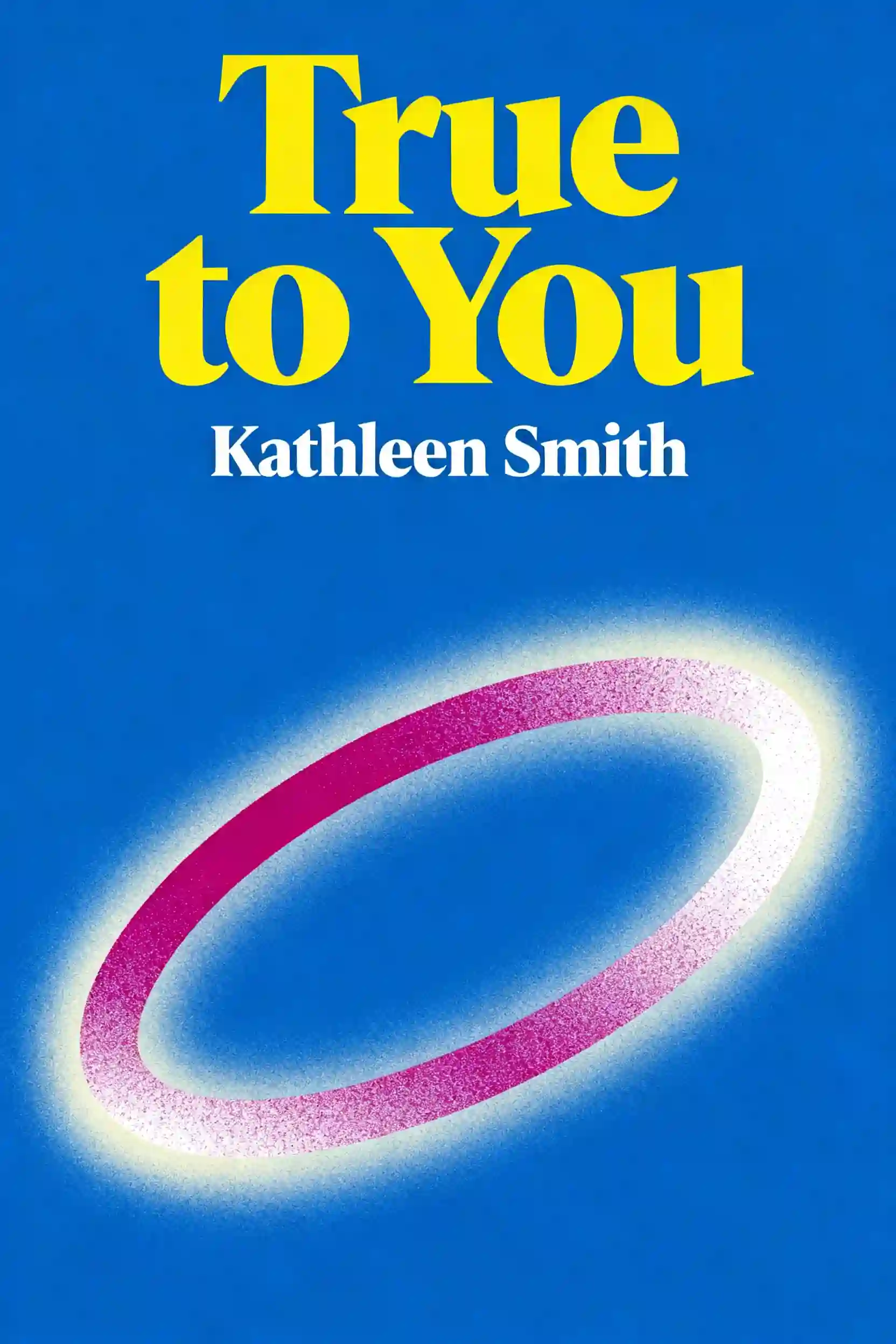
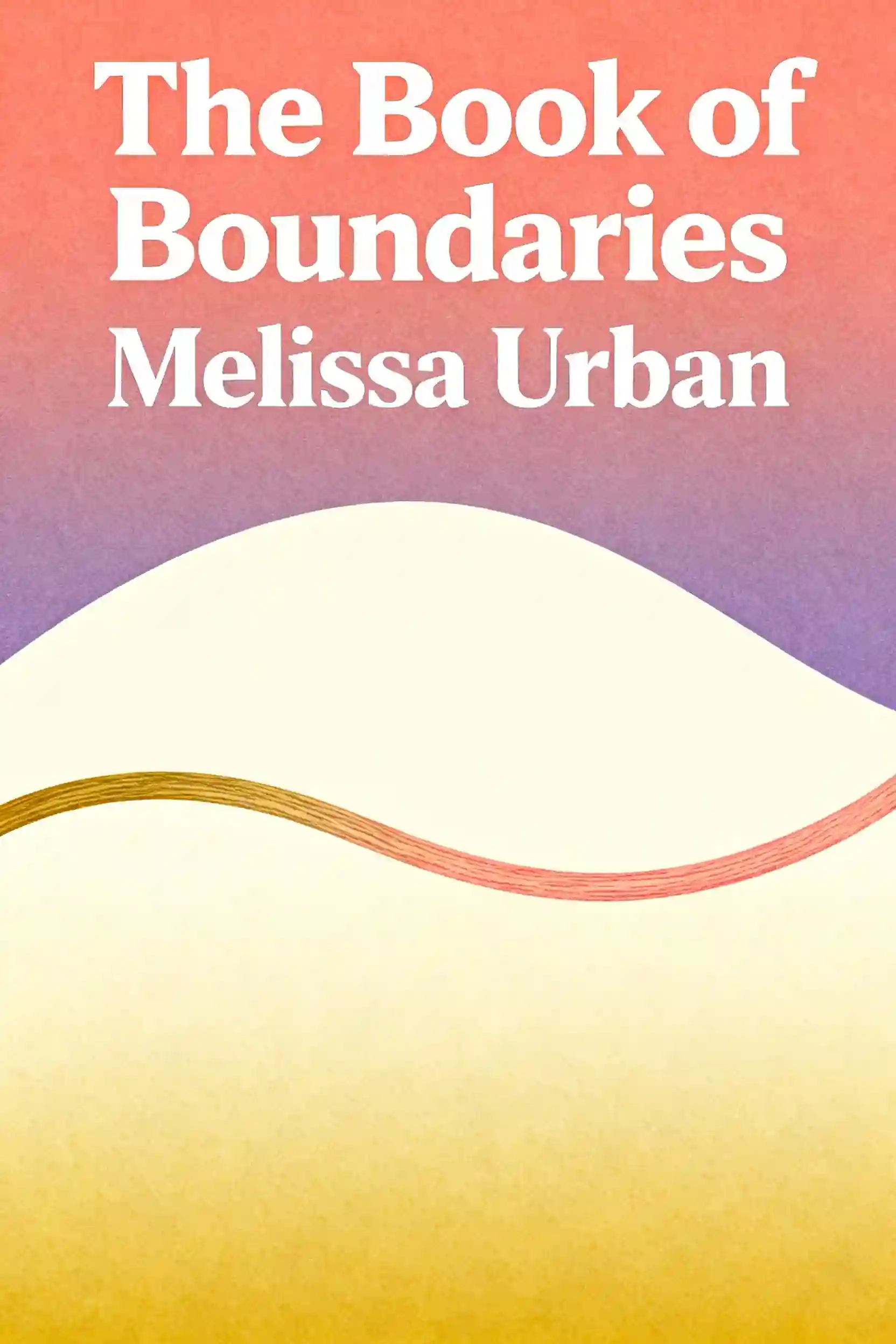
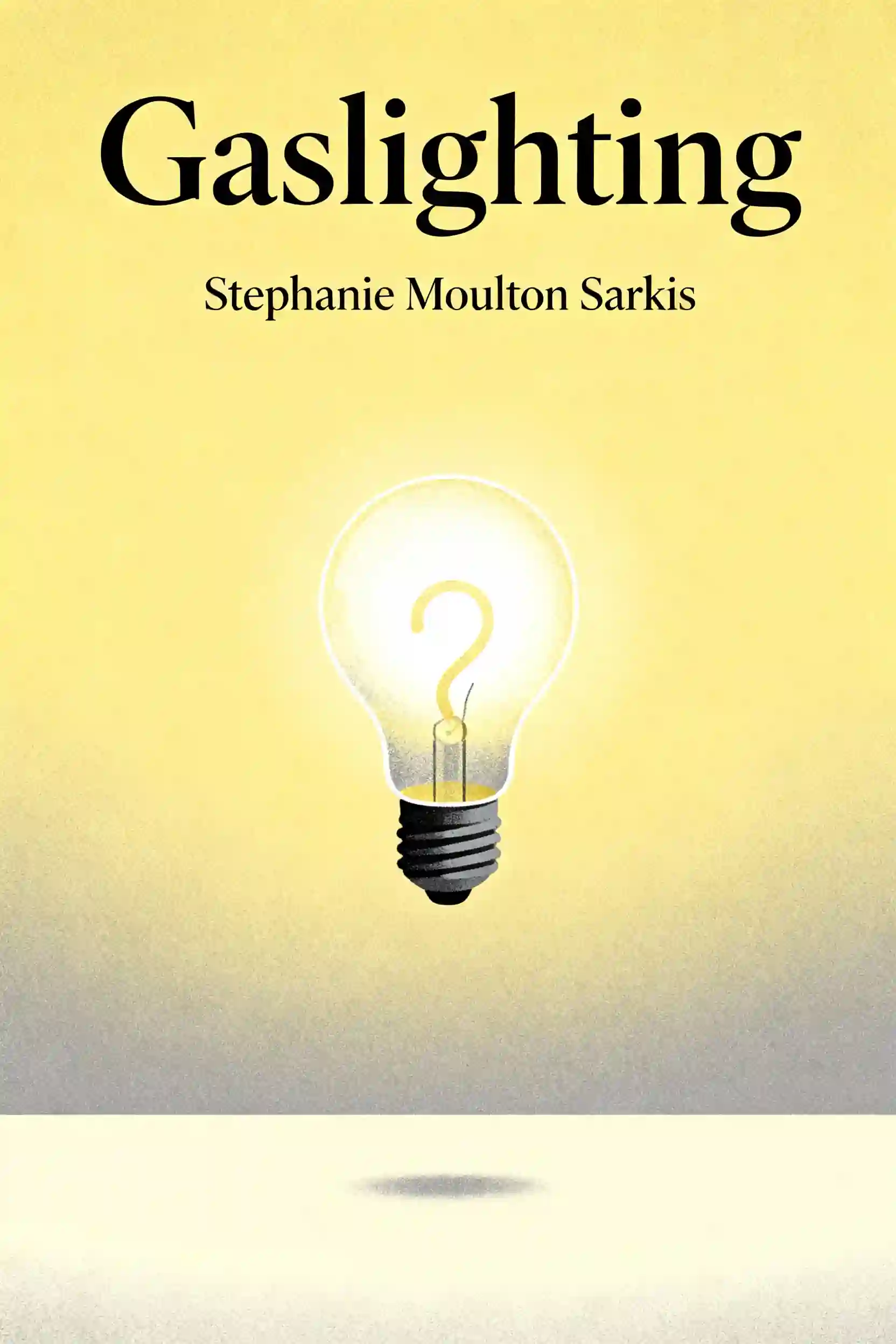
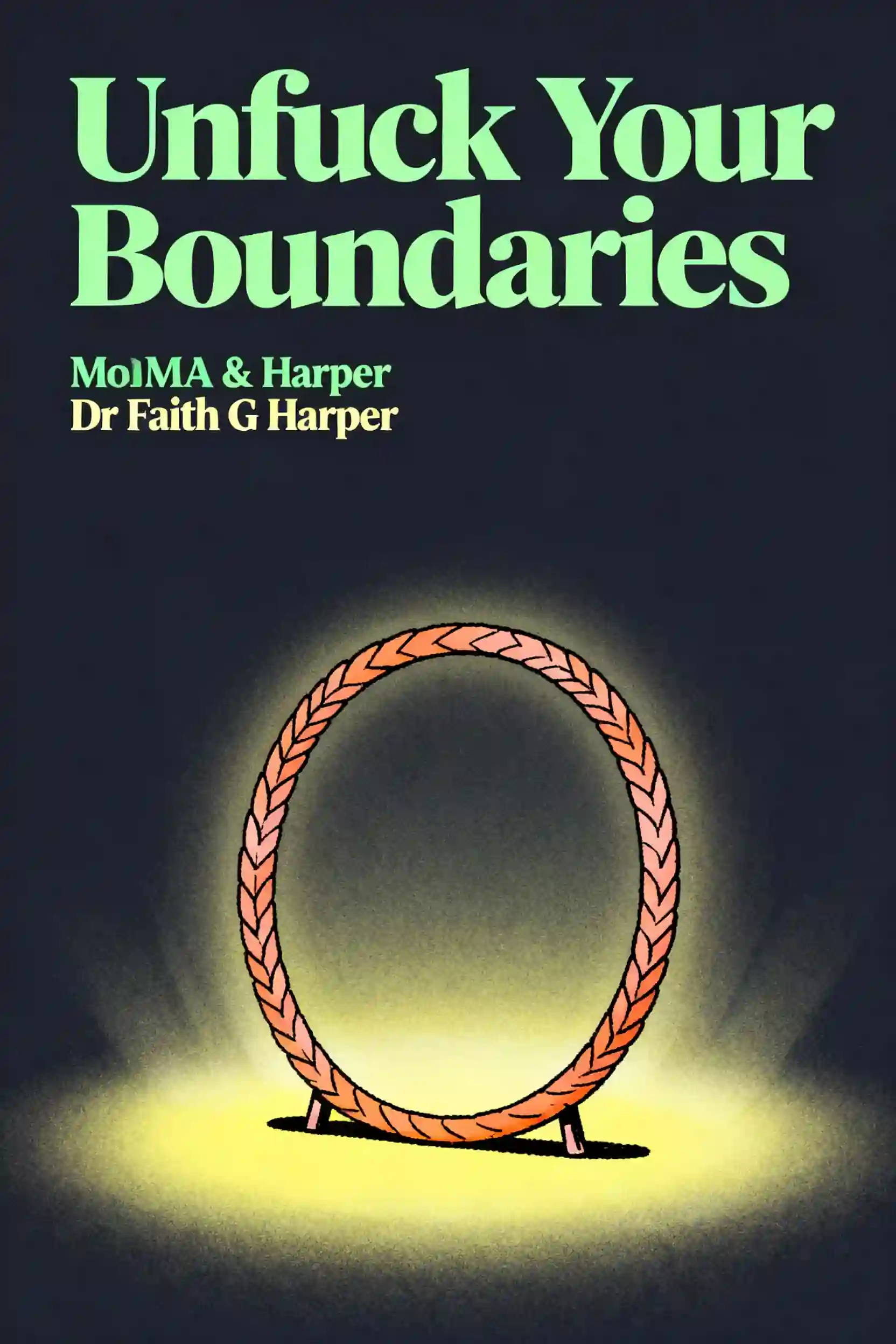
Descubre más
Break the Anxious-Avoidant Trap
This plan is essential for individuals or couples caught in the exhausting cycle of pursuit and withdrawal. It provides practical somatic and behavioral tools for anyone looking to transform defensive patterns into a secure, lasting emotional connection.
Reclaim Your Energy
This plan is essential for anyone struggling to move past a breakup or stuck in cycles of seeking external validation. It provides a biological and psychological roadmap to stop idealizing others and start building a resilient, self-sustained sense of worth.

Overcome neediness
This learning plan is essential for anyone who finds themselves constantly seeking approval, struggling with codependency, or feeling incomplete without a relationship. It's particularly valuable for individuals who recognize patterns of people-pleasing, difficulty being alone, or anxiety about rejection, and who want to build healthier relationships by first developing a secure relationship with themselves.

Break the Cycle of Unavailable Love
This plan is essential for anyone who feels stuck in a loop of chasing emotionally distant partners and mistaking instability for passion. It provides a roadmap for healing childhood wounds and shifting from anxious attachment toward secure, fulfilling relationships.

Build self-esteem and stop seeking attention
This plan is designed for individuals who struggle with people-pleasing and feel drained by a constant need for external approval. It provides a structured path to move from seeking attention to building a sustainable, internal sense of worth.
Boundaries
This learning plan is essential for anyone struggling with burnout, people-pleasing, or toxic relationship dynamics. It provides a practical roadmap for individuals looking to reclaim their time and energy while building deeper, more respectful connections with others.
From Rescuing to Reciprocity
This plan is essential for chronic over-functioners and 'fixers' who feel exhausted by carrying the emotional weight of their partnerships. It provides a practical roadmap for anyone stuck in unbalanced attachment loops who wants to transition from caretaking to true mutual intimacy.

Choose myself and reinforce my boundaries
This plan is designed for individuals who struggle with people-pleasing and feel drained by the demands of others. It provides a structured path to reclaiming your time and energy by building a foundation of self-worth and practical communication skills.
Creado por exalumnos de la Universidad de Columbia en San Francisco
"Instead of endless scrolling, I just hit play on BeFreed. It saves me so much time."


"I never knew where to start with nonfiction—BeFreed’s book lists turned into podcasts gave me a clear path."


"Perfect balance between learning and entertainment. Finished ‘Thinking, Fast and Slow’ on my commute this week."
"Crazy how much I learned while walking the dog. BeFreed = small habits → big gains."
"Reading used to feel like a chore. Now it’s just part of my lifestyle."

"Feels effortless compared to reading. I’ve finished 6 books this month already."
"BeFreed turned my guilty doomscrolling into something that feels productive and inspiring."

"BeFreed turned my commute into learning time. 20-min podcasts are perfect for finishing books I never had time for."
"BeFreed replaced my podcast queue. Imagine Spotify for books — that’s it. 🙌"

"It is great for me to learn something from the book without reading it."
"The themed book list podcasts help me connect ideas across authors—like a guided audio journey."
"Makes me feel smarter every time before going to work"
Creado por exalumnos de la Universidad de Columbia en San Francisco
"Instead of endless scrolling, I just hit play on BeFreed. It saves me so much time."
"I never knew where to start with nonfiction—BeFreed’s book lists turned into podcasts gave me a clear path."
"Perfect balance between learning and entertainment. Finished ‘Thinking, Fast and Slow’ on my commute this week."
"Crazy how much I learned while walking the dog. BeFreed = small habits → big gains."
"Reading used to feel like a chore. Now it’s just part of my lifestyle."
"Feels effortless compared to reading. I’ve finished 6 books this month already."
"BeFreed turned my guilty doomscrolling into something that feels productive and inspiring."
"BeFreed turned my commute into learning time. 20-min podcasts are perfect for finishing books I never had time for."
"BeFreed replaced my podcast queue. Imagine Spotify for books — that’s it. 🙌"
"It is great for me to learn something from the book without reading it."
"The themed book list podcasts help me connect ideas across authors—like a guided audio journey."
"Makes me feel smarter every time before going to work"
"Instead of endless scrolling, I just hit play on BeFreed. It saves me so much time."
"I never knew where to start with nonfiction—BeFreed’s book lists turned into podcasts gave me a clear path."
"Perfect balance between learning and entertainment. Finished ‘Thinking, Fast and Slow’ on my commute this week."
"Crazy how much I learned while walking the dog. BeFreed = small habits → big gains."
"Reading used to feel like a chore. Now it’s just part of my lifestyle."
"Feels effortless compared to reading. I’ve finished 6 books this month already."
"BeFreed turned my guilty doomscrolling into something that feels productive and inspiring."
"BeFreed turned my commute into learning time. 20-min podcasts are perfect for finishing books I never had time for."
"BeFreed replaced my podcast queue. Imagine Spotify for books — that’s it. 🙌"
"It is great for me to learn something from the book without reading it."
"The themed book list podcasts help me connect ideas across authors—like a guided audio journey."
"Makes me feel smarter every time before going to work"
"Instead of endless scrolling, I just hit play on BeFreed. It saves me so much time."
"I never knew where to start with nonfiction—BeFreed’s book lists turned into podcasts gave me a clear path."
"Perfect balance between learning and entertainment. Finished ‘Thinking, Fast and Slow’ on my commute this week."
"Crazy how much I learned while walking the dog. BeFreed = small habits → big gains."
"Reading used to feel like a chore. Now it’s just part of my lifestyle."
"Feels effortless compared to reading. I’ve finished 6 books this month already."
"BeFreed turned my guilty doomscrolling into something that feels productive and inspiring."
"BeFreed turned my commute into learning time. 20-min podcasts are perfect for finishing books I never had time for."
"BeFreed replaced my podcast queue. Imagine Spotify for books — that’s it. 🙌"
"It is great for me to learn something from the book without reading it."
"The themed book list podcasts help me connect ideas across authors—like a guided audio journey."
"Makes me feel smarter every time before going to work"


![Facing Codependence [ABRIDGED]](/_next/image?url=https%3A%2F%2Fd3lvzgn0lx7rb2.cloudfront.net%2Fcovers%2F1d91cc59-653c-487c-bb06-0a03ac09820d%2Fimage_resized.webp&w=1024&q=50)