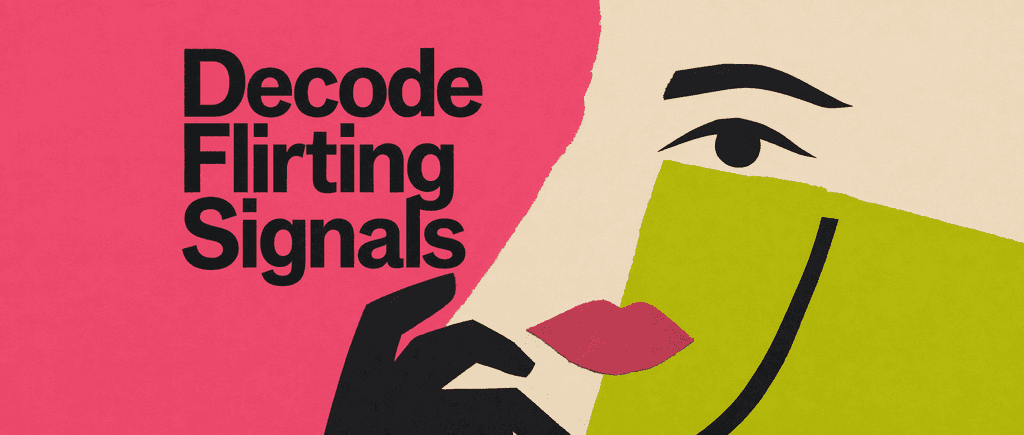
Effortless Flirting: The Science of the Spark
Missing social cues can leave you feeling invisible. Discover the neurobiology of attraction and how to turn subtle signals into genuine connection.

Mejor cita de Effortless Flirting: The Science of the Spark
Flirting isn’t about being 'impressive'—it’s about being 'intriguing.' It’s the difference between listing your credentials and letting someone discover your personality through a slow, playful reveal.
Generated with BeFreed
The Art of Effortless Flirting






Preguntas frecuentes
Many successful people are trained to operate in a "logic and results" mode, which prioritizes directness, efficiency, and emotional control. While these traits are excellent for leading teams or solving technical problems, they act as a "bucket of cold water" on flirting, which requires ambiguity, playfulness, and process-oriented energy. When high-performers treat a social interaction like a project to be managed or an interview to be conducted, they kill the romantic tension and fail to activate the other person's reward centers.
According to research from the University of Kansas, there are five primary flirting styles: physical, playful, polite, sincere, and traditional. Sincere flirts focus on authentic self-disclosure and deep connection, while playful flirts use humor and banter to build short-term attraction. Polite flirts are more cautious and respectful, often using space and tone to build interest. Understanding these styles is crucial because success often depends on compatibility; you are most likely to succeed when your flirting style matches that of the person you are interacting with.
Effective nonverbal communication involves using an "expansive" posture—taking up space and keeping your arms open—to signal confidence. Subtle cues like holding eye contact for a second longer than usual or using the "Triangle Method" (looking from eye to eye to lips) can create immediate intrigue. To avoid being perceived as creepy, focus on "responsiveness" by nodding and asking follow-up questions to make the other person feel seen. Additionally, focusing your compliments on their personality or "vibe" rather than just their physical appearance keeps the interaction respectful and engaging.
The "push-pull" dynamic is a way to create intrigue by balancing interest with a playful challenge. You "pull" by showing interest or giving a compliment, and then "push" by adding a lighthearted tease or observation. For example, telling someone they have great energy but then jokingly calling them a "troublemaker" creates an emotional "ping-pong" effect. This keeps the other person guessing and highly engaged because they don’t know exactly where they stand, which helps build romantic tension.
Escalation should be handled through "micro-signals" and the gradual building of tension. This can start with incidental physical contact, such as a hand on the arm, while carefully monitoring the other person's response. Another key strategy is using "desire language," which shifts a standard statement into something cheekier and more suggestive. Finally, creating mystery by not oversharing and being the one to end the interaction on a high note—leaving the other person wanting more—is a powerful way to transition from a platonic to a romantic dynamic.
Creado por exalumnos de la Universidad de Columbia en San Francisco
"Instead of endless scrolling, I just hit play on BeFreed. It saves me so much time."


"I never knew where to start with nonfiction—BeFreed’s book lists turned into podcasts gave me a clear path."


"Perfect balance between learning and entertainment. Finished ‘Thinking, Fast and Slow’ on my commute this week."
"Crazy how much I learned while walking the dog. BeFreed = small habits → big gains."
"Reading used to feel like a chore. Now it’s just part of my lifestyle."

"Feels effortless compared to reading. I’ve finished 6 books this month already."
"BeFreed turned my guilty doomscrolling into something that feels productive and inspiring."

"BeFreed turned my commute into learning time. 20-min podcasts are perfect for finishing books I never had time for."
"BeFreed replaced my podcast queue. Imagine Spotify for books — that’s it. 🙌"

"It is great for me to learn something from the book without reading it."
"The themed book list podcasts help me connect ideas across authors—like a guided audio journey."
"Makes me feel smarter every time before going to work"
Creado por exalumnos de la Universidad de Columbia en San Francisco
"Instead of endless scrolling, I just hit play on BeFreed. It saves me so much time."
"I never knew where to start with nonfiction—BeFreed’s book lists turned into podcasts gave me a clear path."
"Perfect balance between learning and entertainment. Finished ‘Thinking, Fast and Slow’ on my commute this week."
"Crazy how much I learned while walking the dog. BeFreed = small habits → big gains."
"Reading used to feel like a chore. Now it’s just part of my lifestyle."
"Feels effortless compared to reading. I’ve finished 6 books this month already."
"BeFreed turned my guilty doomscrolling into something that feels productive and inspiring."
"BeFreed turned my commute into learning time. 20-min podcasts are perfect for finishing books I never had time for."
"BeFreed replaced my podcast queue. Imagine Spotify for books — that’s it. 🙌"
"It is great for me to learn something from the book without reading it."
"The themed book list podcasts help me connect ideas across authors—like a guided audio journey."
"Makes me feel smarter every time before going to work"
"Instead of endless scrolling, I just hit play on BeFreed. It saves me so much time."
"I never knew where to start with nonfiction—BeFreed’s book lists turned into podcasts gave me a clear path."
"Perfect balance between learning and entertainment. Finished ‘Thinking, Fast and Slow’ on my commute this week."
"Crazy how much I learned while walking the dog. BeFreed = small habits → big gains."
"Reading used to feel like a chore. Now it’s just part of my lifestyle."
"Feels effortless compared to reading. I’ve finished 6 books this month already."
"BeFreed turned my guilty doomscrolling into something that feels productive and inspiring."
"BeFreed turned my commute into learning time. 20-min podcasts are perfect for finishing books I never had time for."
"BeFreed replaced my podcast queue. Imagine Spotify for books — that’s it. 🙌"
"It is great for me to learn something from the book without reading it."
"The themed book list podcasts help me connect ideas across authors—like a guided audio journey."
"Makes me feel smarter every time before going to work"
"Instead of endless scrolling, I just hit play on BeFreed. It saves me so much time."
"I never knew where to start with nonfiction—BeFreed’s book lists turned into podcasts gave me a clear path."
"Perfect balance between learning and entertainment. Finished ‘Thinking, Fast and Slow’ on my commute this week."
"Crazy how much I learned while walking the dog. BeFreed = small habits → big gains."
"Reading used to feel like a chore. Now it’s just part of my lifestyle."
"Feels effortless compared to reading. I’ve finished 6 books this month already."
"BeFreed turned my guilty doomscrolling into something that feels productive and inspiring."
"BeFreed turned my commute into learning time. 20-min podcasts are perfect for finishing books I never had time for."
"BeFreed replaced my podcast queue. Imagine Spotify for books — that’s it. 🙌"
"It is great for me to learn something from the book without reading it."
"The themed book list podcasts help me connect ideas across authors—like a guided audio journey."
"Makes me feel smarter every time before going to work"