Build a Python BI Agent for SQL, API, and Data Analysis
Learn to build a Python BI agent that connects to Postgres, Snowflake, and BigQuery. Automate dashboards and SQL analysis with secure LLM credential vaults.

Mejor cita de Build a Python BI Agent for SQL, API, and Data Analysis
The difference between a toy and a tool you’d actually trust with your CFO's questions is the semantic grounding layer; it’s the difference between an LLM guessing at SQL and achieving 90 percent accuracy.

Esta lección de audio fue creada por un miembro de la comunidad BeFreed
Build a Python BI agent that takes plain-language questions and runs the full analytical loop. Connect to data sources (Postgres, Snowflake, BigQuery, Salesforce) via SQL, API, or MCP. Execute generated code in an isolated scratchpad with a credential vault keeping secrets out of the LLM context. Implement semantic memory (Markdown rules/lessons) and episodic memory (timestamped JSONL per session). Output dashboards, reports, and datasets with notebook-style explainability.

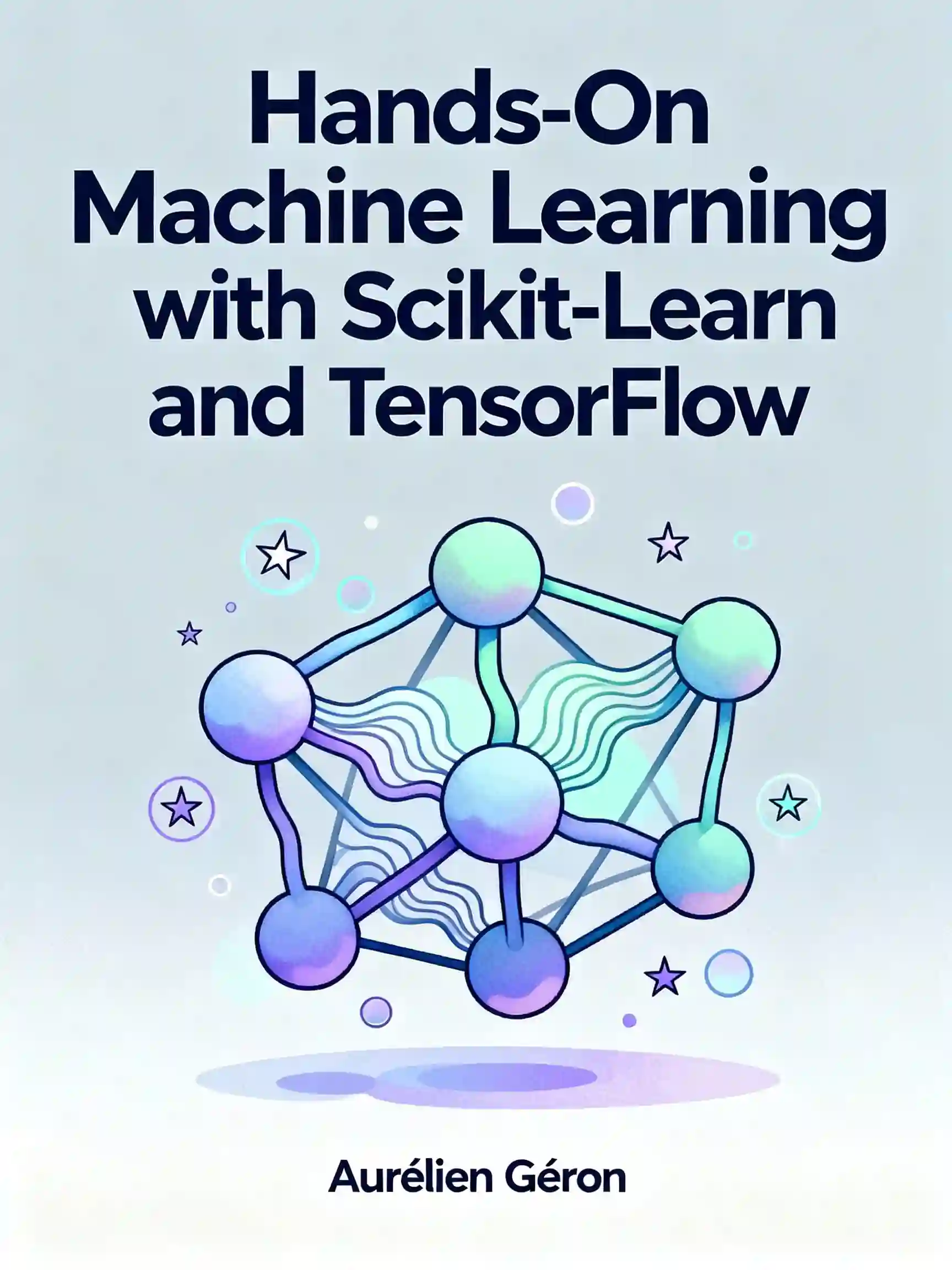
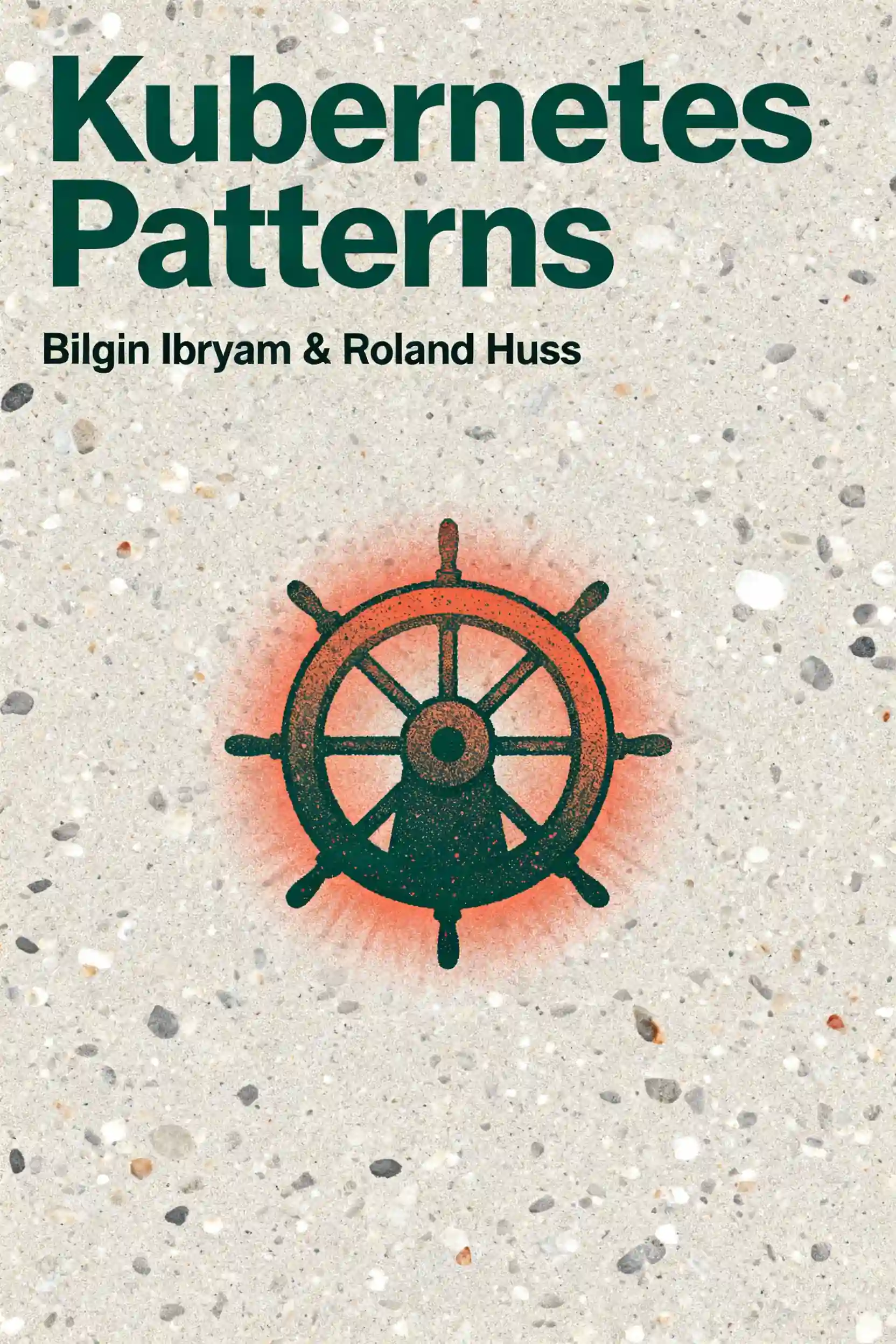
Preguntas frecuentes
A Python BI agent utilizes multiple integration methods to access enterprise data, including direct SQL connections for databases like Postgres, Snowflake, and BigQuery. It can also leverage API integrations and the Model Context Protocol (MCP) to bridge the gap between the LLM and external tools. This flexibility allows the agent to pull raw data from diverse environments like Salesforce before processing it within an isolated analytical scratchpad.
Security is maintained by using a dedicated credential vault that keeps sensitive secrets and API keys out of the LLM context entirely. When the agent generates code to query a database or API, the execution happens in an isolated scratchpad where the vault injects credentials only at the moment of runtime. This architecture ensures that the language model never sees or stores your private authentication data during the analytical loop.
Semantic memory consists of long-term Markdown rules and lessons that guide the agent's general behavior and business logic across all sessions. In contrast, episodic memory uses timestamped JSONL files to record specific interactions and findings from a single session. Together, these memory systems allow the Python BI agent to learn from past mistakes, follow consistent formatting rules, and maintain context throughout complex, multi-step data investigations.
The agent is designed to produce comprehensive analytical outputs including automated data dashboards, detailed reports, and clean datasets. A key feature is notebook-style explainability, which provides a transparent view of the generated code and logic used to reach a conclusion. This ensures that stakeholders can verify the agent's work, transforming plain-language questions into actionable, documented insights that are easy to audit and share.
Descubre más
Python programming for LLMs and evals
As AI integration becomes standard, the ability to both build and critically evaluate models is a vital technical differentiator. This path is ideal for developers and data scientists looking to transition from general programming to specialized LLM engineering and rigorous model benchmarking.
GitHub AI agents power bi
This learning plan bridges the gap between software development, artificial intelligence, and business intelligence. It is ideal for data analysts and developers looking to automate reporting and operations using modern AI-driven DevOps workflows.

Train and Deploy Sovereign Financial Agents
This learning plan is essential for quantitative researchers and developers who need to bypass restrictive alignment for specialized financial tasks. It provides the technical blueprint for building autonomous, private, and high-performance financial agents that operate without external dependencies or censorship.

Build and Automate with AI
As businesses shift toward automation, the ability to build reliable AI agents is becoming a critical technical skill. This plan is designed for builders and professionals who want to move beyond simple chatbots to create autonomous, safe, and cost-effective AI systems.

AI agent for software development
As software engineering shifts toward automation, mastering AI agents is becoming a critical skill for modern developers. This plan is ideal for programmers looking to transition from traditional development to building autonomous, intelligent systems using Python and neural networks.

Build and Monetize AI Agents
As businesses rush to integrate AI, the demand for specialized autonomous agents is skyrocketing. This plan is ideal for developers and entrepreneurs looking to bridge the gap between basic chatbots and profitable AI automation agencies.
Build Your AI Production Engine
This learning plan is designed for professionals and project managers looking to transcend basic AI usage and build robust, automated systems. It addresses the critical need for high-quality, non-generic output while significantly reducing the overhead of daily administrative labor.

From Chatting to Automated Workflows
As AI evolves from simple chat interfaces to proactive assistants, professionals must learn to integrate these tools into existing data environments and strategic processes. This plan is ideal for business analysts, managers, and operations leads looking to automate repetitive tasks and scale their strategic output using autonomous agents.
Creado por exalumnos de la Universidad de Columbia en San Francisco
"Instead of endless scrolling, I just hit play on BeFreed. It saves me so much time."


"I never knew where to start with nonfiction—BeFreed’s book lists turned into podcasts gave me a clear path."


"Perfect balance between learning and entertainment. Finished ‘Thinking, Fast and Slow’ on my commute this week."
"Crazy how much I learned while walking the dog. BeFreed = small habits → big gains."
"Reading used to feel like a chore. Now it’s just part of my lifestyle."

"Feels effortless compared to reading. I’ve finished 6 books this month already."
"BeFreed turned my guilty doomscrolling into something that feels productive and inspiring."

"BeFreed turned my commute into learning time. 20-min podcasts are perfect for finishing books I never had time for."
"BeFreed replaced my podcast queue. Imagine Spotify for books — that’s it. 🙌"

"It is great for me to learn something from the book without reading it."
"The themed book list podcasts help me connect ideas across authors—like a guided audio journey."
"Makes me feel smarter every time before going to work"
Creado por exalumnos de la Universidad de Columbia en San Francisco
"Instead of endless scrolling, I just hit play on BeFreed. It saves me so much time."
"I never knew where to start with nonfiction—BeFreed’s book lists turned into podcasts gave me a clear path."
"Perfect balance between learning and entertainment. Finished ‘Thinking, Fast and Slow’ on my commute this week."
"Crazy how much I learned while walking the dog. BeFreed = small habits → big gains."
"Reading used to feel like a chore. Now it’s just part of my lifestyle."
"Feels effortless compared to reading. I’ve finished 6 books this month already."
"BeFreed turned my guilty doomscrolling into something that feels productive and inspiring."
"BeFreed turned my commute into learning time. 20-min podcasts are perfect for finishing books I never had time for."
"BeFreed replaced my podcast queue. Imagine Spotify for books — that’s it. 🙌"
"It is great for me to learn something from the book without reading it."
"The themed book list podcasts help me connect ideas across authors—like a guided audio journey."
"Makes me feel smarter every time before going to work"
"Instead of endless scrolling, I just hit play on BeFreed. It saves me so much time."
"I never knew where to start with nonfiction—BeFreed’s book lists turned into podcasts gave me a clear path."
"Perfect balance between learning and entertainment. Finished ‘Thinking, Fast and Slow’ on my commute this week."
"Crazy how much I learned while walking the dog. BeFreed = small habits → big gains."
"Reading used to feel like a chore. Now it’s just part of my lifestyle."
"Feels effortless compared to reading. I’ve finished 6 books this month already."
"BeFreed turned my guilty doomscrolling into something that feels productive and inspiring."
"BeFreed turned my commute into learning time. 20-min podcasts are perfect for finishing books I never had time for."
"BeFreed replaced my podcast queue. Imagine Spotify for books — that’s it. 🙌"
"It is great for me to learn something from the book without reading it."
"The themed book list podcasts help me connect ideas across authors—like a guided audio journey."
"Makes me feel smarter every time before going to work"
"Instead of endless scrolling, I just hit play on BeFreed. It saves me so much time."
"I never knew where to start with nonfiction—BeFreed’s book lists turned into podcasts gave me a clear path."
"Perfect balance between learning and entertainment. Finished ‘Thinking, Fast and Slow’ on my commute this week."
"Crazy how much I learned while walking the dog. BeFreed = small habits → big gains."
"Reading used to feel like a chore. Now it’s just part of my lifestyle."
"Feels effortless compared to reading. I’ve finished 6 books this month already."
"BeFreed turned my guilty doomscrolling into something that feels productive and inspiring."
"BeFreed turned my commute into learning time. 20-min podcasts are perfect for finishing books I never had time for."
"BeFreed replaced my podcast queue. Imagine Spotify for books — that’s it. 🙌"
"It is great for me to learn something from the book without reading it."
"The themed book list podcasts help me connect ideas across authors—like a guided audio journey."
"Makes me feel smarter every time before going to work"