App store economics are finally changing
The 30% app tax is disappearing as Google and Apple face legal pressure. Learn how new fee tiers and alternative billing will impact your revenue.

Mejor cita de App store economics are finally changing
The 30% standard is effectively dead. We are moving from a monolithic architecture where platforms owned the customer, the data, and the price, to a fragmented, competitive ecosystem where they are being forced to compete for the right to host innovation.

Esta lección de audio fue creada por un miembro de la comunidad BeFreed
Economics of the app store



Preguntas frecuentes
The "30% tax" refers to the standard commission fee that Apple and Google have historically collected on digital purchases and subscriptions made within apps on their platforms. This fee structure is effectively ending due to intense legal pressure, such as the Epic Games lawsuit, and new regulations like the EU’s Digital Markets Act. Google is leading a structural shift by lowering base service fees to 20%, or even 10% for subscriptions, and unbundling costs to allow for alternative billing systems.
Google is moving toward an unbundled menu of costs rather than a single flat rate. In certain markets, they have introduced a 5% "Billing Fee" for developers who choose to use Google Play’s payment system. On top of this, developers pay a "Service Fee" (typically 15% or 20%). If a developer integrates a third-party payment processor like Stripe, they can bypass the 5% billing fee entirely, paying only the service fee for the right to be distributed on the platform.
A "Web-to-App" strategy involves directing users to a developer’s own website—often called a "Web Shop" or "Loyalty Hub"—to complete high-value transactions instead of buying directly inside the app. This allows developers to avoid app store commissions entirely. To overcome the "friction" of users having to manually enter credit card details, developers often offer "Web-Exclusive" bundles or discounts, passing some of the fee savings back to the consumer to incentivize the extra steps.
The transition to lower fees is not happening simultaneously worldwide; it is a staggered, regional rollout dictated by local regulations and technical infrastructure needs. For example, while markets like the US and UK see changes in mid-2026, other regions like Japan and South Korea may not see them until the end of 2026, with a full global rollout not finalized until September 2027. This creates a "geography-dependent" revenue model where a developer might pay different rates for the same digital item depending on where the customer is located.
The "Registered App Stores" program is a shift away from "sideloading," where users previously faced aggressive security warnings when installing apps from outside the Google Play Store. If a third-party store, such as the Epic Games Store, registers with Google and meets specific safety and quality benchmarks, the installation process becomes "streamlined." This removes the technical intimidation of scary warnings, allowing alternative stores to compete more fairly for users and developers.
Descubre más

The New AI Monetization Playbook
As AI operational costs rise, traditional SaaS business models are becoming obsolete. This plan is essential for product leaders and entrepreneurs who need to align their pricing with the high costs of compute while shifting toward high-value autonomous agents.

爆款应用增长与心理拆解
在存量竞争时代,理解用户情绪价值与AI技术驱动的流量重构是产品突围的关键。本课程适合希望通过心理拆解与算法创新实现长效增长的产品经理、运营专家及创业者。

Scale Therapy Biz & Passive Income with AI
This plan is essential for therapists feeling burnt out by the billable hour who want to reclaim their time. It provides a strategic roadmap for practitioners to leverage modern technology and diverse revenue models to achieve financial freedom and greater impact.

Master App Growth via Consumer Psychology
This plan bridges the gap between behavioral science and mobile product strategy to drive sustainable business results. It is ideal for product managers, growth marketers, and app designers looking to master the psychological mechanics that turn casual users into loyal advocates.

Make a an app
This comprehensive plan bridges the gap between technical coding skills and commercial product success. It is ideal for aspiring developers and entrepreneurs who want to build high-quality mobile apps from the ground up while ensuring business viability.
NextUp: Launching the Music Marketplace
This plan is essential for entrepreneurs and developers looking to disrupt the music industry with a platform model rather than a simple app. It provides a strategic roadmap for anyone aiming to master marketplace dynamics, viral user acquisition, and investment-ready financial engineering.
CA & Finance: GST, Tax & Compliance Updates
This learning plan is essential for finance professionals and business owners navigating India's complex regulatory environment. It bridges the gap between traditional tax compliance and modern, AI-driven financial advisory roles.

Monetizing the Magic of AI
This plan is essential for entrepreneurs and product leaders navigating the shift from traditional SaaS to AI-driven business models. It provides a strategic roadmap for anyone looking to turn expensive AI tokens into sustainable, high-margin revenue streams.
Creado por exalumnos de la Universidad de Columbia en San Francisco
"Instead of endless scrolling, I just hit play on BeFreed. It saves me so much time."


"I never knew where to start with nonfiction—BeFreed’s book lists turned into podcasts gave me a clear path."


"Perfect balance between learning and entertainment. Finished ‘Thinking, Fast and Slow’ on my commute this week."
"Crazy how much I learned while walking the dog. BeFreed = small habits → big gains."
"Reading used to feel like a chore. Now it’s just part of my lifestyle."

"Feels effortless compared to reading. I’ve finished 6 books this month already."
"BeFreed turned my guilty doomscrolling into something that feels productive and inspiring."

"BeFreed turned my commute into learning time. 20-min podcasts are perfect for finishing books I never had time for."
"BeFreed replaced my podcast queue. Imagine Spotify for books — that’s it. 🙌"

"It is great for me to learn something from the book without reading it."
"The themed book list podcasts help me connect ideas across authors—like a guided audio journey."
"Makes me feel smarter every time before going to work"
Creado por exalumnos de la Universidad de Columbia en San Francisco
"Instead of endless scrolling, I just hit play on BeFreed. It saves me so much time."
"I never knew where to start with nonfiction—BeFreed’s book lists turned into podcasts gave me a clear path."
"Perfect balance between learning and entertainment. Finished ‘Thinking, Fast and Slow’ on my commute this week."
"Crazy how much I learned while walking the dog. BeFreed = small habits → big gains."
"Reading used to feel like a chore. Now it’s just part of my lifestyle."
"Feels effortless compared to reading. I’ve finished 6 books this month already."
"BeFreed turned my guilty doomscrolling into something that feels productive and inspiring."
"BeFreed turned my commute into learning time. 20-min podcasts are perfect for finishing books I never had time for."
"BeFreed replaced my podcast queue. Imagine Spotify for books — that’s it. 🙌"
"It is great for me to learn something from the book without reading it."
"The themed book list podcasts help me connect ideas across authors—like a guided audio journey."
"Makes me feel smarter every time before going to work"
"Instead of endless scrolling, I just hit play on BeFreed. It saves me so much time."
"I never knew where to start with nonfiction—BeFreed’s book lists turned into podcasts gave me a clear path."
"Perfect balance between learning and entertainment. Finished ‘Thinking, Fast and Slow’ on my commute this week."
"Crazy how much I learned while walking the dog. BeFreed = small habits → big gains."
"Reading used to feel like a chore. Now it’s just part of my lifestyle."
"Feels effortless compared to reading. I’ve finished 6 books this month already."
"BeFreed turned my guilty doomscrolling into something that feels productive and inspiring."
"BeFreed turned my commute into learning time. 20-min podcasts are perfect for finishing books I never had time for."
"BeFreed replaced my podcast queue. Imagine Spotify for books — that’s it. 🙌"
"It is great for me to learn something from the book without reading it."
"The themed book list podcasts help me connect ideas across authors—like a guided audio journey."
"Makes me feel smarter every time before going to work"
"Instead of endless scrolling, I just hit play on BeFreed. It saves me so much time."
"I never knew where to start with nonfiction—BeFreed’s book lists turned into podcasts gave me a clear path."
"Perfect balance between learning and entertainment. Finished ‘Thinking, Fast and Slow’ on my commute this week."
"Crazy how much I learned while walking the dog. BeFreed = small habits → big gains."
"Reading used to feel like a chore. Now it’s just part of my lifestyle."
"Feels effortless compared to reading. I’ve finished 6 books this month already."
"BeFreed turned my guilty doomscrolling into something that feels productive and inspiring."
"BeFreed turned my commute into learning time. 20-min podcasts are perfect for finishing books I never had time for."
"BeFreed replaced my podcast queue. Imagine Spotify for books — that’s it. 🙌"
"It is great for me to learn something from the book without reading it."
"The themed book list podcasts help me connect ideas across authors—like a guided audio journey."
"Makes me feel smarter every time before going to work"

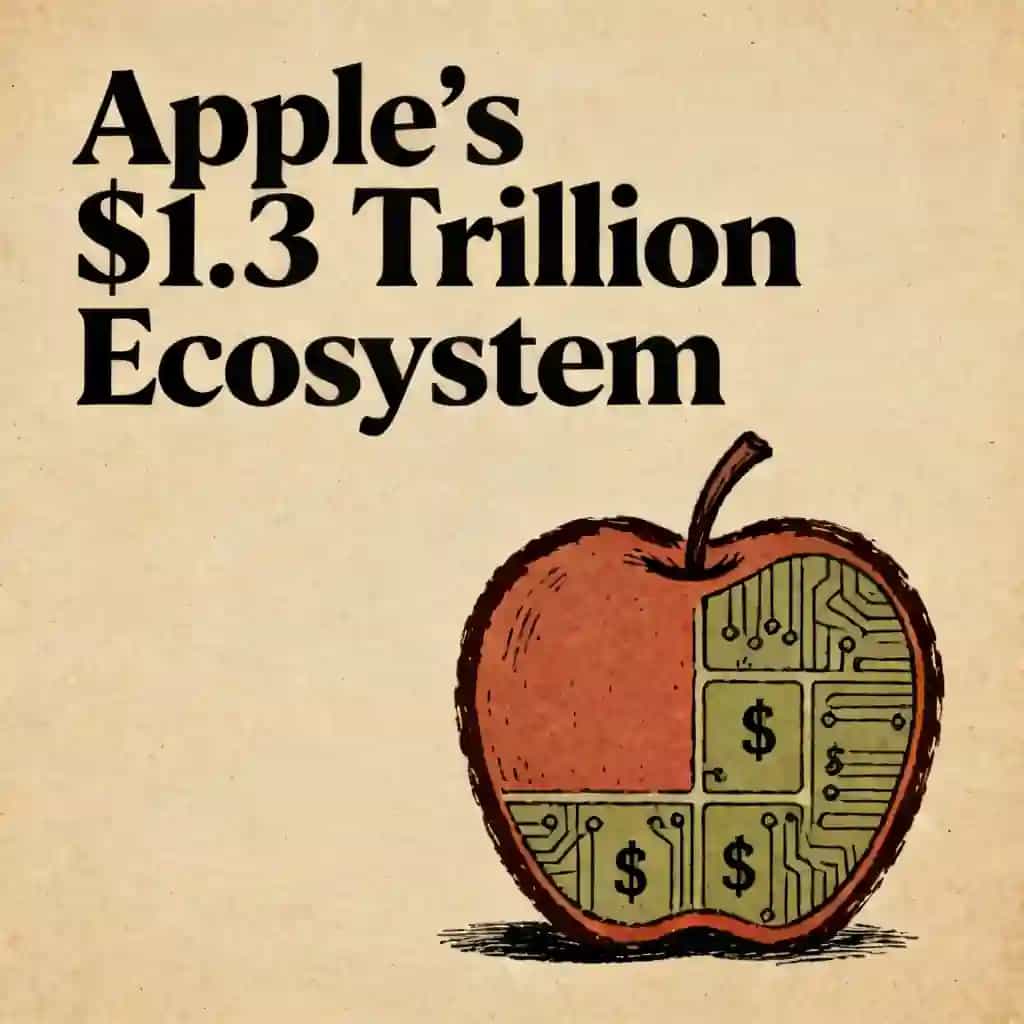
![[PDF] The Global App Store and Its Growth - Apple](/_next/image?url=https%3A%2F%2Fd1y2du6z1jfm9e.cloudfront.net%2Fassets%2Fpodcast%2Fpurple.png&w=1024&q=50)







![[0e0b5e2c-a4ef-488b-93bd-68ee55cf8209:c0001] Why SaaS freemium playbooks don’t work in AI, and what to do instead p1-1](/_next/image?url=https%3A%2F%2Fd1y2du6z1jfm9e.cloudfront.net%2Fassets%2Fpodcast%2Fgreen.png&w=1024&q=50)