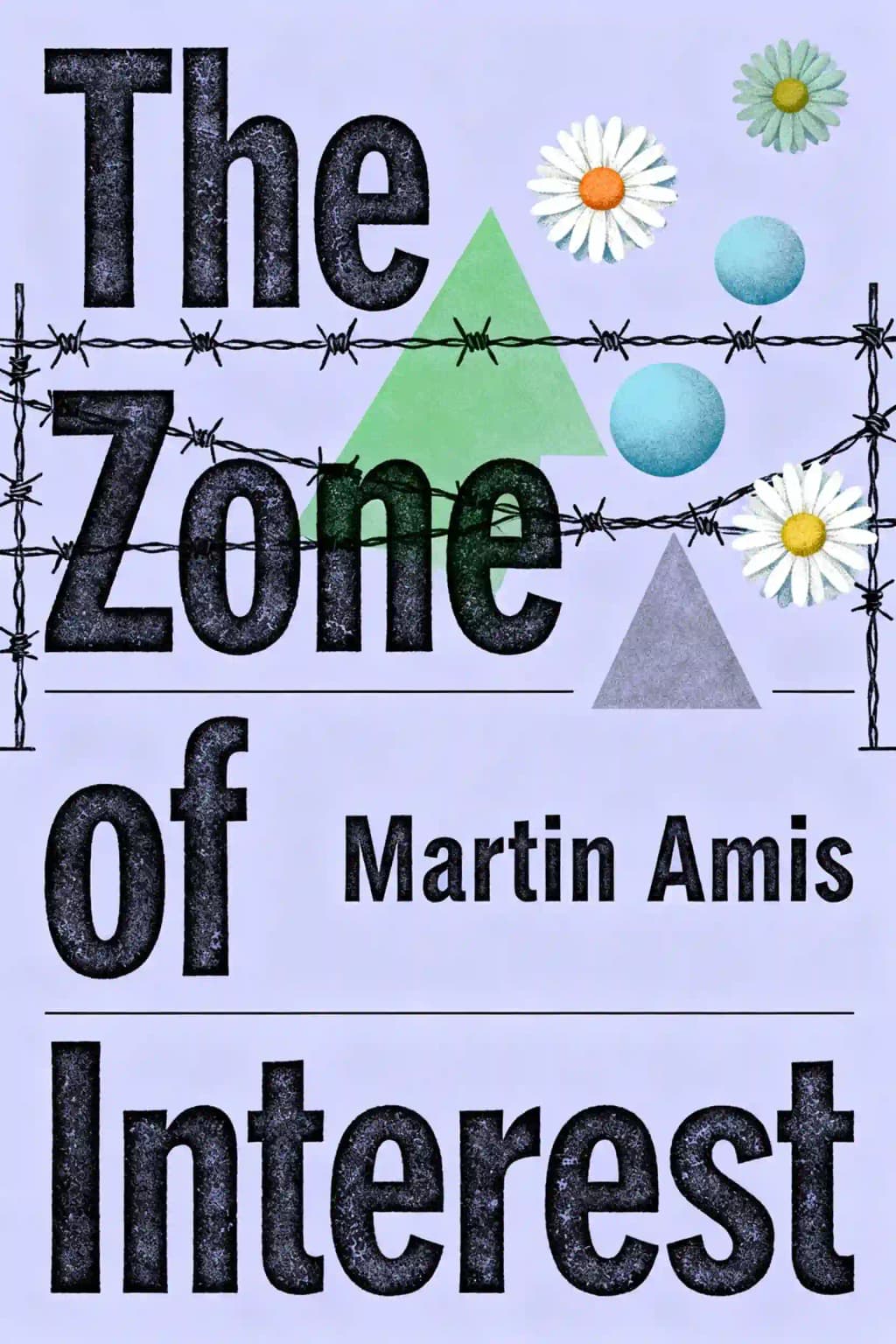
The Zone of Interest
Resumen de The Zone of Interest
Martin Amis's "The Zone of Interest" plunges readers into Auschwitz through multiple perspectives, exploring humanity's darkest chapter with unflinching honesty. Recently adapted into a critically acclaimed film, this haunting narrative asks: How does evil become ordinary when genocide becomes bureaucracy?

Temas clave en The Zone of Interest
- banality of evil
- perpetrator psychology
- bureaucratic genocide
- moral complicity
- industrialized murder
Citas de The Zone of Interest
He speaks of "Special Train 105" rather than trainloads of victims.
He repeatedly describes himself as "a normal man with normal needs".
Doll embodies what Hannah Arendt famously called "the banality of evil".
Szmul introduces himself as "the saddest man in the Lager".
Personajes en The Zone of Interest
- Golo ThomsenNazi officer and nephew of Martin Bormann
- Paul DollThe camp commandant overseeing Auschwitz
- Szmul ZachariaszJewish prisoner working in the Sonderkommando
- Hannah DollThe commandant's wife who loathes the regime
- Martin AmisAuthor of the novel
Descargar resumen de The Zone of Interest
Obtén el resumen de The Zone of Interest como PDF o EPUB gratis. Imprímelo o léelo sin conexión en cualquier momento.
Preguntas Frecuentes Sobre Este Libro
The Zone of Interest (2014) is a Holocaust novel set in Auschwitz, told through three narrators: Angelus Thomsen, a Nazi officer; Paul Doll, the camp commandant; and Szmul, a Jewish Sonderkommando. It explores the moral depravity of the Holocaust, blending a forbidden love story with unflinching depictions of systemic genocide. The novel critiques the normalization of evil and the psychological mechanisms enabling atrocities.
This book is suited for readers of historical fiction, Holocaust literature, or those interested in narratives dissecting human morality under extreme conditions. Its unflinching portrayal of Nazi bureaucracy and moral decay appeals to fans of works like The Kindly Ones or Schindler’s List. Note: Graphic content makes it unsuitable for sensitive audiences.
Yes, for its bold narrative structure and psychological depth. Martin Amis’s use of dark satire and multi-perspective storytelling offers a chilling examination of complicity. Critics praise its unflinching portrayal of Auschwitz’s horrors, though some find its thematic heaviness challenging.
- Moral ambiguity: Characters rationalize evil through bureaucratic detachment or self-delusion.
- Love and dehumanization: Thomsen’s obsession with Hannah Doll contrasts with the camp’s atrocities.
- Language as a weapon: Nazi euphemisms (“resettlement”) mask genocide, critiquing propaganda’s role in oppression.
The novel depicts Auschwitz as a grotesque ecosystem where Nazis live adjacent to gas chambers, normalized to horror. Scenes like the “Spring Meadow” burial pits—where earth hisses from decomposing bodies—highlight the banality of evil through visceral, surreal imagery.
Szmul, a Jewish Sonderkommando prisoner, narrates his role in disposing of corpses. His chapters reveal the psychological toll of survival guilt and dehumanization, offering a stark contrast to the Nazis’ detached perspectives.
The “Zone” refers to Auschwitz’s administrative perimeter, symbolizing the Nazis’ compartmentalization of genocide. It underscores the moral void where love, bureaucracy, and mass murder coexist.
Amis uses fragmented narratives, dark irony, and visceral prose to unsettle readers. His satirical tone critiques Nazi logic, such as Paul Doll’s absurd justifications for mass murder, amplifying the novel’s moral urgency.
Some critics argue Amis’s satirical approach risks trivializing Holocaust suffering. Others find the love subplot underdeveloped compared to the historical themes. However, most praise its ambition in confronting humanity’s capacity for evil.
Unlike Amis’s satirical novels (Money), this book adopts a darker, historical lens. It shares Time’s Arrow’s focus on morality but intensifies its critique through specific Holocaust atrocities.
- “You could hear the Spring Meadow”: Metaphor for corpses’ decomposition, merging natural beauty with horror.
- “We had to make sure that the Jews… went into the ground as what they were—subhuman”: Exposes Nazi dehumanization tactics.
The novel’s exploration of propaganda, systemic dehumanization, and moral complacency resonates in modern contexts of authoritarianism and societal indifference to injustice.