Capítulo 1
When Stress Becomes Your Strength
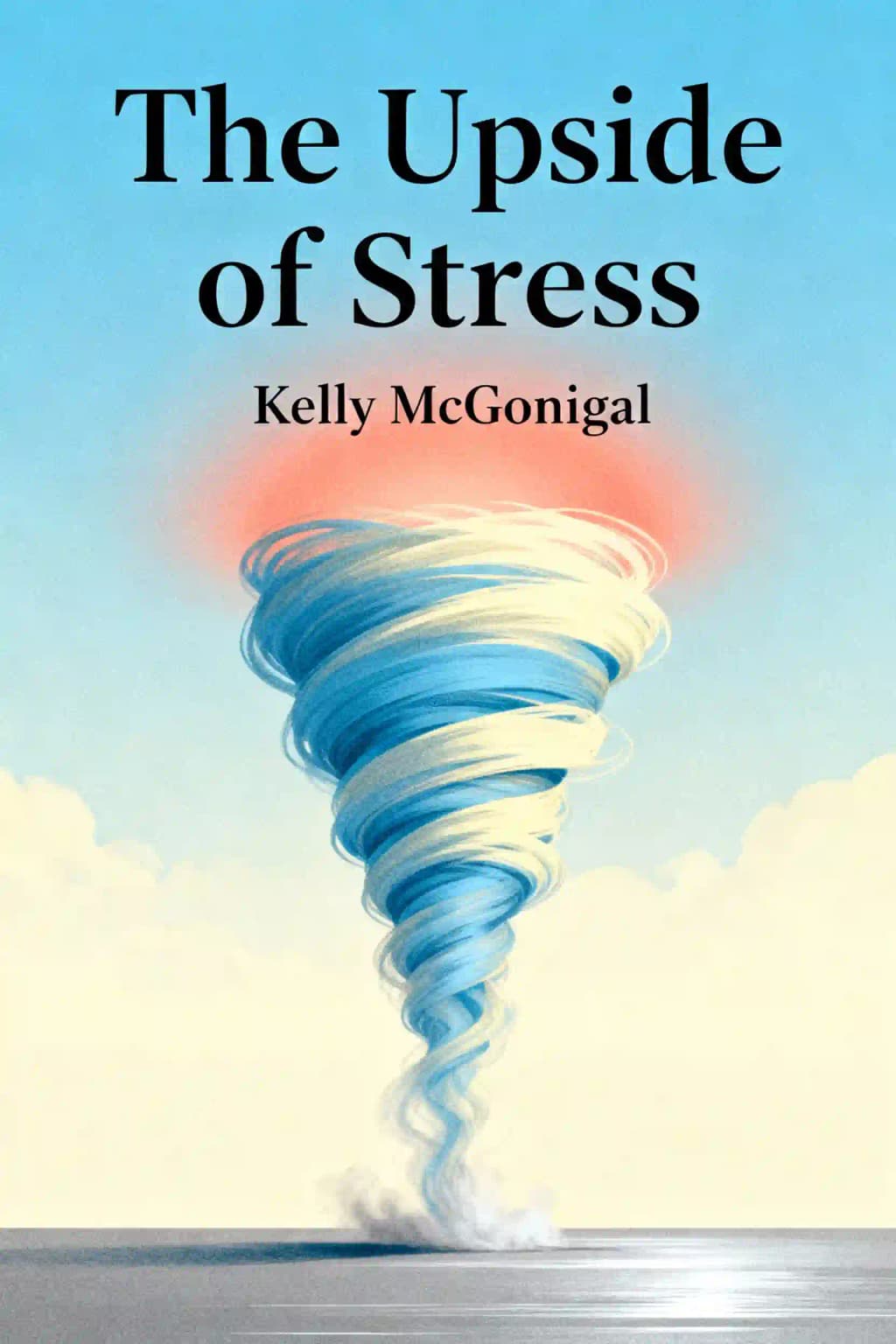
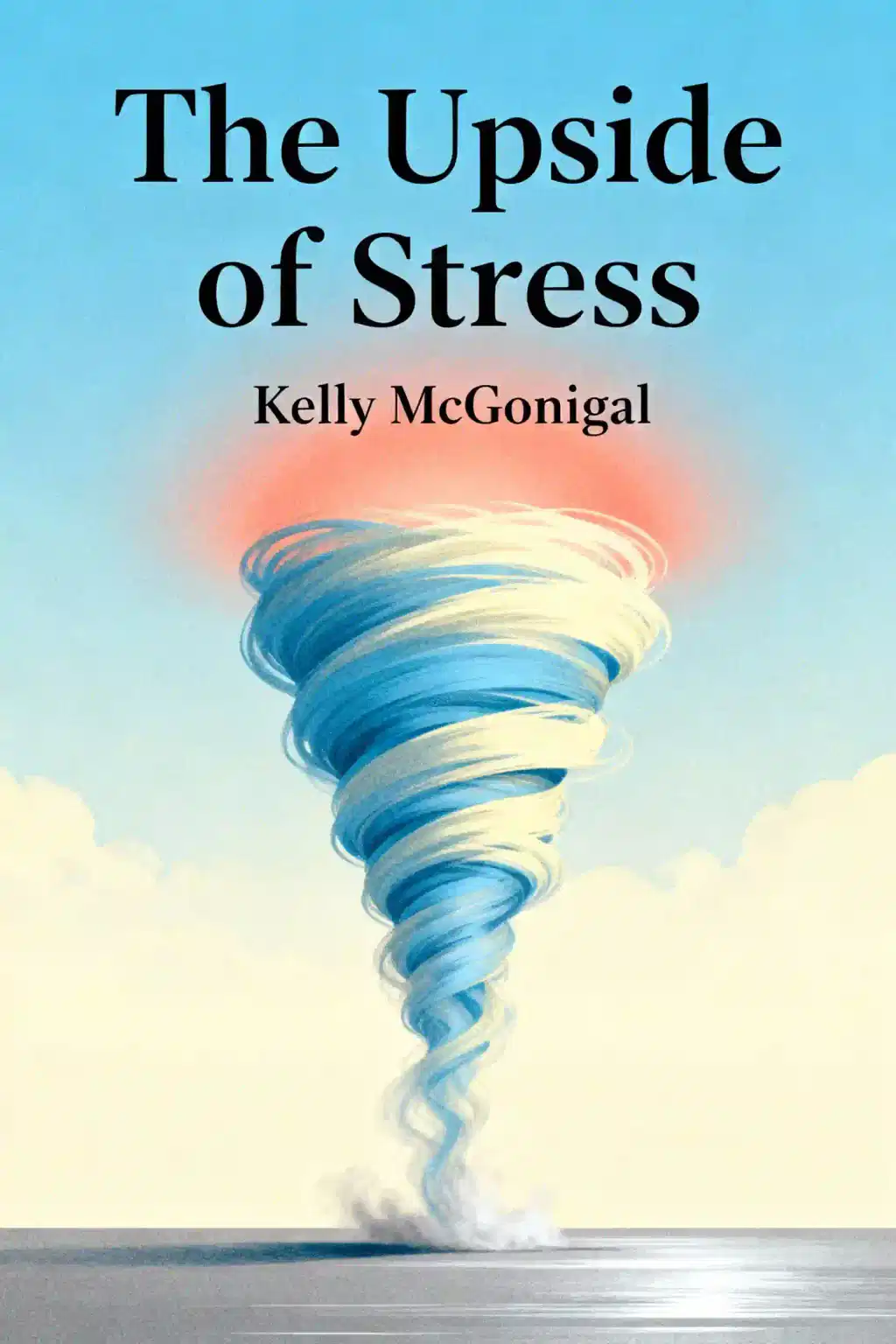
Have you ever noticed that the most successful people aren't those who avoid stress, but those who harness it? Kelly McGonigal's "The Upside of Stress" challenges everything we thought we knew about this universal human experience. As a health psychologist at Stanford University, McGonigal spent years warning people about stress's dangers-until she encountered a shocking study revealing that believing stress is harmful was itself associated with a 43% increased risk of death. This finding ranked "believing stress is bad for you" as the 15th leading cause of death in America, more deadly than skin cancer or homicide. The revelation transformed McGonigal's perspective and launched her on a mission to help others rethink stress. Her TED Talk on the subject has garnered over 30 million views, making it one of the most-watched health talks of all time, and this book-named one of the best books of the year by Business Insider-expands on that revolutionary idea: what if stress isn't your enemy, but a resource you can learn to use?
Capítulo 2
The Stress Paradox: How Your Mindset Changes Everything
The science of mindsets reveals something remarkable: how you think about stress determines its effect on you. Stanford psychologist Alia Crum demonstrated this through a simple experiment. She divided participants into two groups before a stressful mock job interview. One group watched a video describing stress as enhancing performance and promoting growth, while the other saw a video portraying stress as debilitating and harmful. Though both groups experienced increased cortisol (a stress hormone), those who viewed stress as enhancing released more DHEA-a neurosteroid that helps the brain grow stronger from stressful experiences. The ratio of DHEA to cortisol, called the "growth index," predicts resilience and recovery from trauma. Simply by viewing stress as enhancing, participants created a different biological reality in their bodies.
This isn't just a short-lived placebo effect. A mindset is a core belief that reflects your philosophy of life and biases how you think, feel, and act. When activated, it triggers cascades of thoughts, emotions, and goals that shape your responses to life. People with positive stress mindsets tend to:
• Accept the reality of stressful situations
• Plan strategies to address stress sources
• Seek information and support
• Take active steps to overcome stressors
• Reframe situations positively or use them for growth
In contrast, those with negative mindsets typically cope by distracting themselves, focusing on eliminating stress feelings rather than addressing sources, using substances to escape stress, or withdrawing from stressful situations.
These different approaches create self-fulfilling prophecies. When you face difficulties directly instead of avoiding them, you build confidence, create stronger support networks, manage problems before they escalate, and find growth opportunities in uncontrollable situations.
During the 2008 financial collapse, Crum tested this theory at UBS bank, where employees were experiencing extreme workplace stress. She divided 388 employees into three groups: one receiving traditional stress-management training highlighting the dangers of stress, another receiving positive mindset training explaining how stress enhances resilience and focus, and a control group with no training.
The results were striking: employees who received the mindset intervention developed a more balanced view of stress and reported less anxiety and depression, fewer health problems, and greater workplace productivity-all while experiencing the same high-stress environment as their colleagues. Crum has since replicated these results with healthcare professionals, college students, executives, and even Navy SEALs.
The good news? Even if you're convinced stress is harmful, you can cultivate a more beneficial mindset through simple awareness practices and deliberate shifts in perspective.
Capítulo 3
Beyond Fight-or-Flight: The Surprising Ways We Respond to Stress
Our negative view of stress stems partly from early research by Hans Selye, who discovered in 1936 that rats subjected to various unpleasant experiences developed similar symptoms-ulcers, enlarged adrenal glands, and shrunken immune organs. Selye defined stress broadly as "the response of the body to any demand made on it," extending findings from tortured lab rats to all human adaptation. Later, Walter Cannon's experiments with frightened animals led to the description of the fight-or-flight response, which many scientists argue is poorly suited for modern human challenges.
However, this view overlooks the complexity of human stress responses. Recent research reveals we have multiple biological systems supporting different coping strategies beyond simple fight-or-flight. Consider the "Trust Game" experiment, where researchers stressed men through competitive mock job interviews before having them play an economic game requiring trust. Contrary to expectations that stress would make them selfish or defensive, stressed men were 50% more likely to trust strangers and 50% more likely to be trustworthy themselves compared to non-stressed men.
Our stress responses include:
1. The Energy Response: Stress mobilizes energy throughout your body-your liver releases fat and sugar for fuel, breathing deepens for oxygen delivery, and stress hormones help muscles and brain use energy efficiently. This can produce extraordinary abilities and enhance brain function by sharpening senses and focusing attention. A chemical cocktail of endorphins, adrenaline, testosterone, and dopamine increases confidence and motivation. In less threatening situations, this becomes a "challenge response" that makes you focused without fear.
2. The Social Response: Stress motivates connection through oxytocin, encouraging you to protect people and communities you care about. When stress makes you want to call a friend or think about loved ones, that's this "tend-and-befriend response" at work. Oxytocin also provides physical benefits-your heart has special receptors for it, helping heart cells regenerate and repair micro-damage. In one study, stressing rats before chemically inducing heart attacks actually protected them from heart damage by triggering oxytocin release.
3. The Growth Response: After any stress response comes recovery, when your body relies on stress hormones like cortisol, oxytocin, DHEA, and nerve growth factor to restore balance and increase neuroplasticity. For hours after a stressful experience, your brain actively rewires itself to learn from what happened. This process creates "stress inoculation," essentially a vaccine for your brain that prepares you for similar stressors in the future.
Different situations typically trigger different responses. Social stress increases oxytocin to motivate connection, while performance stress boosts adrenaline for energy and focus. Your life history shapes these tendencies, but they aren't fixed destinies-you can deliberately practice new responses during stress, transforming your instincts over time.
Capítulo 4
A Meaningful Life Is a Stressful Life
The Gallup World Poll revealed a fascinating paradox: nations with higher stress indexes also showed higher well-being, life expectancy, GDP, happiness, and life satisfaction. Happy lives aren't stress-free, nor does a stress-free life guarantee happiness. This "stress paradox" exists because stress often comes from engaging in roles and pursuing goals that give us purpose.
In a 2013 study, researchers found that stress was a strong predictor of meaning in life. People who had experienced more stressful life events or were currently under stress rated their lives as more meaningful. Even time spent worrying about the future or reflecting on past struggles correlated with greater meaning. The biggest sources of stress-work, parenting, relationships, caregiving, and health-are also our greatest sources of meaning.
What determines whether stress harms or enhances well-being isn't the presence of stress but how we view it. A study of Boston-area men revealed that viewing daily experiences as hassles rather than meaningful activities predicted mortality risk-not the presence of stress itself. We often treat normal parts of life like errands, commuting, and household tasks as unreasonable impositions rather than expressions of our values.
Stanford research shows that writing about how daily activities connect to personal values transforms our relationship with stress. Students who journaled about these connections experienced better health, fewer illnesses, and greater confidence in handling stress compared to those who simply recorded positive events. This brief exercise helped students see meaning in otherwise stressful experiences-giving a sibling a ride became an expression of family values, and working on an internship application connected to future goals.
Writing about values is among psychology's most effective interventions, creating both immediate benefits (feelings of empowerment, love, and connection) and long-term improvements in academic performance, health outcomes, and perseverance through challenges. Even a single ten-minute writing session can produce benefits lasting months or years by transforming how people view stressful experiences and their ability to cope.
The costs of avoiding stress entirely are tremendous. When we subtract every stressful day from our lives, we also eliminate experiences that foster growth, challenges we're proud of, and relationships that define us. Research consistently shows stress avoidance leads to reduced well-being. A decade-long Veterans Affairs study revealed stress avoiders were more likely to become depressed and experience increasing work and home conflicts regardless of their starting circumstances.
Psychologists call this "stress generation"-the ironic consequence where avoiding stress creates more sources of stress while depleting supportive resources. As you become overwhelmed and isolated, you rely more on avoidant coping strategies, creating a downward spiral. As psychologists Ryan, Huta, and Deci note, "The more directly one aims to maximize pleasure and avoid pain, the more likely one is to produce instead a life bereft of depth, meaning, and community."
Capítulo 5
Engage: How Anxiety Helps You Rise to the Challenge
When facing high-pressure situations, most people believe they should try to calm down-but research shows the opposite may be true. Harvard professor Alison Wood Brooks found that people who reframed their anxiety as excitement performed better in stressful situations than those who tried to calm themselves. This mindset shift doesn't eliminate anxiety but transforms it into useful energy.
Jeremy Jamieson's research with GRE test-takers demonstrates this principle powerfully. Students who received a brief message about anxiety being helpful scored higher on practice tests and the actual GRE months later. Their stress hormone levels were actually higher, but they used this physiological response to fuel better performance. Other studies with university students and professionals show that viewing anxiety as helpful rather than harmful protects against burnout and emotional exhaustion, especially for those experiencing the highest levels of stress.
When performing under pressure, we have two distinct stress responses available: the ideal challenge response that energizes and focuses us, and the fight-or-flight threat response that primes us for self-defense rather than success. These responses differ physiologically-during a challenge response, blood vessels stay relaxed and the heart pumps more blood with each beat, maximizing energy. In contrast, a threat response constricts blood vessels and increases inflammation, preparing for potential harm.
These differences affect both health and performance. Threat responses are linked to cardiovascular disease risk, while challenge responses are associated with better aging, heart health, and brain volume preservation. Under pressure, a challenge response produces excitement and confidence, directing attention toward engagement rather than self-protection. Studies consistently show challenge responses predict better performance in business negotiations, exams, athletics, surgery, and even piloting during emergencies.
Importantly, success comes not from avoiding stress but from having the right kind of stress response. Even what we learn differs-threat responses sensitize the brain to future threats, while challenge responses promote resilience through hormones like DHEA and neural rewiring that suppresses fear.
Contrary to what many believe, embracing anxiety works even for those with clinical anxiety disorders. In Jamieson's Social Stress Test study, half the participants had social anxiety disorder, making the test their worst nightmare. Despite the severity of their anxiety, participants with social anxiety disorder benefited just as much from the mindset intervention as those without anxiety. They were rated as showing less anxiety, more confidence, and better eye contact. Importantly, those with stronger physical stress responses actually showed more confidence when they embraced their anxiety.
Research shows that while anxious people perceive their physical reactions as dangerously out of control, their actual physiological responses aren't fundamentally different from non-anxious people. They simply interpret normal stress arousal more negatively. This makes mindset interventions particularly powerful for those who struggle most with anxiety.
Capítulo 6
Connect: How Caring Creates Resilience
In the late 1990s, UCLA researchers noticed female scientists responded differently to stress than males-women would bring cookies and bond over coffee while men disappeared into offices. This observation led to the discovery that 90% of stress research had been conducted on males. Working with Shelley Taylor, they found evidence that stress can increase caring, cooperation and compassion-a "tend-and-befriend" response. While initially focused on women, researchers discovered men also show this response. Under stress, both sexes can become more trusting, generous, and willing to risk their well-being to protect others.
The tend-and-befriend response evolved to ensure we protect our offspring even at personal risk, requiring courage that counters our basic survival instinct. At its core, this response reduces fear and increases hope by activating three brain systems: the social caregiving system (regulated by oxytocin, increasing empathy and courage), the reward system (releasing dopamine, creating optimism and readiness for action), and the attunement system (driven by serotonin, enhancing perception and self-control). This biological state makes you "social, brave, and smart." Remarkably, anytime you choose to help others, you activate this state-caring triggers the biology of courage and creates hope.
When we shift from self-focused goals to bigger-than-self goals, our experience of stress fundamentally changes. Jennifer Crocker discovered this after battling burnout despite her impressive academic career. Her subsequent research confirmed that people with bigger-than-self goals feel more hopeful, curious, caring and inspired, while those with self-focused goals experience more anxiety, envy and loneliness. This difference compounds over time: self-focused strivers often become depressed despite success, while those with bigger-than-self goals build stronger social networks and experience greater well-being.
When disaster strikes, people instinctively rush to help others-as seen after the Boston Marathon bombing when physician Natalie Stavas treated victims despite her own broken foot. This "altruism born of suffering" appears consistently across traumatic events, with those who suffer most helping the most. After Hurricane Hugo, 9/11, and countless other tragedies, the most affected individuals provided the most assistance. This tendency serves a critical evolutionary purpose: helping others prevents the "defeat response"-a biologically hardwired reaction to victimization causing withdrawal, depression and hopelessness.
Caring creates resilience by countering despair, reducing feelings of powerlessness, and generating hope. Studies show volunteers after disasters feel more optimistic and less overwhelmed; pain patients who become peer counselors experience less disability; and trauma survivors who help others find more meaning in life. Most remarkably, helping others appears to completely neutralize the health impacts of severe stress-people who regularly give back show no increased risk of developing health problems or dying prematurely after major life stressors, regardless of genetic predisposition.
Even in the harshest environments, the human capacity for compassion can flourish. In Pennsylvania state prisons, inmates volunteer as caregivers for dying prisoners, providing round-the-clock care from changing bedding to emotional support. These caregivers receive no payment or special privileges, which actually strengthens their sense of genuine compassion. One former inmate explained his transformation: "I was a predator. Now, I'm a protector." Another said, "I found something that I thought I'd lost in myself. I'm not a throwaway object. I got something to contribute."
Capítulo 7
Grow: How Adversity Makes You Stronger
Consider a time in your life that represented significant personal growth-a turning point leading to positive changes or newfound purpose. Was this time also stressful? When asked this question in workshops, almost everyone agrees that their periods of greatest growth were also quite stressful. This paradox reveals how difficult times give rise to growth. Research confirms this: 82% of people say they draw on strength developed from past stressful experiences when facing new challenges.
Mark Seery, a psychologist at the University at Buffalo, challenged the belief that traumatic events always increase risk of depression and illness. His controversial 2010 paper "Whatever Does Not Kill Us" showed that a history of negative life events can actually protect against these outcomes. In a four-year study of over two thousand Americans, Seery found a U-shaped curve of well-being: people with moderate adversity (the average was eight negative life events) had the lowest risk of depression, fewest physical health problems, and greatest life satisfaction. Those with either minimal or extreme adversity fared worse. In fact, people with no trauma were significantly less satisfied with their lives than those with average trauma exposure.
These laboratory findings translate to real-world resilience. Adults with chronic back pain who have experienced moderate adversity report less physical impairment, use less pain medication, and are less likely to be unemployed due to disability. Similarly, police officers with prior trauma experience show greater resilience after witnessing traumatic events on duty.
This phenomenon, called post-traumatic growth, has been documented in survivors of virtually every kind of trauma across cultures worldwide. Common forms include greater compassion for others, discovering personal strength, increased appreciation for life, stronger spiritual faith, and establishing new life paths. Research shows this isn't rare-74% of Israeli youths exposed to terrorism, 83% of women with HIV/AIDS, and 99% of emergency workers report such growth.
Importantly, post-traumatic growth doesn't mean trauma leaves no scars. People routinely report both growth and harm from the same event, and research shows the severity of distress actually predicts the degree of growth. The distress itself becomes the engine of transformation.
Finding meaning in adversity isn't about denying pain through forced positivity. Research shows that people who can acknowledge both the good and bad in difficult situations fare better than those focused solely on positives. Those who report both negative and positive changes after traumas like terrorist attacks or life-threatening illnesses show more sustained growth than those reporting only positive outcomes.
The science behind benefit-finding is compelling. In laboratory studies, even brief reflections on the potential benefits of hurtful experiences can transform emotional responses. In one study, participants asked to spend just two minutes thinking about how a painful experience helped them grow showed less facial tension, more smiling, healthier cardiovascular responses, and greater feelings of joy and control compared to those who simply recalled the hurt.
Longer interventions show even more dramatic results. People with autoimmune disorders who regularly reflected on benefits reported less pain and fatigue. Cancer survivors experienced less distress and fewer medical appointments. Alzheimer's caregivers who kept audio diaries of positive caregiving moments showed significant reductions in depression.
Capítulo 8
The Choice to Transform Your Stress
Throughout its history, stress science focused primarily on whether stress is harmful. Yet research reveals a more nuanced reality: stress increases health risks, except when people regularly give back to their communities; stress increases mortality risk, except when people have purpose; stress increases depression risk, except when people find benefit in struggles; stress paralyzes, except when people feel capable; stress debilitates, except when it enhances performance; stress breeds selfishness, except when it triggers altruism. For instance, studies of healthcare workers show those who view their work as meaningful experience less burnout despite high stress levels, while research on athletes demonstrates how stress can enhance focus and performance during competition.
What makes these exceptions remarkable is their accessibility. The protective factors against stress's dangers are attainable through simple practices: remembering your values to find meaning in everyday stress, having honest conversations about struggles to feel less alone, viewing your body's stress response as a resource, and helping others to access hope and courage. These strategies are far more effective than the impossible goal of stress avoidance. For example, volunteers at crisis hotlines report that helping others during their own difficult times reduces their stress levels, while medical students who share their challenges with peers show better resilience than those who isolate themselves.
The science suggests stress is most harmful when you feel inadequate to handle it, when it isolates you from others, and when it feels meaningless and forced upon you. Your mindset about stress directly influences these factors. Viewing stress as harmful reinforces self-doubt, loneliness, and meaninglessness, while embracing stress transforms doubt into confidence, fear into courage, isolation into connection, and suffering into meaning-all without eliminating the stress itself. Research with military personnel shows those who view stress responses as performance-enhancing experience better outcomes in high-pressure situations.
When McGonigal committed to embracing stress, she didn't anticipate the biggest change: feeling gratitude in highly stressful situations. This wasn't intentional-the gratitude simply appeared, likely transforming what was most toxic about her relationship with stress before. Students report similar transformations: being less afraid, less lonely, more enthusiastic about life, less victimized, or more hopeful about the future. One student described how reframing exam stress as excitement about learning improved both their performance and enjoyment of studying. The magic of mindset interventions is that they work differently for each person, addressing exactly what's needed.
One of McGonigal's friends shared that her family sets annual "stress goals" instead of New Year's resolutions. Each year, they choose meaningful yet difficult personal projects that will help them grow - from learning a new language to starting a community project. Their children even participate, selecting challenges like trying out for competitive teams or performing in public. This approach transforms potential sources of anxiety into opportunities for growth and achievement. Even this moment could become a turning point in how you experience stress, if you choose to make it one. The question isn't whether you'll experience stress-it's whether you'll transform your relationship with it to create a life of meaning, connection, and growth. Research shows that people who actively choose challenging situations for personal growth report greater life satisfaction and resilience than those who prioritize comfort and safety.