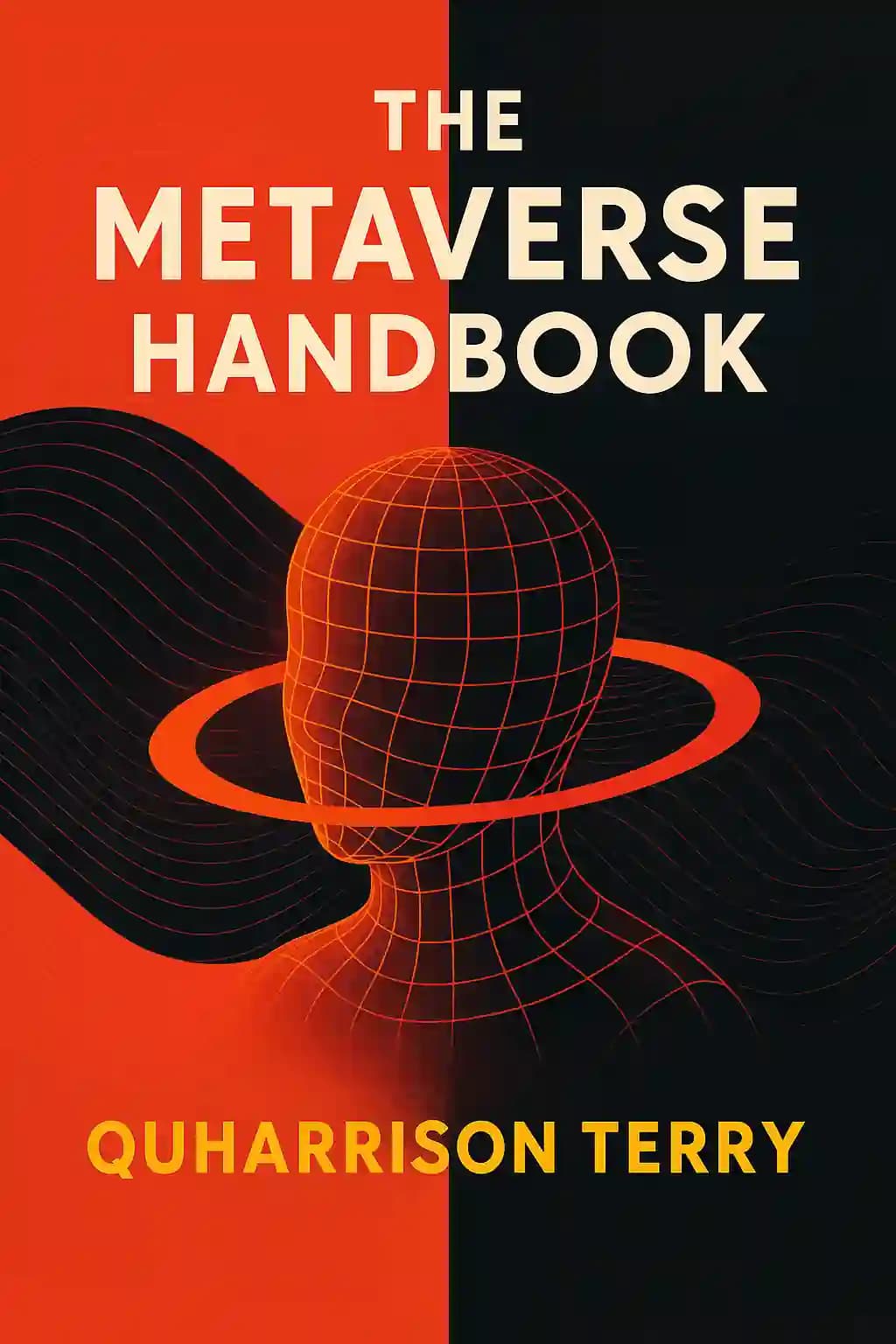
Metaverse Handbook
Innovating for the Internet's Next Tectonic Shift
Resumen de Metaverse Handbook
Step into the metaverse revolution with Paris Hilton's endorsed guidebook by tech visionaries Terry and Keeney. Published during 2022's virtual reality boom, this 192-page blueprint reveals why Meta invested billions in digital realms that could render physical workspaces obsolete. Ready to claim your virtual territory?

Temas clave en Metaverse Handbook
- digital asset ownership
- decentralized autonomous organizations
- web3 infrastructure
- virtual identity management
- immersive internet evolution
Citas de Metaverse Handbook
Our digital lives become more valuable than our physical ones?
"The Metaverse is the moment in time where our digital life is worth more to us than our physical life."
Web3 empowers users to own their data.
NFTs signal community membership and display status.
NFTs have transformed crowdfunding.
Personajes en Metaverse Handbook
- QuHarrison TerryAuthor and metaverse expert
- Scott “DJ Skee” KeeneyAuthor and digital media pioneer
- Paris HiltonEntrepreneur and early metaverse adopter
- Krista KimDigital artist and creator of the Mars House NFT
Sobre el Autor
Sobre el autor de Metaverse Handbook
QuHarrison Terry, bestselling co-author of The Metaverse Handbook: Innovating for the Internet’s Next Tectonic Shift, is a growth marketing strategist and digital innovation leader at Mark Cuban Companies. A four-time LinkedIn Top Voice in Technology, Terry co-founded 23VIVI, the first blockchain-powered digital art marketplace, and authored The NFT Handbook—a global guide to non-fungible tokens translated into 20+ languages.
His expertise in web3, blockchain, and immersive technologies stems from advising 200+ tech ventures and pioneering NFT sales like the Worldstar Hip-Hop Chain (121 ETH).
Scott “DJ Skee” Keeney, award-winning media futurist and Chief Metaverse Officer of TSX Entertainment, brings two decades of shaping cultural trends through music, tech, and experiential brands. Together, they dissect the metaverse’s fusion of XR, blockchain, and decentralized economies, drawing from Skee’s work on DXSH.mv Studios’ virtual experiences.
Featured in WIRED, Forbes, and CNBC, their handbook has become a critical resource for businesses and creators, blending Terry’s data-driven marketing frameworks with Skee’s entertainment industry insights. The book has been spotlighted in 35+ media outlets globally since its 2022 release.
Descargar resumen de Metaverse Handbook
Obtén el resumen de Metaverse Handbook como PDF o EPUB gratis. Imprímelo o léelo sin conexión en cualquier momento.
Preguntas Frecuentes Sobre Este Libro
The Metaverse Handbook by QuHarrison Terry and Scott “DJ Skee” Keeney is a practical guide to understanding and leveraging metaverse technologies like blockchain, extended reality (XR), and web3. It provides actionable strategies for businesses and creators through real-world case studies from platforms like Decentraland, Fortnite, and Meta’s Horizon Worlds. The book simplifies complex concepts, offering a roadmap for navigating the metaverse’s economic, social, and technological opportunities.
This book is ideal for digital professionals, entrepreneurs, and business leaders seeking to innovate in web3. It’s also valuable for creators exploring NFTs or virtual experiences, and marketers aiming to understand metaverse-driven consumer trends. The non-technical language makes it accessible to anyone curious about the future of online communities.
Yes, particularly for its concise breakdown of metaverse foundations and use cases. The authors blend insights from tech and culture, offering step-by-step guidance for implementing metaverse strategies. Reviews highlight its relevance for 2025, as industries increasingly adopt virtual collaboration tools and digital asset frameworks.
The book focuses on three core technologies:
- Blockchain: For securing digital ownership (e.g., NFTs).
- Extended Reality (XR): Including VR headsets and immersive environments.
- Web3: Decentralized platforms shaping the metaverse economy.
Case studies from Meta, Decentraland, and gaming ecosystems illustrate their applications.
It analyzes examples like Meta’s Horizon Worlds for remote collaboration, Decentraland’s browser-based virtual real estate, and Fortnite’s concert events. These cases demonstrate how companies monetize virtual experiences, engage communities, and integrate blockchain for asset ownership.
QuHarrison Terry is a growth marketing leader at Mark Cuban Companies and co-author of The NFT Handbook. He co-founded 23VIVI (a blockchain art marketplace) and sold NFTs like the Worldstar Hip-Hop Chain for 121 ETH. His expertise bridges digital innovation and business strategy.
The book advises companies to:
- Explore virtual collaboration tools (e.g., VR meetings).
- Monetize digital assets through NFTs or virtual real estate.
- Engage communities via immersive events, like Fortnite’s in-game concerts.
Some readers note the book prioritizes optimism over technical depth, which may leave developers seeking coding specifics unfulfilled. Others highlight its broad-strokes approach, ideal for strategists but less so for niche experts.
As remote work and digital economies expand, the book’s frameworks for virtual offices, NFT-based revenue, and XR-driven marketing remain critical. Its insights into blockchain’s role in asset ownership align with 2025’s web3 advancements.
- Digital twins: Virtual replicas of physical assets.
- Avatar-driven commerce: Purchases via virtual identities.
- Interoperability: Seamless asset transfers across metaverse platforms.
It highlights roles in metaverse development, virtual event management, and NFT curation. The authors emphasize adaptability, urging professionals to master tools like XR design software and blockchain analytics.