Flight: Charles Lindbergh's Daring and Immortal 1927 Transatlantic Crossing

Resumen de Flight
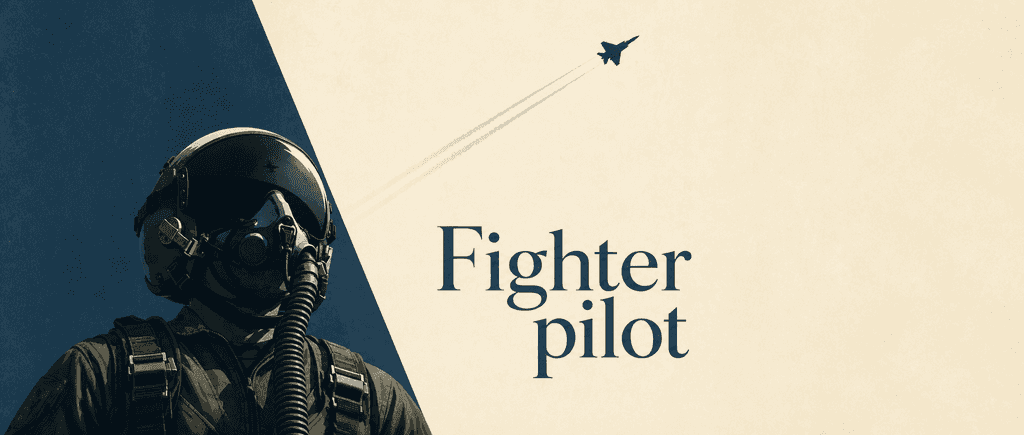
In 1927, decorated fighter pilot Dan Hampton vividly recreates Charles Lindbergh's historic transatlantic flight that captivated the world. While 40,000 boxing fans observed silence during takeoff, Lindbergh battled exhaustion and isolation - forever transforming aviation's future with one daring journey.
- Charles Lindbergh’s 33-hour solo transatlantic flight redefined aviation’s technological and cultural limits.
- Lindbergh’s minimalist "Spirit of St. Louis" design prioritized fuel efficiency over safety.
- Lindbergh’s 1927 flight became a symbol of American innovation post-World War I.
- Extreme cold and sleep deprivation played a role in Lindbergh’s near-fatal mid-Atlantic journey.
- Lindbergh’s childhood obsession with flight foreshadowed his record-breaking Paris crossing.
- The $25,000 Orteig Prize motivated high-risk aviation attempts despite fatal precedents.
- Lindbergh’s post-flight struggle was with fame versus his preference for solitary exploration.
- Hampton’s military pilot perspective amplifies the flight’s technical and emotional stakes.
- Celestial navigation played an underestimated role in pre-radar transatlantic aviation success.
- Lindbergh’s later controversial political views complicated his aviation legacy.
- Storms over Newfoundland nearly ended the flight before reaching open ocean.
- Lindbergh’s wicker cockpit seat serves as a metaphor for 1920s aviation’s raw ingenuity.
Sobre el autor de Flight
Dan Hampton, author of The Flight, is a retired U.S. Air Force lieutenant colonel and New York Times bestselling author renowned for his expertise in military aviation and combat memoirs.
A decorated fighter pilot with 151 combat missions and 21 confirmed surface-to-air missile site kills, Hampton channels his firsthand experience into gripping military histories that explore themes of courage, technology, and aerial warfare strategy. His acclaimed titles include Viper Pilot: A Memoir of Air Combat, Lords of the Sky, and Operation Vengeance, all celebrated for their technical authenticity and visceral storytelling.
Hampton’s insights have been featured in Time Magazine, The Wall Street Journal, and on major networks including CNN, Fox News, and NPR. A recipient of four Distinguished Flying Crosses with Valor and a Purple Heart, his works blend historical rigor with the adrenaline of cockpit-level perspectives.
The Flight continues his tradition of combining meticulous research with warrior’s-eye narratives, solidifying his status as a foremost chronicler of aerial combat.
Preguntas frecuentes sobre Flight
What is The Flight by Dan Hampton about?
The Flight chronicles Charles Lindbergh’s groundbreaking 1927 transatlantic journey from New York to Paris, blending aviation history with a cockpit-level narrative. Dan Hampton, a decorated pilot, uses Lindbergh’s diaries and technical expertise to recreate the 33-hour solo flight’s dangers, from storms to equipment risks, while contextualizing its impact on aviation and global culture.
Who should read The Flight by Dan Hampton?
Aviation enthusiasts, history buffs, and readers seeking adrenaline-fueled nonfiction will enjoy this book. Hampton’s military flying experience and access to primary sources offer unique insights, making it ideal for those interested in pioneering achievements or early 20th-century innovation.
Is The Flight by Dan Hampton worth reading?
Yes—Hampton’s gripping, technical yet accessible storytelling immerses readers in Lindbergh’s perilous journey. The blend of historical context, aviation details, and psychological tension creates a cinematic experience, though some may find later chapters on Lindbergh’s post-flight controversies brief compared to the flight’s vivid portrayal.
What challenges did Charles Lindbergh face during his transatlantic flight?
Lindbergh battled freezing temperatures, fog, sleep deprivation, and navigational uncertainty in a rudimentary cockpit. Hampton emphasizes risks like icing, fuel management, and the psychological toll of solitary flight, using weather data and Lindbergh’s journals to highlight near-disasters.
How does Dan Hampton’s background enhance The Flight?
As an F-16 combat pilot, Hampton analyzes flight mechanics and decision-making with authority. His transatlantic flying experience informs technical explanations of Lindbergh’s Spirit of St. Louis, while military precision shapes the suspenseful pacing.
What was the Spirit of St. Louis, and why was it revolutionary?
Lindbergh’s single-engine monoplane was custom-built for endurance, prioritizing fuel capacity over safety features like a front windshield. Hampton details its lightweight design, 450-gallon fuel load, and modifications that made transatlantic flight possible—though perilous.
How did Lindbergh navigate without modern technology?
He used celestial navigation, a magnetic compass, and crude calculations to cross 3,600 miles of open ocean. Hampton explains how drifting clouds and stars guided Lindbergh, who often flew blind due to fog, relying on instinct and minimal instruments.
What legacy did Lindbergh’s flight create?
The flight revolutionized aviation, proving long-distance air travel feasible and turning Lindbergh into a global icon. Hampton notes the “Lindbergh boom” in aviation investment but also critiques the pilot’s later controversial political views, which tarnished his reputation.
What are the main themes in The Flight?
Key themes include human perseverance versus nature’s unpredictability, the cost of fame, and technological ambition. Hampton contrasts Lindbergh’s humility with his later media circus, framing the flight as both a triumph and cautionary tale.
How does The Flight compare to other aviation history books?
Hampton’s military perspective and use of primary sources differentiate it, offering sharper technical analysis than broader histories. While Erik Larson’s The Splendid and the Vile explores societal impacts, The Flight laser-focuses on the flight’s mechanics and psychology.
What criticisms exist about The Flight by Dan Hampton?
Some reviewers note Hampton glosses over Lindbergh’s later pro-eugenics stance and Nazi sympathies, focusing more on flight drama. However, the book is praised for avoiding hero worship and honestly portraying Lindbergh’s social detachment.
Can The Flight help understand early 20th-century innovation?
Yes—it captures 1927’s competitive “air race” climate, where governments and entrepreneurs vied for aviation milestones. Hampton links Lindbergh’s success to postwar optimism and America’s rising technological confidence, offering societal context beyond the cockpit.
Siente el libro a través de la voz del autor
Convierte el conocimiento en ideas atractivas y llenas de ejemplos
Captura ideas clave en un instante para un aprendizaje rápido
Disfruta el libro de una manera divertida y atractiva
Personajes en Flight
- Charles LindberghAirmail pilot and first to fly solo across the Atlantic
- Raymond OrteigBusinessman who offered the $25,000 prize for the flight
- Rene FonckFrench flying ace who crashed during a takeoff attempt
- Charles NungesserFrench aviator who vanished over the Atlantic
- Francois ColiFrench hero who disappeared with Nungesser
Temas clave en Flight
- transatlantic aviation history
- solo flight endurance
- early airmail service
- aviation engineering innovation
- pioneer aviator biography
Citas de Flight
Flying has torn apart the relationship of space and time.
Why carry the useless weight of a co-pilot when I could take that much more gasoline?
The lack of sleep is beginning to tell on me.
Explora Tu Forma de Aprender
 Modo Resumen Rápido
Lee o escucha el resumen de Flight en 8 minutos
Desglosa las ideas clave de Flight en puntos fáciles de entender para comprender cómo los equipos innovadores crean, colaboran y crecen.

 Modo Divertido
Lecciones de Flight Contadas en Historias de 21 Min
Experimenta Flight a través de narraciones vívidas que convierten las lecciones de innovación en momentos que recordarás y aplicarás.
 Modo Personalizar
Experimenta Flight con tu propio estilo de aprendizaje
Pregunta cualquier cosa, elige tu estilo de aprendizaje y co-crea ideas que realmente resuenen contigo.
Creado por exalumnos de la Universidad de Columbia en San Francisco
"Instead of endless scrolling, I just hit play on BeFreed. It saves me so much time."


"I never knew where to start with nonfiction—BeFreed’s book lists turned into podcasts gave me a clear path."


"Perfect balance between learning and entertainment. Finished ‘Thinking, Fast and Slow’ on my commute this week."
"Crazy how much I learned while walking the dog. BeFreed = small habits → big gains."
"Reading used to feel like a chore. Now it’s just part of my lifestyle."

"Feels effortless compared to reading. I’ve finished 6 books this month already."
"BeFreed turned my guilty doomscrolling into something that feels productive and inspiring."

"BeFreed turned my commute into learning time. 20-min podcasts are perfect for finishing books I never had time for."
"BeFreed replaced my podcast queue. Imagine Spotify for books — that’s it. 🙌"

"It is great for me to learn something from the book without reading it."
"The themed book list podcasts help me connect ideas across authors—like a guided audio journey."
"Makes me feel smarter every time before going to work"
Creado por exalumnos de la Universidad de Columbia en San Francisco
"Instead of endless scrolling, I just hit play on BeFreed. It saves me so much time."
"I never knew where to start with nonfiction—BeFreed’s book lists turned into podcasts gave me a clear path."
"Perfect balance between learning and entertainment. Finished ‘Thinking, Fast and Slow’ on my commute this week."
"Crazy how much I learned while walking the dog. BeFreed = small habits → big gains."
"Reading used to feel like a chore. Now it’s just part of my lifestyle."
"Feels effortless compared to reading. I’ve finished 6 books this month already."
"BeFreed turned my guilty doomscrolling into something that feels productive and inspiring."
"BeFreed turned my commute into learning time. 20-min podcasts are perfect for finishing books I never had time for."
"BeFreed replaced my podcast queue. Imagine Spotify for books — that’s it. 🙌"
"It is great for me to learn something from the book without reading it."
"The themed book list podcasts help me connect ideas across authors—like a guided audio journey."
"Makes me feel smarter every time before going to work"
"Instead of endless scrolling, I just hit play on BeFreed. It saves me so much time."
"I never knew where to start with nonfiction—BeFreed’s book lists turned into podcasts gave me a clear path."
"Perfect balance between learning and entertainment. Finished ‘Thinking, Fast and Slow’ on my commute this week."
"Crazy how much I learned while walking the dog. BeFreed = small habits → big gains."
"Reading used to feel like a chore. Now it’s just part of my lifestyle."
"Feels effortless compared to reading. I’ve finished 6 books this month already."
"BeFreed turned my guilty doomscrolling into something that feels productive and inspiring."
"BeFreed turned my commute into learning time. 20-min podcasts are perfect for finishing books I never had time for."
"BeFreed replaced my podcast queue. Imagine Spotify for books — that’s it. 🙌"
"It is great for me to learn something from the book without reading it."
"The themed book list podcasts help me connect ideas across authors—like a guided audio journey."
"Makes me feel smarter every time before going to work"
"Instead of endless scrolling, I just hit play on BeFreed. It saves me so much time."
"I never knew where to start with nonfiction—BeFreed’s book lists turned into podcasts gave me a clear path."
"Perfect balance between learning and entertainment. Finished ‘Thinking, Fast and Slow’ on my commute this week."
"Crazy how much I learned while walking the dog. BeFreed = small habits → big gains."
"Reading used to feel like a chore. Now it’s just part of my lifestyle."
"Feels effortless compared to reading. I’ve finished 6 books this month already."
"BeFreed turned my guilty doomscrolling into something that feels productive and inspiring."
"BeFreed turned my commute into learning time. 20-min podcasts are perfect for finishing books I never had time for."
"BeFreed replaced my podcast queue. Imagine Spotify for books — that’s it. 🙌"
"It is great for me to learn something from the book without reading it."
"The themed book list podcasts help me connect ideas across authors—like a guided audio journey."
"Makes me feel smarter every time before going to work"

Descargar resumen de Flight
Obtén el resumen de Flight como PDF o EPUB gratis. Imprímelo o léelo sin conexión en cualquier momento.