
The Art of Insubordination: How to Dissent and Defy Effectively

Resumen de The Art of Insubordination
In "The Art of Insubordination," psychologist Todd Kashdan reveals how principled rebellion drives innovation and social change. Featured in The New York Times and embraced by Microsoft and the Pentagon - could your next act of constructive defiance transform your world?
- Principled insubordination drives innovation by challenging harmful societal norms.
- Cognitive defusion techniques build resilience against backlash for dissenters.
- Curiosity and intellectual humility unlock the benefits of diverse perspectives.
- Small acts of rebellion foster personal growth and cultural dynamism.
- Effective dissent requires balancing boldness with empathy to avoid oppression.
- Psychological flexibility helps insubordinates manage discomfort from social rejection.
- Healthy groups encourage dissenters to voice countercultural ideas openly.
- Todd Kashdan’s “nonconformist cookbook” teaches tactical empathy for persuasion.
- Power paradox: Successful rebels must avoid becoming authoritarian gatekeepers.
- Historical rebels like Martha Goddard show dissent’s role in justice.
- Constructive insubordination thrives when leaders model vulnerability first.
- Rejecting conformity mistakes requires courage to embrace uncertainty over comfort.
Sobre el autor de The Art of Insubordination
Todd B. Kashdan is the acclaimed author of The Art of Insubordination: How to Dissent and Defy Effectively and a leading authority on well-being, curiosity, and psychological flexibility. A professor of psychology at George Mason University and director of its Well-Being Laboratory, Kashdan bridges cutting-edge research with practical strategies for challenging societal norms and driving meaningful change.
His expertise in resilience and social dynamics stems from over 20 years of research and over 250 peer-reviewed studies. He is also the author of bestselling books like Curious? Discover the Missing Ingredient to a Fulfilling Life and The Upside of Your Dark Side.
Kashdan’s insights regularly feature in The New York Times, Harvard Business Review, and NPR, and he advises organizations including Microsoft, Mercedes-Benz, and the U.S. Department of Defense. Through his Provoked newsletter and TEDx talks, he distills complex psychology into actionable frameworks for personal and professional growth. The Art of Insubordination has been translated into more than 15 languages, cementing Kashdan’s global influence as a pioneer in understanding dissent’s role in progress.
Preguntas frecuentes sobre The Art of Insubordination
What is The Art of Insubordination by Todd B. Kashdan about?
The Art of Insubordination explores how to challenge societal norms and drive change through principled rebellion. Drawing on psychology and social science, Todd Kashdan provides actionable strategies for dissenters to communicate ideas effectively, build alliances, and sustain movements. The book combines research-backed frameworks with real-world examples, offering a guide for those seeking to innovate while minimizing backlash.
Who should read The Art of Insubordination?
Leaders, activists, entrepreneurs, and anyone aiming to challenge outdated systems will benefit from this book. It’s ideal for individuals in psychology, organizational development, or social justice fields seeking evidence-based tactics to drive change. Kashdan’s insights also resonate with professionals navigating workplace dissent or fostering innovation.
Is The Art of Insubordination worth reading?
Yes. Reviewers praise its blend of rigorous research and practical advice, calling it a “manual for effective dissent” and “visionary guidebook.” The book’s step-by-step recipes for rebellion, coupled with compelling anecdotes, make it a valuable resource for creating lasting impact.
What are the main concepts in The Art of Insubordination?
Key ideas include:
- Principled rebellion: Challenging norms ethically and strategically.
- Coalition-building: Attracting allies through shared adversity.
- Framing messages: Using storytelling to reduce defensiveness.
- Psychological flexibility: Adapting tactics without compromising values.
How does The Art of Insubordination help in creating social change?
Kashdan advocates for incremental steps, such as starting with small acts of defiance to build momentum. He emphasizes leveraging shared hardships to unite supporters and reframing dissent as a collective benefit rather than a threat. The book also addresses overcoming resistance through empathy and persistence.
What scientific research supports the book’s ideas?
Kashdan cites 200+ studies on persuasion, group dynamics, and resilience. For example, research on minority influence shows how consistent, vocal dissenters can shift majority opinions. Studies on psychological safety and curiosity also underpin tactics for fostering open dialogue.
How does Kashdan’s approach differ from other leadership books?
Unlike conventional leadership guides focused on conformity, The Art of Insubordination celebrates nonconformity as a catalyst for progress. It merges clinical psychology with activism, offering evidence-based tools rather than abstract theories.
Can The Art of Insubordination help with workplace challenges?
Absolutely. The book provides tactics for voicing unpopular opinions, managing hierarchical pushback, and fostering cultures where dissent leads to innovation. Kashdan’s “recipe steps” help professionals navigate office politics while driving change.
What are key takeaways from The Art of Insubordination?
- Build alliances with “fellow rebels” to amplify impact.
- Use humor and curiosity to disarm opponents.
- Frame dissent as serving the greater good.
- Sustain energy by celebrating small wins.
How does the book address managing backlash?
Kashdan advises dissidents to anticipate criticism by practicing empathetic listening and acknowledging valid concerns. He also recommends “strategic incrementalism”—introducing change in phases—to reduce resistance. Resiliency techniques, like reframing setbacks as learning opportunities, are emphasized.
What quotes highlight the book’s message?
- “Dissent is the antidote to stagnation.”
- “The goal isn’t to win debates but to expand minds.” These lines encapsulate Kashdan’s focus on long-term cultural shifts over short-term victories.
How does this book relate to Kashdan’s previous work?
The Art of Insubordination expands on themes from Curious? and The Upside of Your Dark Side, applying psychological flexibility and curiosity to societal change. It bridges personal resilience with collective action, reflecting Kashdan’s expertise in well-being and social dynamics.
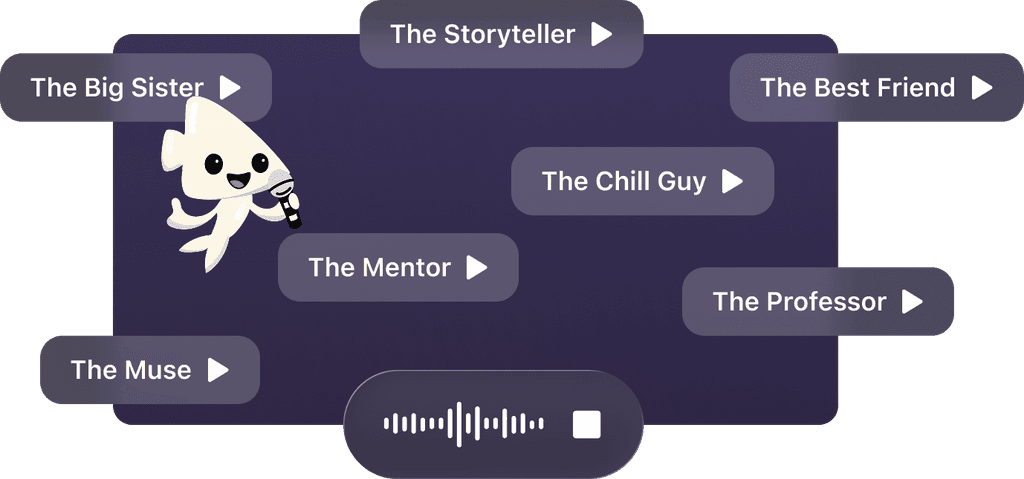
Siente el libro a través de la voz del autor
Convierte el conocimiento en ideas atractivas y llenas de ejemplos
Captura ideas clave en un instante para un aprendizaje rápido
Disfruta el libro de una manera divertida y atractiva
Personajes en The Art of Insubordination
- Todd B. KashdanAuthor and psychologist studying non-conformity
- Rick BarryNBA Hall of Famer who used the 'granny shot'
- Elizabeth Jennings1854 activist who sued for equal transit access
- Charlan NemethResearcher studying the impact of dissent
Temas clave en The Art of Insubordination
- principled rebellion
- dissenting opinions
- challenging social norms
- psychological safety
- non-conformist leadership
Citas de The Art of Insubordination
Our world desperately needs more principled rebels.
Conformity compromises long-term wellbeing.
Insubordination fuels incremental progress.
Hope makes us tolerate flawed systems.
Rebels gain more influence as in-group members.
Explora Tu Forma de Aprender
 Modo Resumen Rápido
Lee o escucha el resumen de The Art of Insubordination en 9 minutos
Desglosa las ideas clave de The Art of Insubordination en puntos fáciles de entender para comprender cómo los equipos innovadores crean, colaboran y crecen.

 Modo Divertido
Lecciones de The Art of Insubordination Contadas en Historias de 24 Min
Experimenta The Art of Insubordination a través de narraciones vívidas que convierten las lecciones de innovación en momentos que recordarás y aplicarás.
 Modo Personalizar
Experimenta The Art of Insubordination con tu propio estilo de aprendizaje
Pregunta cualquier cosa, elige tu estilo de aprendizaje y co-crea ideas que realmente resuenen contigo.
Creado por exalumnos de la Universidad de Columbia en San Francisco
"Instead of endless scrolling, I just hit play on BeFreed. It saves me so much time."


"I never knew where to start with nonfiction—BeFreed’s book lists turned into podcasts gave me a clear path."


"Perfect balance between learning and entertainment. Finished ‘Thinking, Fast and Slow’ on my commute this week."
"Crazy how much I learned while walking the dog. BeFreed = small habits → big gains."
"Reading used to feel like a chore. Now it’s just part of my lifestyle."

"Feels effortless compared to reading. I’ve finished 6 books this month already."
"BeFreed turned my guilty doomscrolling into something that feels productive and inspiring."

"BeFreed turned my commute into learning time. 20-min podcasts are perfect for finishing books I never had time for."
"BeFreed replaced my podcast queue. Imagine Spotify for books — that’s it. 🙌"

"It is great for me to learn something from the book without reading it."
"The themed book list podcasts help me connect ideas across authors—like a guided audio journey."
"Makes me feel smarter every time before going to work"
Creado por exalumnos de la Universidad de Columbia en San Francisco
"Instead of endless scrolling, I just hit play on BeFreed. It saves me so much time."
"I never knew where to start with nonfiction—BeFreed’s book lists turned into podcasts gave me a clear path."
"Perfect balance between learning and entertainment. Finished ‘Thinking, Fast and Slow’ on my commute this week."
"Crazy how much I learned while walking the dog. BeFreed = small habits → big gains."
"Reading used to feel like a chore. Now it’s just part of my lifestyle."
"Feels effortless compared to reading. I’ve finished 6 books this month already."
"BeFreed turned my guilty doomscrolling into something that feels productive and inspiring."
"BeFreed turned my commute into learning time. 20-min podcasts are perfect for finishing books I never had time for."
"BeFreed replaced my podcast queue. Imagine Spotify for books — that’s it. 🙌"
"It is great for me to learn something from the book without reading it."
"The themed book list podcasts help me connect ideas across authors—like a guided audio journey."
"Makes me feel smarter every time before going to work"
"Instead of endless scrolling, I just hit play on BeFreed. It saves me so much time."
"I never knew where to start with nonfiction—BeFreed’s book lists turned into podcasts gave me a clear path."
"Perfect balance between learning and entertainment. Finished ‘Thinking, Fast and Slow’ on my commute this week."
"Crazy how much I learned while walking the dog. BeFreed = small habits → big gains."
"Reading used to feel like a chore. Now it’s just part of my lifestyle."
"Feels effortless compared to reading. I’ve finished 6 books this month already."
"BeFreed turned my guilty doomscrolling into something that feels productive and inspiring."
"BeFreed turned my commute into learning time. 20-min podcasts are perfect for finishing books I never had time for."
"BeFreed replaced my podcast queue. Imagine Spotify for books — that’s it. 🙌"
"It is great for me to learn something from the book without reading it."
"The themed book list podcasts help me connect ideas across authors—like a guided audio journey."
"Makes me feel smarter every time before going to work"
"Instead of endless scrolling, I just hit play on BeFreed. It saves me so much time."
"I never knew where to start with nonfiction—BeFreed’s book lists turned into podcasts gave me a clear path."
"Perfect balance between learning and entertainment. Finished ‘Thinking, Fast and Slow’ on my commute this week."
"Crazy how much I learned while walking the dog. BeFreed = small habits → big gains."
"Reading used to feel like a chore. Now it’s just part of my lifestyle."
"Feels effortless compared to reading. I’ve finished 6 books this month already."
"BeFreed turned my guilty doomscrolling into something that feels productive and inspiring."
"BeFreed turned my commute into learning time. 20-min podcasts are perfect for finishing books I never had time for."
"BeFreed replaced my podcast queue. Imagine Spotify for books — that’s it. 🙌"
"It is great for me to learn something from the book without reading it."
"The themed book list podcasts help me connect ideas across authors—like a guided audio journey."
"Makes me feel smarter every time before going to work"

Descargar resumen de The Art of Insubordination
Obtén el resumen de The Art of Insubordination como PDF o EPUB gratis. Imprímelo o léelo sin conexión en cualquier momento.


