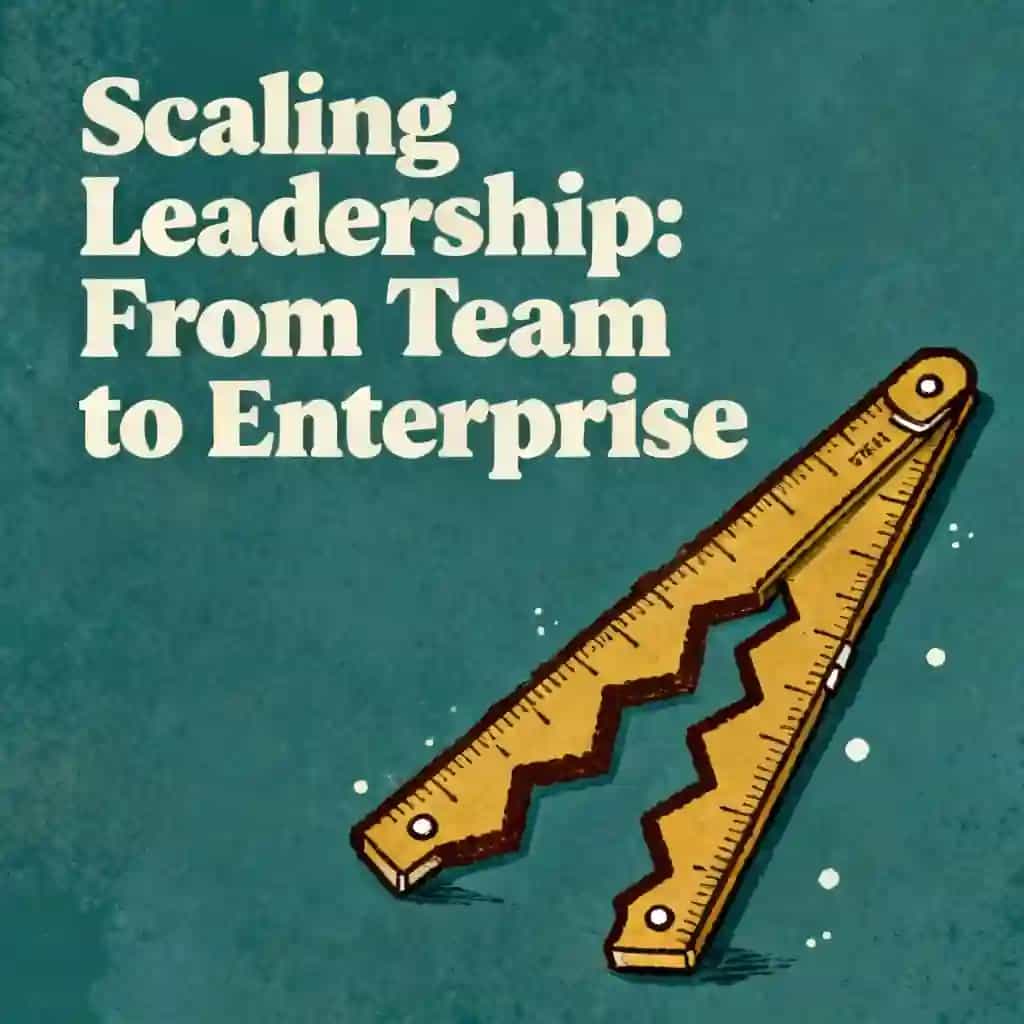
Discover how Facebook, Google, and the U.S. Marines scale excellence without sacrificing quality. The first major business book on organizational growth reveals counterintuitive principles that transformed companies worldwide. Learn why scaling requires both addition and subtraction to achieve lasting success.
Hayagreeva Rao and Robert I. Sutton are the Wall Street Journal bestselling authors of Scaling Up Excellence: Getting to More Without Settling for Less, recognized globally for their expertise in organizational behavior and leadership.
Rao, the Atholl McBean Professor of Organizational Behavior at Stanford Graduate School of Business, and Sutton, Stanford professor emeritus of management science and engineering, combine decades of research and consulting for Fortune 500 companies like Google and Pixar. Their book, a cornerstone in business strategy, tackles the challenge of spreading excellence across organizations while avoiding mediocrity—blending case studies from IKEA to the U.S. Marines with actionable frameworks like the “Buddhism vs. Catholicism” scaling continuum.
Their collaborative works, including the acclaimed The Friction Project (2024), establish them as pioneers in diagnosing systemic inefficiencies. Rao’s prior Market Rebels and Sutton’s The No Asshole Rule further cement their authority in leadership and innovation.
Scaling Up Excellence has been translated into 12 languages, featured in Financial Times’ and The Washington Post’s top business book lists, and adopted by executives and educators worldwide. The duo’s insights regularly appear in Harvard Business Review, Wall Street Journal, and keynote talks at global summits, reflecting their enduring impact on modern management practices.
Scaling Up Excellence by Robert I. Sutton and Huggy Rao explores how organizations can spread successful practices without compromising quality during growth. The book emphasizes balancing standardization with local adaptation, fostering shared mindsets, and eliminating barriers to excellence. Drawing on case studies from companies like Google, Facebook, and the U.S. Marines, it provides actionable strategies for leaders navigating the challenges of scaling.
Executives, managers, and entrepreneurs seeking to expand their organizations effectively will benefit from this book. It’s also valuable for nonprofit leaders, educators, and teams handling organizational change. The principles apply to startups scaling rapidly and established companies aiming to revitalize processes.
Yes—this book combines rigorous research with practical examples, offering a roadmap for scaling without mediocrity. It’s praised for its actionable insights, such as the “Buddhism vs. Catholicism” framework and strategies for linking “hot causes to cool solutions.” Readers gain tools to cascade excellence while avoiding common growth pitfalls.
This metaphor contrasts customizable scaling (“Buddhism”—adapting to local needs) with standardized replication (“Catholicism”—uniform practices). The authors argue that effective scaling requires balancing both: preserving core principles while allowing flexibility. For example, IKEA maintains consistent branding globally but tailors store layouts to regional preferences.
It highlights the “problem of more” (expanding reach) and the “problem of better” (improving quality). Key solutions include fostering accountability through shared ownership (“I own the place, the place owns me”), pruning destructive habits, and using “premortems” to anticipate risks. The Girl Scouts and Bridge International Academies exemplify scaling while enhancing standards.
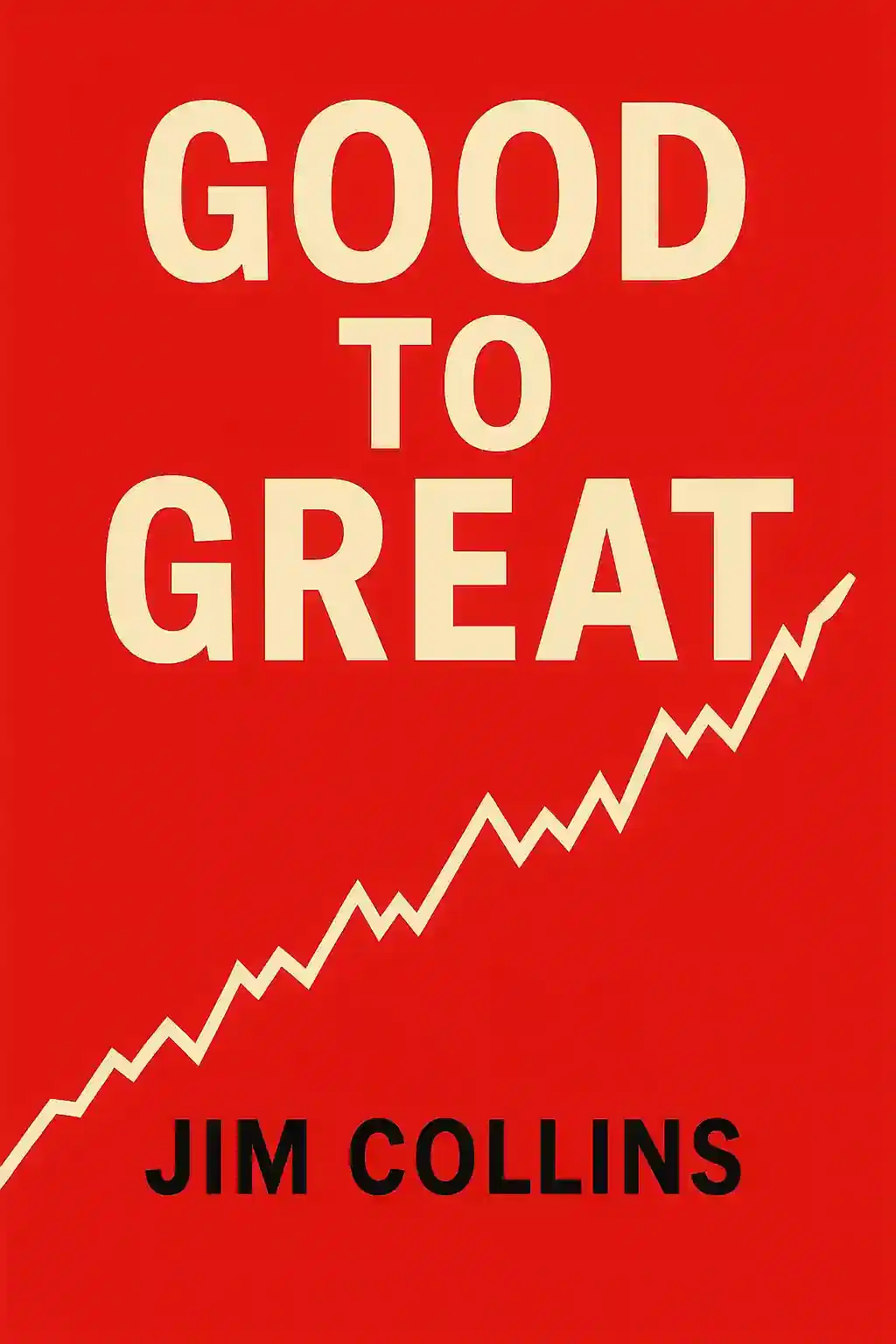
Unlike generic leadership guides, this book focuses specifically on scaling challenges through real-world examples. It complements works like Good to Great by addressing how to sustain excellence during expansion, not just achieve it initially.
Case studies include:
Some note that smaller organizations may struggle to apply certain strategies without ample resources. Others argue the book prioritizes mindset over measurable metrics. However, its principles remain adaptable to diverse contexts.
Yes—the Girl Scouts and Bridge International Academies show how nonprofits scale impact. The book advises tailoring approaches to mission-driven contexts, such as using “hot causes” to rally volunteers or replicating successful programs across regions.
With remote work and global teams now commonplace, its lessons on balancing consistency with flexibility are critical. The focus on reducing complexity and fostering accountability aligns with modern challenges like hybrid collaboration and AI-driven scaling.
The authors recommend “subtracting” obstructive practices, engaging skeptics through peer influence, and using storytelling to align teams. For example, Wyeth Pharmaceuticals phased out outdated rituals hindering drug development.
Siente el libro a través de la voz del autor
Convierte el conocimiento en ideas atractivas y llenas de ejemplos
Captura ideas clave en un instante para un aprendizaje rápido
Disfruta el libro de una manera divertida y atractiva
Scaling isn't just about getting bigger-it's about getting better.
Scaling excellence requires vigilance against complacency.
Excellence rarely vanishes all at once.
Successful scaling requires engaging all five senses.
Desglosa las ideas clave de Scaling up Excellence en puntos fáciles de entender para comprender cómo los equipos innovadores crean, colaboran y crecen.
Destila Scaling up Excellence en pistas de memoria rápidas que resaltan los principios clave de franqueza, trabajo en equipo y resiliencia creativa.

Experimenta Scaling up Excellence a través de narraciones vívidas que convierten las lecciones de innovación en momentos que recordarás y aplicarás.
Pregunta lo que quieras, elige la voz y co-crea ideas que realmente resuenen contigo.

Creado por exalumnos de la Universidad de Columbia en San Francisco
"Instead of endless scrolling, I just hit play on BeFreed. It saves me so much time."
"I never knew where to start with nonfiction—BeFreed’s book lists turned into podcasts gave me a clear path."
"Perfect balance between learning and entertainment. Finished ‘Thinking, Fast and Slow’ on my commute this week."
"Crazy how much I learned while walking the dog. BeFreed = small habits → big gains."
"Reading used to feel like a chore. Now it’s just part of my lifestyle."
"Feels effortless compared to reading. I’ve finished 6 books this month already."
"BeFreed turned my guilty doomscrolling into something that feels productive and inspiring."
"BeFreed turned my commute into learning time. 20-min podcasts are perfect for finishing books I never had time for."
"BeFreed replaced my podcast queue. Imagine Spotify for books — that’s it. 🙌"
"It is great for me to learn something from the book without reading it."
"The themed book list podcasts help me connect ideas across authors—like a guided audio journey."
"Makes me feel smarter every time before going to work"
Creado por exalumnos de la Universidad de Columbia en San Francisco

Obtén el resumen de Scaling up Excellence como PDF o EPUB gratis. Imprímelo o léelo sin conexión en cualquier momento.
Imagine walking into two different offices of the same company. In one, energy crackles through the air as employees collaborate with purpose. In the other, people shuffle through motions, checking boxes without passion. What makes excellence spread in some places while mediocrity prevails elsewhere? This question obsessed Stanford professors Robert Sutton and Huggy Rao for seven years as they studied organizations from tech startups to global corporations. Their discovery? Scaling isn't just about getting bigger - it's about getting better, and it requires far more than inspirational speeches and clever strategies. It demands a ground war fought person by person, behavior by behavior, with relentless persistence and attention to detail.