Capítulo 1
The Power of Possibility: How Optimism Can Transform Your Life
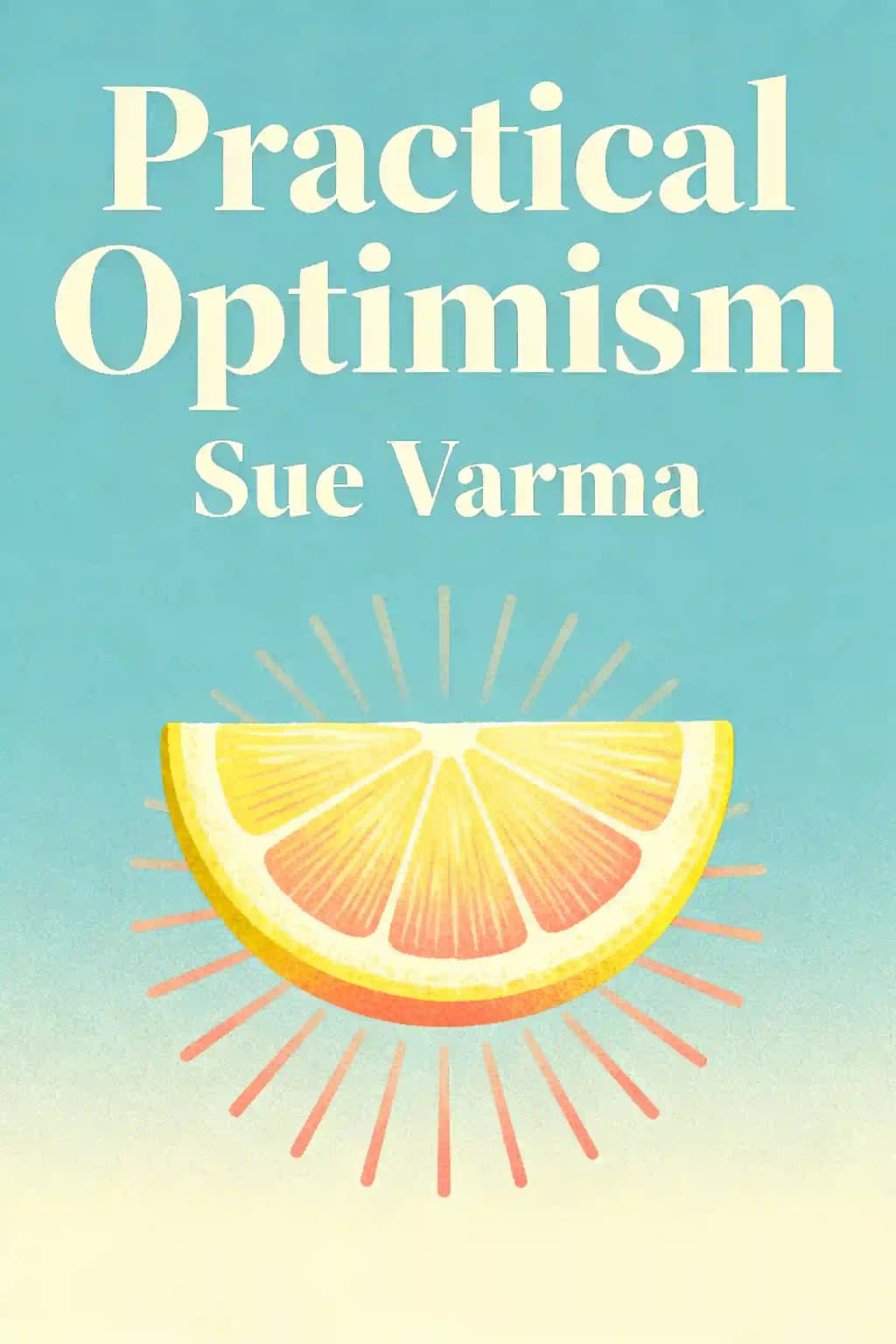
Ever wondered why some people seem to bounce back from life's hardest blows while others struggle to recover? Dr. Sue Varma's "Practical Optimism" offers a revolutionary approach that combines the boundless potential of optimism with concrete, actionable strategies. This isn't your typical "just think positive" advice-it's a science-backed framework that has transformed countless lives, including those of 9/11 survivors whom Dr. Varma treated as the first medical director of the World Trade Center Mental Health Program.
The book has garnered praise from mental health professionals and celebrities alike, with Arianna Huffington calling it "essential reading for anyone seeking to thrive in challenging times." Its approach bridges the gap between traditional therapy and positive psychology, offering a unique blend that addresses both healing and flourishing. As mental health concerns continue to rise globally, Varma's framework provides timely guidance for navigating our increasingly complex world with both resilience and joy.
Capítulo 2
The Japanese Art of Kintsugi: Finding Beauty in What's Broken
Dr. Varma's journey to Practical Optimism began with her own experience as a medical resident, when she found herself becoming a patient in her own hospital. Despite physical symptoms that suggested something was seriously wrong, neurological tests revealed no medical cause. The realization that her body was literally unable to stand what she was going through emotionally became a pivotal moment in her understanding of the mind-body connection.
Her perspective shifted dramatically when she encountered cognitive behavioral therapy (CBT), which offered systematic, real-time solutions rather than just analysis or medication. Despite her initial reluctance to seek therapy herself, life eventually pushed her to her limit. After just a few months of CBT, she felt more empowered than ever, and her physical symptoms disappeared completely.
The terrorist attacks of September 11, 2001 thrust Dr. Varma into a position of immense responsibility as she cared for traumatized New Yorkers. This experience raised a crucial question that would shape her professional path: How do some people survive and even thrive despite profound challenges? While CBT helped address symptoms after they occurred, she wondered if there might be ways to prevent those symptoms from developing in the first place.
Dr. Varma's father embodied the essence of what she would come to call Practical Optimism. Despite humble beginnings in India, he viewed challenges not as barriers but as opportunities for growth. When asked if he was born optimistic, he replied, "No. But what choice did I have? I could laugh or I could cry." This dignity of choice-the ability to choose one's response to life's circumstances-forms the heart of Practical Optimism.
The approach combines two seemingly opposing ideas: optimism (belief in boundless positive potential) and practicality (implementing reasonable, rational actions). Like learning any skill, optimism can be practiced and developed. Dr. Varma distilled this approach into 8 Pillars: Purpose, Processing Emotions, Problem-Solving, Pride, Proficiency, Present, People, and Practicing Healthy Habits. These pillars form both a mindset for living wisely and an eight-step action plan for pursuing any important life path.
The Japanese art of kintsugi-repairing broken pottery with gold to create something more beautiful than the original-perfectly captures the essence of Practical Optimism. Dr. Varma doesn't just help patients put their lives back together; she helps them create something more durable and radiant than before. This philosophy has transformed not only her patients' lives but her own during its hardest moments.
Capítulo 3
Beyond Positive Thinking: The Science of Resilient Optimism
When patients first visit Dr. Varma, they're seeking solutions to problems, often during their darkest times. Simply telling them to "look on the bright side" would be ineffective and dismissive. Practical Optimism incorporates resilient positivity without denial, plus proactive steps toward flourishing.
Contrary to popular belief, optimists aren't naturally cheerful "no matter what"-they experience mood fluctuations like everyone else. What distinguishes them is their focus on positive aspects and areas within their control, taking responsibility for their part while letting the rest go. They deploy effective coping strategies under stress instead of resorting to shame or blame, allowing them to withstand challenges and return to a higher mood baseline after setbacks.
Optimism has a neural basis-increased activity in the left hemisphere correlates with optimism, calm, and proactive thinking. Each of the 8 Pillars enhances optimism neurophysiologically, creating the positive, hopeful stance that we can all learn regardless of natural predispositions. Optimists may be born, but Practical Optimists are made.
Research shows that pessimists engage in the "three Ps": taking setbacks personally, viewing them as pervasive across all life areas, and seeing them as permanent losses. Dr. Varma adds a fourth P: remaining passive when facing obstacles. Pessimism creates health risks through rumination (leading to depression) and worry (causing anxiety), keeping people stuck in past patterns rather than present awareness. Pessimists experience higher stress hormone levels, potentially causing inflammation and various health problems.
Most people display both optimistic and pessimistic qualities depending on life areas. You might feel pessimistic about workplace relationships while maintaining self-efficacy in personal life-that's being realistic, not pessimistic. Optimism and pessimism can coexist; the key is accepting doubt while maintaining a constructive outlook and applying strong coping skills. Like in the Cherokee story of "The Two Wolves," where good and evil wolves battle within us, the one that wins is "the one you feed."
Flourishing means experiencing meaning, pleasure, self-acceptance, and mastery in our lives. Creating a life of joy and purpose means enhancing positive aspects while reducing negative ones, feeling that we matter both to others and in the world, and seeking meaningful activities for ourselves and others. The 8 Pillars of Practical Optimism are founded on evidence-based techniques used to reduce anxiety and depression through effective stress management and coping skills.
Capítulo 4
Finding Your North Star: The Power of Purpose
Purpose is what gets you out of bed in the morning-it motivates, excites, and positively pushes you. When you're pursuing something that benefits others while enhancing your own well-being, you've found purpose. The quest for meaning is universal-combining purpose with joy leads to flourishing, while lacking both leads to languishing and potentially depression.
Flow, described by psychologist Mihaly Csikszentmihalyi, represents the perfect marriage of purpose and joy-being deeply engaged in something that offers both enjoyment and challenge. Lack of purpose manifests as going through motions, uncertainty, irritability, and escape behaviors. These can signal depression or burnout requiring careful evaluation.
Three common misconceptions about purpose can derail us. First, purpose isn't just about your job-it's portable and can come from relationships, hobbies, and interests. Second, purpose doesn't need to be "big" or approved by others-it needs to feel important only to you. Third, purpose changes over time-our personality changes gradually throughout life, requiring us to "update our software" rather than feeling stuck with an outdated purpose.
Living purposefully improves every aspect of life. Research shows people with purpose are 30% less likely to die during follow-up periods, have 27% decreased risk of heart attacks, and 22% decreased risk of strokes. Volunteering just two hours weekly increases longevity and improves mental health, with one study showing volunteers had 44% lower mortality risk.
Even adolescents benefit physically from volunteering, showing reduced cardiovascular disease risk factors. Purpose correlates with lower stress hormones, better sleep, lower dementia risk, and greater engagement in preventive health measures. Meditation linked to purpose can even prevent telomere shortening, a marker of biological aging.
To find or reignite purpose, Dr. Varma recommends the AIM approach:
Acknowledge: Accept your life decisions that brought you here. Reflect on what they've taught you, freeing mental resources to move forward despite any ambivalence about change.
Identify: Determine what brings meaning and joy by examining the interplay between aspects of your life. Take gentle inventory with questions like: "Does my current path still serve me?" and "When and where do I experience flow, learning, or inspiration?"
Move forward: Create a "purpose in motion" plan with actionable steps. Practical activities include cultivating curiosity, finding flow through challenges, behavioral activation, connecting with awe, mentoring others, remaking your work role, finding purpose with others, turning pain into purpose, starting a movement practice, and jump-starting joy.
Even purpose-driven achievements can exact a price. Like physical muscles, overdeveloping certain life aspects can lead to neglect in others, creating imbalance. When important work feels burdensome, it might signal either disconnection from purpose or the beginnings of burnout. Prevention requires regular self-assessment, seeking recognition and appreciation, creating growth opportunities, and practicing self-compassion.
Capítulo 5
Emotional Intelligence: Name, Claim, Tame, and Reframe
Practical Optimism's essence involves managing emotions before they manage you. This requires both emotional processing (understanding what we're feeling and its connection to past experiences) and emotional regulation (managing emotions in real-time situations). Without processing emotions, we're at their mercy, reacting reflexively from intense feelings and outdated scripts rather than choosing rational responses.
Emotions aren't intrusions but purposeful biological experiences that serve adaptive functions. They connect to our motivation and drives, helping us prioritize, plan, and focus attention. From an evolutionary perspective, emotions promote survival by helping us avoid danger, take appropriate risks, and maintain community relationships.
Unprocessed emotions can dominate to the point they no longer protect but harm us and others. Common patterns indicating emotions need processing include overestimating threats while underestimating our ability to handle them, experiencing too much stress versus just enough, getting caught in "emotional loops" of rumination, developing learned helplessness, and struggling with cognitive dissonance.
Dr. Varma offers a four-step approach to emotional processing:
Step 1: Name It
Recognizing emotions as physical sensations and labeling them reduces activity in the amygdala, our fear center. Speaking about emotions lessens their power over us-a process called affect labeling. Holding feelings back requires energy through active inhibition, which research shows is associated with increased disease, autonomic dysfunction, and decreased immune function.
Step 2: Claim It
This step explores the root causes and triggers of our emotions. Studies show that being more "granular" in labeling emotions-differentiating between them and understanding their triggers-improves our ability to manage them. Moving from a vague "feeling bad" to connecting specific emotions with situations gives us control over our vulnerabilities.
Step 3: Tame It
Taming emotions involves four key practices: disrupting unhealthy patterns with the 4 Cs of Healthy Coping (Compassionate, Corrective, Calming, and Connective), breaking negative emotional loops through decentering, befriending your mind and body, and emptying your anxiety into a worry journal. Effective coping mechanisms should make you feel better, not worse, and address underlying problems rather than creating new ones.
Step 4: Reframe It
Reframing is the final and most sophisticated step in emotional processing-viewing situations from different angles and seeking positive takeaways. It uses empathy and compassion to release negative emotions that keep us trapped, opening our minds to possibilities we might never have seen before. Though the hardest emotion-taming task, reframing makes us more adaptable, better problem solvers, and more able to heal from hardship.
Finding balance between empathy for others and ourselves is the work of wisdom. Key principles include: sharing in our common humanity, extending empathy to others' struggles, acknowledging our own hurt and feelings, practicing compassion through forgiveness, letting go of pain, adjusting expectations of what others can give us, and releasing self-blame while learning from experiences.
Capítulo 6
Turning Obstacles into Opportunities: The Art of Problem-Solving
Problem-solving is how we handle what the world throws at us, involving both internal and external processes. The majority happens internally as our mind determines necessary actions, often unconsciously. True problem-solving prowess comes from conscious emotional regulation-our ability to manage emotions in real time, distinguish feeling from fact, and choose wise actions based on both.
Many people know what to do about problems but struggle to act-the "intention to automation" gap. Problem avoidance is common, with people getting stuck worrying without objective analysis. While worrying feels productive, it's often just avoiding uncomfortable feelings, which can cause physical and mental health symptoms.
Practical Optimists excel at problem-solving because they expect positive outcomes through their own agency while engaging realistically with situations. Cognitive restructuring techniques from CBT help take charge of thought processes using the ABCDE approach: Antecedent (identifying the trigger), Belief (examining what it makes us think), Consequences (emotional and physical reactions), Distortions (identifying skewed perceptions), and Embrace (changing what we can while accepting what we can't).
Emotional regulation involves managing the interplay between external events and internal responses to make effective decisions. Dr. Varma introduces the 5 Rs of Emotional Regulation and Real-World Problem-Solving:
Reassess: Choose how, what, where, when and why we engage in situations rather than defaulting to avoidance. This approach helps regain agency and control in stressful situations.
Refuel: Before tackling problems, replenish physical and emotional reserves through activities like music, art, dance, gardening, exercise, reading, writing, tai chi, or yoga.
Request Input: Effective problem-solving requires accurate information, which often means challenging our assumptions by seeking input from others.
Remind: When facing challenges, remind yourself of your skills, abilities, and past successes to build confidence.
Reappraise: When situations can't be changed, change your relationship to them through reappraisal-framing challenges in terms of their positive potential.
When relationships face conflict, Practical Optimists navigate disagreements without creating emotional "scar tissue." The key to resolving impasses is moving from "your way or mine" thinking to collaborative "we" solutions. This requires stepping outside familiar patterns, embracing collaboration, and resisting criticism.
Capítulo 7
Building Healthy Self-Worth: The Foundation of Pride
Healthy pride means having a stable, kind, and realistic self-perception that balances confidence with humility. It has four essential components: it's intrinsic (rooted in inherent worth, not dependent on success or failure), accurate (recognizing both strengths and imperfections without exaggeration), kind (marked by self-compassion rather than harsh self-evaluation), and it encourages growth (supporting resilience and constructive change despite setbacks).
Unlike self-esteem, which fluctuates based on external achievements, healthy pride provides a more stable foundation of self-worth that protects against shame while allowing for appropriate guilt. This balanced self-regard promotes better relationships by reducing harmful comparisons and helps activate beneficial physiological responses like oxytocin release rather than stress hormones.
Multiple factors shape our capacity for healthy pride, from early childhood experiences to cultural messages and societal pressures. Drawing from psychiatrist Eric Berne's transactional analysis, "strokes" represent basic units of social interaction that can be verbal or nonverbal, positive or negative, and conditional or unconditional. Early caregiver interactions profoundly shape our self-perception. A healthy balance of unconditional positive strokes affirms our worth, while appropriate constructive negative strokes help correct behaviors without damaging our core sense of self.
Cultural conditioning significantly influences our self-perception. Modern society heavily emphasizes productivity, creating what researchers call "time famine"-the perpetual feeling of not having enough time to complete everything we want to do. For many, separating identity from achievement remains challenging but essential for developing healthy pride anchored within rather than dependent on external validation.
Dr. Varma developed the GRACE framework as a blueprint for cultivating healthy pride:
Gratitude for the Good: Gratitude, from the Latin root meaning grace or gratefulness, involves recognizing positive aspects of life and choosing to interpret the world positively. Research shows gratitude promotes flexible thinking, positive emotions, and prosocial behavior while serving as a renewable source of psychological energy.
Recognition of Reality: Recognizing reality means seeing ourselves truthfully-acknowledging both strengths and weaknesses-so we're no longer controlled by circumstances or others' perceptions.
Acceptance of Imperfection: Accepting imperfection is crucial for maintaining stable self-worth amid life's inevitable challenges. Most people mistake negative thoughts for reality, but these subjective responses can lead to rumination, pessimism, and depression that shut down problem-solving abilities.
Compassion for Yourself: Self-compassion is the ultimate weapon against the voice that says we're not good enough. It allows us to see all humans as having intrinsic worth. According to Kristin Neff, self-compassion has three elements: kindness (challenging negative thoughts), common humanity (understanding we're not alone in our struggles), and mindful awareness (observing without judgment).
Empathy for Others: Self-compassion naturally extends to empathy for others. Research shows that using plural pronouns ("we" instead of "I") correlates with feeling less lonely and depressed. When we accept ourselves as we are, we can better attune to others, feeling joy for their success and empathy for their pain.
Capítulo 8
Mastering Your Abilities: The Path to Proficiency
Proficiency-our belief in our ability to achieve-forms the foundation of our identity and resilience. Self-efficacy isn't just about skills but knowing we can adapt and flourish despite challenges. It leads to better health outcomes, higher achievement, and stronger relationships by increasing our motivation and persistence.
Our perception of our abilities often matters more than actual ability in predicting outcomes. The pathway to proficiency follows a virtuous cycle: confidence leads to effort, persistence builds ability, success creates positive emotions, which further boost confidence. When this cycle breaks-through negative self-talk like "I can't do this"-we risk procrastination, avoidance, and even learned helplessness.
Self-efficacy develops through four main pathways identified by psychologist Albert Bandura: personal experience (overcoming obstacles firsthand), vicarious experience (seeing others succeed), verbal persuasion (receiving feedback and encouragement), and physiological feedback (how situations make us feel). Research shows self-efficacy improves work performance, happiness, surgical outcomes, addiction recovery, and academic achievement.
Three common barriers prevent us from building proficiency: helplessness ("I feel broken/powerless/alone"), stuckness ("This is overwhelming/I can't do this"), and fatigue ("This is too hard/I feel like giving up"). These barriers can be overcome through validation, flexibility, and self-support respectively.
Adopting a growth mindset-Carol Dweck's concept that doesn't set limits on ability-helps overcome stuckness. When we internalize statements like "I'll never be good at this" or "They'll never let me into their circle," we impose ceilings on our self-efficacy, creating self-fulfilling prophecies of failure. By reframing obstacles as learning opportunities with thoughts like "This won't be easy, but I'm going to learn so much," we increase our perceived ability to handle stress, which enhances our actual resilience.
People who constantly criticize themselves become distracted by negative self-talk in challenging situations, while confident individuals perform better under pressure because their self-talk remains controlled. Cognitive restructuring techniques help challenge negative thinking patterns.
Self-compassion is your proficiency superpower. Research shows students with self-compassion recover better from setbacks, using more flexible positive emotional coping strategies after failures and persisting longer on tests. In work settings, self-compassion increases job engagement and resilience, leading to more progress on objectives and increased life meaning.
Firsthand experience is the best way to develop self-efficacy, but success requires the right level of challenge-stimulating enough to encourage perseverance without overwhelming. After direct personal experience, watching skilled practitioners is the best way to learn. Social comparison theory suggests people have an innate drive to evaluate themselves against others. Seeing accomplishments of peers (lateral social comparison) or role models (upward social comparison) helps assess our own abilities, traits, and attitudes.
Capítulo 9
Living in the Moment: The Power of Presence
Our minds naturally jump between thoughts like monkeys swinging between branches-grabbing notions, spinning narratives, and making judgments. This "monkey mind," as Buddhists call it, is driven by our brain's novelty bias and dopamine-seeking behavior. In the digital world, we're constantly exposed to stimuli that trigger these responses, making us check notifications and seek new information to close the "curiosity gap."
When our monkey mind takes over, we rarely live intentionally in the present moment. Instead, we fall into what Dr. Varma calls the Three Cognitive Traps:
Being trapped in the past manifests as focusing on events that can't be changed, blaming yourself for what didn't work out, holding grudges, difficulty forgiving, obsessing about missed opportunities, and avoiding current experiences based on past "failures." Ruminating about the past conjures feelings of regret, guilt, and shame that can lead to depression.
When trapped in the future, we engage in frequent what-if thinking, catastrophizing, and jumping to conclusions. We struggle with uncertainty, have difficulty relaxing, and constantly focus on what's next without celebrating accomplishments. Physical symptoms include racing heart, clenched jaw, tension headaches, irritable bowel syndrome, insomnia, restlessness, irritability, and fatigue.
The comparison trap manifests through frequent self-comparison with others, feelings of inadequacy, believing the good life comes easily to others, and feelings of being left out. While social comparison is normal and can sometimes motivate improvement, rigid standards lead to maladaptive perfectionism. Social media amplifies this trap, as constant exposure to curated feeds creates distorted expectations about achievement, beauty, and relationships.
Present-moment awareness (PMA) creates space between stimulus and response, offering freedom, choice, and attention. It increases joy by helping you appreciate beauty in both significant and mundane moments. Part of PMA is being kind to your monkey mind-observing thoughts like baggage on an airport carousel without getting attached.
Savoring engages our sensory capacities to fully experience the present moment. We can savor by thinking about pleasant sensations, injecting special touches into ordinary activities, reminiscing about past events, anticipating future ones, and most importantly, cherishing real-life relationships.
With attention constantly divided across competing demands, we experience mental fatigue even when physically energetic. Rest can be divided into three essential categories: physical rest (both passive sleep and active stretching/massage), mental/sensory rest (pausing internal and external noise), and social-emotional rest (finding your ideal balance between solitude and connection).
Gratitude helps us enjoy life in the present moment by loosening the grip of past disappointments and opening us to future possibilities. It takes just seconds to pause and mentally note things you're grateful for. Gratitude provides an antidote to FOMO (fear of missing out) through JOMO - the joy of missing out - allowing us to live on our own terms through intentional, appreciative choices.
Flow - being "in the zone" - plunges us deeply into the present moment, causing us to lose track of time through a totally immersive mix of challenge, fun, interest, and meaning. Brain changes during flow may involve norepinephrine, dopamine, and serotonin, boosting pleasure while reducing fatigue and self-focus.
Capítulo 10
The Connection Cure: Building Meaningful Relationships
Social connection is as essential as food and shelter, yet loneliness has reached epidemic proportions. Recent surveys show 61% of Americans report feeling lonely, with younger adults experiencing twice the loneliness rates of those over 65. The health consequences are severe: loneliness alters gene expression, causes inflammation, increases risk for numerous diseases including heart problems and cognitive decline, and even changes brain function in ways similar to depression.
Conversely, strong relationships provide powerful health benefits - social connection lowers premature death risk by half, helps mitigate stress, boosts immunity, aids healing, and decreases cortisol levels. Research suggests four to five close relationships may be optimal for preventing loneliness, though even one confidant can make a significant difference.
Our ability to form connections begins before birth as we learn our mother's voice, smell and touch. These early bonds evolve into attachment patterns that shape our lifelong relationship tendencies. British psychiatrist John Bowlby described attachment as the lasting psychological connectedness between humans that determines our capacity for emotional regulation, self-soothing, and forming trusting bonds.
How caregivers respond to our infant needs establishes whether we develop secure or insecure attachment styles. Secure attachment fosters a healthy balance between self-value and valuing others - the "I'm okay, you're okay" equilibrium. When nurturing is absent or inconsistent, insecure attachment patterns emerge, either avoidant or anxious, both of which can undermine adult relationships if we remain unaware of these patterns.
We don't need many friends - just a few good ones we maintain regular contact with. Understanding friendship types helps us cultivate relationships intentionally:
Deep friendships offer unconditional acceptance through thick and thin, requiring regular face-to-face and voice connection to maintain intimacy.
Meaningful friendships combine shared experiences with moderate emotional closeness, making life better through practical support and emotional responsiveness.
Interest/activity/professional partnerships enhance immediate experiences without deep emotional sharing but can develop into meaningful friendships over time.
Micro-connections with friendly acquaintances provide emotionally satisfying interactions that combat loneliness through what researcher Barbara Fredrickson calls "positivity resonance" - shared positive moments characterized by mutual care and behavioral synchrony.
Dr. Varma introduces techniques for bringing intentionality to connections, including supportive listening through the Detect, Reflect, Act approach, resolving conflicts with the XYZ technique ("In situation X, when you did Y, I felt Z"), and challenging perceptions that undermine relationships.
Our perceptions dramatically affect our relationships. Studies show we often underestimate how much others enjoy our company. We often fall victim to the "liking gap" (assuming we like others more than they like us) and the "beautiful mess effect" (fearing vulnerability will lead to judgment).
An aloneness practice is the deliberate enjoyment of our own company that recharges us for being present with others. Despite many people's discomfort with solitude, learning to be meaningfully alone is essential. Distraction-free time reveals our hopes and dreams, helps regulate emotions, promotes self-awareness, enhances problem-solving, and increases empathy.
Capítulo 11
Creating Lasting Change: The Power of Healthy Habits
Practical Optimists create lasting habits by making behaviors convenient, interesting, accessible, and fun. This approach helps bridge the gap between good intentions and automated behaviors, preventing intentions from falling into the "intention to automation" sinkhole.
Intentionality goes beyond goal-setting to ask "What do I need to do to reach my goal?" This process involves uncovering positive trends, identifying vulnerability points, and recognizing stressors to replicate what works and revise what doesn't.
Setting specific, realistic, and compassionate goals optimizes habit automation. Goals that are too broad ("lose weight") lack clear plans, while overly ambitious ones ("lose forty-five pounds in three months") can derail progress. The ideal framework is specific enough to start, broad enough to find your pace, and compassionate enough to feel attainable.
Accountability isn't about shame or blame but about being in control by setting up supportive systems to start, maintain, monitor, and improve habits. It helps identify whether you're meeting your goals and provides structure for success.
To automate good habits, we must make them accessible, convenient, and approachable while reducing the temptation, opportunity, and accessibility of bad habits. The key is removing motivation, decision, and willpower from the equation by laying down neural pathways for good behaviors through consistent practice.
Practical Optimists connect habits to deeper values through goal-congruent behavior. When your goals link to your identity rather than external validation, the habits needed to achieve them become non-negotiable. Make your goal part of who you are: runners run regularly. The more your goals fit with your values, the more likely you'll persist despite setbacks.
We often feel self-indulgent having fun when we should be productive, but positive emotions associated with habits help us feel stimulated, rewarded and proud - making automaticity easier. Celebrate small victories along your journey with rewards that support your goals.
Dr. Varma introduces the 4 Ms of Mental Health:
Mastery involves learning, improving or getting better at something you care about. You don't need to become an expert - it's about consistently improving your skills and feeding your sense of fulfillment. Seeing progress builds proficiency, which alongside autonomy and belonging is considered one of our three basic needs.
Movement isn't just about looking better but reduces inflammation while releasing endorphins that activate the brain's reward centers. Exercise increases cerebral blood flow, regulates our nervous system, supports nerve cell growth in the hippocampus, and helps combat genetic predispositions toward anxiety and mood disorders.
Meaningful Engagement isn't about quantity of friends but ensuring life contains vitalizing sparks of connection. Who we spend time with matters significantly - peers predict health habits more than parents, genes, or spouses. Our mirror neurons predispose us to imitate what "our" group does, making social support crucial for healthy goals and habits.
Mindfulness involves cultivating deliberate, compassionate, accepting present-moment awareness. Regular meditation creates structural brain changes - reducing amygdala volume (responsible for stress and anxiety) while increasing hippocampal gray matter (involved in memory and emotion regulation).
Our goal should be not just to withstand adversity but to thrive despite it, creating personal cultures of well-being through intentional habits. While we can't control circumstances, we can control our attitudes and behaviors, using Practical Optimism and the 4 Ms as prescriptions for lifelong flourishing.