

Resumen de Practical Magic
Sisters Gillian and Sally Owens navigate love, magic, and family curses in Hoffman's enchanting tale that inspired Sandra Bullock and Nicole Kidman's cult-classic film. What secrets lie within this paranormal women's fiction pioneer that made it a cultural touchstone?
- Sisters’ loyalty proves more powerful than spells in breaking family curses.
- Love’s destructive force reshapes identity beyond fairy-tale romance expectations.
- Embracing magical heritage liberates women from generational Owens family curses.
- Salem witch trials legacy fuels modern sisterhood survival tactics.
- Female magic lineage confronts small-town prejudices and hidden strengths.
- Sisterly bonds outlast love potions and supernatural small-town haunting.
- Witchcraft intertwines with grief in atmospheric coming-of-age awakening.
- Denying magical truth deepens family isolation and romantic disasters.
- Gothic settings mirror internal battles between magic and conformity.
- Aunts’ wisdom reveals love demands courage more than witchcraft.
- Sisterhood heals generational wounds through shared magical inheritance.
- Female resilience transforms witchcraft from burden to birthright.
Sobre el autor de Practical Magic
Alice Hoffman, bestselling author of Practical Magic, is celebrated for her mastery of magical realism and emotionally resonant storytelling. Born in New York City in 1952 and educated at Stanford University, Hoffman has penned over 30 novels that interweave family sagas with elements of enchantment, exploring themes of love, resilience, and female empowerment.
Her works, including The Dovekeepers and The World That We Knew, often spotlight complex women navigating societal expectations and mystical destinies, drawing from her fascination with folklore and historical narratives.
Hoffman’s Practical Magic series—featuring prequels Rules of Magic and Magic Lessons—delves into generational bonds and the consequences of defying tradition, cementing her status as a pioneer of modern witch-lit. The 1998 film adaptation of Practical Magic became a cult classic, amplifying her cultural influence. A Harvard Divinity School fellow, Hoffman blends philosophical depth with accessible prose, earning translations into over 20 languages and a dedicated global readership.
Preguntas frecuentes sobre Practical Magic
What is Practical Magic by Alice Hoffman about?
Practical Magic follows sisters Sally and Gillian Owens, descendants of witches, as they navigate love, loss, and supernatural threats. After Gillian accidentally poisons her abusive boyfriend, the sisters confront his vengeful ghost while reconciling their magical heritage and fractured family bonds. Blending magical realism with themes of female resilience, the novel explores how the Owens women embrace their power to break a centuries-old curse.
Who should read Practical Magic by Alice Hoffman?
Fans of magical realism, feminist storytelling, and family sagas will enjoy this novel. It appeals to readers seeking layered female relationships, atmospheric settings, and stories that interweave the mundane with the mystical. Those interested in themes like intergenerational trauma, self-acceptance, and love’s dual nature will find it particularly compelling.
Is Practical Magic worth reading?
Yes—it’s a cult classic praised for its lyrical prose, richly drawn characters, and balance of whimsy and emotional depth. Hoffman’s exploration of sisterhood, grief, and reclaiming agency resonates with readers, making it a standout in magical realism. Its enduring popularity inspired a 1998 film adaptation.
What are the main themes in Practical Magic?
- Destructive love: Romantic obsession is portrayed as a corrosive force, harming both body and mind.
- Female empowerment: The Owens women defy societal expectations and patriarchal norms through unity.
- Intergenerational trauma: A centuries-old family curse perpetuates cycles of loss until the sisters confront it.
How does Practical Magic portray sisterhood?
Sally and Gillian’s bond evolves from childhood reliance to estrangement and eventual reconciliation. Their loyalty is tested by betrayal, grief, and supernatural threats, illustrating how sisterhood can be both a sanctuary and a burden. The novel emphasizes forgiveness and collective strength as keys to breaking familial cycles.
What is the significance of the Owens family curse?
The curse, rooted in a 17th-century ancestor’s heartbreak, dooms Owens women to lose loved ones if they fall in love. It symbolizes the lasting impact of trauma and the struggle to balance desire with self-preservation. Breaking the curse requires embracing magic and rejecting fear.
How does Practical Magic blend magic with realism?
Witchcraft mirrors the characters’ emotional journeys—e.g., love potions backfire, and ghostly hauntings reflect unresolved guilt. Magic amplifies everyday struggles, making themes like grief and identity feel both universal and fantastical.
What role do the aunts play in Practical Magic?
Sally and Gillian’s eccentric aunts, Frances and Jet, serve as mentors and cautionary tales. They teach practical magic but also embody isolation, warning the sisters about love’s risks. Their home becomes a symbol of both comfort and confinement.
How does the book differ from the Practical Magic movie?
The novel focuses more on generational trauma and internal struggles, while the 1998 film emphasizes romantic comedy elements. Key differences include the sisters’ ages, the portrayal of magic, and the resolution of Jimmy’s haunting.
What critiques exist about Practical Magic?
Some reviewers note uneven pacing and underdeveloped side characters. Critics also debate whether the romantic subplots undermine the feminist themes, though others argue the ending reaffirms female agency.
How does Practical Magic explore female resilience?
The Owens women repeatedly rebuild their lives after loss, using magic as a metaphor for inner strength. Their resilience stems from community—whether through sisterhood, motherhood, or ancestral connections—rather than individualism.
Are there other books like Practical Magic?
Fans might enjoy Hoffman’s The Rules of Magic (a prequel), The Once and Future Witches by Alix E. Harrow, or The Witch’s Daughter by Paula Brackston. These books blend historical fiction, witchcraft, and themes of female solidarity.
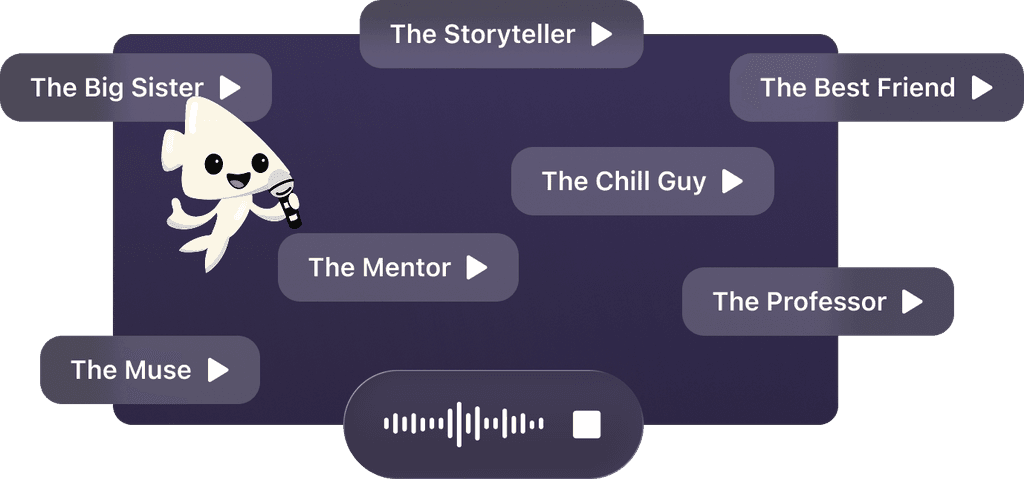
Siente el libro a través de la voz del autor
Convierte el conocimiento en ideas atractivas y llenas de ejemplos
Captura ideas clave en un instante para un aprendizaje rápido
Disfruta el libro de una manera divertida y atractiva
Personajes en Practical Magic
- Sally OwensPractical, responsible sister who seeks normalcy
- Gillian OwensRestless, charming sister who embraces her magic
- Aunt FrancesEccentric guardian and practitioner of magic
- Aunt JetEccentric guardian who helps run the magic house
Temas clave en Practical Magic
- generational curses
- sisterhood bonds
- magical realism
- small town prejudice
- female autonomy
Citas de Practical Magic
There are some things I know for certain: always throw spilled salt over your left shoulder, keep rosemary by your garden gate, plant lavender for luck, and fall in love whenever you can.
Sally refuses, knowing "only two people can elope."
Women betrayed pay even more, while those wanting someone else's husband will do absolutely anything for love.
Sally realizes the aunts will never help this girl again - she received exactly what she asked for
Explora Tu Forma de Aprender
 Modo Resumen Rápido
Lee o escucha el resumen de Practical Magic en 7 minutos
Desglosa las ideas clave de Practical Magic en puntos fáciles de entender para comprender cómo los equipos innovadores crean, colaboran y crecen.

 Modo Divertido
Lecciones de Practical Magic Contadas en Historias de 18 Min
Experimenta Practical Magic a través de narraciones vívidas que convierten las lecciones de innovación en momentos que recordarás y aplicarás.
 Modo Personalizar
Experimenta Practical Magic con tu propio estilo de aprendizaje
Pregunta cualquier cosa, elige tu estilo de aprendizaje y co-crea ideas que realmente resuenen contigo.
Creado por exalumnos de la Universidad de Columbia en San Francisco
"Instead of endless scrolling, I just hit play on BeFreed. It saves me so much time."


"I never knew where to start with nonfiction—BeFreed’s book lists turned into podcasts gave me a clear path."


"Perfect balance between learning and entertainment. Finished ‘Thinking, Fast and Slow’ on my commute this week."
"Crazy how much I learned while walking the dog. BeFreed = small habits → big gains."
"Reading used to feel like a chore. Now it’s just part of my lifestyle."

"Feels effortless compared to reading. I’ve finished 6 books this month already."
"BeFreed turned my guilty doomscrolling into something that feels productive and inspiring."

"BeFreed turned my commute into learning time. 20-min podcasts are perfect for finishing books I never had time for."
"BeFreed replaced my podcast queue. Imagine Spotify for books — that’s it. 🙌"

"It is great for me to learn something from the book without reading it."
"The themed book list podcasts help me connect ideas across authors—like a guided audio journey."
"Makes me feel smarter every time before going to work"
Creado por exalumnos de la Universidad de Columbia en San Francisco
"Instead of endless scrolling, I just hit play on BeFreed. It saves me so much time."
"I never knew where to start with nonfiction—BeFreed’s book lists turned into podcasts gave me a clear path."
"Perfect balance between learning and entertainment. Finished ‘Thinking, Fast and Slow’ on my commute this week."
"Crazy how much I learned while walking the dog. BeFreed = small habits → big gains."
"Reading used to feel like a chore. Now it’s just part of my lifestyle."
"Feels effortless compared to reading. I’ve finished 6 books this month already."
"BeFreed turned my guilty doomscrolling into something that feels productive and inspiring."
"BeFreed turned my commute into learning time. 20-min podcasts are perfect for finishing books I never had time for."
"BeFreed replaced my podcast queue. Imagine Spotify for books — that’s it. 🙌"
"It is great for me to learn something from the book without reading it."
"The themed book list podcasts help me connect ideas across authors—like a guided audio journey."
"Makes me feel smarter every time before going to work"
"Instead of endless scrolling, I just hit play on BeFreed. It saves me so much time."
"I never knew where to start with nonfiction—BeFreed’s book lists turned into podcasts gave me a clear path."
"Perfect balance between learning and entertainment. Finished ‘Thinking, Fast and Slow’ on my commute this week."
"Crazy how much I learned while walking the dog. BeFreed = small habits → big gains."
"Reading used to feel like a chore. Now it’s just part of my lifestyle."
"Feels effortless compared to reading. I’ve finished 6 books this month already."
"BeFreed turned my guilty doomscrolling into something that feels productive and inspiring."
"BeFreed turned my commute into learning time. 20-min podcasts are perfect for finishing books I never had time for."
"BeFreed replaced my podcast queue. Imagine Spotify for books — that’s it. 🙌"
"It is great for me to learn something from the book without reading it."
"The themed book list podcasts help me connect ideas across authors—like a guided audio journey."
"Makes me feel smarter every time before going to work"
"Instead of endless scrolling, I just hit play on BeFreed. It saves me so much time."
"I never knew where to start with nonfiction—BeFreed’s book lists turned into podcasts gave me a clear path."
"Perfect balance between learning and entertainment. Finished ‘Thinking, Fast and Slow’ on my commute this week."
"Crazy how much I learned while walking the dog. BeFreed = small habits → big gains."
"Reading used to feel like a chore. Now it’s just part of my lifestyle."
"Feels effortless compared to reading. I’ve finished 6 books this month already."
"BeFreed turned my guilty doomscrolling into something that feels productive and inspiring."
"BeFreed turned my commute into learning time. 20-min podcasts are perfect for finishing books I never had time for."
"BeFreed replaced my podcast queue. Imagine Spotify for books — that’s it. 🙌"
"It is great for me to learn something from the book without reading it."
"The themed book list podcasts help me connect ideas across authors—like a guided audio journey."
"Makes me feel smarter every time before going to work"

Descargar resumen de Practical Magic
Obtén el resumen de Practical Magic como PDF o EPUB gratis. Imprímelo o léelo sin conexión en cualquier momento.


