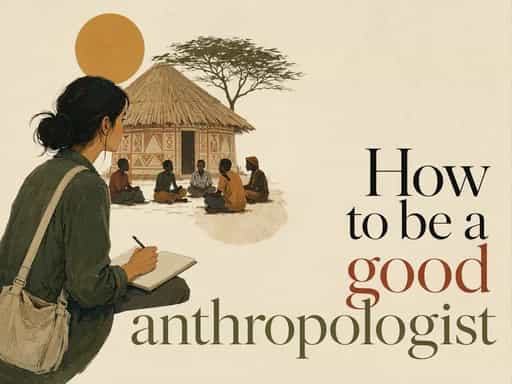
Resumen de Orientalismo
"Orientalismo" de Edward Said destrozó las percepciones occidentales sobre el Oriente, desatando una revolución académica en más de 30 idiomas. Esta obra maestra de 1978 expuso cómo la representación cultural alimenta las dinámicas de poder, influyendo en pensadores desde Rushdie hasta Chomsky. ¿Alguna vez te has preguntado por qué vemos lo "exótico" donde otros ven su hogar?
Temas clave en Orientalismo
- cultural representation
- knowledge production
- postcolonial discourse
- imaginative geography
- western hegemony
Citas de Orientalismo
Orientalism is a style of thought based upon an ontological and epistemological distinction made between 'the Orient' and (most of the time) 'the Occident.'
Orientalism can be discussed and analyzed as the corporate institution for dealing with the Orient—dealing with it by making statements about it, authorizing views of it, describing it, by teaching it, settling it, ruling over it: in short, Orientalism as a Western style for dominating, restructuring, and having authority over the Orient.
Orientalism is never far from what Denys Hay has called the idea of Europe, a collective notion identifying 'us' Europeans as against all 'those' non-Europeans.
My contention is that without examining Orientalism as a discourse one cannot possibly understand the enormously systematic discipline by which European culture was able to manage—and even produce—the Orient politically, sociologically, militarily, ideologically, scientifically, and imaginatively during the post-Enlightenment period.
Europeans viewed the Orient primarily as their own invention.
Descargar resumen de Orientalismo
Obtén el resumen de Orientalismo como PDF o EPUB gratis. Imprímelo o léelo sin conexión en cualquier momento.