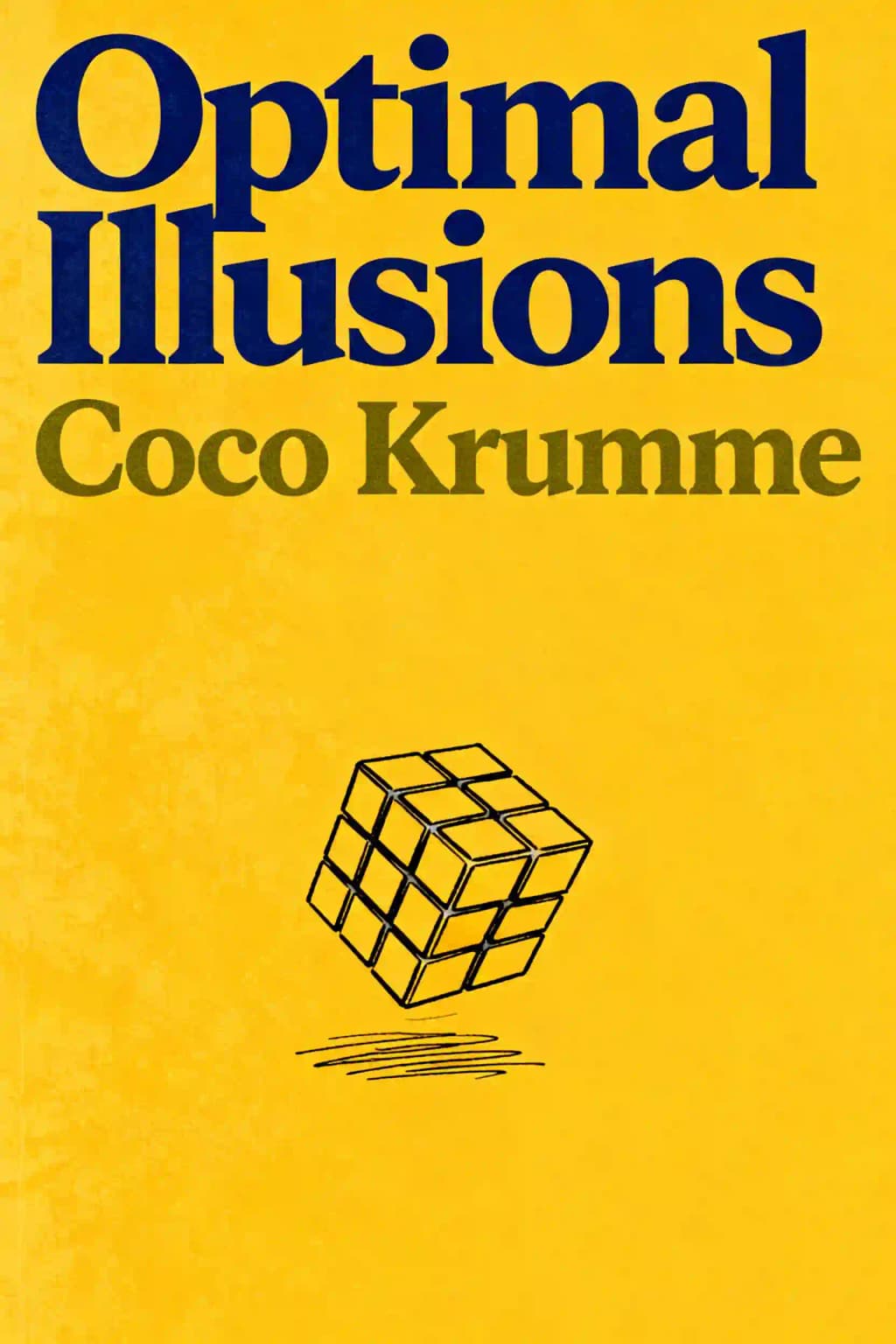
Optimal Illusions
The False Promise of Optimization
Resumen de Optimal Illusions
In "Optimal Illusions," mathematician Coco Krumme exposes how our obsession with optimization secretly limits our lives. Cal Newport calls it "incredibly timely" - a provocative wake-up call that questions whether efficiency algorithms are stealing what makes us human. What's your optimization blindspot?

Temas clave en Optimal Illusions
- optimization culture
- efficiency paradox
- industrial agriculture costs
- technological solutionism
- systemic fragility
Citas de Optimal Illusions
Optimization transformed from mathematical technique to cultural religion.
Get big or get out.
Our vocabulary has been colonized by optimization's language.
Modern optimization looks forward, imagining all possible worlds to determine the best.
Scale distorts when short-term metrics override long-term community values.
Personajes en Optimal Illusions
- Coco KrummeAuthor and researcher of optimization culture
- Norman BorlaugBiologist known for the Green Revolution
- Ezra Taft BensonSecretary of Agriculture who pushed consolidation
- Gottfried LeibnizPhilosopher who proposed the 'best possible world'
- Professor PanglossSatirical character representing blind optimism
Descargar resumen de Optimal Illusions
Obtén el resumen de Optimal Illusions como PDF o EPUB gratis. Imprímelo o léelo sin conexión en cualquier momento.
Preguntas Frecuentes Sobre Este Libro
Optimal Illusions examines how society’s obsession with efficiency and mathematical optimization has reshaped industries, technology, and daily life, often at the expense of human values. Coco Krumme combines historical analysis, personal anecdotes, and critiques of systems like Silicon Valley tech culture and industrial agriculture to argue for a more balanced approach to progress.
This book appeals to readers interested in technology ethics, societal impacts of algorithms, and critiques of modern efficiency culture. It’s particularly relevant for professionals in tech, data science, or policy-making, as well as general audiences concerned about unchecked optimization’s consequences.
While praised for its provocative ideas and interdisciplinary approach, some critics note uneven depth in technical explanations. It’s recommended for those seeking a thought-provoking exploration of optimization’s societal trade-offs, though readers wanting rigorous mathematical analysis may find it lacking.
Krumme highlights how optimization stifles diversity in agriculture, creates fragile systems in tech infrastructure, and dehumanizes workplaces by prioritizing metrics over creativity. She argues this pursuit often ignores long-term resilience and cultural heritage.
Unlike Merchant’s historical focus on labor movements, Optimal Illusions critiques modern systemic efficiency through a mathematical lens. While both address technology’s societal impacts, Krumme’s work leans more on personal narrative than exhaustive case studies.
- “Shortcuts aren’t free”: Highlights hidden costs of efficiency-driven solutions.
- “The fakeness in all this abstraction”: Critiques tech’s reduction of complex realities to data points.
With a PhD from MIT and experience in Silicon Valley, Krumme bridges technical expertise with philosophical inquiry. Her shift from optimizer to critic lends authenticity to discussions about tech’s limitations.
The book advocates for embracing imperfection, diversifying systems beyond pure efficiency metrics, and reintegrating human intuition into decision-making processes.
Krumme’s warnings about over-reliance on algorithmic systems resonate with concerns about AI ethics, biased models, and automation’s impact on employment.
- Agriculture: Loss of biodiversity due to optimized monocultures.
- Tech: Short-term efficiency gains creating systemic vulnerabilities.
- Workplace: Productivity metrics eroding creativity and job satisfaction.
Yes, it encourages readers to question “optimal” choices in daily life, prioritize resilience over convenience, and support locally adapted systems rather than globalized efficiency.
Krumme traces optimization from Enlightenment-era rationalism to its modern tech incarnation, showing how ideals of progress became entangled with narrow efficiency metrics.


