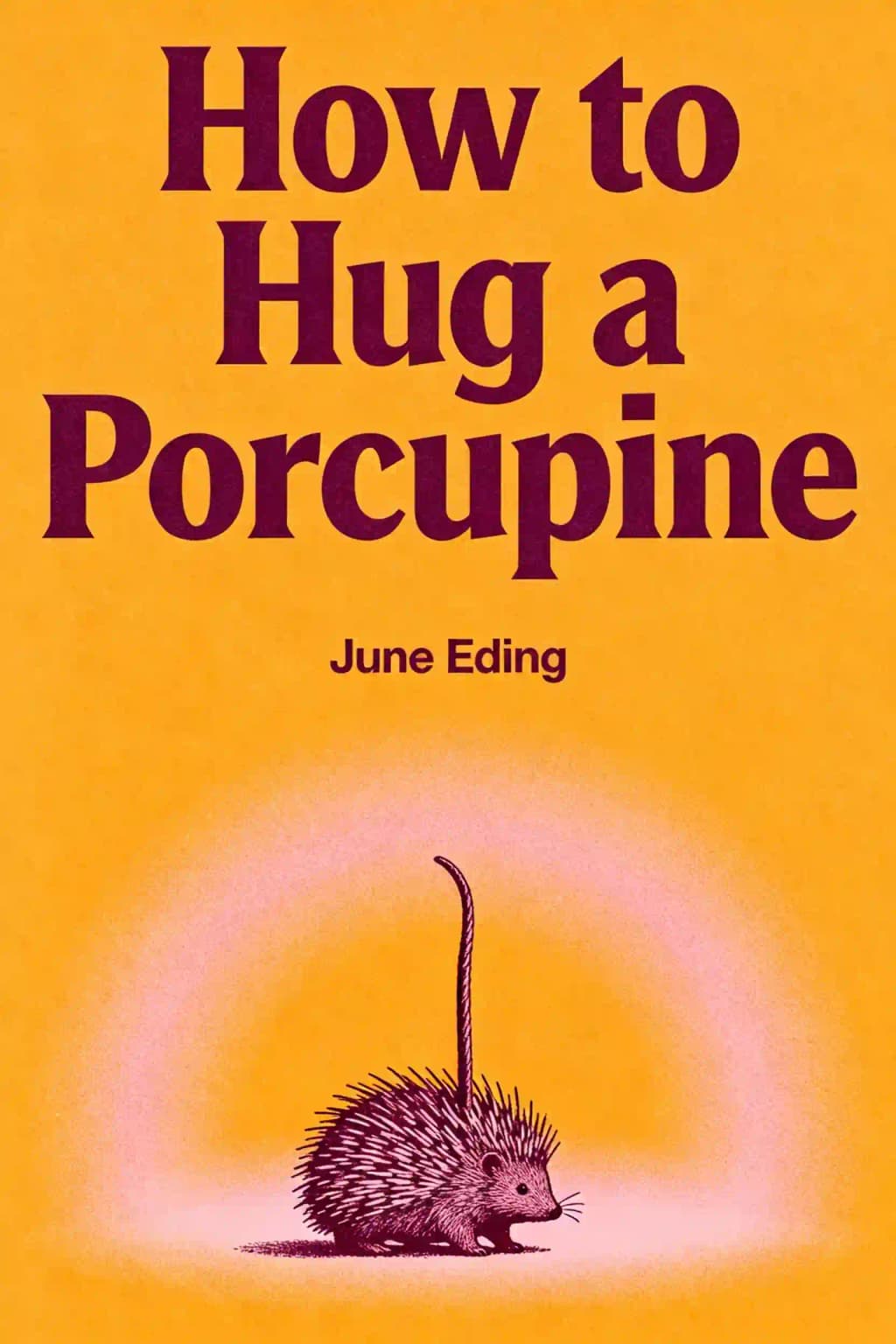
How do you connect with the prickly people in your life? "How to Hug a Porcupine" offers psychological wisdom from Dr. Debbie Joffe Ellis on disarming defensive behaviors. Like actual porcupines, difficult people don't shoot quills - they just need the right approach.
Siente el libro a través de la voz del autor
Convierte el conocimiento en ideas atractivas y llenas de ejemplos
Captura ideas clave en un instante para un aprendizaje rápido
Disfruta el libro de una manera divertida y atractiva
We all have them in our lives-those people whose very presence makes us tense up. The colleague who criticizes everything you do. The in-law who always has a cutting remark. The friend who takes offense at the slightest comment. These "human porcupines" carry their defensive quills everywhere they go, and one wrong move can leave you feeling the sting. But what if these challenging relationships could become your greatest teachers? Just like their animal counterparts, human porcupines don't develop their defenses overnight. Those 30,000 protective quills evolved for a reason-survival. Similarly, difficult people arm themselves with emotional defenses designed to keep threats at bay, developed through past hurts, disappointments, and trauma. The boss who explodes over minor issues might be carrying wounds from previous professional failures. The spouse who withdraws into icy silence may have learned early that expressing needs led to rejection. What's fascinating is that both animal and human porcupines follow predictable patterns before deploying their full defenses. They give warning signs-raised voices, aggressive body language, emotional withdrawal-signals that something has triggered their protective instincts. And here's the crucial insight: these defensive behaviors aren't personal-they're protective, rooted in survival instincts and learned responses. Have you ever wondered why certain people consistently bring out your worst reactions? Understanding the porcupine nature means recognizing that under certain circumstances, we all have the capacity to raise our own quills. This awareness creates the foundation for genuine empathy rather than mere tolerance.

Desglosa las ideas clave de How to Hug a Porcupine en puntos fáciles de entender para comprender cómo los equipos innovadores crean, colaboran y crecen.
Destila How to Hug a Porcupine en pistas de memoria rápidas que resaltan los principios clave de franqueza, trabajo en equipo y resiliencia creativa.

Experimenta How to Hug a Porcupine a través de narraciones vívidas que convierten las lecciones de innovación en momentos que recordarás y aplicarás.
Pregunta lo que quieras, elige la voz y co-crea ideas que realmente resuenen contigo.

Creado por exalumnos de la Universidad de Columbia en San Francisco
"Instead of endless scrolling, I just hit play on BeFreed. It saves me so much time."
"I never knew where to start with nonfiction—BeFreed’s book lists turned into podcasts gave me a clear path."
"Perfect balance between learning and entertainment. Finished ‘Thinking, Fast and Slow’ on my commute this week."
"Crazy how much I learned while walking the dog. BeFreed = small habits → big gains."
"Reading used to feel like a chore. Now it’s just part of my lifestyle."
"Feels effortless compared to reading. I’ve finished 6 books this month already."
"BeFreed turned my guilty doomscrolling into something that feels productive and inspiring."
"BeFreed turned my commute into learning time. 20-min podcasts are perfect for finishing books I never had time for."
"BeFreed replaced my podcast queue. Imagine Spotify for books — that’s it. 🙌"
"It is great for me to learn something from the book without reading it."
"The themed book list podcasts help me connect ideas across authors—like a guided audio journey."
"Makes me feel smarter every time before going to work"
Creado por exalumnos de la Universidad de Columbia en San Francisco

Obtén el resumen de How to Hug a Porcupine como PDF o EPUB gratis. Imprímelo o léelo sin conexión en cualquier momento.