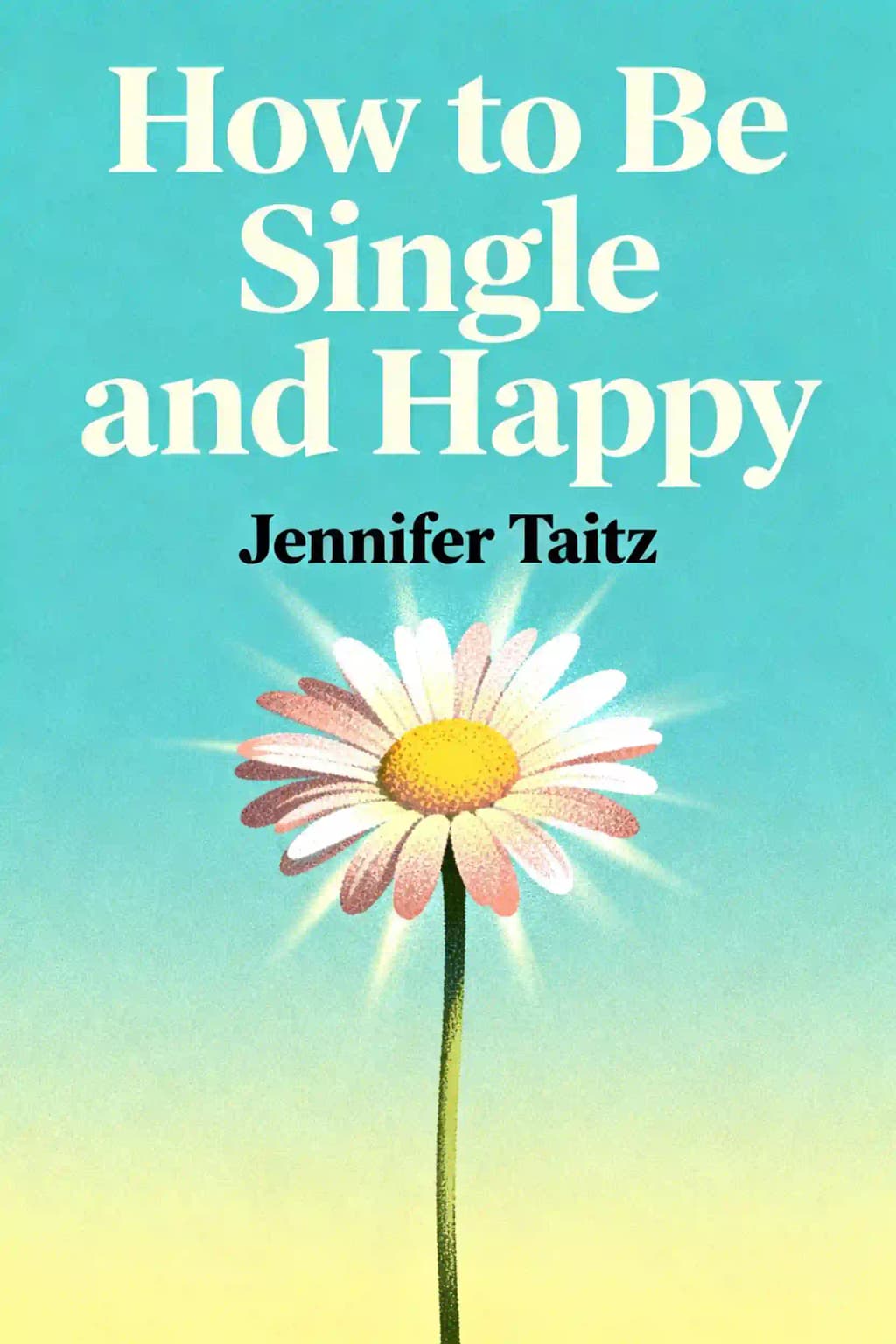
Psychologist Jennifer Taitz's guide shatters the "happily ever after" myth, using cognitive behavioral therapy to transform singlehood from waiting room to wonderland. What if finding yourself - not a partner - is the key to happiness modern psychology confirms?
Siente el libro a través de la voz del autor
Convierte el conocimiento en ideas atractivas y llenas de ejemplos
Captura ideas clave en un instante para un aprendizaje rápido
Disfruta el libro de una manera divertida y atractiva
Picture a young woman scrolling through Instagram at 2 a.m., watching her ex move on with someone new while she's frozen in place. Or imagine someone turning down invitations, convinced they can't truly enjoy life until they find "the one." These aren't just isolated moments of sadness-they're symptoms of a cultural belief that's quietly sabotaging millions of lives: the idea that happiness requires a romantic partner. What if this widely accepted truth is actually a lie? Research reveals something surprising: your relationship status accounts for only 10% of your happiness, while your daily intentional behaviors control 40%-four times as much. Yet we continue to organize our entire emotional lives around finding love, creating what might be called the "husband treadmill"-endlessly chasing a relationship status we believe will finally make us happy. We've been sold a story about happiness that doesn't hold up under scrutiny. According to the "hedonic treadmill" theory, our happiness naturally hovers around a stable set point regardless of external circumstances. Yet 45% of singles believe finding a partner would be their greatest source of happiness-despite overwhelming evidence that marriage provides only a minimal boost, roughly 1% on a happiness scale. Here's what's even more striking: we're terrible at predicting how we'll actually feel in different situations. When researchers measured the actual happiness levels of people in relationships versus recently single individuals, they found no significant difference. Students vastly overestimated how devastated they'd be after breakups. We routinely imagine that gaining something will make us permanently happier and losing something will destroy us-but neither prediction holds true. Consider the hotel housekeepers who were told their daily work constituted healthy exercise. Without changing anything about their routines, they showed measurable physical improvements-reduced weight, lower blood pressure, decreased body fat. The only thing that changed was their mindset. Similarly, when twelve-year-olds were taught they could improve their intelligence, they performed better academically and enjoyed learning more. Our beliefs shape our reality more powerfully than we realize. The problem isn't being single. The problem is believing we're incomplete without someone else.
Desglosa las ideas clave de How to Be Single and Happy en puntos fáciles de entender para comprender cómo los equipos innovadores crean, colaboran y crecen.
Destila How to Be Single and Happy en pistas de memoria rápidas que resaltan los principios clave de franqueza, trabajo en equipo y resiliencia creativa.

Experimenta How to Be Single and Happy a través de narraciones vívidas que convierten las lecciones de innovación en momentos que recordarás y aplicarás.
Pregunta lo que quieras, elige la voz y co-crea ideas que realmente resuenen contigo.

Creado por exalumnos de la Universidad de Columbia en San Francisco
"Instead of endless scrolling, I just hit play on BeFreed. It saves me so much time."
"I never knew where to start with nonfiction—BeFreed’s book lists turned into podcasts gave me a clear path."
"Perfect balance between learning and entertainment. Finished ‘Thinking, Fast and Slow’ on my commute this week."
"Crazy how much I learned while walking the dog. BeFreed = small habits → big gains."
"Reading used to feel like a chore. Now it’s just part of my lifestyle."
"Feels effortless compared to reading. I’ve finished 6 books this month already."
"BeFreed turned my guilty doomscrolling into something that feels productive and inspiring."
"BeFreed turned my commute into learning time. 20-min podcasts are perfect for finishing books I never had time for."
"BeFreed replaced my podcast queue. Imagine Spotify for books — that’s it. 🙌"
"It is great for me to learn something from the book without reading it."
"The themed book list podcasts help me connect ideas across authors—like a guided audio journey."
"Makes me feel smarter every time before going to work"
Creado por exalumnos de la Universidad de Columbia en San Francisco

Obtén el resumen de How to Be Single and Happy como PDF o EPUB gratis. Imprímelo o léelo sin conexión en cualquier momento.