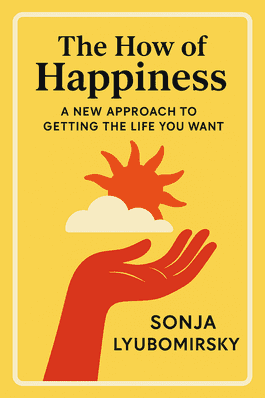
Happiness book cover

Happiness

Richard Layard
3.71 (1057 Reviews)

Resumen de Happiness

In "Happiness," economist Richard Layard challenges our wealth-equals-happiness assumption with startling evidence: despite decades of economic growth, happiness hasn't increased. This groundbreaking work sparked a revolution in policy-making, proving mental health and relationships - not money - hold the true keys to wellbeing.

Citas de Happiness

  • Happiness is feeling good, enjoying life and wanting the feeling to be maintained.

  • Money can't buy happiness.

  • Happiness is an objective, measurable feeling.

  • Friendship may be the greatest contribution to lifelong happiness.

  • Unemployment devastates happiness primarily through the loss of purpose.

Personajes en Happiness

  • Richard LayardEconomist and author of the book

Sobre el Autor

Sobre el autor de Happiness

Richard Layard, author of Happiness: Lessons from a New Science, is a renowned British economist and pioneer in well-being research.

As Emeritus Professor of Economics at the London School of Economics (LSE) and founder of its Centre for Economic Performance, Layard combines insights from economics, psychology, and neuroscience to explore human happiness.

His work on unemployment influenced UK welfare-to-work policies, including the Labour Party’s New Deal, and earned him the IZA Prize in Labor Economics. A member of the House of Lords, Layard co-edits the annual World Happiness Report and advocates for mental health as a cornerstone of public policy.

His other works, such as Can We Be Happier? and The Origins of Happiness, further examine strategies for improving societal well-being. Happiness has been translated into over 20 languages, underscoring its global impact on redefining how governments and individuals prioritize fulfillment.

Descargar resumen de Happiness

Obtén el resumen de Happiness como PDF o EPUB gratis. Imprímelo o léelo sin conexión en cualquier momento.

Preguntas Frecuentes Sobre Este Libro

Happiness: Lessons from a New Science by Richard Layard explores why increased wealth hasn’t led to greater societal happiness, synthesizing economics, psychology, and neuroscience. Layard argues that factors like mental health, job security, social relationships, and income equality outweigh material wealth in fostering well-being. The book proposes policy changes and personal strategies to prioritize these elements, grounded in decades of interdisciplinary research.

This book is ideal for policymakers, economists, and readers interested in psychology or societal well-being. It offers actionable insights for professionals in education, healthcare, and urban planning, as well as anyone seeking evidence-based strategies to improve personal happiness through lifestyle changes or advocacy.

Yes—Layard’s work remains a seminal text for understanding the science of well-being. Its blend of rigorous research, accessible writing, and practical policy recommendations makes it valuable for academic and general audiences. The book’s critique of GDP-driven progress and emphasis on mental health resonate strongly in today’s well-being-focused discourse.

Key lessons include:

  • Income comparisons harm happiness more than absolute poverty.
  • Mental health treatment is critical for societal well-being.
  • Job security and community ties outweigh short-term economic gains.
  • Progressive taxation and social safety nets enhance collective happiness.

Layard defines happiness as a sustained sense of life satisfaction influenced by seven factors: family relationships, financial security, work satisfaction, community engagement, physical/mental health, personal freedom, and philosophical/spiritual values. He emphasizes measurable well-being over abstract concepts.

Critics argue Layard overemphasizes government policy’s role in happiness and underplays cultural differences in defining well-being. Some economists contest his dismissal of GDP growth, while psychologists note the book’s limited discussion of individual resilience strategies.

Layard advocates for universal access to psychotherapy (like CBT) and criticizes underfunded mental healthcare systems. He highlights depression as a major happiness inhibitor and proposes integrating psychological services into public health frameworks—a model influencing the UK’s Improving Access to Psychological Therapies (IAPT) program.

The book critiques traditional economics for prioritizing GDP over well-being metrics. Layard proposes “happiness economics,” advocating policies like wealth redistribution, environmental protections, and workplace reforms to reduce income rivalry and chronic stress.

Yes—Layard argues that religious and spiritual practices enhance well-being by fostering community, ethical behavior, and purpose. However, he stresses these benefits can be achieved secularly through mindfulness, volunteering, and philosophical education.

Unlike self-help-focused works, Layard’s book uniquely combines macroeconomic analysis with psychological insights. It contrasts with The Happiness Hypothesis by emphasizing systemic change over individual habits and aligns with The Spirit Level in linking equality to well-being.

The book’s warnings about loneliness, inequality, and climate anxiety remain urgent. Its policy proposals align with modern trends like universal basic income trials, corporate well-being metrics, and the WHO’s focus on mental health—making it a roadmap for post-pandemic recovery.

Notable quotes include:

  • “The greatest happiness for all should be society’s ultimate goal”.
  • “Happiness depends on your inner life as much as your outer circumstances”.
  • “Treating depression is one of the cheapest ways to increase human welfare”.

Explora Tu Forma de Aprender

Happiness no es solo un libro — es una clase magistral en Psychology. Para ayudarte a absorber sus lecciones de la manera que mejor te funcione, ofrecemos cinco modos de aprendizaje únicos. Ya seas un pensador profundo, un aprendiz rápido o un amante de las historias, hay un modo diseñado para tu estilo.

Modo Resumen Rápido

Lee o escucha el resumen de Happiness en 10 minutos

Desglosa las ideas clave de Happiness en puntos fáciles de entender para comprender cómo los equipos innovadores crean, colaboran y crecen.

play
00:00
00:00

Modo Divertido

Lecciones de Happiness Contadas en Historias de 23 Min

Experimenta Happiness a través de narraciones vívidas que convierten las lecciones de innovación en momentos que recordarás y aplicarás.

play
00:00
00:00

Modo Personalizar

Experimenta Happiness con tu propio estilo de aprendizaje

Pregunta cualquier cosa, elige tu estilo de aprendizaje y co-crea ideas que realmente resuenen contigo.

Personalize Mode

Creado por exalumnos de la Universidad de Columbia en San Francisco

BeFreed Reúne a una Comunidad Global de 1,000,000 Mentes Curiosas

"Instead of endless scrolling, I just hit play on BeFreed. It saves me so much time."

@Moemenn
platform
star
star
star
star
star

"I never knew where to start with nonfiction—BeFreed’s book lists turned into podcasts gave me a clear path."

@Chloe, Solo founder, LA
platform
comments
12
likes
117

"Perfect balance between learning and entertainment. Finished ‘Thinking, Fast and Slow’ on my commute this week."

@Raaaaaachelw
platform
star
star
star
star
star

"Crazy how much I learned while walking the dog. BeFreed = small habits → big gains."

@Matt, YC alum
platform
comments
12
likes
108

"Reading used to feel like a chore. Now it’s just part of my lifestyle."

@Erin, Investment Banking Associate , NYC
platform
comments
254
likes
17

"Feels effortless compared to reading. I’ve finished 6 books this month already."

@djmikemoore
platform
star
star
star
star
star

"BeFreed turned my guilty doomscrolling into something that feels productive and inspiring."

@Pitiful
platform
comments
96
likes
4.5K

"BeFreed turned my commute into learning time. 20-min podcasts are perfect for finishing books I never had time for."

@SofiaP
platform
star
star
star
star
star

"BeFreed replaced my podcast queue. Imagine Spotify for books — that’s it. 🙌"

@Jaded_Falcon
platform
comments
201
thumbsUp
16

"It is great for me to learn something from the book without reading it."

@OojasSalunke
platform
star
star
star
star
star

"The themed book list podcasts help me connect ideas across authors—like a guided audio journey."

@Leo, Law Student, UPenn
platform
comments
37
likes
483

"Makes me feel smarter every time before going to work"

@Cashflowbubu
platform
star
star
star
star
star

"Instead of endless scrolling, I just hit play on BeFreed. It saves me so much time."

@Moemenn
platform
star
star
star
star
star

"I never knew where to start with nonfiction—BeFreed’s book lists turned into podcasts gave me a clear path."

@Chloe, Solo founder, LA
platform
comments
12
likes
117

"Perfect balance between learning and entertainment. Finished ‘Thinking, Fast and Slow’ on my commute this week."

@Raaaaaachelw
platform
star
star
star
star
star

"Crazy how much I learned while walking the dog. BeFreed = small habits → big gains."

@Matt, YC alum
platform
comments
12
likes
108

"Reading used to feel like a chore. Now it’s just part of my lifestyle."

@Erin, Investment Banking Associate , NYC
platform
comments
254
likes
17

"Feels effortless compared to reading. I’ve finished 6 books this month already."

@djmikemoore
platform
star
star
star
star
star

"BeFreed turned my guilty doomscrolling into something that feels productive and inspiring."

@Pitiful
platform
comments
96
likes
4.5K

"BeFreed turned my commute into learning time. 20-min podcasts are perfect for finishing books I never had time for."

@SofiaP
platform
star
star
star
star
star

"BeFreed replaced my podcast queue. Imagine Spotify for books — that’s it. 🙌"

@Jaded_Falcon
platform
comments
201
thumbsUp
16

"It is great for me to learn something from the book without reading it."

@OojasSalunke
platform
star
star
star
star
star

"The themed book list podcasts help me connect ideas across authors—like a guided audio journey."

@Leo, Law Student, UPenn
platform
comments
37
likes
483

"Makes me feel smarter every time before going to work"

@Cashflowbubu
platform
star
star
star
star
star

"Instead of endless scrolling, I just hit play on BeFreed. It saves me so much time."

@Moemenn
platform
star
star
star
star
star

"I never knew where to start with nonfiction—BeFreed’s book lists turned into podcasts gave me a clear path."

@Chloe, Solo founder, LA
platform
comments
12
likes
117

"Perfect balance between learning and entertainment. Finished ‘Thinking, Fast and Slow’ on my commute this week."

@Raaaaaachelw
platform
star
star
star
star
star

"Crazy how much I learned while walking the dog. BeFreed = small habits → big gains."

@Matt, YC alum
platform
comments
12
likes
108

"Reading used to feel like a chore. Now it’s just part of my lifestyle."

@Erin, Investment Banking Associate , NYC
platform
comments
254
likes
17

"Feels effortless compared to reading. I’ve finished 6 books this month already."

@djmikemoore
platform
star
star
star
star
star

"BeFreed turned my guilty doomscrolling into something that feels productive and inspiring."

@Pitiful
platform
comments
96
likes
4.5K

"BeFreed turned my commute into learning time. 20-min podcasts are perfect for finishing books I never had time for."

@SofiaP
platform
star
star
star
star
star

"BeFreed replaced my podcast queue. Imagine Spotify for books — that’s it. 🙌"

@Jaded_Falcon
platform
comments
201
thumbsUp
16

"It is great for me to learn something from the book without reading it."

@OojasSalunke
platform
star
star
star
star
star

"The themed book list podcasts help me connect ideas across authors—like a guided audio journey."

@Leo, Law Student, UPenn
platform
comments
37
likes
483

"Makes me feel smarter every time before going to work"

@Cashflowbubu
platform
star
star
star
star
star

¿Ver Más Historias?

Cómo la gente habla de BeFreed en la web
1.5K Ratings4.7
Comienza tu viaje de aprendizaje, ahora