

Resumen de Enchantment
Discover how to genuinely influence others in "Enchantment" by Apple's former chief evangelist. Beyond manipulation, Kawasaki reveals the art of building trust and delight - a strategy praised by business leaders for transforming customers into passionate believers. What makes some ideas irresistibly contagious?
- Likability fuels enchantment through authenticity, empathy, and shared values.
- Trustworthiness requires consistent competence, reliability, and ethical integrity.
- Overcome resistance with social proof and common-ground identification.
- Craft contagious narratives using vivid “Twitter-ready” messaging.
- Apply the DICEE framework: Deep, Intelligent, Complete, Empowering, Elegant.
- Enchant employees through “intrapreneurship” and autonomy-driven innovation.
- Leverage reciprocity loops to create mutual-benefit relationships.
- Boost persistence with “sustainable enchantment” via incremental progress.
- Design default-to-yes products that minimize friction and objections.
- Master “push technology” timing for optimal message resonance.
- Convert critics using the 70-20-10 rule for feedback integration.
- Sustain enchantment by treating it as a daily practice.
Sobre el autor de Enchantment
Guy Kawasaki, bestselling author of Enchantment: The Art of Changing Hearts, Minds, and Actions, is a Silicon Valley icon and renowned expert in entrepreneurship, innovation, and marketing. A former Apple chief evangelist and current chief evangelist of Canva—the $1.7 billion graphic design platform—Kawasaki merges decades of tech leadership with actionable insights on persuasion and influence. His work, including The Art of the Start and Reality Check, empowers entrepreneurs and professionals to disrupt industries and build meaningful connections.
A Stanford and UCLA alumnus, Kawasaki’s career spans founding ventures like Alltop.com, advising Google’s Motorola, and hosting the Remarkable People podcast, where he interviews global leaders.
His books, translated into over 40 languages, have sold millions of copies and are staples in business curricula and corporate training programs worldwide. Enchantment reflects his signature blend of practical strategies and ethical leadership, distilled from collaborations with firms like Nike, Microsoft, and Wikipedia. Kawasaki’s TED Talks and media features on NPR and in Forbes further cement his status as a trusted voice in modern business innovation.
Preguntas frecuentes sobre Enchantment
What is Enchantment by Guy Kawasaki about?
Enchantment explores how to create genuine connections that transform skepticism into loyalty by delighting people with your ideas, products, or services. Guy Kawasaki argues that enchantment—changing hearts, minds, and actions—is essential for lasting success, especially when pursuing meaningful goals against bigger competitors. The book combines persuasion strategies with social media insights to help readers build trust and inspire advocacy.
Who should read Enchantment by Guy Kawasaki?
Entrepreneurs, marketers, and leaders aiming to influence audiences or build passionate followings will benefit most. It’s also valuable for anyone seeking to improve personal relationships or navigate workplace challenges through ethical persuasion. Kawasaki’s advice bridges business and everyday interactions, making it relevant for both professionals and casual readers.
Is Enchantment by Guy Kawasaki worth reading?
Yes, Enchantment offers actionable steps to cultivate trust, likability, and lasting influence. Praised for blending Dale Carnegie’s relationship-building principles with modern social media tactics, it provides frameworks for turning adversaries into allies. Critics note its emphasis on consistency may feel repetitive, but its practical examples make it a standout guide for ethical persuasion.
What are the main concepts in Enchantment?
Key ideas include:
- Trustworthiness: Building credibility through transparency and expertise.
- Likability: Fostering connections via empathy and shared values.
- “Baking a bigger pie”: Creating mutually beneficial outcomes.
- Defaulting to “yes” to encourage collaboration.
These principles help readers enchant others without manipulation.
How does Enchantment teach you to influence others?
Kawasaki outlines steps like embracing authenticity, leveraging social proof, and crafting a compelling narrative. For example, he advises using stories (like Steve Jobs’ iPhone vision) to frame ideas as shared dreams rather than transactions. The book also emphasizes resisting cynicism by addressing critics respectfully.
What is Guy Kawasaki’s most famous quote from Enchantment?
“The greater your goals, the more you’ll need to change people’s hearts, minds, and actions.” This underscores the book’s core message: enchantment is vital for ambitious, socially impactful missions. Another notable line: “Enchantment transforms hostility into civility and civility into affinity”.
How does Enchantment compare to Influence by Robert Cialdini?
While Cialdini’s Influence focuses on psychological triggers of compliance, Enchantment prioritizes ethical, relationship-driven persuasion. Kawasaki integrates modern digital strategies (e.g., social media engagement) and emphasizes mutual benefit over one-time transactions. Both books are complementary for understanding persuasion’s evolution.
What are common criticisms of Enchantment?
Some reviewers find the advice oversimplified or overly optimistic, arguing that real-world power dynamics complicate Kawasaki’s methods. Others note the lack of a rigid structure, as the book blends anecdotes and maxims rather than step-by-step guides. However, most agree its positivity and practicality outweigh these flaws.
How can Enchantment be applied in business?
- Customer retention: Delight users with proactive communication (e.g., resolving complaints elegantly).
- Employee morale: Defaulting to “yes” fosters innovation and loyalty.
- Branding: Share a vision that aligns with customers’ values, as Apple did with the iPhone.
What metaphor does Kawasaki use for enchantment?
He likens enchantment to a “bull’s-eye” target—practitioners must consistently embody their philosophy to avoid hypocrisy. This metaphor stresses the importance of aligning actions with preached values to maintain trust.
How does Enchantment address social media?
Kawasaki advocates engaging “nobodies” (everyday users) over influencers, as grassroots support drives modern success. Tactics include responsive communication, sharing valuable content, and using platforms to humanize brands. This aligns with his belief that social media democratizes influence.
Why is Enchantment relevant in 2025?
In an era of AI-driven interactions and remote work, Kawasaki’s focus on authentic human connection remains critical. The book’s lessons on digital trust-building and ethical persuasion help navigate challenges like misinformation fatigue and hybrid team dynamics.
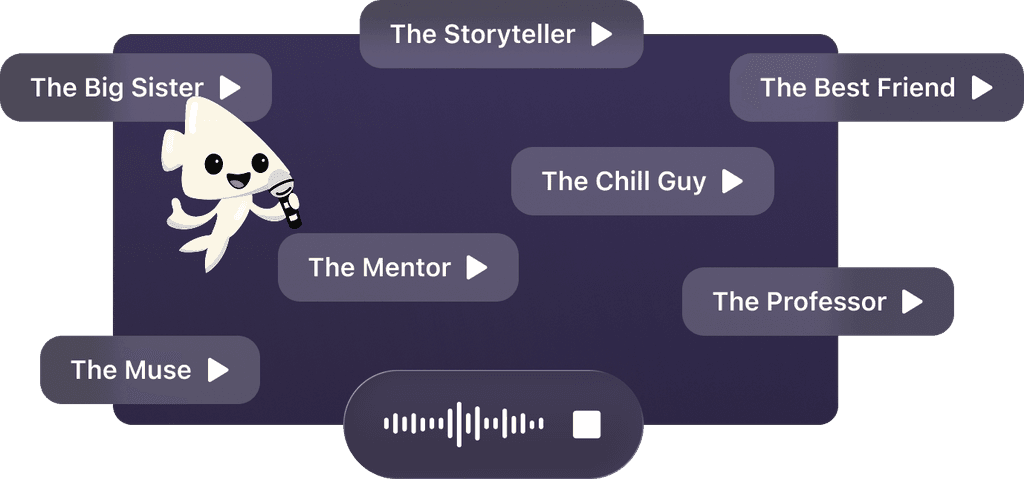
Siente el libro a través de la voz del autor
Convierte el conocimiento en ideas atractivas y llenas de ejemplos
Captura ideas clave en un instante para un aprendizaje rápido
Disfruta el libro de una manera divertida y atractiva
Personajes en Enchantment
- Guy KawasakiAuthor and former Apple evangelist
- Dominique-Charles JanssensPreservationist dedicated to Van Gogh's memory
- Terry GrossHost of NPR's Fresh Air known for competence
- Vincent van GoghArtist whose legacy inspired Janssens
Temas clave en Enchantment
- genuine influence
- building trustworthiness
- customer delight
- win-win mindset
- authentic connection
Citas de Enchantment
"jerks seldom enchant people."
"presence makes the heart grow fonder."
Building trust begins with trusting others first.
Transparency about your interests builds trust.
Explora Tu Forma de Aprender
 Modo Resumen Rápido
Lee o escucha el resumen de Enchantment en 9 minutos
Desglosa las ideas clave de Enchantment en puntos fáciles de entender para comprender cómo los equipos innovadores crean, colaboran y crecen.

 Modo Divertido
Lecciones de Enchantment Contadas en Historias de 23 Min
Experimenta Enchantment a través de narraciones vívidas que convierten las lecciones de innovación en momentos que recordarás y aplicarás.
 Modo Personalizar
Experimenta Enchantment con tu propio estilo de aprendizaje
Pregunta cualquier cosa, elige tu estilo de aprendizaje y co-crea ideas que realmente resuenen contigo.
Creado por exalumnos de la Universidad de Columbia en San Francisco
"Instead of endless scrolling, I just hit play on BeFreed. It saves me so much time."


"I never knew where to start with nonfiction—BeFreed’s book lists turned into podcasts gave me a clear path."


"Perfect balance between learning and entertainment. Finished ‘Thinking, Fast and Slow’ on my commute this week."
"Crazy how much I learned while walking the dog. BeFreed = small habits → big gains."
"Reading used to feel like a chore. Now it’s just part of my lifestyle."

"Feels effortless compared to reading. I’ve finished 6 books this month already."
"BeFreed turned my guilty doomscrolling into something that feels productive and inspiring."

"BeFreed turned my commute into learning time. 20-min podcasts are perfect for finishing books I never had time for."
"BeFreed replaced my podcast queue. Imagine Spotify for books — that’s it. 🙌"

"It is great for me to learn something from the book without reading it."
"The themed book list podcasts help me connect ideas across authors—like a guided audio journey."
"Makes me feel smarter every time before going to work"
Creado por exalumnos de la Universidad de Columbia en San Francisco
"Instead of endless scrolling, I just hit play on BeFreed. It saves me so much time."
"I never knew where to start with nonfiction—BeFreed’s book lists turned into podcasts gave me a clear path."
"Perfect balance between learning and entertainment. Finished ‘Thinking, Fast and Slow’ on my commute this week."
"Crazy how much I learned while walking the dog. BeFreed = small habits → big gains."
"Reading used to feel like a chore. Now it’s just part of my lifestyle."
"Feels effortless compared to reading. I’ve finished 6 books this month already."
"BeFreed turned my guilty doomscrolling into something that feels productive and inspiring."
"BeFreed turned my commute into learning time. 20-min podcasts are perfect for finishing books I never had time for."
"BeFreed replaced my podcast queue. Imagine Spotify for books — that’s it. 🙌"
"It is great for me to learn something from the book without reading it."
"The themed book list podcasts help me connect ideas across authors—like a guided audio journey."
"Makes me feel smarter every time before going to work"
"Instead of endless scrolling, I just hit play on BeFreed. It saves me so much time."
"I never knew where to start with nonfiction—BeFreed’s book lists turned into podcasts gave me a clear path."
"Perfect balance between learning and entertainment. Finished ‘Thinking, Fast and Slow’ on my commute this week."
"Crazy how much I learned while walking the dog. BeFreed = small habits → big gains."
"Reading used to feel like a chore. Now it’s just part of my lifestyle."
"Feels effortless compared to reading. I’ve finished 6 books this month already."
"BeFreed turned my guilty doomscrolling into something that feels productive and inspiring."
"BeFreed turned my commute into learning time. 20-min podcasts are perfect for finishing books I never had time for."
"BeFreed replaced my podcast queue. Imagine Spotify for books — that’s it. 🙌"
"It is great for me to learn something from the book without reading it."
"The themed book list podcasts help me connect ideas across authors—like a guided audio journey."
"Makes me feel smarter every time before going to work"
"Instead of endless scrolling, I just hit play on BeFreed. It saves me so much time."
"I never knew where to start with nonfiction—BeFreed’s book lists turned into podcasts gave me a clear path."
"Perfect balance between learning and entertainment. Finished ‘Thinking, Fast and Slow’ on my commute this week."
"Crazy how much I learned while walking the dog. BeFreed = small habits → big gains."
"Reading used to feel like a chore. Now it’s just part of my lifestyle."
"Feels effortless compared to reading. I’ve finished 6 books this month already."
"BeFreed turned my guilty doomscrolling into something that feels productive and inspiring."
"BeFreed turned my commute into learning time. 20-min podcasts are perfect for finishing books I never had time for."
"BeFreed replaced my podcast queue. Imagine Spotify for books — that’s it. 🙌"
"It is great for me to learn something from the book without reading it."
"The themed book list podcasts help me connect ideas across authors—like a guided audio journey."
"Makes me feel smarter every time before going to work"

Descargar resumen de Enchantment
Obtén el resumen de Enchantment como PDF o EPUB gratis. Imprímelo o léelo sin conexión en cualquier momento.


