

Overview of Woke, Inc.
Ramaswamy's New York Times bestseller exposes how corporations exploit social justice for profit. Endorsed by Yale's Amy Chua as "breakthrough brilliant," this provocative critique asks: What happens when stakeholder capitalism meets woke culture? The answer will change how you view corporate America forever.
- "Wokenomics" merges progressive ideals with capitalism for profit-driven social control.
- Stakeholder capitalism shifts corporate focus from shareholders to political agendas.
- Diversity mandates often prioritize reputation over genuine equity efforts.
- Corporate virtue signaling distracts from data exploitation and censorship practices.
- ESG investing advances ideological goals at shareholder expense.
- The "woke-industrial complex" trades social justice rhetoric for market dominance.
- Boycotts weaponize consumer movements to silence dissenting viewpoints.
- Corporate alliances with authoritarian regimes reveal profit-over-ethics priorities.
- Shareholder primacy prevents executive overreach into social engineering.
- Woke branding polarizes society while consolidating corporate political power.
- Authentic capitalism requires separating business operations from moral posturing.
- Cynical social justice marketing erodes public trust in institutions.
About the Author of Woke, Inc.
Vivek Ramaswamy, the author of Woke, Inc.: Inside Corporate America’s Social Justice Scam, is a bestselling author, biotechnology entrepreneur, and a prominent critic of what he terms “woke capitalism.”
Born in 1985 to Indian immigrants in Cincinnati, Ohio, Ramaswamy’s academic background includes a biology degree from Harvard University and a law degree from Yale Law School.
His book offers a detailed critique of corporate social responsibility initiatives. This analysis is informed by his experience as the founder of Roivant Sciences, a pharmaceutical company, and as the co-founder of Strive Asset Management, an investment firm established to challenge ESG (environmental, social, governance) principles.
As a 2024 Republican presidential candidate, Ramaswamy has gained significant media attention. His contrarian views on corporate overreach have established him as a polarizing figure within both political and business discussions. His arguments, which emphasize free-market principles and a skepticism toward profit-motivated activism, are reflective of his career that spans law, finance, and biotechnology.
Woke, Inc. has been extensively referenced in discussions about shareholder capitalism and continues to be an essential text for those critical of progressive corporate policies.
FAQs About Woke, Inc.
What is Woke, Inc. by Vivek Ramaswamy about?
Woke, Inc. critiques corporate America's exploitation of social justice causes for profit, arguing that "stakeholder capitalism" prioritizes branding over genuine progress. Ramaswamy exposes how companies weaponize identity politics to distract from unethical practices while undermining democratic values. The book concludes with a vision for depoliticized capitalism rooted in individual merit and national unity.
Who should read Woke, Inc. by Vivek Ramaswamy?
This book suits conservatives, libertarians, and business leaders skeptical of corporate activism, as well as readers interested in political economy. It appeals to those concerned about ideological divisions in America and seeking alternatives to identity-driven consumerism. Critics of ESG (Environmental, Social, Governance) policies will find its arguments particularly relevant.
Is Woke, Inc. worth reading?
Yes, as a New York Times bestseller, it offers a provocative, well-researched take on corporate wokeness, endorsed by figures like Glenn Greenwald and Nikki Haley. Ramaswamy’s blend of personal narrative and policy critique makes it accessible for both casual readers and policy enthusiasts.
What is stakeholder capitalism according to Woke, Inc.?
Ramaswamy defines stakeholder capitalism as a corporate strategy that replaces profit-driven goals with performative social activism. He argues companies like Apple and Nike use causes like climate change or racial justice to build brand loyalty while avoiding accountability for issues like labor practices or data privacy.
How does Woke, Inc. critique corporate activism?
The book claims corporations use social causes as marketing tools, selling "skin-deep identities" to profit from public idealism. For example, companies tout diversity initiatives while outsourcing labor to countries with human rights violations. Ramaswamy calls this a scam that erodes trust in democracy.
Who is Vivek Ramaswamy, the author of Woke, Inc.?
Ramaswamy is a biotech entrepreneur, hedge fund partner, and 2024 presidential candidate. A Harvard-trained scientist and Yale-educated lawyer, he critiques elite institutions despite his Ivy League background. His immigrant upbringing and corporate experience inform his anti-woke stance.
What does Woke, Inc. say about American identity?
Ramaswamy argues corporate wokeness replaces shared national identity with divisive demographic labels. He advocates restoring meritocracy and free speech as unifying principles, urging Americans to reject victimhood narratives sold by corporations and political elites.
What are the criticisms of Woke, Inc.?
Progressives argue Ramaswamy oversimplifies systemic inequities and dismisses legitimate social justice efforts. Libertarians praise his free-market defense but question his stance on tech regulation. Others critique his conflation of corporate PR with grassroots activism.
How does Woke, Inc. compare to Milton Friedman’s Capitalism and Freedom?
Both books oppose mixing business with social agendas, but Ramaswamy adds a modern critique of identity politics. While Friedman focused on economic freedom, Woke, Inc. highlights cultural consequences of corporations replacing civic institutions.
What quotes define Woke, Inc.'s message?
Key quotes include:
- “They sell us cheap social causes to satisfy our hunger for meaning.”
- “Woke capitalism is a scam that preys on insecurity.”
- “True progress starts with rejecting victimhood.”
These lines encapsulate his critique of performative activism.
Why is Woke, Inc. relevant in 2025?
With ongoing debates over ESG policies and AI ethics, the book’s warnings about corporate overreach remain timely. Ramaswamy’s presidential campaign and tech regulation proposals have renewed interest in balancing profit motives with democratic values.
What lessons can readers take from Woke, Inc.?
- Scrutinize corporate social initiatives for hidden profit motives.
- Prioritize individual merit over identity-based categorization.
- Advocate for transparency in corporate-political partnerships.
These takeaways aim to empower readers to resist manipulative branding.
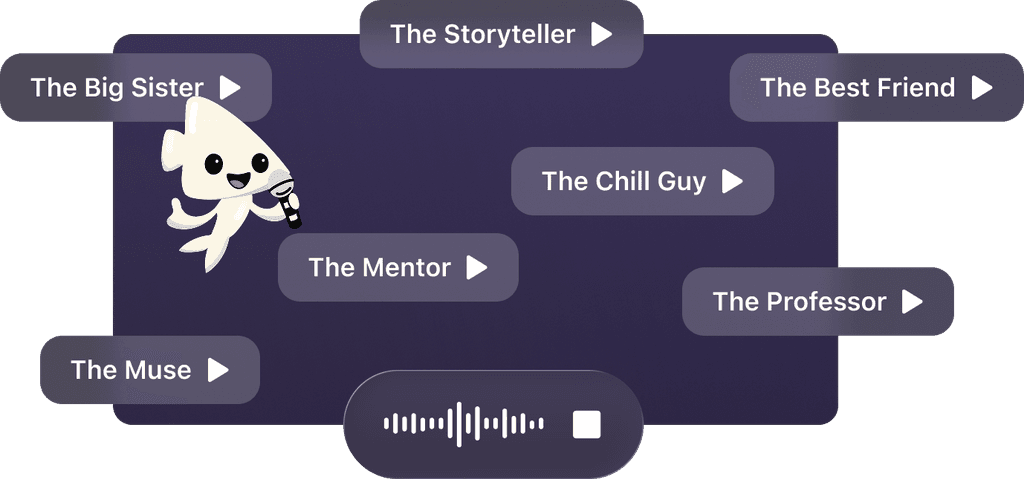
Feel the book through the author's voice
Capture key ideas in a flash for fast learning
Characters in Woke, Inc.
- Vivek RamaswamyAuthor, biotech entrepreneur, and former CEO
- James DamoreGoogle engineer fired for a memo on gender
Key Themes in Woke, Inc.
- stakeholder capitalism
- corporate virtue signaling
- ideological workplace discrimination
- woke-industrial complex
- shareholder primacy
Quotes from Woke, Inc.
Woke capitalism robs us of our money, our voice, and our identity.
The modern woke-industrial complex is a machinery that divides us.
Stakeholder capitalism delivers nothing but empty rhetoric.
Corporations claim to value diversity, yet they silence voices.
We must stand against the division and the cheap social causes.
Explore Your Way of Learning
 Quick Summary Mode
Read or listen to Woke, Inc. Summary in 6 Minutes
Break down key ideas from Woke, Inc. into bite-sized takeaways to understand how innovative teams create, collaborate, and grow.

 Personalize Mode
Experience Woke, Inc. in your own learning style
Ask anything, choose your learning style, and co-create insights that truly resonate with you.
From Columbia University alumni built in San Francisco
"Instead of endless scrolling, I just hit play on BeFreed. It saves me so much time."


"I never knew where to start with nonfiction—BeFreed’s book lists turned into podcasts gave me a clear path."


"Perfect balance between learning and entertainment. Finished ‘Thinking, Fast and Slow’ on my commute this week."
"Crazy how much I learned while walking the dog. BeFreed = small habits → big gains."
"Reading used to feel like a chore. Now it’s just part of my lifestyle."

"Feels effortless compared to reading. I’ve finished 6 books this month already."
"BeFreed turned my guilty doomscrolling into something that feels productive and inspiring."

"BeFreed turned my commute into learning time. 20-min podcasts are perfect for finishing books I never had time for."
"BeFreed replaced my podcast queue. Imagine Spotify for books — that’s it. 🙌"

"It is great for me to learn something from the book without reading it."
"The themed book list podcasts help me connect ideas across authors—like a guided audio journey."
"Makes me feel smarter every time before going to work"
From Columbia University alumni built in San Francisco
"Instead of endless scrolling, I just hit play on BeFreed. It saves me so much time."
"I never knew where to start with nonfiction—BeFreed’s book lists turned into podcasts gave me a clear path."
"Perfect balance between learning and entertainment. Finished ‘Thinking, Fast and Slow’ on my commute this week."
"Crazy how much I learned while walking the dog. BeFreed = small habits → big gains."
"Reading used to feel like a chore. Now it’s just part of my lifestyle."
"Feels effortless compared to reading. I’ve finished 6 books this month already."
"BeFreed turned my guilty doomscrolling into something that feels productive and inspiring."
"BeFreed turned my commute into learning time. 20-min podcasts are perfect for finishing books I never had time for."
"BeFreed replaced my podcast queue. Imagine Spotify for books — that’s it. 🙌"
"It is great for me to learn something from the book without reading it."
"The themed book list podcasts help me connect ideas across authors—like a guided audio journey."
"Makes me feel smarter every time before going to work"
"Instead of endless scrolling, I just hit play on BeFreed. It saves me so much time."
"I never knew where to start with nonfiction—BeFreed’s book lists turned into podcasts gave me a clear path."
"Perfect balance between learning and entertainment. Finished ‘Thinking, Fast and Slow’ on my commute this week."
"Crazy how much I learned while walking the dog. BeFreed = small habits → big gains."
"Reading used to feel like a chore. Now it’s just part of my lifestyle."
"Feels effortless compared to reading. I’ve finished 6 books this month already."
"BeFreed turned my guilty doomscrolling into something that feels productive and inspiring."
"BeFreed turned my commute into learning time. 20-min podcasts are perfect for finishing books I never had time for."
"BeFreed replaced my podcast queue. Imagine Spotify for books — that’s it. 🙌"
"It is great for me to learn something from the book without reading it."
"The themed book list podcasts help me connect ideas across authors—like a guided audio journey."
"Makes me feel smarter every time before going to work"
"Instead of endless scrolling, I just hit play on BeFreed. It saves me so much time."
"I never knew where to start with nonfiction—BeFreed’s book lists turned into podcasts gave me a clear path."
"Perfect balance between learning and entertainment. Finished ‘Thinking, Fast and Slow’ on my commute this week."
"Crazy how much I learned while walking the dog. BeFreed = small habits → big gains."
"Reading used to feel like a chore. Now it’s just part of my lifestyle."
"Feels effortless compared to reading. I’ve finished 6 books this month already."
"BeFreed turned my guilty doomscrolling into something that feels productive and inspiring."
"BeFreed turned my commute into learning time. 20-min podcasts are perfect for finishing books I never had time for."
"BeFreed replaced my podcast queue. Imagine Spotify for books — that’s it. 🙌"
"It is great for me to learn something from the book without reading it."
"The themed book list podcasts help me connect ideas across authors—like a guided audio journey."
"Makes me feel smarter every time before going to work"

Download Summary of Woke, Inc.
Get the Woke, Inc. summary as a free PDF or EPUB. Print it or read offline anytime.


