Overview of Broken (in the Best Possible Way)
Jenny Lawson's bestseller transforms mental health struggles into darkly hilarious wisdom. Sarah Knight calls it "a party for socially-anxious introverts," while Luvvie Ajayi praises its "vulnerability" as "a gift to anyone who has ever felt too different." Ever wondered if brokenness can be beautiful?
- Embrace "Furiously Happy" moments to transform mental health struggles into resilience
- Dark humor disarms stigma around chronic illness and treatment-resistant depression
- "Editing is hell" chapter reveals how chaotic creativity births authentic storytelling
- Mental health progress means celebrating small victories over invisible monsters
- Absurdist analogies (like labia shadow puppets) normalize taboo health discussions
- Collect bizarre coping mechanisms like Hunter S. Thompson meets Mary Karr
- Surviving Satanic lizard hauntings proves trauma can be funny years later
- Medical bankruptcy humor highlights America's healthcare failures without bitterness
- "I Feel It in My Bones" redefines chronic pain validation
- Therapist-approved taxidermy hobbies show unconventional paths to emotional stability
- Medication roulette diaries expose brutal realities of finding working cocktails
- Viral post follow-ups prove internet communities heal through shared madness
About the Author of Broken (in the Best Possible Way)
Jenny Lawson, the #1 New York Times bestselling author of Broken (in the Best Possible Way), is an award-winning humorist and mental health advocate renowned for blending irreverent comedy with raw vulnerability. A Texas native and founder of the popular blog The Bloggess, Lawson’s memoirs—including Let’s Pretend This Never Happened and Furiously Happy—explore themes of depression, anxiety, and resilience through absurdist, laugh-out-loud storytelling. Her work resonates with readers navigating similar struggles, amplified by her candid essays and viral social media presence.
Lawson’s 2021 memoir Broken debuted at #3 on the New York Times bestseller list and won the Goodreads Choice Award for Best Humor Book, cementing her status as a voice for neurodivergent communities. She also authored the bestselling coloring book YOU ARE HERE and owns Nowhere Bookshop, a San Antonio indie bookstore recognized for its innovative pairing of literature and craft cocktails. A frequent speaker on mental health and creativity, Lawson’s Audie Award-winning audiobook narration and Forbes-listed platform continue to redefine humor writing as a tool for connection and healing.
FAQs About Broken (in the Best Possible Way)
What is Broken (in the Best Possible Way) by Jenny Lawson about?
Broken (in the Best Possible Way) is a darkly humorous memoir exploring Jenny Lawson’s lifelong struggles with depression, anxiety, and chronic illness, while celebrating resilience through absurdity. It blends candid essays about mental health treatments, awkward social interactions, and quirky coping mechanisms (like collecting taxidermied raccoons) with laugh-out-loud anecdotes about everyday chaos.
Who should read Broken (in the Best Possible Way)?
This book resonates with readers navigating mental health challenges, fans of irreverent humor, and anyone seeking validation for life’s messy moments. Lawson’s raw honesty and absurdist perspective appeal to those who appreciate authors like David Sedaris or Allie Brosh.
Is Broken (in the Best Possible Way) worth reading?
Yes—it won Goodreads’ 2021 Best Humor Book award for its unique blend of hilarity and heartbreak. Lawson’s ability to reframe pain through comedy offers both comfort and laughter, though its stream-of-consciousness style may polarize readers preferring linear narratives.
What are the main themes in Broken (in the Best Possible Way)?
Key themes include:
- Mental health advocacy: Candid discussions of TMS therapy, medication trials, and misunderstood illnesses.
- Embracing imperfection: Finding joy in chaos, like bonding with friends over bizarre medical mishaps.
- The power of absurdity: Using humor to deflect despair, exemplified by Lawson’s fictional IRS negotiations with a vampire duck.
How does Broken compare to Jenny Lawson’s other books?
While Let’s Pretend This Never Happened focused on eccentric childhood stories and Furiously Happy tackled mental health more directly, Broken delves deeper into medical struggles with a sharper, more vulnerable tone. All three share her signature absurdist humor, but Broken features experimental formats like handwritten journal excerpts.
What are the most memorable quotes from Broken?
Notable lines include:
- “Depression is almost like a vampire that pretends to be your friend while it drains you.”
- “We’re all a little broken, but we’re still good people. Or at least okay people who sometimes feed ducks.”
These quotes encapsulate Lawson’s ability to mix metaphorical depth with offbeat humor.
How does Jenny Lawson address mental health stigma in Broken?
Lawson normalizes discussing “taboo” topics like suicidal ideation and medication side effects by framing them through absurd analogies (e.g., comparing depression to a malfunctioning robot). Her frankness helps destigmatize seeking therapy and celebrates small victories, like leaving the house despite anxiety.
What criticism has Broken (in the Best Possible Way) received?
Some critics find the nonlinear structure disjointed, and Lawson’s hyperbolic humor occasionally overshadows heavier themes. However, most praise its originality, with The Washington Post calling it “a lifeline for those who laugh to keep from crying.”
How does Broken reflect Jenny Lawson’s writing style?
The book showcases Lawson’s trademark stream-of-consciousness storytelling, blending witty tangents (like debating sentient coffee machines) with poignant introspection. Her conversational tone mimics a late-night chat with a brutally honest friend.
Why is Broken relevant to readers in 2025?
As mental health discourse evolves, Lawson’s dark humor remains a therapeutic tool for processing collective trauma. The book’s themes of resilience and finding community in shared struggles resonate amid modern challenges like AI-driven isolation and climate anxiety.
What role does humor play in Broken?
Humor acts as both a shield and a bridge—Lawson uses absurdity to diffuse pain (e.g., imagining her anxiety as a melodramatic soap opera) while creating solidarity with readers who feel misunderstood. It’s a survival tactic woven into every chapter.
How does Broken handle serious topics without feeling overwhelming?
Lawson balances heavy themes with whimsical distractions, like interspersing essays about suicidal thoughts with chapters about befriending a skeptical cat. This tonal shifts mirror real-life coping mechanisms, making the content digestible.
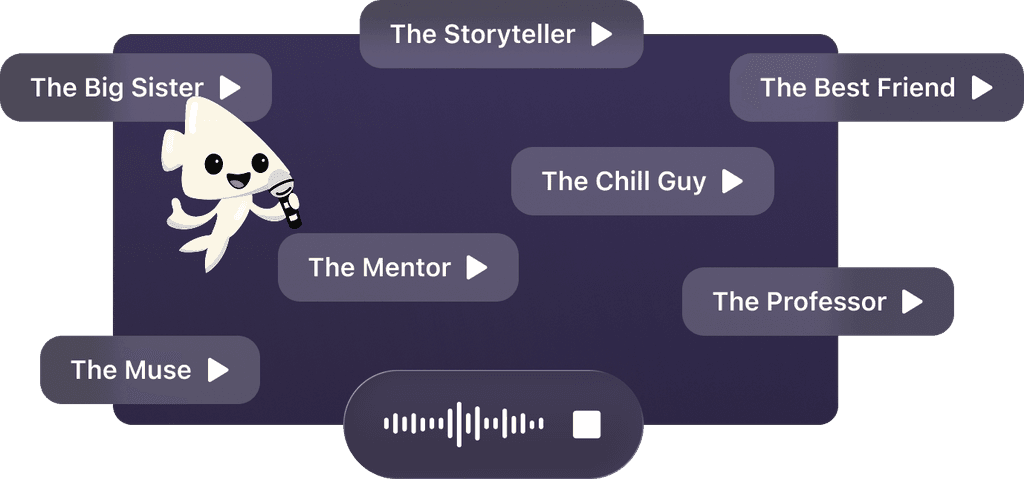
Feel the book through the author's voice
Turn knowledge into engaging, example-rich insights
Capture key ideas in a flash for fast learning
Enjoy the book in a fun and engaging way
Characters in Broken (in the Best Possible Way)
- Jenny LawsonThe author, a blogger known as 'The Bloggess'
- VictorJenny's husband of twenty years
- Jenny's grandmotherA family member living with dementia
Key Themes in Broken (in the Best Possible Way)
- absurdist humor
- chronic illness management
- memory loss coping
- radical vulnerability
- social anxiety struggles
Quotes from Broken (in the Best Possible Way)
Life with Jenny Lawson is a glorious catastrophe.
I realized my brokenness had placed me exactly where I needed to be.
Our broken parts sometimes give us unique perspectives that 'normal' people miss.
Perception feels like reality when you're in it-like how nightmares seem real until you wake up.
Depression twists logic until the irrational seems real.
Explore Your Way of Learning
 Quick Summary Mode
Read or listen to Broken (in the Best Possible Way) Summary in 8 Minutes
Break down key ideas from Broken (in the Best Possible Way) into bite-sized takeaways to understand how innovative teams create, collaborate, and grow.

 Fun Mode
Broken (in the Best Possible Way) Lessons Told Through 23-Min Stories
Experience Broken (in the Best Possible Way) through vivid storytelling that turns innovation lessons into moments you'll remember and apply.
 Personalize Mode
Experience Broken (in the Best Possible Way) in your own learning style
Ask anything, choose your learning style, and co-create insights that truly resonate with you.
From Columbia University alumni built in San Francisco
"Instead of endless scrolling, I just hit play on BeFreed. It saves me so much time."


"I never knew where to start with nonfiction—BeFreed’s book lists turned into podcasts gave me a clear path."


"Perfect balance between learning and entertainment. Finished ‘Thinking, Fast and Slow’ on my commute this week."
"Crazy how much I learned while walking the dog. BeFreed = small habits → big gains."
"Reading used to feel like a chore. Now it’s just part of my lifestyle."

"Feels effortless compared to reading. I’ve finished 6 books this month already."
"BeFreed turned my guilty doomscrolling into something that feels productive and inspiring."

"BeFreed turned my commute into learning time. 20-min podcasts are perfect for finishing books I never had time for."
"BeFreed replaced my podcast queue. Imagine Spotify for books — that’s it. 🙌"

"It is great for me to learn something from the book without reading it."
"The themed book list podcasts help me connect ideas across authors—like a guided audio journey."
"Makes me feel smarter every time before going to work"
From Columbia University alumni built in San Francisco
"Instead of endless scrolling, I just hit play on BeFreed. It saves me so much time."
"I never knew where to start with nonfiction—BeFreed’s book lists turned into podcasts gave me a clear path."
"Perfect balance between learning and entertainment. Finished ‘Thinking, Fast and Slow’ on my commute this week."
"Crazy how much I learned while walking the dog. BeFreed = small habits → big gains."
"Reading used to feel like a chore. Now it’s just part of my lifestyle."
"Feels effortless compared to reading. I’ve finished 6 books this month already."
"BeFreed turned my guilty doomscrolling into something that feels productive and inspiring."
"BeFreed turned my commute into learning time. 20-min podcasts are perfect for finishing books I never had time for."
"BeFreed replaced my podcast queue. Imagine Spotify for books — that’s it. 🙌"
"It is great for me to learn something from the book without reading it."
"The themed book list podcasts help me connect ideas across authors—like a guided audio journey."
"Makes me feel smarter every time before going to work"
"Instead of endless scrolling, I just hit play on BeFreed. It saves me so much time."
"I never knew where to start with nonfiction—BeFreed’s book lists turned into podcasts gave me a clear path."
"Perfect balance between learning and entertainment. Finished ‘Thinking, Fast and Slow’ on my commute this week."
"Crazy how much I learned while walking the dog. BeFreed = small habits → big gains."
"Reading used to feel like a chore. Now it’s just part of my lifestyle."
"Feels effortless compared to reading. I’ve finished 6 books this month already."
"BeFreed turned my guilty doomscrolling into something that feels productive and inspiring."
"BeFreed turned my commute into learning time. 20-min podcasts are perfect for finishing books I never had time for."
"BeFreed replaced my podcast queue. Imagine Spotify for books — that’s it. 🙌"
"It is great for me to learn something from the book without reading it."
"The themed book list podcasts help me connect ideas across authors—like a guided audio journey."
"Makes me feel smarter every time before going to work"
"Instead of endless scrolling, I just hit play on BeFreed. It saves me so much time."
"I never knew where to start with nonfiction—BeFreed’s book lists turned into podcasts gave me a clear path."
"Perfect balance between learning and entertainment. Finished ‘Thinking, Fast and Slow’ on my commute this week."
"Crazy how much I learned while walking the dog. BeFreed = small habits → big gains."
"Reading used to feel like a chore. Now it’s just part of my lifestyle."
"Feels effortless compared to reading. I’ve finished 6 books this month already."
"BeFreed turned my guilty doomscrolling into something that feels productive and inspiring."
"BeFreed turned my commute into learning time. 20-min podcasts are perfect for finishing books I never had time for."
"BeFreed replaced my podcast queue. Imagine Spotify for books — that’s it. 🙌"
"It is great for me to learn something from the book without reading it."
"The themed book list podcasts help me connect ideas across authors—like a guided audio journey."
"Makes me feel smarter every time before going to work"

Download Summary of Broken (in the Best Possible Way)
Get the Broken (in the Best Possible Way) summary as a free PDF or EPUB. Print it or read offline anytime.