Can We Talk?: Seven Principles for Managing Difficult Conversations at Work by Roberta Chinsky Matuson Summary

Overview of Can We Talk?
"Can We Talk?" unveils seven essential principles for navigating workplace's toughest conversations. Independent Press Award winner that transforms how leaders communicate. Marshall Goldsmith calls it "solid insights and practical advice" - because the courage to speak up might just save your career.
- Roberta Matuson’s seven C’s transform difficult workplace dialogues into growth opportunities.
- Confidence and clarity are foundational for initiating high-stakes conversations without avoidance.
- Shift from blame to solution-focused dialogue using actionable conflict resolution scripts.
- Prepare for tough talks by defining outcomes and framing points positively.
- Curiosity and compassion dismantle defensiveness to uncover shared understanding in conflicts.
- Nonverbal cues like eye contact and posture reinforce credibility during negotiations.
- Replace assumptions with open-ended questions to bridge communication gaps effectively.
- Build trust through compromise without sacrificing core objectives or boundaries.
- Master “changing the conversation” techniques to redirect unproductive exchanges collaboratively.
- Courageous honesty fosters accountability while preserving professional relationships long-term.
- Identify five early warning signs of communication breakdowns before escalation.
- Actionable scripts turn tense feedback sessions into trust-building growth moments.
About the Author of Can We Talk?
Roberta Chinsky Matuson, author of Can We Talk?, is a globally recognized leadership consultant and workplace communication expert. As president of Matuson Consulting, she has advised major corporations like General Motors, Microsoft, and Staples on talent management and organizational growth.
Her expertise in fostering effective workplace dialogue stems from decades of experience helping leaders navigate complex professional dynamics. Matuson’s other acclaimed books, including Talent Magnetism and The Magnetic Leader, further explore strategies for attracting top talent and sustaining high-performance teams.
A sought-after commentator, she contributes regularly to Fast Company, Forbes, and Glassdoor, and her insights have been featured in The New York Times, The Wall Street Journal, and NPR.
Known for blending practical frameworks with real-world applications, Matuson’s methodologies are implemented by Fortune 500 companies and emerging businesses alike. Her work has been instrumental in reshaping corporate communication practices, with Can We Talk? becoming a go-to resource for managers seeking to master conflict resolution and feedback delivery.
FAQs About Can We Talk?
What is Can We Talk? by Roberta Chinsky Matuson about?
Can We Talk? provides a framework for managing difficult workplace conversations through seven principles: confidence, clarity, compassion, curiosity, compromise, credibility, and courage. It offers actionable strategies to transform exchanges into productive dialogue, emphasizing empathy, active listening, and mutual understanding. The book includes real-world scenarios, scripts, and lessons from failed conversations to help readers navigate conflicts and foster collaboration.
Who should read Can We Talk??
Executives, team leaders, and employees seeking to improve workplace communication will benefit most. It’s ideal for those navigating tough discussions with colleagues, supervisors, or direct reports. The book also supports organizations aiming to build a culture of open dialogue and trust.
What are the seven principles of effective communication in Can We Talk??
Roberta Matuson’s seven principles are:
- Confidence: Approach conversations with self-assurance.
- Clarity: Articulate ideas plainly.
- Compassion: Prioritize empathy.
- Curiosity: Ask questions to understand others.
- Compromise: Seek mutually beneficial outcomes.
- Credibility: Build trust through consistency.
- Courage: Address uncomfortable topics directly. These principles guide readers to resolve conflicts and strengthen relationships.
How does Can We Talk? address nonverbal communication?
The book highlights nonverbal cues—body language, tone, and eye contact—as critical to conveying intent. It advises aligning verbal and nonverbal signals to avoid misinterpretation and provides strategies to read others’ cues effectively. For example, leaning in shows engagement, while crossed arms may signal defensiveness.
What frameworks does Can We Talk? offer for tough conversations?
Matuson introduces the Four Levels of Communication:
- Data: Factual exchange.
- Meaning: Shared understanding.
- Connection: Emotional engagement.
- Inspiration: Visionary dialogue. Moving beyond superficial levels helps build deeper workplace relationships. The book also provides checklists to prepare for and structure difficult discussions.
Does Can We Talk? include real-world examples?
Yes. It features scenarios like addressing poor performance, negotiating promotions, and managing interteam conflicts. For instance, a manager learns to frame feedback constructively using the “Compassion-Clarity” method, balancing honesty with empathy.
How does Can We Talk? help leaders retain talent?
By teaching leaders to create psychologically safe environments, the book reduces turnover. For example, it advises using “curiosity” to uncover employee concerns and “compromise” to align goals. Saxbys’ CEO credits the strategies for aligning their “Communicate Openly” core value.
What are common criticisms of Can We Talk??
Some reviewers note the principles are broadly applicable but lack industry-specific adaptations. Others suggest adding more case studies on remote-team communication. However, the actionable scripts and focus on mutual engagement are widely praised.
How does Matuson’s approach differ from other communication guides?
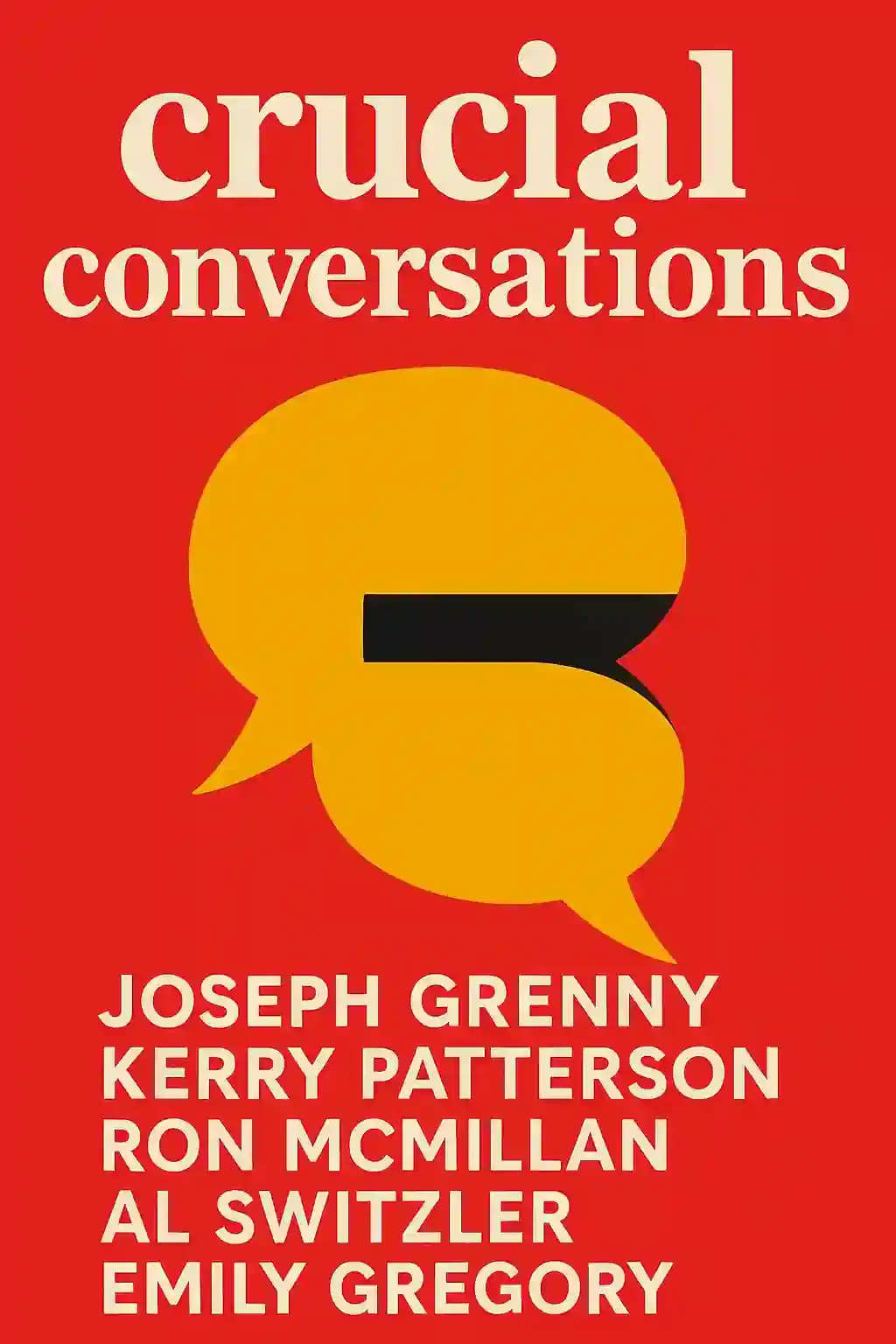
Unlike prescriptive methods, Can We Talk? emphasizes collaborative dialogue, requiring participation from both parties. It avoids one-size-fits-all solutions, instead tailoring strategies to individual dynamics. This contrasts with books like Crucial Conversations, which focus more on technique than relational depth.
Can the principles in Can We Talk? apply outside the workplace?
Yes. Techniques like active listening, empathy, and clarity enhance personal relationships. For example, using “curiosity” to ask open-ended questions helps resolve family disputes. The book’s focus on mutual understanding transcends professional contexts.
What endorsements does Can We Talk? have?
Leaders like Dr. Bev Kaye (author of Love ’Em or Lose ’Em) and Dorie Clark (Duke University) praise its practicality. Nick Bayer, Saxbys CEO, credits it for aligning communication with company values. The book also won the 2022 Independent Press Award for Career.
Is Can We Talk? worth reading?
For anyone struggling with workplace conflicts, it’s a valuable resource. Its structured frameworks, real-world examples, and focus on reciprocity make it a standout guide. Readers gain tools to transform adversarial interactions into opportunities for growth.
Feel the book through the author's voice
Turn knowledge into engaging, example-rich insights
Capture key ideas in a flash for fast learning
Enjoy the book in a fun and engaging way
Key Themes in Can We Talk?
Quotes from Can We Talk?
Difficult conversations remain an unavoidable reality.
Without knowing your destination, you'll never arrive.
Success is determined before they begin.
Characters in Can We Talk?
Quick Summary Mode - Read or listen to Can We Talk? Summary in 9 Minutes

Break down key ideas from Can We Talk? into bite-sized takeaways to understand how innovative teams create, collaborate, and grow.

Flash Card Mode - Top 9 Insights from Can We Talk? in a Nutshell

Distill Can We Talk? into rapid-fire memory cues that highlight key principles of candor, teamwork, and creative resilience.

Fun Mode - Can We Talk? Lessons Told Through 23-Min Stories

Experience Can We Talk? through vivid storytelling that turns innovation lessons into moments you'll remember and apply.
Personalize Mode - Read or listen to Can We Talk? Summary in 0 Minutes

Ask anything, pick the voice, and co-create insights that truly resonate with you.

From Columbia University alumni built in San Francisco
"Instead of endless scrolling, I just hit play on BeFreed. It saves me so much time."


"I never knew where to start with nonfiction—BeFreed’s book lists turned into podcasts gave me a clear path."


"Perfect balance between learning and entertainment. Finished ‘Thinking, Fast and Slow’ on my commute this week."
"Crazy how much I learned while walking the dog. BeFreed = small habits → big gains."
"Reading used to feel like a chore. Now it’s just part of my lifestyle."

"Feels effortless compared to reading. I’ve finished 6 books this month already."
"BeFreed turned my guilty doomscrolling into something that feels productive and inspiring."

"BeFreed turned my commute into learning time. 20-min podcasts are perfect for finishing books I never had time for."
"BeFreed replaced my podcast queue. Imagine Spotify for books — that’s it. 🙌"

"It is great for me to learn something from the book without reading it."
"The themed book list podcasts help me connect ideas across authors—like a guided audio journey."
"Makes me feel smarter every time before going to work"
From Columbia University alumni built in San Francisco
"Instead of endless scrolling, I just hit play on BeFreed. It saves me so much time."
"I never knew where to start with nonfiction—BeFreed’s book lists turned into podcasts gave me a clear path."
"Perfect balance between learning and entertainment. Finished ‘Thinking, Fast and Slow’ on my commute this week."
"Crazy how much I learned while walking the dog. BeFreed = small habits → big gains."
"Reading used to feel like a chore. Now it’s just part of my lifestyle."
"Feels effortless compared to reading. I’ve finished 6 books this month already."
"BeFreed turned my guilty doomscrolling into something that feels productive and inspiring."
"BeFreed turned my commute into learning time. 20-min podcasts are perfect for finishing books I never had time for."
"BeFreed replaced my podcast queue. Imagine Spotify for books — that’s it. 🙌"
"It is great for me to learn something from the book without reading it."
"The themed book list podcasts help me connect ideas across authors—like a guided audio journey."
"Makes me feel smarter every time before going to work"
"Instead of endless scrolling, I just hit play on BeFreed. It saves me so much time."
"I never knew where to start with nonfiction—BeFreed’s book lists turned into podcasts gave me a clear path."
"Perfect balance between learning and entertainment. Finished ‘Thinking, Fast and Slow’ on my commute this week."
"Crazy how much I learned while walking the dog. BeFreed = small habits → big gains."
"Reading used to feel like a chore. Now it’s just part of my lifestyle."
"Feels effortless compared to reading. I’ve finished 6 books this month already."
"BeFreed turned my guilty doomscrolling into something that feels productive and inspiring."
"BeFreed turned my commute into learning time. 20-min podcasts are perfect for finishing books I never had time for."
"BeFreed replaced my podcast queue. Imagine Spotify for books — that’s it. 🙌"
"It is great for me to learn something from the book without reading it."
"The themed book list podcasts help me connect ideas across authors—like a guided audio journey."
"Makes me feel smarter every time before going to work"
"Instead of endless scrolling, I just hit play on BeFreed. It saves me so much time."
"I never knew where to start with nonfiction—BeFreed’s book lists turned into podcasts gave me a clear path."
"Perfect balance between learning and entertainment. Finished ‘Thinking, Fast and Slow’ on my commute this week."
"Crazy how much I learned while walking the dog. BeFreed = small habits → big gains."
"Reading used to feel like a chore. Now it’s just part of my lifestyle."
"Feels effortless compared to reading. I’ve finished 6 books this month already."
"BeFreed turned my guilty doomscrolling into something that feels productive and inspiring."
"BeFreed turned my commute into learning time. 20-min podcasts are perfect for finishing books I never had time for."
"BeFreed replaced my podcast queue. Imagine Spotify for books — that’s it. 🙌"
"It is great for me to learn something from the book without reading it."
"The themed book list podcasts help me connect ideas across authors—like a guided audio journey."
"Makes me feel smarter every time before going to work"

Get the Can We Talk? summary as a free PDF or EPUB. Print it or read offline anytime.