An Ugly Truth: Inside Facebook's Battle for Domination

Overview of An Ugly Truth
Pulitzer-worthy journalists expose Facebook's dark underbelly, where growth trumps ethics. This New York Times bestseller - hailed by Fortune, WIRED, and The Times as a "Book of the Year" - reveals how Zuckerberg's empire sparked election interference and fueled genocide while harvesting your data.
- Facebook’s growth-at-all-costs ethos prioritized engagement over user safety and democracy.
- Zuckerberg’s unchecked power allowed privacy breaches and global misinformation to thrive.
- Sheryl Sandberg’s feminist persona clashed with her defense of Facebook’s ethical failures.
- Surveillance capitalism drove Facebook’s profits through mass data harvesting and targeted ads.
- The Myanmar genocide exposed Facebook’s inability to police hate speech globally.
- Cambridge Analytica scandal revealed systemic weaknesses in user data protection policies.
- Facebook’s “neutral platform” claim masked selective censorship and political manipulation.
- Internal loyalty to Zuckerberg stifled ethical concerns about disinformation and violence.
- Russian election interference exploited Facebook’s reluctance to fact-check political ads.
- Frenkel and Kang document Facebook’s repeated choice of profit over moral responsibility.
- Zuckerberg’s isolation and hubris prevented meaningful reform despite escalating crises.
- An Ugly Truth proves Facebook’s scandals were inevitable outcomes of its design.
About the Author of An Ugly Truth
Sheera Frenkel and Cecilia Kang, award-winning New York Times reporters and investigative journalists, co-authored the New York Times bestseller An Ugly Truth: Inside Facebook’s Battle for Domination, a landmark exposé on Facebook’s systemic failures to address privacy breaches, misinformation, and democratic destabilization.
Frenkel, a cybersecurity specialist, and Kang, a veteran tech policy reporter, draw on decades of experience covering Silicon Valley’s rise to dissect Facebook’s leadership culture and its global societal impact. Their reporting—cited in congressional hearings and academic curricula—reveals how Mark Zuckerberg and Sheryl Sandberg prioritized growth over ethical accountability.
Both authors have broken major stories on Facebook’s role in elections, hate speech, and data exploitation, cementing their reputations as authoritative voices on tech’s intersection with democracy. Frenkel’s frontline coverage of extremism online and Kang’s policy analysis for the Times inform the book’s incisive critique of corporate power. An Ugly Truth became an instant bestseller, recommended by educators and policymakers, and is widely taught in courses on media ethics and technology governance.
FAQs About An Ugly Truth
What is An Ugly Truth by Sheera Frenkel about?
An Ugly Truth: Inside Facebook’s Battle for Domination exposes Facebook’s systemic failures in managing misinformation, privacy breaches, and ethical dilemmas under Mark Zuckerberg and Sheryl Sandberg. Investigative journalists Sheera Frenkel and Cecilia Kang reveal the company’s prioritization of growth over user safety, covering scandals like the 2016 election interference and Cambridge Analytica. The book blends insider accounts with analysis of Facebook’s impact on democracy.
Who should read An Ugly Truth?
This book is essential for tech professionals, policymakers, and readers interested in social media’s societal impact. It offers critical insights for journalists, students of tech ethics, and anyone concerned about data privacy and misinformation. Frenkel’s reporting background and access to Facebook insiders make it a vital resource for understanding modern tech governance challenges.
Is An Ugly Truth worth reading?
Yes—An Ugly Truth is a rigorously researched exposé cited for its depth and relevance. It provides a balanced yet damning critique of Facebook’s leadership, making it a cornerstone for debates on tech accountability. Its narrative style appeals to both general audiences and experts, earning recognition as a definitive account of the platform’s controversies.
What are the main themes in An Ugly Truth?
Key themes include Facebook’s growth-at-all-costs mentality, the tension between profit and ethical responsibility, and the platform’s role in amplifying extremism. The authors dissect Zuckerberg’s centralized control and Sandberg’s crisis management strategies, highlighting systemic issues like algorithmic bias and weak content moderation.
How does An Ugly Truth explain Facebook’s handling of misinformation?
The book details Facebook’s reluctance to curb viral falsehoods, fearing backlash from conservative users and politicians. Case studies show how algorithms prioritized engagement over accuracy, enabling conspiracy theories like QAnon. Frenkel and Kang argue this approach exacerbated polarization and undermined democratic processes globally.
What critiques does An Ugly Truth level against Mark Zuckerberg and Sheryl Sandberg?
Zuckerberg is portrayed as ideologically rigid, often dismissing internal warnings about platform harms. Sandberg’s PR-focused strategies, such as rebranding crises as “mistakes,” prioritized reputation over reform. The authors criticize their lack of transparency and accountability in addressing hate speech and data misuse.
How does Sheera Frenkel’s background shape An Ugly Truth?
Frenkel’s experience covering Middle Eastern authoritarian regimes and cybersecurity informs her analysis of Facebook’s power dynamics. Her fluency in tracking online extremism and familiarity with Meta’s operational secrecy enhance the book’s investigative depth, particularly in exposing global content moderation flaws.
What real-world impacts does An Ugly Truth attribute to Facebook’s policies?
The book links Facebook’s decisions to real-world violence, including the Capitol riot and ethnic violence in Myanmar. It illustrates how delayed responses to hate speech and inadequate moderation tools allowed harmful content to proliferate, despite internal employee protests.
How does An Ugly Truth compare to other tech industry exposés?
Unlike narrower accounts, Frenkel and Kang’s work spans Facebook’s entire ecosystem, from leadership psychology to algorithmic design. It complements books like The Social Dilemma by emphasizing structural failures over individual anecdotes, offering a comprehensive critique of Silicon Valley’s unchecked influence.
Why is An Ugly Truth relevant in 2025?
The book remains pertinent amid ongoing debates about AI-driven misinformation, deepfakes, and regulatory efforts. Its insights into Meta’s struggle to balance ethics with profitability underscore persistent challenges in governing decentralized digital platforms.
What key takeaways does An Ugly Truth offer for policymakers?
Policymakers should prioritize transparency mandates, algorithmic accountability, and antitrust measures. The book advocates for frameworks that hold tech giants liable for systemic harms, rather than relying on self-regulation. It also underscores the need for global cooperation in content moderation standards.
How does An Ugly Truth address Facebook’s internal culture?
Frenkel and Kang describe a culture of secrecy and defensiveness, where dissenting employees faced marginalization. The book reveals internal memos showing leadership’s focus on metrics like daily active users, often at the expense of addressing toxic content or user safety concerns.
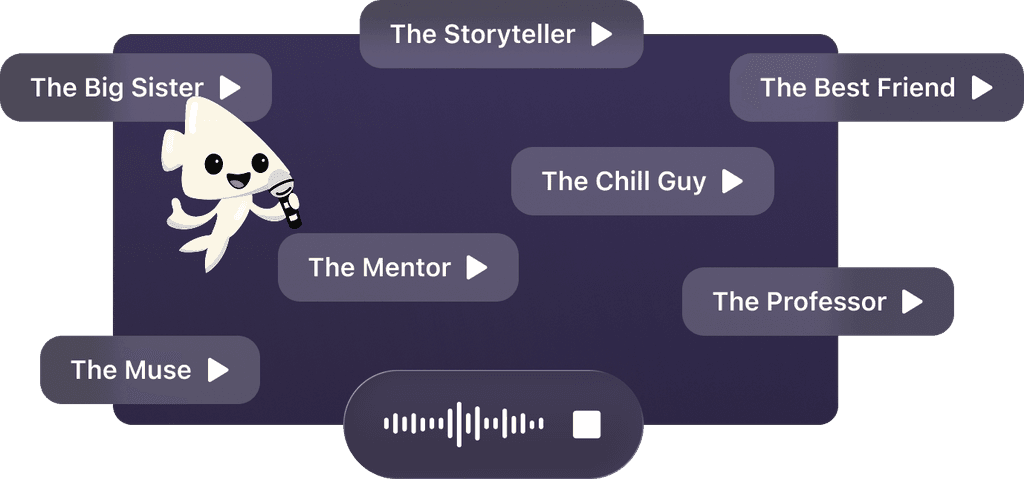
Feel the book through the author's voice
Turn knowledge into engaging, example-rich insights
Capture key ideas in a flash for fast learning
Enjoy the book in a fun and engaging way
Characters in An Ugly Truth
- Donald GrahamWashington Post chairman and early mentor
- Jeff ChesterPrivacy advocate monitoring data practices
- Sheera FrenkelCo-author and investigative journalist
Key Themes in An Ugly Truth
- data privacy scandals
- surveillance capitalism
- growth at all costs
- algorithmic manipulation
- corporate accountability
Quotes from An Ugly Truth
Collecting open-ended data would be more valuable.
Grow first, profit later.
Radical transparency.
Users trust me, dumb fucks.
A Mozart of human relations.
Explore Your Way of Learning
 Quick Summary Mode
Read or listen to An Ugly Truth Summary in 9 Minutes
Break down key ideas from An Ugly Truth into bite-sized takeaways to understand how innovative teams create, collaborate, and grow.

 Fun Mode
An Ugly Truth Lessons Told Through 21-Min Stories
Experience An Ugly Truth through vivid storytelling that turns innovation lessons into moments you'll remember and apply.
 Personalize Mode
Experience An Ugly Truth in your own learning style
Ask anything, choose your learning style, and co-create insights that truly resonate with you.
From Columbia University alumni built in San Francisco
"Instead of endless scrolling, I just hit play on BeFreed. It saves me so much time."


"I never knew where to start with nonfiction—BeFreed’s book lists turned into podcasts gave me a clear path."


"Perfect balance between learning and entertainment. Finished ‘Thinking, Fast and Slow’ on my commute this week."
"Crazy how much I learned while walking the dog. BeFreed = small habits → big gains."
"Reading used to feel like a chore. Now it’s just part of my lifestyle."

"Feels effortless compared to reading. I’ve finished 6 books this month already."
"BeFreed turned my guilty doomscrolling into something that feels productive and inspiring."

"BeFreed turned my commute into learning time. 20-min podcasts are perfect for finishing books I never had time for."
"BeFreed replaced my podcast queue. Imagine Spotify for books — that’s it. 🙌"

"It is great for me to learn something from the book without reading it."
"The themed book list podcasts help me connect ideas across authors—like a guided audio journey."
"Makes me feel smarter every time before going to work"
From Columbia University alumni built in San Francisco
"Instead of endless scrolling, I just hit play on BeFreed. It saves me so much time."
"I never knew where to start with nonfiction—BeFreed’s book lists turned into podcasts gave me a clear path."
"Perfect balance between learning and entertainment. Finished ‘Thinking, Fast and Slow’ on my commute this week."
"Crazy how much I learned while walking the dog. BeFreed = small habits → big gains."
"Reading used to feel like a chore. Now it’s just part of my lifestyle."
"Feels effortless compared to reading. I’ve finished 6 books this month already."
"BeFreed turned my guilty doomscrolling into something that feels productive and inspiring."
"BeFreed turned my commute into learning time. 20-min podcasts are perfect for finishing books I never had time for."
"BeFreed replaced my podcast queue. Imagine Spotify for books — that’s it. 🙌"
"It is great for me to learn something from the book without reading it."
"The themed book list podcasts help me connect ideas across authors—like a guided audio journey."
"Makes me feel smarter every time before going to work"
"Instead of endless scrolling, I just hit play on BeFreed. It saves me so much time."
"I never knew where to start with nonfiction—BeFreed’s book lists turned into podcasts gave me a clear path."
"Perfect balance between learning and entertainment. Finished ‘Thinking, Fast and Slow’ on my commute this week."
"Crazy how much I learned while walking the dog. BeFreed = small habits → big gains."
"Reading used to feel like a chore. Now it’s just part of my lifestyle."
"Feels effortless compared to reading. I’ve finished 6 books this month already."
"BeFreed turned my guilty doomscrolling into something that feels productive and inspiring."
"BeFreed turned my commute into learning time. 20-min podcasts are perfect for finishing books I never had time for."
"BeFreed replaced my podcast queue. Imagine Spotify for books — that’s it. 🙌"
"It is great for me to learn something from the book without reading it."
"The themed book list podcasts help me connect ideas across authors—like a guided audio journey."
"Makes me feel smarter every time before going to work"
"Instead of endless scrolling, I just hit play on BeFreed. It saves me so much time."
"I never knew where to start with nonfiction—BeFreed’s book lists turned into podcasts gave me a clear path."
"Perfect balance between learning and entertainment. Finished ‘Thinking, Fast and Slow’ on my commute this week."
"Crazy how much I learned while walking the dog. BeFreed = small habits → big gains."
"Reading used to feel like a chore. Now it’s just part of my lifestyle."
"Feels effortless compared to reading. I’ve finished 6 books this month already."
"BeFreed turned my guilty doomscrolling into something that feels productive and inspiring."
"BeFreed turned my commute into learning time. 20-min podcasts are perfect for finishing books I never had time for."
"BeFreed replaced my podcast queue. Imagine Spotify for books — that’s it. 🙌"
"It is great for me to learn something from the book without reading it."
"The themed book list podcasts help me connect ideas across authors—like a guided audio journey."
"Makes me feel smarter every time before going to work"

Download Summary of An Ugly Truth
Get the An Ugly Truth summary as a free PDF or EPUB. Print it or read offline anytime.