

Overview of Leonardo da Vinci
Isaacson reveals how da Vinci's insatiable curiosity united art and science, creating masterpieces like the Mona Lisa. Bill Gates praised it as "exceptional" for showing why Leonardo's passionate observation and imaginative thinking still inspire our approach to innovation today.
- Prioritize empirical observation over inherited knowledge to uncover nature’s hidden patterns.
- Embrace sfumato thinking by blending disciplines to dissolve artificial boundaries.
- Let curiosity, not deadlines, guide lifelong learning and unfinished experimentation.
- Study details first—whether water eddies or facial muscles—to grasp systemic truths.
- Channel imperfection into strength: abandoned projects inspired future aviation and anatomy.
- Map connections between microcosms (human veins) and macrocosms (river networks).
- Master the art of productive procrastination for relentless refinement.
- Combine gritty dissection labs with ethereal angel paintings for Renaissance innovation.
- Design cities as living organisms with circulatory systems and waste management.
- Replace academic dogma with notebook-driven hypotheses tested through glass heart models.
- Balance obsessive geometry with wild theatrical fantasies to solve engineering puzzles.
- Let mortality fuel creativity: anatomical sketches honored life’s fleeting beauty.
About the Author of Leonardo da Vinci
Walter Isaacson, the bestselling author of Leonardo da Vinci, is a renowned biographer celebrated for profiling history’s most influential innovators and thinkers.
A Harvard graduate and Rhodes Scholar, Isaacson’s career spans journalism as former CEO of CNN and editor of Time, alongside leadership roles at the Aspen Institute.
His biographies, including Steve Jobs, Einstein: His Life and Universe, and Benjamin Franklin: An American Life, dissect the interplay of creativity, science, and ambition, cementing his reputation for illuminating the minds of multidisciplinary geniuses. In Leonardo da Vinci, Isaacson explores the Renaissance polymath’s fusion of art and science, drawing on his trademark approach of combining meticulous research with narrative depth.
A Tulane University professor and New Orleans native, Isaacson’s works, such as The Code Breaker and The Innovators, have become New York Times bestsellers, translated globally. Leonardo da Vinci topped bestseller lists and remains a seminal exploration of curiosity-driven genius.
FAQs About Leonardo da Vinci
What is Leonardo da Vinci by Walter Isaacson about?
Leonardo da Vinci explores the Renaissance polymath’s life through his notebooks, art, and scientific inquiries. Walter Isaacson highlights Leonardo’s interdisciplinary genius, emphasizing his empirical approach to understanding nature, artistic innovation (like sfumato), and themes of interconnectedness between art, science, and engineering. The book humanizes Leonardo, detailing his procrastination, curiosity, and relentless experimentation.
Who should read Leonardo da Vinci by Walter Isaacson?
Art enthusiasts, history buffs, and professionals in creative or technical fields will gain insights from this biography. It appeals to readers interested in Renaissance history, innovation strategies, and the intersection of art/science. Isaacson’s accessible narrative also suits those seeking inspiration from Leonardo’s problem-solving methods and curiosity-driven mindset.
Is Leonardo da Vinci by Walter Isaacson worth reading?
Yes. Critics praise Isaacson’s vivid storytelling and meticulous research, calling it “totally enthralling” and “masterful”. While some note repetitive sections and speculative analysis, the book offers a compelling portrait of Leonardo’s genius, blending art history, scientific inquiry, and practical lessons for modern readers.
What are the 7 Da Vincian principles discussed in the book?
Though Isaacson focuses on Leonardo’s life, Micheal Gelb’s Think Like Da Vinci outlines 7 principles linked to his methods:
- Curiosità (relentless curiosity)
- Dimostrazione (learning through experience)
- Sensazione (sharpening senses)
- Sfumato (embracing ambiguity)
- Arte/Scienza (balancing logic/creativity)
- Corporalita (mind-body balance)
- Connessione (interconnected thinking)
How does the book explain Leonardo’s sfumato technique?
Sfumato refers to Leonardo’s smoky, blurred edges in paintings (e.g., Mona Lisa), symbolizing his comfort with ambiguity. Isaacson ties this to his scientific mindset—observing nature’s complexity without forcing rigid conclusions. The technique mirrors his approach to unresolved questions in anatomy, optics, and engineering.
What does connessione mean in Leonardo’s work?
Connessione (interconnectedness) reflects Leonardo’s belief that all fields—art, science, nature—are linked. Isaacson highlights his analogies between human anatomy (e.g., blood circulation) and urban planning, as well as his use of metaphors to solve problems across disciplines.
How does Isaacson portray Leonardo’s scientific method?
Isaacson emphasizes Leonardo’s empirical approach: testing hypotheses through observation, experimentation, and detailed documentation. His studies of water flow, light, and anatomy foreshadowed the scientific method, blending creativity with systematic analysis.
What are the main criticisms of Leonardo da Vinci?
Some reviewers note speculative leaps in interpreting Leonardo’s motives and repetitive anecdotes. A Wall Street Journal critique calls sections “cobbled together,” though most praise Isaacson’s engaging synthesis of art and science history.
How does this biography compare to other Leonardo books?
Unlike narrow-focused studies, Isaacson’s book integrates art, science, and personal flaws (e.g., procrastination). It avoids idolization, offering a relatable portrait contrasted with drier academic biographies. Gelb’s Think Like Da Vinci complements it with actionable self-improvement frameworks.
What iconic quotes from Leonardo are featured?
Key quotes include:
- “Learning never exhausts the mind.”
- “Simplicity is the ultimate sophistication.”
- “Art is the queen of all sciences.”
Isaacson contextualizes these as reflections of Leonardo’s interdisciplinary passion and observational rigor.
How does the book address Leonardo’s unfinished projects?
Isaacson frames Leonardo’s procrastination and unfinished works (e.g., The Adoration of the Magi) as byproducts of his curiosity. His relentless pursuit of perfection and diversion into tangential studies often stalled completion, yet fueled his innovative legacy.
Why is Leonardo da Vinci relevant to modern readers?
The book underscores timeless lessons: embracing curiosity, interconnecting disciplines, and balancing logic/creativity. In 2025, its themes resonate with AI development, design thinking, and adapting to ambiguity—making Leonardo’s Renaissance insights strikingly contemporary.
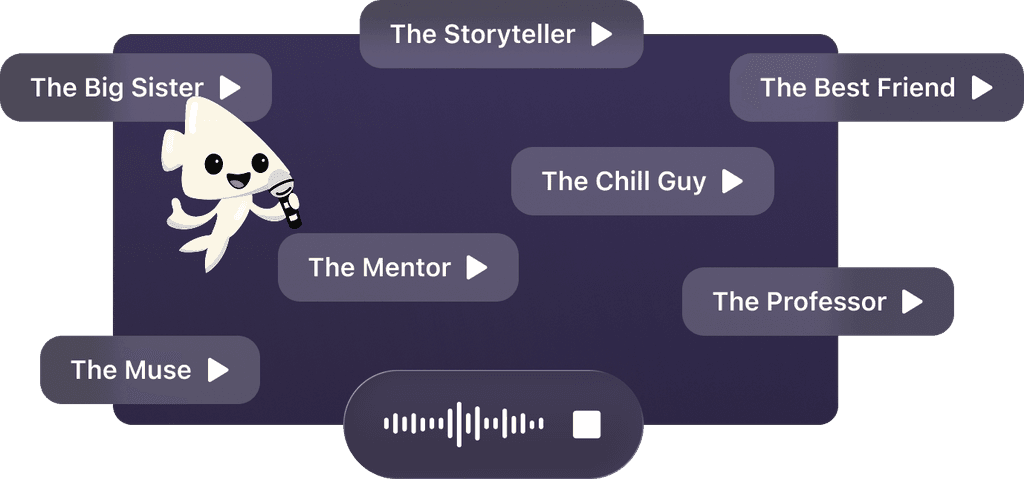
Feel the book through the author's voice
Turn knowledge into engaging, example-rich insights
Capture key ideas in a flash for fast learning
Enjoy the book in a fun and engaging way
Characters in Leonardo da Vinci
- Leonardo da VinciRenaissance polymath and subject of the biography
- Walter IsaacsonAuthor of the biography
- Andrea del VerrocchioFlorence artist-engineer and Leonardo's mentor
- Ginevra de' BenciSubject of Leonardo's first major portrait
Key Themes in Leonardo da Vinci
- cross-disciplinary thinking
- empirical observation
- artistic innovation
- scientific curiosity
- renaissance humanism
Quotes from Leonardo da Vinci
He was history’s most creative genius.
His ability to unite art and science, fueled by an insatiable curiosity, remains the ultimate recipe for innovation.
He peeled the skin off cadavers, sketched the muscles and nerves, and then drew the skeleton attaching to them.
Likewise in painting, I can do everything possible.
My intention is to consult experience first...
Explore Your Way of Learning
 Quick Summary Mode
Read or listen to Leonardo da Vinci Summary in 9 Minutes
Break down key ideas from Leonardo da Vinci into bite-sized takeaways to understand how innovative teams create, collaborate, and grow.

 Fun Mode
Leonardo da Vinci Lessons Told Through 20-Min Stories
Experience Leonardo da Vinci through vivid storytelling that turns innovation lessons into moments you'll remember and apply.
 Personalize Mode
Experience Leonardo da Vinci in your own learning style
Ask anything, choose your learning style, and co-create insights that truly resonate with you.
From Columbia University alumni built in San Francisco
"Instead of endless scrolling, I just hit play on BeFreed. It saves me so much time."


"I never knew where to start with nonfiction—BeFreed’s book lists turned into podcasts gave me a clear path."


"Perfect balance between learning and entertainment. Finished ‘Thinking, Fast and Slow’ on my commute this week."
"Crazy how much I learned while walking the dog. BeFreed = small habits → big gains."
"Reading used to feel like a chore. Now it’s just part of my lifestyle."

"Feels effortless compared to reading. I’ve finished 6 books this month already."
"BeFreed turned my guilty doomscrolling into something that feels productive and inspiring."

"BeFreed turned my commute into learning time. 20-min podcasts are perfect for finishing books I never had time for."
"BeFreed replaced my podcast queue. Imagine Spotify for books — that’s it. 🙌"

"It is great for me to learn something from the book without reading it."
"The themed book list podcasts help me connect ideas across authors—like a guided audio journey."
"Makes me feel smarter every time before going to work"
From Columbia University alumni built in San Francisco
"Instead of endless scrolling, I just hit play on BeFreed. It saves me so much time."
"I never knew where to start with nonfiction—BeFreed’s book lists turned into podcasts gave me a clear path."
"Perfect balance between learning and entertainment. Finished ‘Thinking, Fast and Slow’ on my commute this week."
"Crazy how much I learned while walking the dog. BeFreed = small habits → big gains."
"Reading used to feel like a chore. Now it’s just part of my lifestyle."
"Feels effortless compared to reading. I’ve finished 6 books this month already."
"BeFreed turned my guilty doomscrolling into something that feels productive and inspiring."
"BeFreed turned my commute into learning time. 20-min podcasts are perfect for finishing books I never had time for."
"BeFreed replaced my podcast queue. Imagine Spotify for books — that’s it. 🙌"
"It is great for me to learn something from the book without reading it."
"The themed book list podcasts help me connect ideas across authors—like a guided audio journey."
"Makes me feel smarter every time before going to work"
"Instead of endless scrolling, I just hit play on BeFreed. It saves me so much time."
"I never knew where to start with nonfiction—BeFreed’s book lists turned into podcasts gave me a clear path."
"Perfect balance between learning and entertainment. Finished ‘Thinking, Fast and Slow’ on my commute this week."
"Crazy how much I learned while walking the dog. BeFreed = small habits → big gains."
"Reading used to feel like a chore. Now it’s just part of my lifestyle."
"Feels effortless compared to reading. I’ve finished 6 books this month already."
"BeFreed turned my guilty doomscrolling into something that feels productive and inspiring."
"BeFreed turned my commute into learning time. 20-min podcasts are perfect for finishing books I never had time for."
"BeFreed replaced my podcast queue. Imagine Spotify for books — that’s it. 🙌"
"It is great for me to learn something from the book without reading it."
"The themed book list podcasts help me connect ideas across authors—like a guided audio journey."
"Makes me feel smarter every time before going to work"
"Instead of endless scrolling, I just hit play on BeFreed. It saves me so much time."
"I never knew where to start with nonfiction—BeFreed’s book lists turned into podcasts gave me a clear path."
"Perfect balance between learning and entertainment. Finished ‘Thinking, Fast and Slow’ on my commute this week."
"Crazy how much I learned while walking the dog. BeFreed = small habits → big gains."
"Reading used to feel like a chore. Now it’s just part of my lifestyle."
"Feels effortless compared to reading. I’ve finished 6 books this month already."
"BeFreed turned my guilty doomscrolling into something that feels productive and inspiring."
"BeFreed turned my commute into learning time. 20-min podcasts are perfect for finishing books I never had time for."
"BeFreed replaced my podcast queue. Imagine Spotify for books — that’s it. 🙌"
"It is great for me to learn something from the book without reading it."
"The themed book list podcasts help me connect ideas across authors—like a guided audio journey."
"Makes me feel smarter every time before going to work"

Download Summary of Leonardo da Vinci
Get the Leonardo da Vinci summary as a free PDF or EPUB. Print it or read offline anytime.


