Walk My Beat with Me
Overview of Walk My Beat with Me
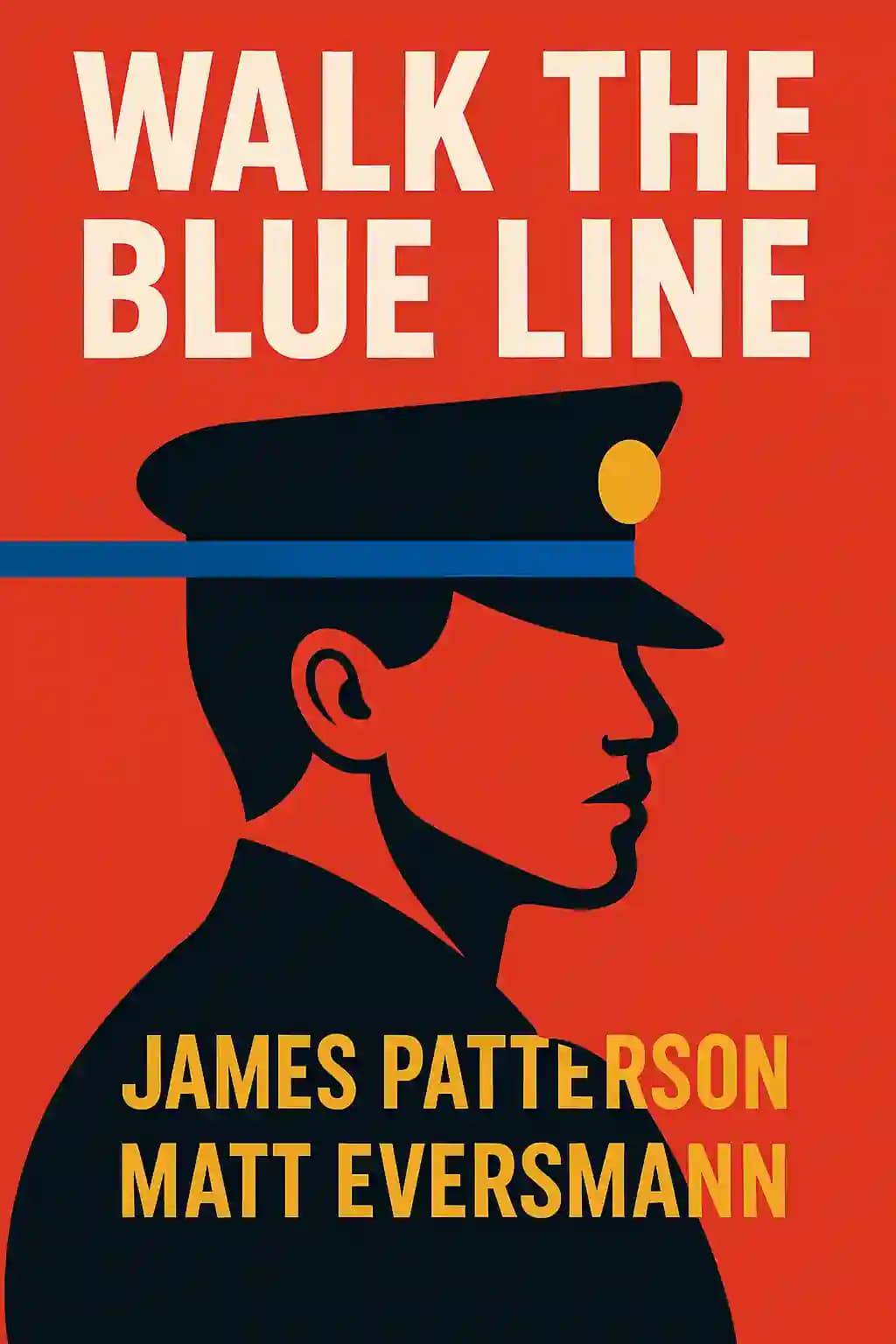
In "Walk the Blue Line," Patterson and Eversmann reveal law enforcement's untold stories - raw, gritty truths endorsed by police leadership nationwide. Beyond headlines, these accounts of trauma and triumph offer rare glimpses into officers' souls, making civilian readers finally understand what it means to protect and serve.

Key Themes in Walk My Beat with Me
- police officer perspectives
- split-second decision making
- law enforcement trauma
- occupational mental health
- tactical law enforcement
Quotes from Walk My Beat with Me
There's no such thing as a routine call.
Asking for help makes you stronger, not weaker.
Being mentally fit is just as important as being physically fit in this job.
Sometimes your best isn't enough.
Never letting experience make you cynical.
Characters in Walk My Beat with Me
- James PattersonCo-author and narrator of officer accounts
- Jock CondonFormer Scottish officer and Afghanistan veteran
- Tara DaweMember of the Manhattan Warrant Squad
- Tim O'BrienFormer mortgage professional turned police officer
About the Author
About the Author of Walk My Beat with Me
James Patterson, the #1 bestselling author of Walk the Blue Line, and Matt Eversmann, a retired U.S. Army First Sergeant and Black Hawk Down veteran, combine their expertise in storytelling and military insight to chronicle the gripping realities of law enforcement. Patterson is renowned for his Alex Cross and Women’s Murder Club series.
Patterson has coauthored works with figures like Bill Clinton and Dolly Parton, earning accolades such as the Edgar Award and the National Humanities Medal. Eversmann, whose career spanned two decades in elite military units, brings firsthand knowledge of courage and service.
Together, their collaborations—including Walk in My Combat Boots and American Heroes—amplify true stories of resilience, empathy, and justice. Walk the Blue Line delves into the raw, unfiltered experiences of police officers, reflecting Patterson’s signature immersive style and Eversmann’s battlefield-tested perspective.
Patterson’s philanthropic efforts, including donating millions of books to schools and scholarships for teachers, underscore his commitment to literacy. The duo’s previous works have been embraced by readers and institutions alike, solidifying their authority in narratives of real-world heroism.
Download Summary of Walk My Beat with Me
Get the Walk My Beat with Me summary as a free PDF or EPUB. Print it or read offline anytime.
FAQs About This Book
Walk the Blue Line is a candid anthology of real-life stories from U.S. law enforcement officers, including police, federal agents, and sheriff’s deputies. Co-authored by James Patterson and Matt Eversmann, it offers raw, first-person accounts of policing—capturing humor, terror, heartbreak, and resilience—while avoiding political bias. Readers experience patrol shifts, high-stakes crises, and daily challenges through the eyes of those who “walk the line between life and death.”
This book is ideal for readers interested in unfiltered perspectives on policing, fans of true crime, or anyone exploring careers in law enforcement. Its episodic structure appeals to those seeking gripping, real-world narratives without fictional dramatization. Critics note it humanizes officers while balancing critiques of systemic issues, making it valuable for both pro-law enforcement audiences and those skeptical of institutional practices.
Yes—the book’s authenticity and diversity of voices set it apart. Officers recount harrowing rescues, darkly humorous mishaps, and moments of profound humanity, offering a nuanced look at policing absent from media stereotypes. Patterson’s editorial approach prioritizes storytelling over agenda, creating a mosaic of experiences that’s both educational and emotionally resonant.
James Patterson—bestselling author of the Alex Cross series and Guinness World Record holder for most NYT bestsellers—teamed with Matt Eversmann, a U.S. Army veteran and co-author of nonfiction works. Patterson’s shift to true stories pairs with Eversmann’s military-narrative expertise, resulting in a collaborative oral history.
- Moral complexity: Officers grapple with split-second decisions in life-or-death scenarios.
- Humanization: Stories highlight officers’ vulnerabilities, humor, and emotional toll.
- Systemic critiques: Some accounts address racial tensions, bureaucracy, and mental health gaps in policing.
Deputy “Jake” remarks, “You don’t get to choose your calls—they choose you,” encapsulating policing’s unpredictability. Another officer reflects, “The job changes you, but it doesn’t have to break you,” underscoring resilience amid trauma. These insights reveal the psychological weight of law enforcement.
Like Wambaugh’s Police Story, this anthology prioritizes officer voices, but with a modern focus on post-2020 policing challenges. While Wambaugh fictionalized experiences, Patterson and Eversmann compile firsthand accounts, blending procedural detail with emotional immediacy.
Some argue the anthology leans “pro-cop” by emphasizing individual heroism over systemic issues. However, it avoids outright propaganda, balancing stories of misconduct with tales of community trust-building. Critics praise its refusal to oversimplify policing’s moral gray areas.
The book humanizes officers amid debates over defunding and reform, spotlighting underreported challenges like mental health crises and resource shortages. Its stories provide context for discussions on officer training, community relations, and accountability.
Unlike Patterson’s Alex Cross thrillers, this nonfiction work avoids plot twists or villains, focusing instead on gritty realism. The collaborative oral-history format marks a departure from his typical solo-authored novels, offering journalistic depth over escapism.
Yes—it provides unvarnished insights into the job’s emotional and physical demands. Stories of mentorship, burnout, and ethical dilemmas prepare recruits for realities rarely covered in training manuals, making it a practical primer for aspiring officers.
Unlike solo memoirs, this anthology aggregates diverse voices—female deputies, federal agents, and rural officers—to depict policing’s vast scope. Its “ride-along” narrative style immerses readers in varied scenarios, from domestic disputes to counterterrorism operations.