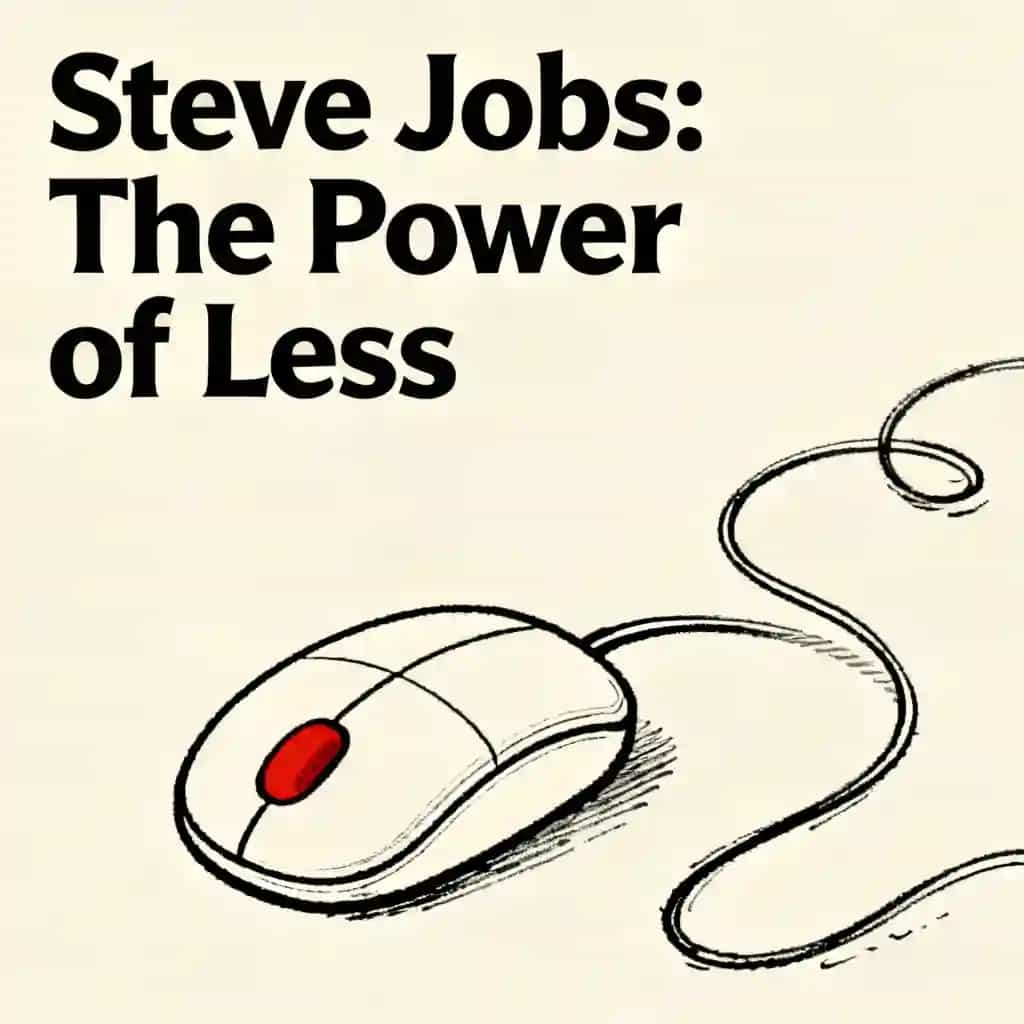
Overview of Steve Jobs
Dive into the authorized biography that captivated Aaron Sorkin and inspired his film adaptation. Based on 40+ exclusive interviews with Jobs himself, Isaacson reveals the complex genius whose "reality distortion field" revolutionized technology while alienating those closest to him.
- Merge technology with humanities to create emotionally resonant products
- Prioritize simplicity in design over feature overload for mass appeal
- Embrace career setbacks as opportunities for reinvention and growth
- Lead markets through visionary intuition rather than consumer feedback
- Surround yourself with top-tier talent across disciplines to drive innovation
- Accept perfectionism as essential for groundbreaking product development
- View product failures as stepping stones to revolutionary breakthroughs
- Focus intensely on a few transformative products rather than diversifying
- Build the future through bold vision instead of chasing existing trends
- Let design dictate engineering to achieve seamless user experiences
- Combine art and science to make technology feel deeply personal
- Cannibalize your own products proactively to stay ahead of disruption
About the Author of Steve Jobs
Walter Isaacson is the bestselling author of Steve Jobs, the definitive biography of the Apple co-founder, and a renowned chronicler of genius and innovation. A former editor of Time magazine, CEO of CNN, and president of the Aspen Institute, Isaacson combines decades of journalistic rigor with a historian’s eye for transformative figures.
His acclaimed biographies—including Einstein: His Life and Universe, Benjamin Franklin: An American Life, and Leonardo da Vinci—explore the intersection of creativity, technology, and human ambition, cementing his reputation as a master storyteller of visionary lives.
A Harvard graduate and Rhodes Scholar, Isaacson serves as a professor of history at Tulane University. His works have been translated into over 35 languages, with Steve Jobs selling more than three million copies worldwide.
His later book, The Code Breaker, profiling Nobel Prize-winning scientist Jennifer Doudna, further solidifies his focus on pioneers shaping humanity’s future. Recognized for weaving meticulous research with narrative depth, Isaacson’s biographies remain essential reading for understanding the minds that redefine possibility.
FAQs About Steve Jobs
What is Steve Jobs by Walter Isaacson about?
Steve Jobs by Walter Isaacson is the definitive biography of Apple’s cofounder, chronicling his relentless drive to merge technology with artistry. Based on over 40 interviews with Jobs and 100+ colleagues, it explores how he revolutionized six industries—computers, phones, music, animation, tablets, and publishing—while revealing his perfectionism, volatile leadership, and vision for integrated design. The book delves into his triumphs, flaws, and lasting impact on modern innovation.
Who should read Steve Jobs by Walter Isaacson?
This book is ideal for entrepreneurs, tech enthusiasts, and leaders seeking insights into innovation and leadership. It appeals to Apple fans interested in the company’s history, designers studying Jobs’ “whole widget” philosophy, and readers drawn to complex biographies that balance professional genius with personal flaws.
Is Steve Jobs by Walter Isaacson worth reading?
Yes—it’s a raw, unflinching portrait of a visionary, offering unparalleled access to Jobs’ mindset. The book balances his groundbreaking innovations (like the iPhone and App Store) with critiques of his harsh management style, providing lessons on design, entrepreneurship, and sustaining creativity in corporate environments.
What are the main themes in Steve Jobs by Walter Isaacson?
Key themes include:
- Innovation through collaboration: Jobs believed breakthroughs happen at the intersection of technology and liberal arts.
- Perfectionism: His obsession with intuitive, end-to-end design shaped Apple’s products.
- Leadership contradictions: His demanding nature drove success but strained relationships.
- Legacy: How Jobs built a company whose “DNA of innovation” outlasted him.
How does Steve Jobs by Walter Isaacson explain Jobs’ design philosophy?
Jobs insisted on “whole widgets”—seamlessly integrating hardware and software for user-friendly excellence. Examples include the iMac’s colorful casing (prioritizing aesthetics) and the App Store’s curated ecosystem (balancing developer creativity with quality control). He famously told Google’s Larry Page: “Focus on great products, not sales teams, to avoid stagnation”.
What are some key quotes from Steve Jobs by Walter Isaacson?
- On innovation: “The best way to create value in the 21st century is to connect creativity with technology”.
- On design: “We made the buttons on the screen look so good you’ll want to lick them”.
- On legacy: “I want to put a dent in the universe”.
How does Steve Jobs by Walter Isaacson compare to other biographies?
Unlike sanitized accounts, Isaacson’s authorized biography embraces complexity, detailing Jobs’ brilliance alongside his manipulative tendencies. It stands out for its depth (drawn from years of interviews) and scope, covering his firing from Apple, Pixar’s rise, and his final products like the iPad.
What are the criticisms of Steve Jobs by Walter Isaacson?
Some critics argue the book overly focuses on Jobs’ temperament at the expense of technical details about Apple’s products. Others note its length (672 pages) might overwhelm casual readers, though it remains the most cited source on Jobs’ life.
How can Steve Jobs by Walter Isaacson help entrepreneurs?
It offers lessons on:
- Prioritizing design: User experience trumps profit.
- Sustaining innovation: Avoid complacency by empowering creatives over sales teams.
- Building legacy: Create systems that outlive individual leaders, as seen in Apple’s post-Jobs success.
Why is Steve Jobs by Walter Isaacson still relevant in 2025?
Jobs’ principles—like integrating hardware/software and betting on “futuristic” tech (e.g., tablets)—still shape Apple’s strategy. His warnings about corporate stagnation resonate in today’s fast-paced tech landscape, where companies like Google and Meta face similar challenges.
What does Steve Jobs by Walter Isaacson reveal about Apple’s culture?
Jobs instilled a “startup mentality” even as Apple grew, emphasizing small, collaborative teams. He rejected market research, believing customers don’t know what they want until it’s built—a mindset evident in the iPhone’s creation.
How does Steve Jobs by Walter Isaacson address his personal life?
It explores his adoption, early interest in Buddhism, strained relationships with family/colleagues, and cancer battle. While unflinchingly honest, Isaacson highlights how these experiences fueled his ambition and design ethos.
Feel the book through the author's voice
Turn knowledge into engaging, example-rich insights
Capture key ideas in a flash for fast learning
Enjoy the book in a fun and engaging way
Characters in Steve Jobs
- Steve JobsCo-founder of Apple and visionary tech innovator
- Walter IsaacsonAuthor and biographer of Steve Jobs
- Stephen WozniakElectronics genius and co-founder of Apple
- Paul JobsSteve's adoptive father and a skilled craftsman
- Clara JobsSteve's adoptive mother who assisted early Apple
Key Themes in Steve Jobs
- product design philosophy
- silicon valley history
- disruptive innovation
- creative perfectionism
- intersection of technology and humanities
Quotes from Steve Jobs
Be a yardstick of quality. Some people aren’t used to an environment where excellence is expected.
I want to put a ding in the universe.
Details matter, it’s worth waiting to get it right.
Stay hungry. Stay foolish.
Explore Your Way of Learning
 Quick Summary Mode
Read or listen to Steve Jobs Summary in 9 Minutes
Break down key ideas from Steve Jobs into bite-sized takeaways to understand how innovative teams create, collaborate, and grow.

 Fun Mode
Steve Jobs Lessons Told Through 21-Min Stories
Experience Steve Jobs through vivid storytelling that turns innovation lessons into moments you'll remember and apply.
 Personalize Mode
Experience Steve Jobs in your own learning style
Ask anything, choose your learning style, and co-create insights that truly resonate with you.
From Columbia University alumni built in San Francisco
"Instead of endless scrolling, I just hit play on BeFreed. It saves me so much time."


"I never knew where to start with nonfiction—BeFreed’s book lists turned into podcasts gave me a clear path."


"Perfect balance between learning and entertainment. Finished ‘Thinking, Fast and Slow’ on my commute this week."
"Crazy how much I learned while walking the dog. BeFreed = small habits → big gains."
"Reading used to feel like a chore. Now it’s just part of my lifestyle."

"Feels effortless compared to reading. I’ve finished 6 books this month already."
"BeFreed turned my guilty doomscrolling into something that feels productive and inspiring."

"BeFreed turned my commute into learning time. 20-min podcasts are perfect for finishing books I never had time for."
"BeFreed replaced my podcast queue. Imagine Spotify for books — that’s it. 🙌"

"It is great for me to learn something from the book without reading it."
"The themed book list podcasts help me connect ideas across authors—like a guided audio journey."
"Makes me feel smarter every time before going to work"
From Columbia University alumni built in San Francisco
"Instead of endless scrolling, I just hit play on BeFreed. It saves me so much time."
"I never knew where to start with nonfiction—BeFreed’s book lists turned into podcasts gave me a clear path."
"Perfect balance between learning and entertainment. Finished ‘Thinking, Fast and Slow’ on my commute this week."
"Crazy how much I learned while walking the dog. BeFreed = small habits → big gains."
"Reading used to feel like a chore. Now it’s just part of my lifestyle."
"Feels effortless compared to reading. I’ve finished 6 books this month already."
"BeFreed turned my guilty doomscrolling into something that feels productive and inspiring."
"BeFreed turned my commute into learning time. 20-min podcasts are perfect for finishing books I never had time for."
"BeFreed replaced my podcast queue. Imagine Spotify for books — that’s it. 🙌"
"It is great for me to learn something from the book without reading it."
"The themed book list podcasts help me connect ideas across authors—like a guided audio journey."
"Makes me feel smarter every time before going to work"
"Instead of endless scrolling, I just hit play on BeFreed. It saves me so much time."
"I never knew where to start with nonfiction—BeFreed’s book lists turned into podcasts gave me a clear path."
"Perfect balance between learning and entertainment. Finished ‘Thinking, Fast and Slow’ on my commute this week."
"Crazy how much I learned while walking the dog. BeFreed = small habits → big gains."
"Reading used to feel like a chore. Now it’s just part of my lifestyle."
"Feels effortless compared to reading. I’ve finished 6 books this month already."
"BeFreed turned my guilty doomscrolling into something that feels productive and inspiring."
"BeFreed turned my commute into learning time. 20-min podcasts are perfect for finishing books I never had time for."
"BeFreed replaced my podcast queue. Imagine Spotify for books — that’s it. 🙌"
"It is great for me to learn something from the book without reading it."
"The themed book list podcasts help me connect ideas across authors—like a guided audio journey."
"Makes me feel smarter every time before going to work"
"Instead of endless scrolling, I just hit play on BeFreed. It saves me so much time."
"I never knew where to start with nonfiction—BeFreed’s book lists turned into podcasts gave me a clear path."
"Perfect balance between learning and entertainment. Finished ‘Thinking, Fast and Slow’ on my commute this week."
"Crazy how much I learned while walking the dog. BeFreed = small habits → big gains."
"Reading used to feel like a chore. Now it’s just part of my lifestyle."
"Feels effortless compared to reading. I’ve finished 6 books this month already."
"BeFreed turned my guilty doomscrolling into something that feels productive and inspiring."
"BeFreed turned my commute into learning time. 20-min podcasts are perfect for finishing books I never had time for."
"BeFreed replaced my podcast queue. Imagine Spotify for books — that’s it. 🙌"
"It is great for me to learn something from the book without reading it."
"The themed book list podcasts help me connect ideas across authors—like a guided audio journey."
"Makes me feel smarter every time before going to work"

Download Summary of Steve Jobs
Get the Steve Jobs summary as a free PDF or EPUB. Print it or read offline anytime.