
House of Morgan: An American Banking Dynasty and the Rise of Modern Finance

Overview of House of Morgan
National Book Award-winning chronicle of America's most powerful banking dynasty, where financial innovation met controversy. From creating the Federal Reserve to insider trading scandals, Chernow's masterpiece reveals how one family shaped modern finance while living extraordinarily lavish, sometimes scandalous lives.
- Ron Chernow exposes how J.P. Morgan's 1907 bank rescue predated the Federal Reserve
- The Glass-Steagall Act forced Morgan's split into commercial and investment banking empires
- Morgan banks financed Allied WWI efforts while navigating postwar debt collapse risks
- From Victorian London to 1987's crash: four generations of financial dynasty dominance
- "Gentleman Banker Code" collapsed as Morgan Stanley pioneered hostile corporate takeovers
- Secret 1930s dealings with Nazi Germany and Mussolini haunted Morgan Grenfell
- J.P. Morgan's art collection rivaled his railroad and steel trust monopolies
- Morgan Guaranty's LDC loan crises revealed modern banking's high-risk transformation
- Wall Street's shift from personal credit to collateralized lending began with Morgan
- Morgan partners shaped Federal Reserve creation while dining with U.S. presidents
- From private wealth management to casino capitalism: how Morgan adapted banking
- Ron Chernow traces how Morgan banks outlasted revolutions and regulatory earthquakes
About the Author of House of Morgan
Ron Chernow, Pulitzer Prize-winning historian and bestselling author of The House of Morgan: An American Banking Dynasty and the Rise of Modern Finance, is renowned for his meticulously researched biographies that dissect power, finance, and legacy.
This National Book Award-winning work exemplifies his expertise in weaving complex financial histories into gripping narratives, tracing the Morgan dynasty’s influence on global economics from the 19th century to modern Wall Street.
A former president of PEN America and recipient of the National Humanities Medal, Chernow’s authority extends to acclaimed titles like Washington: A Life (Pulitzer Prize) and Alexander Hamilton—the inspiration for the Broadway phenomenon.
His books are celebrated for illuminating the intersection of ambition, morality, and institutional power, grounded in archival rigor and vivid storytelling. The House of Morgan remains a cornerstone of financial history, named one of the Modern Library’s 100 Best Nonfiction Books of the 20th Century.
FAQs About House of Morgan
What is The House of Morgan about?
The House of Morgan chronicles the rise of the Morgan banking dynasty from its 19th-century origins to modern finance, detailing how four generations shaped global economics. Ron Chernow explores key eras like the "Baronial Age" under J.P. Morgan, World War I financing, and the 1987 stock market crash, revealing how the family’s influence reshaped Wall Street and international banking.
Who should read The House of Morgan?
This book suits history enthusiasts, finance professionals, and readers interested in economic power structures. Its blend of biographical storytelling and financial analysis appeals to those exploring how banking dynasties shaped modern capitalism, regulatory battles, and corporate monopolies.
Is The House of Morgan worth reading?
Yes—it won the National Book Award and is ranked among the 100 best nonfiction books of the 20th century. Chernow’s exhaustive research and narrative depth make it essential for understanding banking history, corporate consolidation, and the Morgans’ role in crises like the 1907 financial panic.
Who is Ron Chernow?
Ron Chernow is a Pulitzer Prize-winning biographer known for Alexander Hamilton and Washington: A Life. A former financial journalist, he combines rigorous scholarship with accessible storytelling, earning acclaim for dissecting complex topics like the Rockefeller and Morgan dynasties.
What was the "Baronial Age" in The House of Morgan?
This term describes J.P. Morgan’s era, where he dominated finance through personal authority and railroad monopolies. Chernow portrays Morgan as a "Robber Baron" who rescued the U.S. Treasury, built industrial giants like U.S. Steel, and established the Morgans as America’s financial aristocracy.
How did the Glass-Steagall Act impact the Morgan empire?
The 1933 law forced the split of J.P. Morgan & Co. into commercial (Morgan Guaranty) and investment (Morgan Stanley) banks. Chernow argues this dismantled the Morgans’ centralized power but allowed both entities to thrive in new financial landscapes post-World War II.
What criticisms does The House of Morgan address?
Critics note its length (700+ pages) and dense financial details. However, Chernow’s vivid character portraits—like the Morgans’ dealings with Nazi bankers and Mexican dictators—balance complexity with human drama, ensuring broader appeal.
How does The House of Morgan relate to modern finance?
The book traces Wall Street’s evolution from relationship-driven banking to transactional deals, foreshadowing modern issues like corporate greed and deregulation. Chernow highlights how Morgan entities pioneered hostile takeovers and risky loans, echoing today’s speculative markets.
What are key quotes from The House of Morgan?
While direct quotes are scarce, Chernow emphasizes Pierpont Morgan’s mantra: "Character is the basis of credit." This philosophy underpinned the family’s selective clientele and reputation-based lending, contrasting sharply with today’s collateral-driven finance.
How does The House of Morgan compare to Chernow’s other works?
Unlike his biographies of Hamilton or Rockefeller, this book analyzes institutional power rather than individuals. It shares his trademark depth but focuses on systemic shifts in global finance, offering a macro view of capitalism’s evolution.
What happened to the Morgan banking entities today?
J.P. Morgan Chase remains a global banking titan, while Morgan Stanley dominates investment banking. Chernow’s epilogue notes their resilience through crises, cementing the Morgans’ enduring legacy in shaping 21st-century finance.
Why is The House of Morgan relevant in 2025?
As debates over banking regulation and wealth inequality persist, the book provides historical context for today’s financial challenges. Its lessons on monopolies, bailouts, and corporate ethics remain critical for policymakers and investors alike.
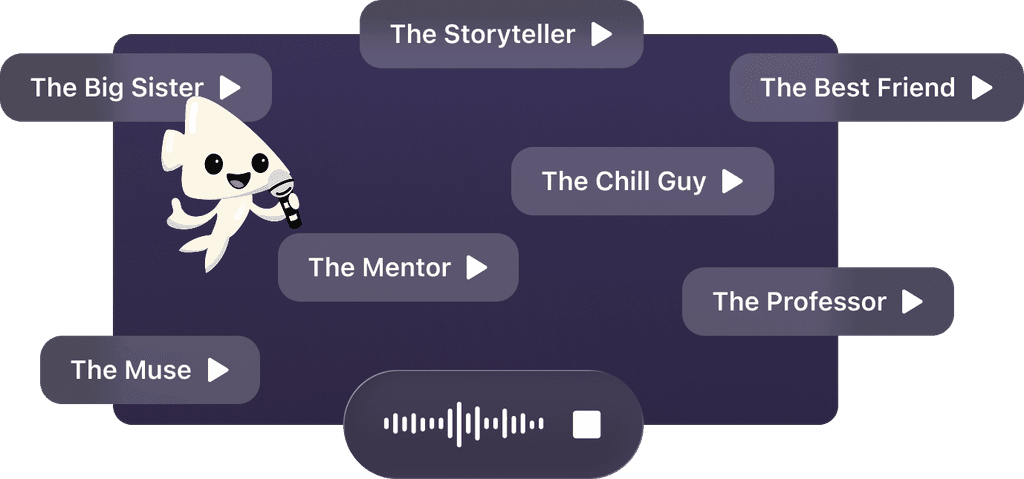
Feel the book through the author's voice
Turn knowledge into engaging, example-rich insights
Capture key ideas in a flash for fast learning
Enjoy the book in a fun and engaging way
Characters in House of Morgan
- George PeabodyMiserly founder of the banking dynasty
- Junius Spencer MorganSuccessor who built the firm into a powerhouse
- J.P. Pierpont MorganAmerica's most powerful banker and consolidator
- Grover ClevelandU.S. President who worked with Morgan during panics
- August BelmontBanker who partnered with Morgan on gold purchases
Key Themes in House of Morgan
- american financial dynasty
- gentlemanly capitalism
- transatlantic investment banking
- corporate consolidation
- private central banking
Quotes from House of Morgan
competition as destructive and inefficient
wielded far more power than most Americans ever imagined
lightning-like rapidity
a new light
critical
Explore Your Way of Learning
 Quick Summary Mode
Read or listen to House of Morgan Summary in 9 Minutes
Break down key ideas from House of Morgan into bite-sized takeaways to understand how innovative teams create, collaborate, and grow.

 Fun Mode
House of Morgan Lessons Told Through 18-Min Stories
Experience House of Morgan through vivid storytelling that turns innovation lessons into moments you'll remember and apply.
 Personalize Mode
Experience House of Morgan in your own learning style
Ask anything, choose your learning style, and co-create insights that truly resonate with you.
From Columbia University alumni built in San Francisco
"Instead of endless scrolling, I just hit play on BeFreed. It saves me so much time."


"I never knew where to start with nonfiction—BeFreed’s book lists turned into podcasts gave me a clear path."


"Perfect balance between learning and entertainment. Finished ‘Thinking, Fast and Slow’ on my commute this week."
"Crazy how much I learned while walking the dog. BeFreed = small habits → big gains."
"Reading used to feel like a chore. Now it’s just part of my lifestyle."

"Feels effortless compared to reading. I’ve finished 6 books this month already."
"BeFreed turned my guilty doomscrolling into something that feels productive and inspiring."

"BeFreed turned my commute into learning time. 20-min podcasts are perfect for finishing books I never had time for."
"BeFreed replaced my podcast queue. Imagine Spotify for books — that’s it. 🙌"

"It is great for me to learn something from the book without reading it."
"The themed book list podcasts help me connect ideas across authors—like a guided audio journey."
"Makes me feel smarter every time before going to work"
From Columbia University alumni built in San Francisco
"Instead of endless scrolling, I just hit play on BeFreed. It saves me so much time."
"I never knew where to start with nonfiction—BeFreed’s book lists turned into podcasts gave me a clear path."
"Perfect balance between learning and entertainment. Finished ‘Thinking, Fast and Slow’ on my commute this week."
"Crazy how much I learned while walking the dog. BeFreed = small habits → big gains."
"Reading used to feel like a chore. Now it’s just part of my lifestyle."
"Feels effortless compared to reading. I’ve finished 6 books this month already."
"BeFreed turned my guilty doomscrolling into something that feels productive and inspiring."
"BeFreed turned my commute into learning time. 20-min podcasts are perfect for finishing books I never had time for."
"BeFreed replaced my podcast queue. Imagine Spotify for books — that’s it. 🙌"
"It is great for me to learn something from the book without reading it."
"The themed book list podcasts help me connect ideas across authors—like a guided audio journey."
"Makes me feel smarter every time before going to work"
"Instead of endless scrolling, I just hit play on BeFreed. It saves me so much time."
"I never knew where to start with nonfiction—BeFreed’s book lists turned into podcasts gave me a clear path."
"Perfect balance between learning and entertainment. Finished ‘Thinking, Fast and Slow’ on my commute this week."
"Crazy how much I learned while walking the dog. BeFreed = small habits → big gains."
"Reading used to feel like a chore. Now it’s just part of my lifestyle."
"Feels effortless compared to reading. I’ve finished 6 books this month already."
"BeFreed turned my guilty doomscrolling into something that feels productive and inspiring."
"BeFreed turned my commute into learning time. 20-min podcasts are perfect for finishing books I never had time for."
"BeFreed replaced my podcast queue. Imagine Spotify for books — that’s it. 🙌"
"It is great for me to learn something from the book without reading it."
"The themed book list podcasts help me connect ideas across authors—like a guided audio journey."
"Makes me feel smarter every time before going to work"
"Instead of endless scrolling, I just hit play on BeFreed. It saves me so much time."
"I never knew where to start with nonfiction—BeFreed’s book lists turned into podcasts gave me a clear path."
"Perfect balance between learning and entertainment. Finished ‘Thinking, Fast and Slow’ on my commute this week."
"Crazy how much I learned while walking the dog. BeFreed = small habits → big gains."
"Reading used to feel like a chore. Now it’s just part of my lifestyle."
"Feels effortless compared to reading. I’ve finished 6 books this month already."
"BeFreed turned my guilty doomscrolling into something that feels productive and inspiring."
"BeFreed turned my commute into learning time. 20-min podcasts are perfect for finishing books I never had time for."
"BeFreed replaced my podcast queue. Imagine Spotify for books — that’s it. 🙌"
"It is great for me to learn something from the book without reading it."
"The themed book list podcasts help me connect ideas across authors—like a guided audio journey."
"Makes me feel smarter every time before going to work"

Download Summary of House of Morgan
Get the House of Morgan summary as a free PDF or EPUB. Print it or read offline anytime.


