The Power Game: Robert Greene and the Laws of Radical Realism
Explore Robert Greene's Radical Realism and the hidden power games of office politics. Learn why understanding power dynamics is essential for career advancement.

Bestes Zitat aus The Power Game: Robert Greene and the Laws of Radical Realism
Ignoring office politics doesn’t make you a better person—it just makes you a victim. Power is an amoral social reality; it’s not 'good' or 'bad'—it just is.

Diese Audiolektion wurde von einem BeFreed-Community-Mitglied erstellt
This lesson is part of the learning plan: 'Robert Greene: The Laws of Radical Realism'. Lesson topic: The Power Game: Play or Get Played Overview: Refusing to play office politics doesn't make you virtuous—it makes you a victim. Learn to accept social reality to turn sabotage into strategy. Key insights to cover in order: 1. Power is an amoral social reality rooted in 40 million years of primate evolution and complex social deception. 2. Violating the first law by outshining a superior triggers ego-driven insecurities that lead to inevitable professional sabotage. 3. Adopting the 'radical realist' mindset allows you to observe manipulations as neutral material rather than taking them personally. Listener profile: - Learning goal: generate 5 podcast episodes that take the most provocative, counterintuitive, and challenging ideas from Robert Greene's body of work and force the listener to confront where they actually stand - Background knowledge: I have never read Greene before. - Guidance: Start with foundational overview of Greene's core philosophy and mental models before diving into specific laws and strategies. Include extensive context for historical case studies since user lacks prior exposure. Tailor examples, pacing, and depth to this listener. Avoid analogies or references that assume knowledge outside this listener's profile.






Häufig gestellte Fragen
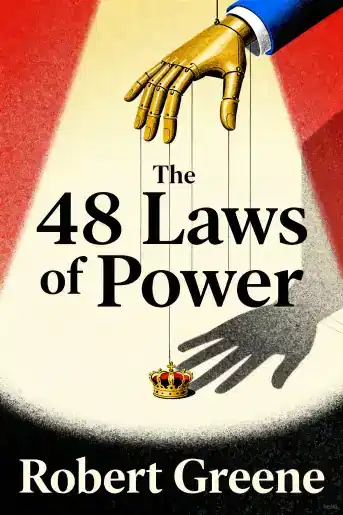
Radical Realism is a foundational idea from author Robert Greene that views power as an amoral social reality, much like gravity. It suggests that power dynamics are neither good nor bad but simply exist in every environment. By embracing this perspective, professionals can stop being victims of hidden power games and instead learn to navigate the actual social landscape of their workplace to ensure their hard work is recognized.
Robert Greene argues that relying solely on meritocracy can be a mistake, as many people work hard only to be passed over or targeted. He believes that ignoring office politics does not make someone a better person; rather, it makes them vulnerable. According to Greene, understanding these intense, hidden power games is necessary because the social reality of the workplace often operates outside of simple hard work and hitting targets.
Before becoming a famous author, Robert Greene worked approximately 50 different jobs, including roles as a construction worker, translator, magazine editor, and even an employee at a detective agency. Across these diverse professional worlds, he consistently observed the same intense power games being played. These varied experiences led him to realize that power dynamics are universal and that learning to play the game is essential for professional survival and success.
Mehr entdecken

Build self-respect & handle work power plays
Build self-respect & handle work power plays
This learning plan is essential for professionals who feel undervalued, struggle with boundary-setting, or find themselves outmaneuvered by office politics. It's particularly valuable for those who want to advance their careers without compromising their integrity, and for anyone dealing with difficult colleagues or toxic workplace dynamics that erode their confidence and peace of mind.

Get Promoted Without Playing Politics
Get Promoted Without Playing Politics
In today's competitive workplace, many professionals believe office politics is the only path to advancement. This learning plan provides ethical, merit-based strategies for those who want to rise through demonstrated excellence, authentic leadership, and relationship-building with integrity.

Office Politics & Power Psychology Study Plan
Office Politics & Power Psychology Study Plan
Office politics are unavoidable in any organization, yet few professionals receive formal training in navigating these complex dynamics. This learning plan equips ambitious professionals with psychological tools to understand power structures, influence effectively, and advance strategically without compromising their integrity.

Master Persuasion and Machiavellian Tactics
Master Persuasion and Machiavellian Tactics
In a competitive world, understanding the mechanics of power and human psychology is essential for leadership and self-defense. This plan is designed for professionals and negotiators who want to master high-stakes influence while remaining ethically grounded.

Master psychology and strategy for power
Master psychology and strategy for power
In a world driven by social dynamics, understanding the mechanics of influence is essential for professional and personal leadership. This plan is designed for ambitious individuals and negotiators who want to master strategic interactions and protect themselves from psychological manipulation.

Manipulation technique
Manipulation technique
This plan is essential for leaders and professionals who need to navigate complex social landscapes and protect themselves from exploitation. It benefits anyone looking to understand the mechanics of power, from psychological triggers to ethical influence strategies.
Mind games 😞
Mind games 😞
In an era of complex social dynamics, understanding psychological manipulation is essential for personal safety and mental health. This plan is designed for anyone seeking to reclaim their agency and protect themselves from toxic individuals in professional or personal settings.
Robert Greene: The Power & Human Nature Pod
Robert Greene: The Power & Human Nature Pod
This plan distills Robert Greene's deep research into actionable insights for anyone seeking to navigate office politics or social hierarchies. It is essential for aspiring leaders and strategists who want to master the art of influence and long-term planning.
Von Columbia University Alumni in San Francisco entwickelt
"Instead of endless scrolling, I just hit play on BeFreed. It saves me so much time."


"I never knew where to start with nonfiction—BeFreed’s book lists turned into podcasts gave me a clear path."


"Perfect balance between learning and entertainment. Finished ‘Thinking, Fast and Slow’ on my commute this week."
"Crazy how much I learned while walking the dog. BeFreed = small habits → big gains."
"Reading used to feel like a chore. Now it’s just part of my lifestyle."

"Feels effortless compared to reading. I’ve finished 6 books this month already."
"BeFreed turned my guilty doomscrolling into something that feels productive and inspiring."

"BeFreed turned my commute into learning time. 20-min podcasts are perfect for finishing books I never had time for."
"BeFreed replaced my podcast queue. Imagine Spotify for books — that’s it. 🙌"

"It is great for me to learn something from the book without reading it."
"The themed book list podcasts help me connect ideas across authors—like a guided audio journey."
"Makes me feel smarter every time before going to work"
Von Columbia University Alumni in San Francisco entwickelt
"Instead of endless scrolling, I just hit play on BeFreed. It saves me so much time."
"I never knew where to start with nonfiction—BeFreed’s book lists turned into podcasts gave me a clear path."
"Perfect balance between learning and entertainment. Finished ‘Thinking, Fast and Slow’ on my commute this week."
"Crazy how much I learned while walking the dog. BeFreed = small habits → big gains."
"Reading used to feel like a chore. Now it’s just part of my lifestyle."
"Feels effortless compared to reading. I’ve finished 6 books this month already."
"BeFreed turned my guilty doomscrolling into something that feels productive and inspiring."
"BeFreed turned my commute into learning time. 20-min podcasts are perfect for finishing books I never had time for."
"BeFreed replaced my podcast queue. Imagine Spotify for books — that’s it. 🙌"
"It is great for me to learn something from the book without reading it."
"The themed book list podcasts help me connect ideas across authors—like a guided audio journey."
"Makes me feel smarter every time before going to work"
"Instead of endless scrolling, I just hit play on BeFreed. It saves me so much time."
"I never knew where to start with nonfiction—BeFreed’s book lists turned into podcasts gave me a clear path."
"Perfect balance between learning and entertainment. Finished ‘Thinking, Fast and Slow’ on my commute this week."
"Crazy how much I learned while walking the dog. BeFreed = small habits → big gains."
"Reading used to feel like a chore. Now it’s just part of my lifestyle."
"Feels effortless compared to reading. I’ve finished 6 books this month already."
"BeFreed turned my guilty doomscrolling into something that feels productive and inspiring."
"BeFreed turned my commute into learning time. 20-min podcasts are perfect for finishing books I never had time for."
"BeFreed replaced my podcast queue. Imagine Spotify for books — that’s it. 🙌"
"It is great for me to learn something from the book without reading it."
"The themed book list podcasts help me connect ideas across authors—like a guided audio journey."
"Makes me feel smarter every time before going to work"
"Instead of endless scrolling, I just hit play on BeFreed. It saves me so much time."
"I never knew where to start with nonfiction—BeFreed’s book lists turned into podcasts gave me a clear path."
"Perfect balance between learning and entertainment. Finished ‘Thinking, Fast and Slow’ on my commute this week."
"Crazy how much I learned while walking the dog. BeFreed = small habits → big gains."
"Reading used to feel like a chore. Now it’s just part of my lifestyle."
"Feels effortless compared to reading. I’ve finished 6 books this month already."
"BeFreed turned my guilty doomscrolling into something that feels productive and inspiring."
"BeFreed turned my commute into learning time. 20-min podcasts are perfect for finishing books I never had time for."
"BeFreed replaced my podcast queue. Imagine Spotify for books — that’s it. 🙌"
"It is great for me to learn something from the book without reading it."
"The themed book list podcasts help me connect ideas across authors—like a guided audio journey."
"Makes me feel smarter every time before going to work"