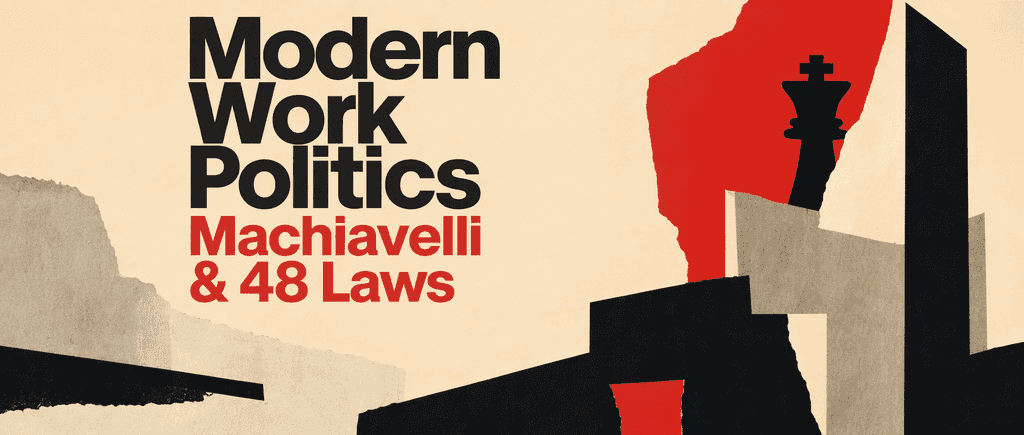
The Power Playbook: Why Politics is Rigged
Unmask the hidden mechanics of power, from Hobbesian authority to the branding of modern ideologies. Learn why the system rewards deception and how to navigate a world of corporate influence and political lies.

Bestes Zitat aus The Power Playbook: Why Politics is Rigged
Power is a raw, jagged thing unless it is smoothed out by authority, which acts as the 'permission slip' granted by laws and constitutions. Ultimately, the stability of a society depends on legitimacy—the widespread belief among the people that the government ought to have that power.
Generated by Cassie
Basics of politics. Everything I need to know about politics today: understanding power structures, ideologies, and policy. Also why politicians lie and are immoral.

Häufig gestellte Fragen
Power is the raw ability to impose one's will on others, often through the potential use of force. Authority is the legal right to exercise that power, typically granted by a constitution, a criminal code, or established laws that provide a "permission slip" for government action. Legitimacy is the psychological belief held by the public that the government actually ought to have that power. While power can be seized, legitimacy must be earned through tradition, a leader's charisma, or the rational-legal efficiency of a fair bureaucracy.
According to the sociologist Max Weber, the state holds a "monopoly on the legitimate use of physical force." While private organizations like clubs or churches can penalize members by revoking memberships, they cannot physically compel behavior or seize property. The state acts as the ultimate referee, using force to enforce court orders, restrain illegal behavior, or maintain order. This monopoly is what creates a predictable environment, allowing citizens to know exactly what the government can and cannot do.
Political dishonesty is often a structural byproduct of the system rather than simple personal immorality. Politicians have a strategic incentive to be ambiguous to avoid alienating the "median voter" whose support is necessary for victory. Additionally, many leaders fall into "self-deception," where they become so desperate for a specific outcome that they ignore evidence to the contrary. Because there are no "transferable property rights" in politics—meaning you cannot easily "return" a politician like a faulty product—the rewards for exaggeration often outweigh the risks.
Research suggests that common non-verbal cues like avoiding eye contact are unreliable indicators of lying. Instead, the most effective way to judge honesty is through the level of detail provided. Truth-tellers typically offer specific, concrete details because they are describing real experiences. In contrast, liars tend to be vague and abstract because specifics are harder to keep consistent and easier for the public to fact-check. A major red flag is when a politician attacks the person asking for evidence rather than providing the evidence itself.
In the modern world, power has leaked out of traditional government structures and into the hands of non-state actors like multinational corporations, tech giants, and international NGOs. These entities can shape global information flow and human rights discourses in ways that rival the influence of small nations. This shift has created a "multipolar" world where power is defined by networks and information as much as by military strength, often leading to an "erosion of sovereignty" for individual countries.
Von Columbia University Alumni in San Francisco entwickelt
"Instead of endless scrolling, I just hit play on BeFreed. It saves me so much time."


"I never knew where to start with nonfiction—BeFreed’s book lists turned into podcasts gave me a clear path."


"Perfect balance between learning and entertainment. Finished ‘Thinking, Fast and Slow’ on my commute this week."
"Crazy how much I learned while walking the dog. BeFreed = small habits → big gains."
"Reading used to feel like a chore. Now it’s just part of my lifestyle."

"Feels effortless compared to reading. I’ve finished 6 books this month already."
"BeFreed turned my guilty doomscrolling into something that feels productive and inspiring."

"BeFreed turned my commute into learning time. 20-min podcasts are perfect for finishing books I never had time for."
"BeFreed replaced my podcast queue. Imagine Spotify for books — that’s it. 🙌"

"It is great for me to learn something from the book without reading it."
"The themed book list podcasts help me connect ideas across authors—like a guided audio journey."
"Makes me feel smarter every time before going to work"
Von Columbia University Alumni in San Francisco entwickelt
"Instead of endless scrolling, I just hit play on BeFreed. It saves me so much time."
"I never knew where to start with nonfiction—BeFreed’s book lists turned into podcasts gave me a clear path."
"Perfect balance between learning and entertainment. Finished ‘Thinking, Fast and Slow’ on my commute this week."
"Crazy how much I learned while walking the dog. BeFreed = small habits → big gains."
"Reading used to feel like a chore. Now it’s just part of my lifestyle."
"Feels effortless compared to reading. I’ve finished 6 books this month already."
"BeFreed turned my guilty doomscrolling into something that feels productive and inspiring."
"BeFreed turned my commute into learning time. 20-min podcasts are perfect for finishing books I never had time for."
"BeFreed replaced my podcast queue. Imagine Spotify for books — that’s it. 🙌"
"It is great for me to learn something from the book without reading it."
"The themed book list podcasts help me connect ideas across authors—like a guided audio journey."
"Makes me feel smarter every time before going to work"
"Instead of endless scrolling, I just hit play on BeFreed. It saves me so much time."
"I never knew where to start with nonfiction—BeFreed’s book lists turned into podcasts gave me a clear path."
"Perfect balance between learning and entertainment. Finished ‘Thinking, Fast and Slow’ on my commute this week."
"Crazy how much I learned while walking the dog. BeFreed = small habits → big gains."
"Reading used to feel like a chore. Now it’s just part of my lifestyle."
"Feels effortless compared to reading. I’ve finished 6 books this month already."
"BeFreed turned my guilty doomscrolling into something that feels productive and inspiring."
"BeFreed turned my commute into learning time. 20-min podcasts are perfect for finishing books I never had time for."
"BeFreed replaced my podcast queue. Imagine Spotify for books — that’s it. 🙌"
"It is great for me to learn something from the book without reading it."
"The themed book list podcasts help me connect ideas across authors—like a guided audio journey."
"Makes me feel smarter every time before going to work"
"Instead of endless scrolling, I just hit play on BeFreed. It saves me so much time."
"I never knew where to start with nonfiction—BeFreed’s book lists turned into podcasts gave me a clear path."
"Perfect balance between learning and entertainment. Finished ‘Thinking, Fast and Slow’ on my commute this week."
"Crazy how much I learned while walking the dog. BeFreed = small habits → big gains."
"Reading used to feel like a chore. Now it’s just part of my lifestyle."
"Feels effortless compared to reading. I’ve finished 6 books this month already."
"BeFreed turned my guilty doomscrolling into something that feels productive and inspiring."
"BeFreed turned my commute into learning time. 20-min podcasts are perfect for finishing books I never had time for."
"BeFreed replaced my podcast queue. Imagine Spotify for books — that’s it. 🙌"
"It is great for me to learn something from the book without reading it."
"The themed book list podcasts help me connect ideas across authors—like a guided audio journey."
"Makes me feel smarter every time before going to work"