The five dysfunctions of a team
team assessment
Overview of The five dysfunctions of a team
Discover why "The Five Dysfunctions of a Team" sold nearly three million copies worldwide. Lencioni's revolutionary framework has transformed Fortune 500 companies, sports teams, and even military units. What hidden team poison is silently sabotaging your success right now?

Key Themes in The five dysfunctions of a team
- vulnerability-based trust
- productive ideological conflict
- team accountability
- collective results
- organizational health
Quotes from The five dysfunctions of a team
If we don't trust one another, then we aren't going to engage in open, constructive, ideological conflict.
Politics and defensive behaviors take over.
Conflict is productive when it's focused on issues and concepts.
The goal isn't consensus or harmony-it's finding the best answer.
Mining for conflict becomes a new team practice.
Characters in The five dysfunctions of a team
- Kathryn PetersenNewly appointed CEO of DecisionTech
- JeffFormer CEO and head of business development
- MikeyBrilliant but combative marketing executive
- MartinAnalytically sharp but passive CFO
- JRCharismatic and politically-minded sales leader
About the Author
About the Author of The five dysfunctions of a team
Patrick M. Lencioni, the bestselling author of The Five Dysfunctions of a Team, is a distinguished leadership consultant and the founder of The Table Group, a firm specializing in organizational health and team dynamics. Drawing from his prior experience as an executive at both Bain & Company and Oracle, Lencioni masterfully translates decades of corporate insight into practical business fables. These fables adeptly tackle prevalent workplace issues such as trust deficits, unhealthy conflict, and misalignment. His extensive body of work includes 12 books, among them The Advantage and The Ideal Team Player, which have collectively sold over 6 million copies worldwide and have been translated into more than 30 languages.
Acknowledged by The Wall Street Journal as “one of the most in-demand business speakers,” Lencioni provides counsel to a diverse range of entities, including Fortune 500 companies, nonprofit organizations, and sports teams, through his consulting firm. His influential frameworks have been highlighted in the Harvard Business Review and are actively utilized by prominent organizations such as Southwest Airlines and Microsoft. As a graduate of Claremont McKenna College, Lencioni is known for his pragmatic methodology, which seamlessly integrates storytelling with operational acumen.
The Five Dysfunctions of a Team has maintained its status as a New York Times bestseller for 16 years following its release, solidifying its position as a contemporary classic in the field of leadership.
Download Summary of The five dysfunctions of a team
Get the The five dysfunctions of a team summary as a free PDF or EPUB. Print it or read offline anytime.
FAQs About This Book
The Five Dysfunctions of a Team explores why teams struggle to achieve their potential, framed through a fictional story about a CEO transforming a dysfunctional executive team. Lencioni identifies five interconnected dysfunctions: absence of trust, fear of conflict, lack of commitment, avoidance of accountability, and inattention to results. The book provides actionable strategies to build cohesion, improve communication, and align teams around collective goals.
Leaders, managers, and team members aiming to improve collaboration in workplaces, nonprofits, or sports teams will benefit. It’s particularly valuable for those addressing communication breakdowns, low accountability, or misaligned priorities. Lencioni’s storytelling and practical framework make it accessible for both new and experienced leaders seeking to foster trust and resolve conflicts.
Yes—it’s a seminal leadership book with over 3 million copies sold, praised for blending relatable storytelling with actionable insights. Its pyramid model helps diagnose and address root causes of team dysfunction, making it a practical tool for improving decision-making, accountability, and results.
- Absence of Trust: Reluctance to be vulnerable.
- Fear of Conflict: Avoiding passionate debate.
- Lack of Commitment: Ambiguity in decisions.
- Avoidance of Accountability: Tolerating low standards.
- Inattention to Results: Prioritizing ego over team goals.
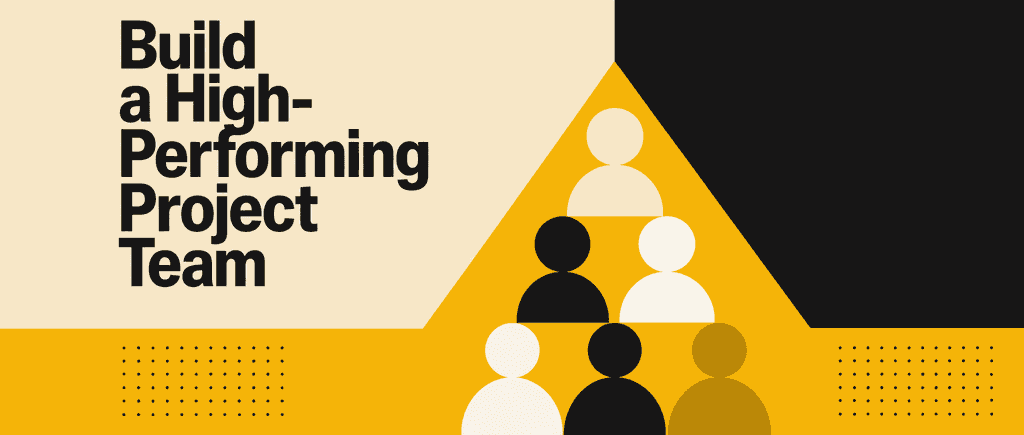
The pyramid illustrates how dysfunctions build sequentially: trust enables healthy conflict, which drives commitment, accountability, and ultimately results. Overcoming each layer requires addressing the dysfunction below it. For example, without trust, teams can’t engage in constructive conflict.
Trust erodes when members fear vulnerability—hiding mistakes, avoiding feedback, or masking weaknesses. Lencioni argues trust grows when leaders model openness and create safe spaces for vulnerability, such as sharing personal failures.
Teams that avoid conflict produce superficial consensus, leading to unresolved resentment and poor decisions. Lencioni advocates for “ideological conflict”—passionate, respectful debates focused on issues, not personalities—to uncover better solutions.
Without commitment, teams second-guess decisions or delay action. Lencioni emphasizes that clarity—even imperfect—is better than ambiguity. Teams commit by ensuring all voices are heard, even if not everyone agrees.
Peer-to-peer accountability thrives when trust and commitment exist. Teams must openly address missed deadlines or subpar behavior, using tools like regular progress reviews. Lencioni notes that peer pressure often trumps top-down mandates.
High-performing teams prioritize collective outcomes over individual status. Leaders reinforce this by tying rewards to team goals (e.g., customer success metrics) rather than personal achievements.
The narrative follows Kathryn Petersen, a CEO overhauling a struggling tech firm’s leadership team. Her journey—addressing distrust, passive-aggressive behavior, and ego clashes—provides a realistic blueprint for applying the five dysfunctions model.
Some argue the model oversimplifies team dynamics or dismisses structural issues like compensation misalignment. Others note the fictional approach lacks empirical data, though proponents praise its practicality over theoretical rigor.
Unlike abstract theory-heavy guides, Lencioni focuses on actionable steps through relatable scenarios. It complements books like Crucial Conversations (conflict resolution) and Dare to Lead (vulnerability), but stands out for its team-specific framework.
Yes—remote teams often struggle with trust and accountability. Tips include scheduling regular vulnerability-building check-ins, using conflict-resolution protocols for virtual debates, and clarifying deliverables to reinforce commitment.
- “Trust lies at the heart of a functioning team.”
- “If you could get all the people in an organization rowing in the same direction, you could dominate any industry.”
These emphasize trust’s foundational role and alignment’s strategic power.
Vulnerability—admitting mistakes or gaps—is the antidote to absence of trust. Leaders who share first foster psychological safety, enabling teams to focus on issues, not self-protection.