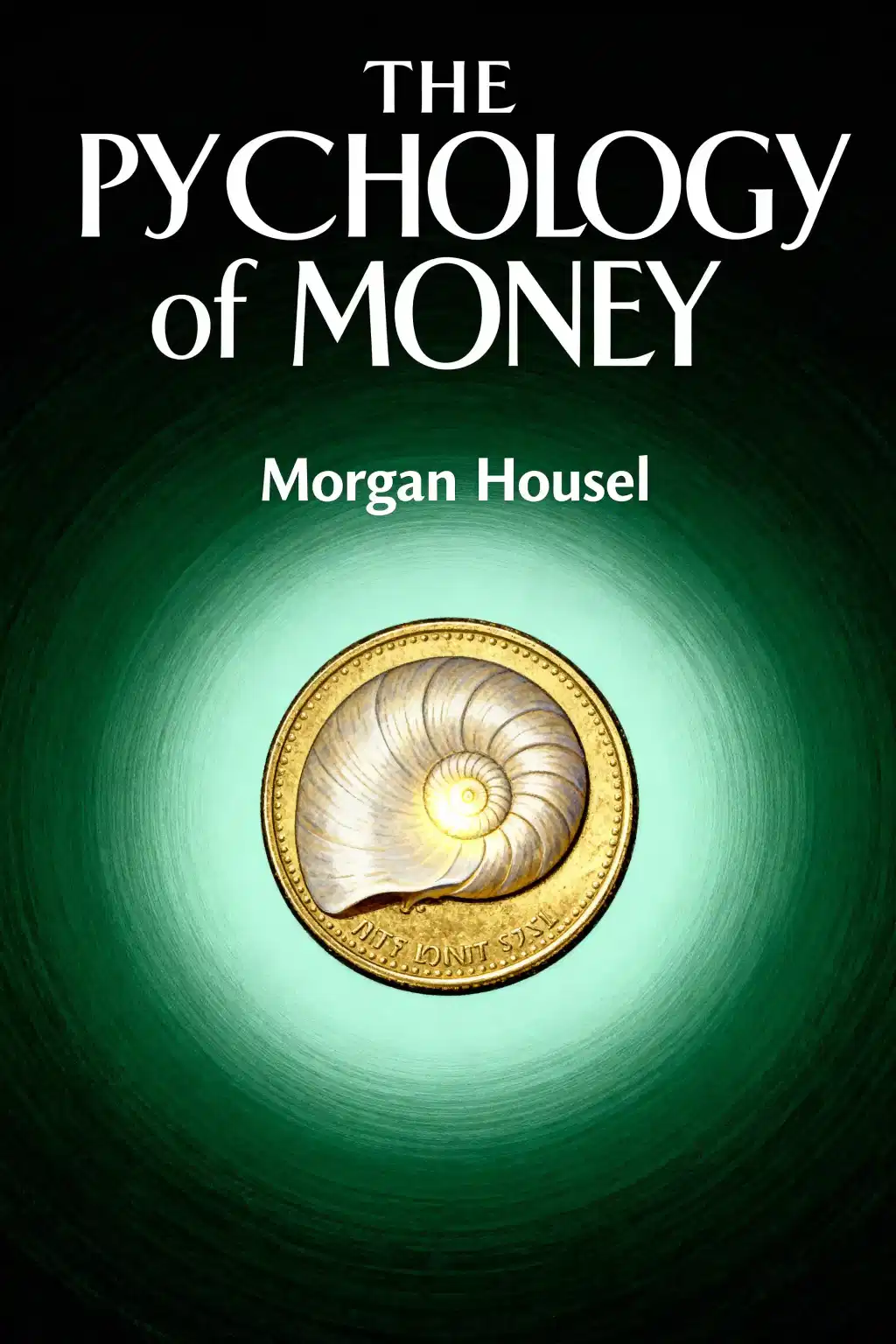
The Psychology of Money: Timeless lessons on wealth, greed, and happiness Paperback by Morgan Housel Summary

Overview of The Psychology of Money: Timeless lessons on wealth, greed, and happiness Paperback
Discover why money decisions are rarely about math, but psychology. Morgan Housel's bestselling masterpiece reveals how emotions shape wealth more than numbers do. Financial experts worldwide praise its storytelling approach that transforms complex concepts into "must-read" wisdom for anyone seeking financial freedom.
- Money’s highest purpose is buying freedom to control your time
- Wealth hides in unspent savings, not visible luxuries like cars
- Compounding requires consistency more than extreme returns to succeed
- Staying wealthy demands different skills than acquiring wealth initially
- The "Man in the Car Paradox" proves possessions don’t earn respect
- Risk what you don’t need, never what you can’t lose
- Enough means stopping goalpost-moving before it destroys your satisfaction
- Room for error matters more than optimism in financial plans
- History shows money’s rules evolve faster than human psychology does
- Long-term growth comes from surviving failures, not avoiding them
- Humility beats financial IQ when managing luck and risk
- Saving buys options regardless of income level or market conditions
About the Author of The Psychology of Money: Timeless lessons on wealth, greed, and happiness Paperback
Morgan Housel, bestselling author of The Psychology of Money: Timeless Lessons on Wealth, Greed, and Happiness, is a renowned expert in behavioral finance and investment strategy. A partner at The Collaborative Fund and former columnist for The Wall Street Journal and The Motley Fool, Housel blends insights from economic history, psychology, and storytelling to decode how human behavior shapes financial decisions. His work has earned prestigious accolades, including the New York Times Sidney Award and multiple Society of American Business Editors and Writers honors.
Housel’s expertise extends beyond his writing—he hosts a widely followed podcast and frequently speaks at global conferences, distilling complex financial concepts into actionable wisdom. His follow-up book, Same As Ever: A Guide to What Never Changes, further explores enduring principles in an unpredictable world.
The Psychology of Money has achieved remarkable traction, selling over seven million copies worldwide and being translated into 60+ languages. MarketWatch recognizes Housel as one of the 50 most influential voices in finance, cementing his status as a leading thinker in modern economic discourse.
FAQs About The Psychology of Money: Timeless lessons on wealth, greed, and happiness Paperback
What is The Psychology of Money by Morgan Housel about?
The Psychology of Money explores how behavioral patterns, not intelligence, dictate financial success. Through 19 short stories, Morgan Housel examines themes like wealth-building, greed, and happiness, emphasizing how personal history and emotions shape money decisions. The book argues that lasting wealth stems from patience, adaptability, and understanding luck’s role in outcomes.
Who should read The Psychology of Money?
This book is ideal for investors, behavioral finance enthusiasts, and anyone seeking practical money wisdom. It’s particularly valuable for readers who want to improve financial habits without complex math. Housel’s accessible storytelling makes it suitable for both novices and experienced professionals.
Is The Psychology of Money worth reading?
Yes, with over 4 million copies sold and translations in 53 languages, it’s a New York Times bestseller praised for its timeless insights. Jason Zweig of The Wall Street Journal calls it “one of the best and most original finance books in years,” highlighting its actionable lessons on wealth and behavior.
What are the main lessons from The Psychology of Money?
Key lessons include:
- Time is the most powerful investing tool.
- Avoiding financial ruin matters more than maximizing returns.
- Define “enough” to prevent endless goalpost shifts.
- Success hinges on behavior, not just knowledge.
How does luck influence financial success according to Morgan Housel?
Housel argues that luck and risk are inseparable: outcomes often depend on unpredictable factors like birth era or economic climate. For example, those who invested during market lows (e.g., post-2008) gained disproportionately due to timing, not just skill.
What are the most impactful quotes from The Psychology of Money?
Notable quotes:
- “Doing well with money has little to do with intelligence and much to do with behavior”.
- “Time is the most powerful force in investing”.
- “The hardest financial skill is getting the goalpost to stop moving”.
How does The Psychology of Money compare to Rich Dad Poor Dad?
While Rich Dad Poor Dad focuses on financial tactics, Housel’s book emphasizes behavioral psychology. It’s less about assets/liabilities and more about humility, patience, and understanding personal biases.
What criticisms exist about The Psychology of Money?
Some readers note it lacks step-by-step investment advice, favoring philosophical insights over practical strategies. Critics argue its anecdotal approach may oversimplify complex topics like stock market participation.
How can I apply The Psychology of Money concepts to real life?
- Prioritize a high savings rate over income.
- Embrace a “margin of safety” in spending and investing.
- Focus on long-term goals, ignoring short-term market noise.
What frameworks does Morgan Housel recommend for wealth-building?
Housel advocates:
- The 30% Rule: Expect plans to fail 30% of the time and prepare accordingly.
- Room for Error: Avoid overleveraging to withstand unexpected setbacks.
- Tails Drive Everything: A few high-impact decisions (e.g., long-term compounding) determine most outcomes.
How does The Psychology of Money use historical examples?
Housel cites events like the Great Depression’s impact on saving habits and Japan’s 1980s stock bubble to show how generational experiences shape financial behaviors. These stories underscore the unpredictability of markets.
Why is The Psychology of Money still relevant in 2025?
Its lessons on adaptability, uncertainty, and human behavior remain timeless. With economic volatility (e.g., AI disruptions, geopolitical shifts), Housel’s emphasis on emotional resilience offers a roadmap for navigating modern financial challenges.
Feel the book through the author's voice
Turn knowledge into engaging, example-rich insights
Capture key ideas in a flash for fast learning
Enjoy the book in a fun and engaging way
Key Themes in The Psychology of Money: Timeless lessons on wealth, greed, and happiness Paperback
Quotes from The Psychology of Money: Timeless lessons on wealth, greed, and happiness Paperback
Financial success depends more on behavior than intelligence.
Nothing is as good or as bad as it seems.
The line between 'inspiringly bold' and 'foolishly reckless' is razor-thin.
Extreme examples are often the least applicable to our own lives.
Characters in The Psychology of Money: Timeless lessons on wealth, greed, and happiness Paperback
Quick Summary Mode - Read or listen to The Psychology of Money: Timeless lessons on wealth, greed, and happiness Paperback Summary in 9 Minutes

Break down key ideas from The Psychology of Money: Timeless lessons on wealth, greed, and happiness Paperback into bite-sized takeaways to understand how innovative teams create, collaborate, and grow.

Flash Card Mode - Top 11 Insights from The Psychology of Money: Timeless lessons on wealth, greed, and happiness Paperback in a Nutshell

Distill The Psychology of Money: Timeless lessons on wealth, greed, and happiness Paperback into rapid-fire memory cues that highlight key principles of candor, teamwork, and creative resilience.

Fun Mode - The Psychology of Money: Timeless lessons on wealth, greed, and happiness Paperback Lessons Told Through 22-Min Stories

Experience The Psychology of Money: Timeless lessons on wealth, greed, and happiness Paperback through vivid storytelling that turns innovation lessons into moments you'll remember and apply.
Personalize Mode - Read or listen to The Psychology of Money: Timeless lessons on wealth, greed, and happiness Paperback Summary in 0 Minutes

Ask anything, pick the voice, and co-create insights that truly resonate with you.

From Columbia University alumni built in San Francisco
"Instead of endless scrolling, I just hit play on BeFreed. It saves me so much time."


"I never knew where to start with nonfiction—BeFreed’s book lists turned into podcasts gave me a clear path."


"Perfect balance between learning and entertainment. Finished ‘Thinking, Fast and Slow’ on my commute this week."
"Crazy how much I learned while walking the dog. BeFreed = small habits → big gains."
"Reading used to feel like a chore. Now it’s just part of my lifestyle."

"Feels effortless compared to reading. I’ve finished 6 books this month already."
"BeFreed turned my guilty doomscrolling into something that feels productive and inspiring."

"BeFreed turned my commute into learning time. 20-min podcasts are perfect for finishing books I never had time for."
"BeFreed replaced my podcast queue. Imagine Spotify for books — that’s it. 🙌"

"It is great for me to learn something from the book without reading it."
"The themed book list podcasts help me connect ideas across authors—like a guided audio journey."
"Makes me feel smarter every time before going to work"
From Columbia University alumni built in San Francisco
"Instead of endless scrolling, I just hit play on BeFreed. It saves me so much time."
"I never knew where to start with nonfiction—BeFreed’s book lists turned into podcasts gave me a clear path."
"Perfect balance between learning and entertainment. Finished ‘Thinking, Fast and Slow’ on my commute this week."
"Crazy how much I learned while walking the dog. BeFreed = small habits → big gains."
"Reading used to feel like a chore. Now it’s just part of my lifestyle."
"Feels effortless compared to reading. I’ve finished 6 books this month already."
"BeFreed turned my guilty doomscrolling into something that feels productive and inspiring."
"BeFreed turned my commute into learning time. 20-min podcasts are perfect for finishing books I never had time for."
"BeFreed replaced my podcast queue. Imagine Spotify for books — that’s it. 🙌"
"It is great for me to learn something from the book without reading it."
"The themed book list podcasts help me connect ideas across authors—like a guided audio journey."
"Makes me feel smarter every time before going to work"
"Instead of endless scrolling, I just hit play on BeFreed. It saves me so much time."
"I never knew where to start with nonfiction—BeFreed’s book lists turned into podcasts gave me a clear path."
"Perfect balance between learning and entertainment. Finished ‘Thinking, Fast and Slow’ on my commute this week."
"Crazy how much I learned while walking the dog. BeFreed = small habits → big gains."
"Reading used to feel like a chore. Now it’s just part of my lifestyle."
"Feels effortless compared to reading. I’ve finished 6 books this month already."
"BeFreed turned my guilty doomscrolling into something that feels productive and inspiring."
"BeFreed turned my commute into learning time. 20-min podcasts are perfect for finishing books I never had time for."
"BeFreed replaced my podcast queue. Imagine Spotify for books — that’s it. 🙌"
"It is great for me to learn something from the book without reading it."
"The themed book list podcasts help me connect ideas across authors—like a guided audio journey."
"Makes me feel smarter every time before going to work"
"Instead of endless scrolling, I just hit play on BeFreed. It saves me so much time."
"I never knew where to start with nonfiction—BeFreed’s book lists turned into podcasts gave me a clear path."
"Perfect balance between learning and entertainment. Finished ‘Thinking, Fast and Slow’ on my commute this week."
"Crazy how much I learned while walking the dog. BeFreed = small habits → big gains."
"Reading used to feel like a chore. Now it’s just part of my lifestyle."
"Feels effortless compared to reading. I’ve finished 6 books this month already."
"BeFreed turned my guilty doomscrolling into something that feels productive and inspiring."
"BeFreed turned my commute into learning time. 20-min podcasts are perfect for finishing books I never had time for."
"BeFreed replaced my podcast queue. Imagine Spotify for books — that’s it. 🙌"
"It is great for me to learn something from the book without reading it."
"The themed book list podcasts help me connect ideas across authors—like a guided audio journey."
"Makes me feel smarter every time before going to work"

Get the The Psychology of Money: Timeless lessons on wealth, greed, and happiness Paperback summary as a free PDF or EPUB. Print it or read offline anytime.