Mistakes Were Made by Carol Tavris & Elliot Aronson Summary

Overview of Mistakes Were Made
Why do we cling to being right even when we're wrong? "Mistakes Were Made" exposes our psychological blind spots with eye-opening clarity. Praised by biblical scholar Bart Ehrman, this mind-bending exploration of self-justification will forever change how you view your own decisions.
- Cognitive dissonance drives self-justification to protect your self-image.
- Memory distortion helps align past actions with current beliefs.
- Self-justification escalates small mistakes into major ethical failures over time.
- Professionals cling to outdated methods to avoid admitting error.
- Relationships suffer when partners rewrite shared history to avoid blame.
- False memories allow rewriting failure stories to preserve self-esteem.
- Overcoming cognitive dissonance requires embracing discomfort from mistakes.
- Legal errors persist due to confirmation bias in investigations.
- Childhood praise for talent breeds adult fear of mistakes.
- Public commitments intensify resistance to contradictory evidence.
- Separating actions from identity enables growth past errors.
About the Author of Mistakes Were Made
Carol Tavris and Elliot Aronson, renowned social psychologists and bestselling authors of Mistakes Were Made (But Not by Me), are leading experts in cognitive dissonance and self-justification.
Tavris, who holds a PhD from the University of Michigan, has authored influential works like Anger: The Misunderstood Emotion and The Mismeasure of Woman, blending rigorous research with accessible prose.
Aronson, a Stanford-trained psychologist and professor emeritus at UC Santa Cruz, pioneered advancements in social psychology, including the widely taught "jigsaw classroom" method. Aronson remains the only psychologist to win all three American Psychological Association awards for research, teaching, and writing.
Their collaboration on Mistakes Were Made synthesizes decades of research into how individuals rationalize poor decisions, a theme that has resonated across 11 translations and appearances in The New York Times, Scientific American, and top psychology podcasts. The book has become a staple in behavioral science curricula and organizational training programs worldwide.
FAQs About Mistakes Were Made
What is Mistakes Were Made (but Not by Me) about?
Mistakes Were Made (but Not by Me) explores how cognitive dissonance and self-justification drive people to rationalize poor decisions, harmful actions, and false beliefs. Authors Carol Tavris and Elliot Aronson use psychological research to explain why individuals—from politicians to everyday people—double down on mistakes, escalate conflicts, and resist accountability, even in the face of contradictory evidence.
Who should read Mistakes Were Made (but Not by Me)?
This book is ideal for psychology enthusiasts, professionals in law or leadership, and anyone seeking to understand biases in decision-making. It’s particularly relevant for those interested in social behavior, conflict resolution, or improving self-awareness about rationalization in personal and professional relationships.
Is Mistakes Were Made (but Not by Me) worth reading?
Yes—it’s a research-backed, accessible guide to why people cling to flawed beliefs. The book offers timeless insights into political polarization, workplace disputes, and personal relationships, making it valuable for navigating conflicts or understanding societal issues like the Iraq War justification or false-memory scandals.
What are the main concepts in Mistakes Were Made (but Not by Me)?
Key ideas include:
- Cognitive dissonance: Resolving mental discomfort by justifying actions.
- Confirmation bias: Seeking information that aligns with preexisting beliefs.
- Memory distortion: How self-justification alters recollections (e.g., false confessions).
- Institutional self-justification: Systems like law enforcement perpetuating errors to avoid admitting fault.
How does Mistakes Were Made explain cognitive dissonance?
The authors describe cognitive dissonance as a mental conflict that arises when actions contradict beliefs. To reduce discomfort, people distort facts (e.g., smokers dismissing health risks) or blame others. This cycle reinforces poor decisions, as seen in cases like the MMR vaccine fraud or wrongful convictions.
What real-world examples does the book use?
Notable examples include:
- The Reid interrogation technique leading to false confessions.
- Mel Gibson’s racist remarks rationalized as "not reflective of his true self."
- Prosecutors refusing to exonerate wrongfully convicted individuals despite DNA evidence.
- Therapists implanting false memories of abuse during the 1990s "satanic panic."
How does self-justification affect relationships?
The book details how small disagreements escalate as partners blame each other to avoid admitting fault. For example, one might justify infidelity by rewriting marital history, perpetuating resentment. Over time, this "conflict spiral" erodes trust and communication.
What critiques exist about Mistakes Were Made (but Not by Me)?
Some readers find the later chapters overly focused on societal failures (e.g., torture, wrongful convictions) without sufficient solutions. Others note that while the psychology is sound, the dense case studies may overwhelm casual readers.
How does Mistakes Were Made apply to workplace conflicts?
The book argues that leaders often dismiss employee feedback to protect their ego, fueling resentment. For example, managers might blame team failures on “lazy staff” rather than flawed strategies. Recognizing this bias can improve accountability and collaboration.
What quotes highlight the book’s themes?
- “Self-justification is the enemy of learning.”—Emphasizes how deflecting blame stifles growth.
- “The more we act, the more we justify.”—Explains why small ethical compromises lead to larger ones.
How does the book address political polarization?
Tavris and Aronson show how opposing groups vilify each other to resolve dissonance. For instance, supporters of conflicting policies (e.g., abortion rights vs. restrictions) often dehumanize opponents, deepening division.
How does Mistakes Were Made compare to other psychology books?
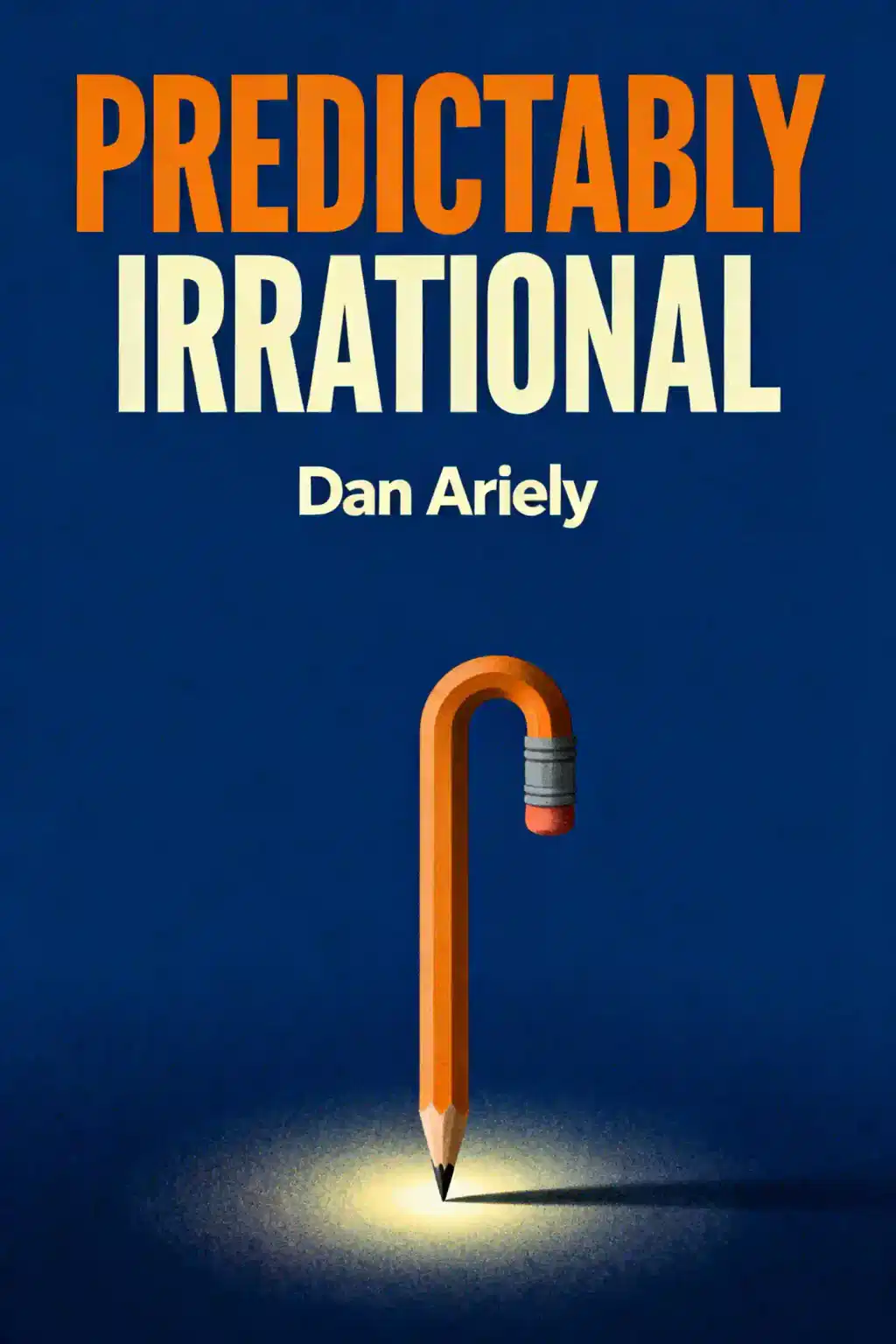
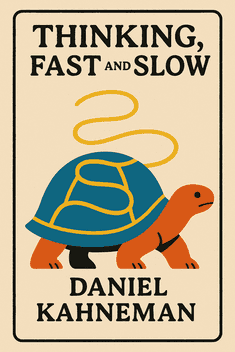
Unlike Thinking, Fast and Slow (focused on decision-making heuristics), this book specifically examines how people defend poor choices. It pairs well with Predictably Irrational for a holistic view of human irrationality.
Why is Mistakes Were Made relevant in 2025?
In an era of misinformation and polarized discourse, the book’s insights into confirmation bias and identity-driven justification remain critical. It helps readers navigate debates on AI ethics, climate change, and social justice with greater self-awareness.
Feel the book through the author's voice
Turn knowledge into engaging, example-rich insights
Capture key ideas in a flash for fast learning
Enjoy the book in a fun and engaging way
Key Themes in Mistakes Were Made
Quotes from Mistakes Were Made
We all twist reality to protect our egos.
I played him a dirty trick, and ever since I have hated him.
Scientists are always changing their minds.
Everyone does it.
Mistakes Were Made (But Not By Me)
Characters in Mistakes Were Made
Quick Summary Mode - Read or listen to Mistakes Were Made Summary in 9 Minutes

Break down key ideas from Mistakes Were Made into bite-sized takeaways to understand how innovative teams create, collaborate, and grow.

Flash Card Mode - Top 10 Insights from Mistakes Were Made in a Nutshell

Distill Mistakes Were Made into rapid-fire memory cues that highlight key principles of candor, teamwork, and creative resilience.

Fun Mode - Mistakes Were Made Lessons Told Through 24-Min Stories

Experience Mistakes Were Made through vivid storytelling that turns innovation lessons into moments you'll remember and apply.
Personalize Mode - Read or listen to Mistakes Were Made Summary in 0 Minutes

Ask anything, pick the voice, and co-create insights that truly resonate with you.

From Columbia University alumni built in San Francisco
"Instead of endless scrolling, I just hit play on BeFreed. It saves me so much time."


"I never knew where to start with nonfiction—BeFreed’s book lists turned into podcasts gave me a clear path."


"Perfect balance between learning and entertainment. Finished ‘Thinking, Fast and Slow’ on my commute this week."
"Crazy how much I learned while walking the dog. BeFreed = small habits → big gains."
"Reading used to feel like a chore. Now it’s just part of my lifestyle."

"Feels effortless compared to reading. I’ve finished 6 books this month already."
"BeFreed turned my guilty doomscrolling into something that feels productive and inspiring."

"BeFreed turned my commute into learning time. 20-min podcasts are perfect for finishing books I never had time for."
"BeFreed replaced my podcast queue. Imagine Spotify for books — that’s it. 🙌"

"It is great for me to learn something from the book without reading it."
"The themed book list podcasts help me connect ideas across authors—like a guided audio journey."
"Makes me feel smarter every time before going to work"
From Columbia University alumni built in San Francisco
"Instead of endless scrolling, I just hit play on BeFreed. It saves me so much time."
"I never knew where to start with nonfiction—BeFreed’s book lists turned into podcasts gave me a clear path."
"Perfect balance between learning and entertainment. Finished ‘Thinking, Fast and Slow’ on my commute this week."
"Crazy how much I learned while walking the dog. BeFreed = small habits → big gains."
"Reading used to feel like a chore. Now it’s just part of my lifestyle."
"Feels effortless compared to reading. I’ve finished 6 books this month already."
"BeFreed turned my guilty doomscrolling into something that feels productive and inspiring."
"BeFreed turned my commute into learning time. 20-min podcasts are perfect for finishing books I never had time for."
"BeFreed replaced my podcast queue. Imagine Spotify for books — that’s it. 🙌"
"It is great for me to learn something from the book without reading it."
"The themed book list podcasts help me connect ideas across authors—like a guided audio journey."
"Makes me feel smarter every time before going to work"
"Instead of endless scrolling, I just hit play on BeFreed. It saves me so much time."
"I never knew where to start with nonfiction—BeFreed’s book lists turned into podcasts gave me a clear path."
"Perfect balance between learning and entertainment. Finished ‘Thinking, Fast and Slow’ on my commute this week."
"Crazy how much I learned while walking the dog. BeFreed = small habits → big gains."
"Reading used to feel like a chore. Now it’s just part of my lifestyle."
"Feels effortless compared to reading. I’ve finished 6 books this month already."
"BeFreed turned my guilty doomscrolling into something that feels productive and inspiring."
"BeFreed turned my commute into learning time. 20-min podcasts are perfect for finishing books I never had time for."
"BeFreed replaced my podcast queue. Imagine Spotify for books — that’s it. 🙌"
"It is great for me to learn something from the book without reading it."
"The themed book list podcasts help me connect ideas across authors—like a guided audio journey."
"Makes me feel smarter every time before going to work"
"Instead of endless scrolling, I just hit play on BeFreed. It saves me so much time."
"I never knew where to start with nonfiction—BeFreed’s book lists turned into podcasts gave me a clear path."
"Perfect balance between learning and entertainment. Finished ‘Thinking, Fast and Slow’ on my commute this week."
"Crazy how much I learned while walking the dog. BeFreed = small habits → big gains."
"Reading used to feel like a chore. Now it’s just part of my lifestyle."
"Feels effortless compared to reading. I’ve finished 6 books this month already."
"BeFreed turned my guilty doomscrolling into something that feels productive and inspiring."
"BeFreed turned my commute into learning time. 20-min podcasts are perfect for finishing books I never had time for."
"BeFreed replaced my podcast queue. Imagine Spotify for books — that’s it. 🙌"
"It is great for me to learn something from the book without reading it."
"The themed book list podcasts help me connect ideas across authors—like a guided audio journey."
"Makes me feel smarter every time before going to work"

Get the Mistakes Were Made summary as a free PDF or EPUB. Print it or read offline anytime.