

Overview of The Concise Mastery
Robert Greene's distilled masterpiece reveals the timeless path to excellence through disciplined apprenticeship. Unlike typical self-help, this book offers no shortcuts - just the honest blueprint followed by Darwin, da Vinci, and Mozart. Discover why 41,699+ readers consider it essential for unlocking your unique genius.
- Robert Greene's three phases of mastery: Apprenticeship, Creative-Active, and Mastery.
- Find your Life's Task by returning to your childhood interests.
- Mastery takes approximately 10,000 hours or twenty years of deliberate practice.
- Social intelligence helps you read people and navigate workplace dynamics effectively.
- Finding the right mentor accelerates your journey toward professional mastery significantly.
- Creative breakthroughs emerge after periods of frustration followed by strategic rest.
- Avoid pursuing careers solely for money, approval, or external validation.
- Negative capability means embracing uncertainty without demanding immediate clear answers.
- Master yourself first before attempting to master any external skill.
- The Concise Mastery shows anyone can achieve greatness through sustained effort.
- The apprenticeship phase transforms character through observation, practice, and experimentation.
- Fuse intuitive understanding with rational thinking to achieve the highest mastery.
About the Author of The Concise Mastery
Robert Greene is the bestselling author of The Concise Mastery and a globally recognized expert in strategy, power dynamics, and human behavior. Born in 1959, Greene studied classical studies at UC Berkeley and the University of Wisconsin-Madison before working over 50 diverse jobs—from construction worker to Hollywood screenwriter—experiences that deeply informed his understanding of power structures and mastery.
The Concise Mastery distills Greene's groundbreaking work on achieving excellence and finding one's life purpose, drawing from historical masters across diverse fields. His approach combines historical analysis with practical strategy, making complex concepts accessible to modern readers. Greene's other influential works include The 48 Laws of Power, The Laws of Human Nature, and The Art of Seduction, each exploring the psychological forces that shape human interaction and success.
With over 2.5 million Instagram followers and a substantial presence across platforms, Greene reaches a vast audience spanning business leaders, artists, and cultural icons like Jay-Z and Drake. His books have sold millions of copies worldwide and been translated into dozens of languages, establishing him as one of the most influential voices in personal development and strategic thinking.
FAQs About The Concise Mastery
What is The Concise Mastery by Robert Greene about?
The Concise Mastery by Robert Greene is a condensed guide to achieving greatness through discovering your unique calling and mastering your chosen field. The book argues that mastery is accessible to everyone through rigorous apprenticeship, learning established rules, and eventually rewriting them to reflect your individuality. Greene uses historical examples like Charles Darwin and Leonardo da Vinci to illustrate how mastery involves transforming your mind and character through intense focus, practice, and dedication over time.
Who should read The Concise Mastery by Robert Greene?
The Concise Mastery is ideal for ambitious professionals seeking career transformation, creative individuals pursuing skill development, and anyone feeling disconnected from their potential. This book particularly resonates with confused creatives, curious generalists, and quietly ambitious souls looking to discover their Life's Task and achieve excellence in their field. It's also valuable for entrepreneurs, artists, and business leaders who want practical strategies for long-term success through dedication rather than shortcuts.
Is The Concise Mastery by Robert Greene worth reading?
The Concise Mastery is worth reading if you're committed to long-term skill development and personal transformation. Greene offers no shortcuts or empty promises, instead laying out the realistic path to mastery through years of practice, obsession, patience, and humility. The book provides actionable strategies through historical anecdotes and psychological insights that can help you reconnect with your natural inclinations and pursue meaningful work. However, it may challenge multipassionate individuals who struggle with choosing a single focus.
How is The Concise Mastery different from the original Mastery book?
The Concise Mastery is a shorter, pocketbook version of Robert Greene's original business classic Mastery, designed to provide a shortcut to Greene's powerful tools for achieving greatness. While maintaining Greene's signature blend of historical anecdotes and psychological insights, this condensed edition makes the core concepts more accessible and portable. The concise version builds on strategies from The 48 Laws of Power and delivers the essential framework for discovering your calling, navigating apprenticeship, and achieving mastery without the extensive length of the original.
What are the three phases of mastery in The Concise Mastery?
The Concise Mastery outlines three distinct phases toward achieving mastery.
- The Apprenticeship Phase focuses on deep observation, skills acquisition, and experimentation to build foundational knowledge.
- The Creative-Active Phase involves using your own ideas and experiments, developing your unique style, and moving from student to practitioner.
- Finally, the Mastery Phase represents the culmination where you develop intuitive understanding, can innovate freely, and break established rules as a reflection of your individuality.
What is the Life's Task in The Concise Mastery by Robert Greene?
The Life's Task in The Concise Mastery refers to discovering and pursuing your unique calling that aligns with your deepest inclinations and natural talents. Robert Greene suggests returning to your childhood passions and interests to identify your authentic Life's Task, rather than choosing careers for money or approval. The book emphasizes finding your perfect niche where you can dominate without overwhelming competition, while remaining flexible to adapt your Life's Task to changing circumstances throughout your life.
What is the Apprenticeship Phase in The Concise Mastery?
The Apprenticeship Phase in The Concise Mastery is the foundational first step toward mastery, emphasizing learning, observation, and skill acquisition. This phase involves three critical steps:
- Deep Observation of your field
- Skills Acquisition through deliberate practice
- Experimentation to test your developing abilities
Greene stresses that practical knowledge and experience gained during apprenticeship are more valuable than titles or diplomas, and this phase transforms your mind, character, and discipline.
What is Social Intelligence according to The Concise Mastery?
Social Intelligence in The Concise Mastery involves understanding people as they truly are, without projecting your own needs onto them. Robert Greene defines it as the ability to read nonverbal cues, understand motivations, discern manipulation, and navigate social dynamics effectively. This intelligence has two components:
- Specific knowledge (reading individual personalities)
- General knowledge (understanding universal behavior patterns)
Greene emphasizes that success in any field requires mastering social dynamics to overcome resistance and advance.
What role do mentors play in The Concise Mastery by Robert Greene?
Mentors are crucial in The Concise Mastery for streamlining the learning process and sharing valuable experience and knowledge. Robert Greene advises choosing mentors who align with your inclinations and can help develop your unique style, creating a dynamic relationship where the protégé eventually surpasses the mentor. The mentor-protégé relationship is emotionally charged, with mentors deeply invested in their protégé's development and success. This guidance accelerates the apprenticeship phase and helps navigate challenges toward mastery.
What are the best quotes from The Concise Mastery by Robert Greene?
The Concise Mastery features powerful quotes about self-determination and mastery.
- "Everyone holds his fortune in his own hands, like a sculptor the raw material he will fashion into a figure" emphasizes your power to shape your destiny through effort and skill.
- "One can have no smaller or greater mastery than mastery of oneself" highlights self-discipline as foundational to any achievement.
- "The intuitive mind is a sacred gift and the rational mind is a faithful servant" underscores balancing intuition with rationality for true mastery.
What are the criticisms of The Concise Mastery by Robert Greene?
The Concise Mastery faces criticism for potentially overwhelming multipassionate individuals who don't have a single clear inclination from childhood. Critics note that most examples feature people who knew their calling early and went all-in, which may not reflect modern realities where pursuing mastery requires significant time, money, and risk. Some readers find the framework challenging when they've loved multiple things throughout life rather than one focused passion. Additionally, the book doesn't solve uncertainty but rather encourages asking better questions, which some may find insufficient.
How can The Concise Mastery help with career development?
The Concise Mastery by Robert Greene provides a roadmap for career transformation by helping you discover your authentic calling and develop expertise strategically. The book teaches you to identify your Life's Task, navigate the apprenticeship phase effectively, and build social intelligence crucial for professional advancement. By following Greene's framework of deep observation, skill acquisition, and experimentation, you can accelerate your learning curve and position yourself for long-term career success rather than seeking quick wins.
Books like The Concise Mastery by Robert Greene
If you enjoyed The Concise Mastery, consider Robert Greene's other works including The 48 Laws of Power, which explores power dynamics and strategy, and the full-length Mastery for more comprehensive coverage.
- Outliers by Malcolm Gladwell examines the 10,000-hour rule and factors behind extraordinary success.
- Deep Work by Cal Newport focuses on developing focused concentration for skill mastery.
- Peak by Anders Ericsson explores deliberate practice.
- Range by David Epstein offers an alternative perspective on generalist approaches to expertise.
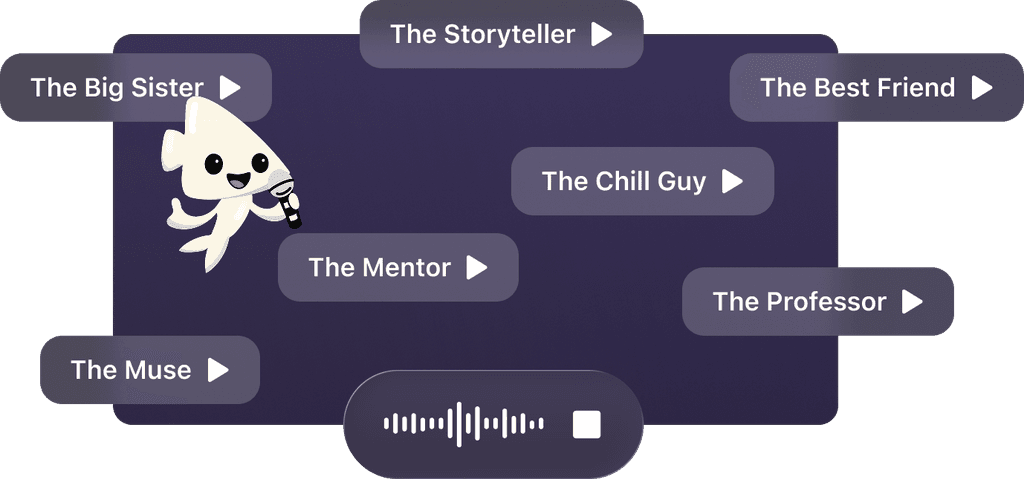
Feel the book through the author's voice
Turn knowledge into engaging, example-rich insights
Capture key ideas in a flash for fast learning
Enjoy the book in a fun and engaging way
Characters in The Concise Mastery
- Robert GreeneAuthor and strategist who studied global masters
- Temple GrandinScientist who used autism to innovate animal care
- Freddie RoachBoxing trainer who adapted to physical limitations
Key Themes in The Concise Mastery
- skill acquisition
- vocational calling
- creative apprenticeship
- historical mentorship
- social intelligence
Quotes from The Concise Mastery
The future belongs to those who learn more skills and combine them in creative ways.
Mastery isn't reserved for geniuses—it's available to anyone willing to follow the path.
Modern culture subtly undermines mastery.
Strategic rebellion becomes necessary.
Value learning over money.
Explore Your Way of Learning
 Quick Summary Mode
Read or listen to The Concise Mastery Summary in 9 Minutes
Break down key ideas from The Concise Mastery into bite-sized takeaways to understand how innovative teams create, collaborate, and grow.

 Fun Mode
The Concise Mastery Lessons Told Through 24-Min Stories
Experience The Concise Mastery through vivid storytelling that turns innovation lessons into moments you'll remember and apply.
 Personalize Mode
Experience The Concise Mastery in your own learning style
Ask anything, choose your learning style, and co-create insights that truly resonate with you.
From Columbia University alumni built in San Francisco
"Instead of endless scrolling, I just hit play on BeFreed. It saves me so much time."


"I never knew where to start with nonfiction—BeFreed’s book lists turned into podcasts gave me a clear path."


"Perfect balance between learning and entertainment. Finished ‘Thinking, Fast and Slow’ on my commute this week."
"Crazy how much I learned while walking the dog. BeFreed = small habits → big gains."
"Reading used to feel like a chore. Now it’s just part of my lifestyle."

"Feels effortless compared to reading. I’ve finished 6 books this month already."
"BeFreed turned my guilty doomscrolling into something that feels productive and inspiring."

"BeFreed turned my commute into learning time. 20-min podcasts are perfect for finishing books I never had time for."
"BeFreed replaced my podcast queue. Imagine Spotify for books — that’s it. 🙌"

"It is great for me to learn something from the book without reading it."
"The themed book list podcasts help me connect ideas across authors—like a guided audio journey."
"Makes me feel smarter every time before going to work"
From Columbia University alumni built in San Francisco
"Instead of endless scrolling, I just hit play on BeFreed. It saves me so much time."
"I never knew where to start with nonfiction—BeFreed’s book lists turned into podcasts gave me a clear path."
"Perfect balance between learning and entertainment. Finished ‘Thinking, Fast and Slow’ on my commute this week."
"Crazy how much I learned while walking the dog. BeFreed = small habits → big gains."
"Reading used to feel like a chore. Now it’s just part of my lifestyle."
"Feels effortless compared to reading. I’ve finished 6 books this month already."
"BeFreed turned my guilty doomscrolling into something that feels productive and inspiring."
"BeFreed turned my commute into learning time. 20-min podcasts are perfect for finishing books I never had time for."
"BeFreed replaced my podcast queue. Imagine Spotify for books — that’s it. 🙌"
"It is great for me to learn something from the book without reading it."
"The themed book list podcasts help me connect ideas across authors—like a guided audio journey."
"Makes me feel smarter every time before going to work"
"Instead of endless scrolling, I just hit play on BeFreed. It saves me so much time."
"I never knew where to start with nonfiction—BeFreed’s book lists turned into podcasts gave me a clear path."
"Perfect balance between learning and entertainment. Finished ‘Thinking, Fast and Slow’ on my commute this week."
"Crazy how much I learned while walking the dog. BeFreed = small habits → big gains."
"Reading used to feel like a chore. Now it’s just part of my lifestyle."
"Feels effortless compared to reading. I’ve finished 6 books this month already."
"BeFreed turned my guilty doomscrolling into something that feels productive and inspiring."
"BeFreed turned my commute into learning time. 20-min podcasts are perfect for finishing books I never had time for."
"BeFreed replaced my podcast queue. Imagine Spotify for books — that’s it. 🙌"
"It is great for me to learn something from the book without reading it."
"The themed book list podcasts help me connect ideas across authors—like a guided audio journey."
"Makes me feel smarter every time before going to work"
"Instead of endless scrolling, I just hit play on BeFreed. It saves me so much time."
"I never knew where to start with nonfiction—BeFreed’s book lists turned into podcasts gave me a clear path."
"Perfect balance between learning and entertainment. Finished ‘Thinking, Fast and Slow’ on my commute this week."
"Crazy how much I learned while walking the dog. BeFreed = small habits → big gains."
"Reading used to feel like a chore. Now it’s just part of my lifestyle."
"Feels effortless compared to reading. I’ve finished 6 books this month already."
"BeFreed turned my guilty doomscrolling into something that feels productive and inspiring."
"BeFreed turned my commute into learning time. 20-min podcasts are perfect for finishing books I never had time for."
"BeFreed replaced my podcast queue. Imagine Spotify for books — that’s it. 🙌"
"It is great for me to learn something from the book without reading it."
"The themed book list podcasts help me connect ideas across authors—like a guided audio journey."
"Makes me feel smarter every time before going to work"

Download Summary of The Concise Mastery
Get the The Concise Mastery summary as a free PDF or EPUB. Print it or read offline anytime.


